


Wall Shower Heads
5 Items
-
In Stock
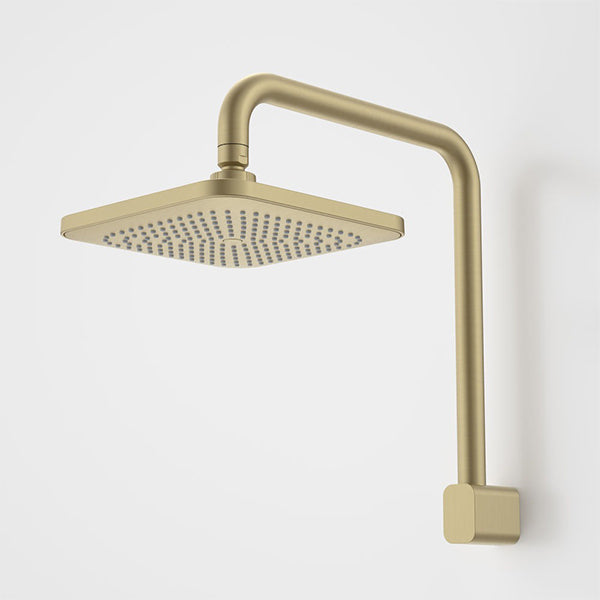

Sold out Caroma Luna Fixed Overhead Shower Brushed Brass
Checking delivery...$380 -
In Stock
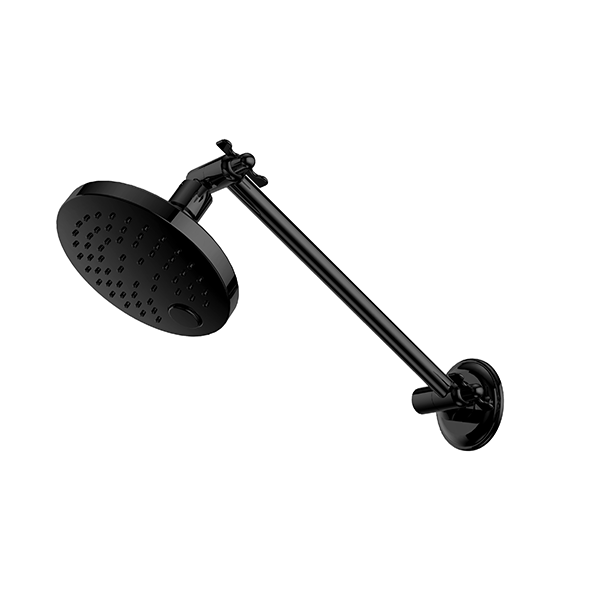

Sold out Nero X Plus All Direction Shower Head - Matte Black
Checking delivery...$161 -
In Stock
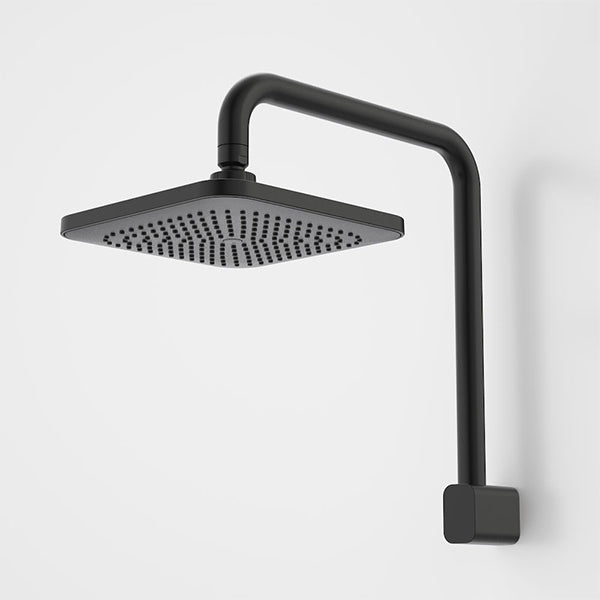

Sold out Caroma Luna Fixed Overhead Shower Black
Checking delivery...$380 -
In Stock
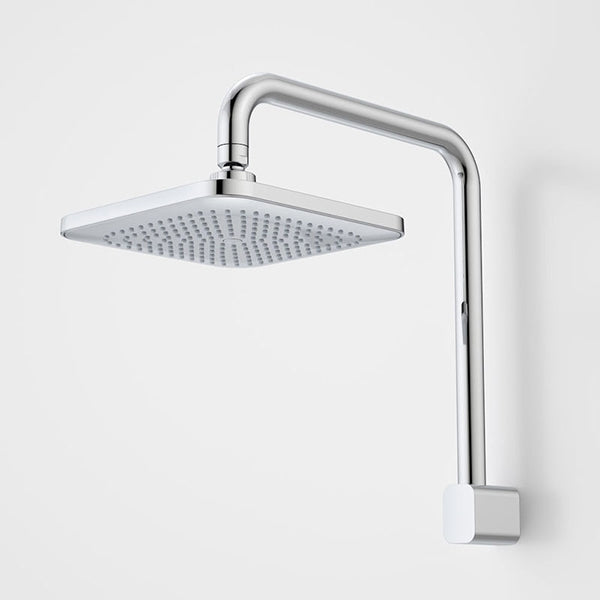

Sold out Caroma Luna Fixed Overhead Shower Chrome
Checking delivery...$357 -
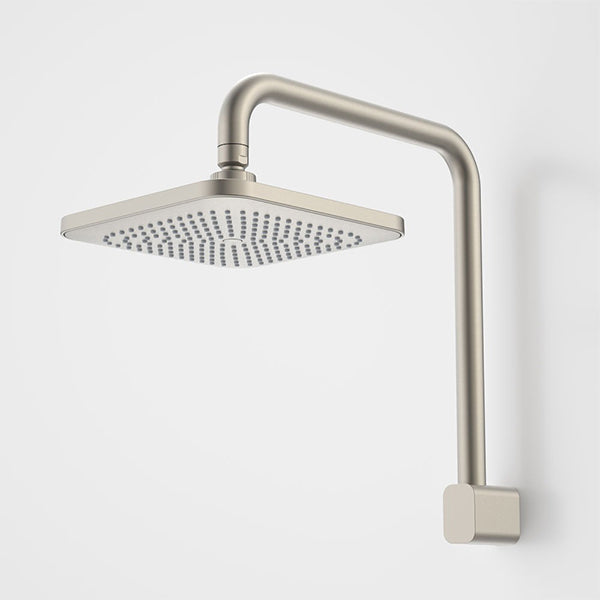

Sold out Caroma Luna Fixed Overhead Shower Brushed Nickel
Checking delivery...$380


Wall Shower Heads
Wall showers are shower heads that mount to a wall-fixed shower arm, positioned at an angle so water sprays downward and outward into the shower space. They're the most common shower configuration in Australian bathrooms, connecting to existing wall plumbing rather than requiring an outlet in the ceiling. This makes wall showers the standard choice when replacing an existing shower head during a renovation.
This collection includes wall showers from Caroma, Phoenix, Nero, Meir and Fienza, covering fixed heads, handheld sets and combination units in a range of sizes and finishes.
Choosing a replacement wall shower
When replacing an existing wall shower, the first thing to check is the connection thread size, which in Australia is almost always 1/2 inch BSP. This is a standard fitting across Caroma, Phoenix, Nero, Meir and Fienza, so compatibility with your existing shower arm generally isn't an issue.
Beyond the connection, the main decisions are shower head size, spray type and finish.
- Size Wall showers range from compact heads suited to smaller bathrooms or ensuites, through to larger rain shower heads that need more clearance from the wall. If you're replacing a small shower head with a larger one, check the length of your existing shower arm, as a larger head may need a longer arm to clear the wall properly.
- Spray type Fixed wall showers deliver a single, consistent spray pattern and are the simplest option to install and maintain. Handheld wall shower sets, mounted on a rail or bracket, add flexibility for washing, cleaning the shower recess, or bathing children and pets. Some sets combine a fixed head with a handheld unit on the same rail.
- Finish Chrome remains the most common finish and pairs with the widest range of existing tapware. Matte black, brushed nickel and brushed brass are also available across most brands in this collection, for renovators matching a shower head to existing tapware or a broader bathroom finish scheme.
Wall showers vs other shower types
Wall showers differ from ceiling showers, which mount to a ceiling-fixed shower arm and drop straight down rather than at an angle. Ceiling showers require plumbing through the ceiling, so they're a bigger job than a straightforward wall shower replacement and usually suit new builds or full bathroom renovations rather than a like-for-like swap.
For most replacement jobs, a wall shower is the simpler and more cost-effective option, since it works with plumbing that's already in place.
If your shower mixer tap is showing signs of wear, such as leaking, worn handles or reduced pressure at the tap itself, this often points to an issue that a new shower head can't resolve. Browse our Shower Mixer Tap collection to see options for replacing the mixer alongside or instead of the shower head.

