


Bath Wastes
21 Items
-
In Stock

Sold out Meir Universal All-In-One Pop Up Waste - Basin & Bath Brushed Nickel
Checking delivery...$124$0 (-0%) offRRP of $124 -
In Stock

Sold out Meir Universal all-in-one Pop Up Waste - Basin & Bath - Champagne
Checking delivery...$124$0 (-0%) offRRP of $124 -
In Stock

Sold out Meir Universal all-in-one Pop Up Waste - Basin & Bath - Tiger Bronze
Checking delivery...$124$0 (-0%) offRRP of $124 -
In Stock
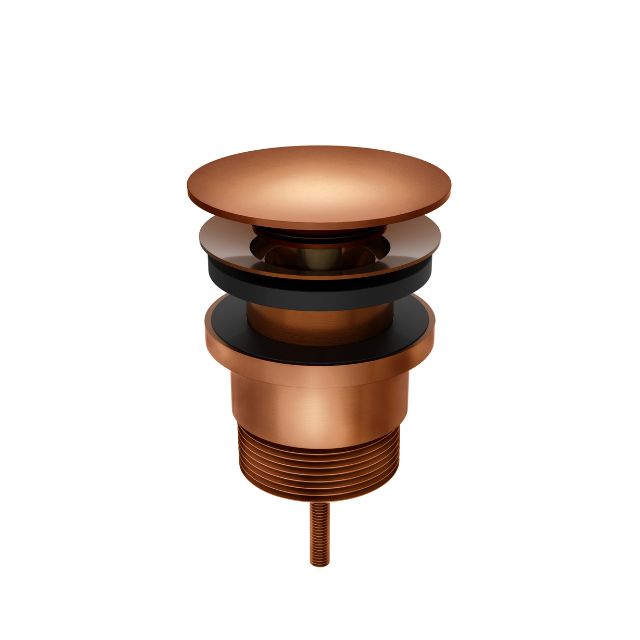
Sold out Meir Universal All-In-One Pop Up Waste - Basin & Bath Lustre Bronze
Checking delivery...$136$0 (-0%) offRRP of $136 -
In Stock SAIn Stock QLDIn Stock VIC

Sold out Caroma Bath Pop-up Plug & Waste Brushed Brass
Checking delivery...$53$0 (-0%) offRRP of $53 -

Sale On Now!
Up to 70% off across the store, plus free towels and mirrors up for grabs on orders over $800*
-

Sold out Meir Universal All-In-One Pop Up Waste - Basin & Bath Shadow
Checking delivery...$124$0 (-0%) offRRP of $124 -

Sold out Meir Universal All-In-One Pop Up Waste - Basin & Bath Chrome
Checking delivery...$86$0 (-0%) offRRP of $86 -

Sold out Caroma Bath Pop-up Plug & Waste Brushed Bronze
Checking delivery...$56$0 (-0%) offRRP of $56 -

Sold out Meir Universal All-In-One Pop Up Waste - Basin & Bath Matte Black
Checking delivery...$99$0 (-0%) offRRP of $99 -

-

Sold out Caroma Bath Pop-up Plug & Waste Brushed Nickel
Checking delivery...$53$0 (-0%) offRRP of $53 -
In Stock
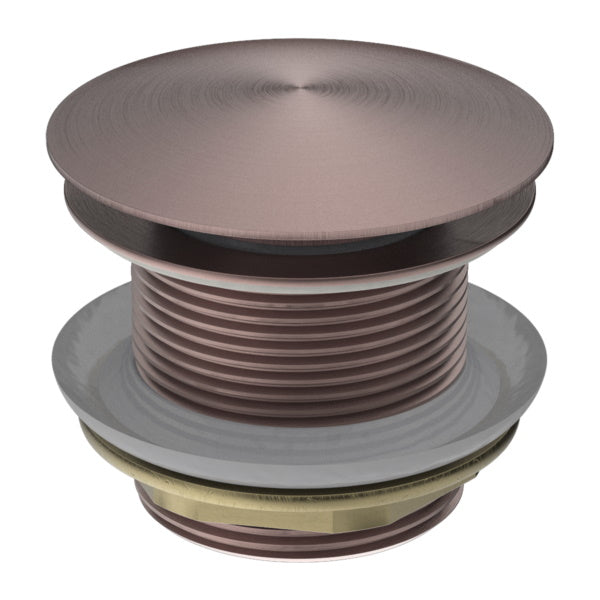
Sold out Nero 40mm Bath Pop-Up Plug With Removable Waste No Overflow Brushed Bronze
Checking delivery...$108$0 (-0%) offRRP of $108 -

Sold out Nero 40mm Bath Pop-Up Plug With Removable Waste No Overflow Matte White
Checking delivery...$94$0 (-0%) offRRP of $94 -

Sold out Nero 40mm Bath Pop-Up Plug With Removable Waste No Overflow Brushed Nickel
Checking delivery...$94$0 (-0%) offRRP of $94 -

Sold out Nero 40mm Bath Pop-Up Plug With Removable Waste No Overflow Brushed Gold
Checking delivery...$108$0 (-0%) offRRP of $108 -
-

Sold out Nero 40mm Bath Pop-Up Plug With Removable Waste No Overflow Matte Black
Checking delivery...$81$0 (-0%) offRRP of $81 -

Sold out Nero 40mm Bath Pop-Up Plug With Removable Waste No Overflow Chrome
Checking delivery...$67$0 (-0%) offRRP of $67 -

Sold out Nero 40mm Bath Pop-Up Plug With Removable Waste No Overflow Gun Metal
Checking delivery...$108$0 (-0%) offRRP of $108 -

Sold out Nero 40mm Bath Pop-Up Plug With Removable Waste No Overflow Graphite
Checking delivery...$108$0 (-0%) offRRP of $108 -

Sold out Caroma Bath Pop-up Plug & Waste Matte Black
Checking delivery...$45$0 (-0%) offRRP of $45 -

Sold out Caroma Bath/Basin Pop Up Disc Plug & Waste Compact - Gunmetal
Checking delivery...$53$0 (-0%) offRRP of $53 -

Sold out Caroma Pop-Up Plug & Waste - Chrome
Checking delivery...$41$0 (-0%) offRRP of $41


Bath Wastes Buying Guide
A bath waste is the outlet fitted into the bottom of a bath, and most are also the plug. It is sold as a bath plug, a bathtub plug, a drain stopper or a pop up bath waste, and these names describe the same job: hold the water in, then let it out and carry it to the trap and the pipe below. This page holds pop up and pop down bath wastes, pull-out and safety versions, universal wastes that suit a bath or a basin, and flexible connectors for baths where the waste and the floor drain do not line up. They come in brass, stainless steel and a few other materials, in finishes that match tapware. Five questions settle the order: outlet size, overflow, how the waste lines up with the pipe, which mechanism suits the household, and who fits it. For every other drain type, start at wastes, traps and grates.
Is bath waste 32mm or 40mm?
Baths usually take a 40mm waste, because a bath drains much more water than a basin, and basins usually take 32mm. Universal wastes suit both. The number describes the pipe, not the waste: 32mm and 40mm are the internal diameter of the pipe the waste connects to, and a 40mm waste uses a 1 1/2 inch BSPP thread, about 48mm across the outside. The thread is written as G1 1/2. A bath connects through a waste of at least DN40, either as an untrapped waste to a floor waste gully or through a trap, so a 40mm bath waste matches the standard pipe size.
Plug size is a different measure again. Plug and waste sizing is confusing, because sizes often refer to the plug and not the waste, so measure the diameter of the drain mesh or the underside of the existing plug before buying. The size is in the product name, such as the 40mm outlet on the Fienza pull-out waste. When in doubt, check the thread, then the surface diameter, then the overflow arrangement.
Overflow
An overflow is a hole in the wall of the bath that connects to the waste and stops the bath overfilling. Check whether the bath has one, and choose a bath with an overflow if the home has no floor waste. Any plug and waste you buy must be compatible with the bath's overflow. Some wastes include the overflow connection and some do not. The Meir universal waste includes an overflow, and the Fienza pull-out waste is made for baths with an integrated overflow. The Turner Hastings safety pull-out waste comes in versions with and without an overflow, while the Decina bath pop-up plug with removable waste is not overflow compatible. For a built-in bath or spa that has no overflow, the Decina overflow and waste kit adds one. It has an overflow, a hose and a 40mm pop down waste, and the outlet is positioned near the top inside edge of the bath to take excess water back to the waste.
Will the waste fit your bath?
Start with whether the bath's waste outlet lines up directly with the floor waste. If it does not, a flexible connector may be needed, sold alone or with a waste. Connectors can bridge an offset of up to 650mm, and the pipe must have enough fall across the offset to drain properly. If it does not, consider a different bath with a closer or higher waste, or move the floor waste.
The ART Australia Bath Bend and connector fits this case. Its flexible connector adjusts to a maximum length of 600mm, handles an offset of up to 650mm, adjusts for bath thickness to a maximum of 12mm, and has a low body height of 77mm, with a quick-remove cartridge and a flush mounted operation. It suits baths with or without an overflow. The Decina flexible bath connector is 300mm long, can be cut shorter, accepts solvent welding and comes with a chrome pop-up plug and waste. It only works with baths that have at least 100mm of room underneath. The Nero short pop up bath waste has a short design that allows easy installation in tight spaces and suits offset drainage setups, with a standard 40mm connection.
For freestanding, back-to-wall and back-to-corner baths, there is one more check. Compare the bath's technical drawing with the gap between the base of the bath and the floor, and compare that gap with the waste's tail length, including any connector. If no combination works, discuss it with a plumber: the options are a different bath or a moved floor waste. Bath pages to start from are freestanding baths and back to wall baths.
Pop up and pop down
Two terms cover the push-button mechanisms, and they are not the same. A pop up waste sits proud of the surface when open, with a slightly domed cap. A pop down waste sits flush when open, with no raised cap. Pop down is the most functional option for a bath: it sits open when level and closes when pressed, it is less visually intrusive, and it is safer for children because there is no pinch risk. It also keeps small items such as jewellery from falling into the trap, and the whole mechanism comes out for cleaning. Pop down bath wastes have their own page at pop down bath wastes.
Pop up is the most common type, in many styles, colours and materials. The drawback is that the trap and mechanism can collect hair and grime and are harder to keep clean, so fully removable baskets are recommended for easier maintenance. Depending on the bath style and installation location, the National Construction Code may require fully removable baskets that allow full access to the trap, and a plumber may refuse a non-compliant installation, so check with a plumber before buying. Basic wastes with a rubber or plastic plug are the simplest, but they offer limited colours and often a poor seal. Pop up wastes are at pop up bath wastes.
Universal wastes for a bath or a basin
Several wastes suit both a bath and a basin. The Meir universal all-in-one pop up waste is brass with a removable grate, includes an overflow, is certified to AS/NZS 3718:2005 and has a G1-1/2 inch thread. The ADP universal mushroom waste suits baths or basins, overflow or non-overflow wastes, and has a 40mm thread connector. The Phoenix 40mm dome pop up universal waste suits baths and basins specifying a 32mm waste and connects to 40mm pipework, with an adjustable installation range of 10 to 60mm, a convex dome to reduce splash and a pull-out plug for cleaning. Others are made for one use only: the Caroma bath pop-up plug and waste is designed specifically for bath applications.
A short check before you order
Confirm the bath has a 40mm outlet, or note the size it does have. Confirm whether the bath has an overflow and pick a waste that is compatible with it. Compare the bath's waste position with the floor waste for any offset, and measure the clearance under the bath against the tail length and any connector. Choose between pop up and pop down for the cleaning access you want. Then match the finish to the tapware, and read the finish line for the process. A plumber or the bath maker can confirm the first three if the paperwork for the bath is missing.
Materials and finishes
Brass is the main material on this page, with 304 stainless steel on the Nero pop up bath waste with overflow, which has a 70mm top diameter and an 83.5mm depth. Ceramic heads appear on the Turner Hastings safety wastes. Check the finish process on each waste, because the colour name does not say how the finish is made. PVD is a vacuum process that bonds the colour to the metal at a molecular level, and it is much harder than traditional plating. Chrome is electroplated, which is hard, easy to clean and tolerant of strong cleaners. Powder coating is paint-based, so check the process on a powder-coated waste before putting it in a bath. Some Nero short pop up wastes are powder coated.
Licensing differs by state: in Western Australia fitting or replacing a waste is licensed plumbing work, while a homeowner can swap a loose plug in an existing waste. Some jobs belong to a plumber. Stop and call one when the drain is seized and forcing it could crack the bath or strip the metal. The other triggers are damaged or old pipes under the bath, broken internal parts such as crossbars or fittings, and local rules that require a licensed plumber, as in Queensland. Forcing a rusted drain, cutting it out without help and scraping the bath too hard are the mistakes to avoid. A leak from the overflow plate usually points to a worn gasket behind it. The Fienza pull-out waste is a universal design that fits most bathtubs, and the Turner Hastings pull-out waste suits installation and exchange without removing the bath.
Keeping a bath waste clean
Hair and soap collect in the trap and the mechanism. Mineral scale and soap scum can stop a pop-up sealing, so wipe the waste dry after use, clean with a mild or citrus cleaner, avoid abrasives and harsh chemicals, and clear hair and residue from the plug. Hot water with an enzyme cleaner suits the drain below, and vinegar and abrasive cleaners can damage PVD coatings, so check the finish before using anything acidic. The removable cartridge on the pop down and Turner Hastings wastes is there for this reason. Slow draining, a smell or gurgling when other fixtures run that survives a clean points to something deeper, and a licensed plumber should look at it.
Ranges and brands
Fienza's bath wastes are collected at Fienza bath wastes, and wastes with an overflow are at bath wastes with overflows. Each brand has its own page for drains: Nero wastes and traps, Caroma wastes and traps, Phoenix wastes and traps, Meir wastes and traps, ADP wastes and traps and Turner Hastings wastes and traps. For the basin end of the same job, see basin wastes, and for the pipe between the bath and the trap, see bath connectors.

