


Door Handles
123 Items
-

Sold out Nidus Concealed Magnetic Catch Extra Heavy Duty
Checking delivery...$118 -
New Release

Sold out Zanda Stealth Smart Lock Deadbolt Ember Bronze
Checking delivery...$944 -
$3 Off RRPIn Stock

Sold out Nidus Tubular Latch Matte Black
Checking delivery...$15$3 (-16%) OFFRRP of $18 -
In Stock

Sold out Nidus Knurled Domici Passage Handle Matte Black
Checking delivery...$108 -
In Stock

Sold out Meir Glass Fixing U Bracket - Champagne
Checking delivery...$49 -

Sale On Now!
Up to 70% off across the store, plus free towels and mirrors up for grabs on orders over $800*
-

Sold out Nidus Knurled Domici Passage Handle Gun Metal Grey
Checking delivery...$108 -
$19 Off RRP

Sold out Nidus Knurled Domici Passage Handle Satin Brass
Checking delivery...$89$19 (-17%) OFFRRP of $108 -
$6 Off RRPIn Stock

Sold out Nidus Tubular Latch Satin Brass
Checking delivery...$12$6 (-33%) OFFRRP of $18 -

Sold out Nidus Concealed Magnetic Catch
Checking delivery...$44 -

-

Sold out Nidus Knurled Domici Privacy Door Handle Set Gun Metal Grey
Checking delivery...$143 -

Sold out Nidus Knurled Domici Privacy Door Handle Set Satin Brass
Checking delivery...$143 -
Australian Made

Sold out Nidus Knurled Domici Matte Black Ozi-1 Lock Combo
Checking delivery...$458 -
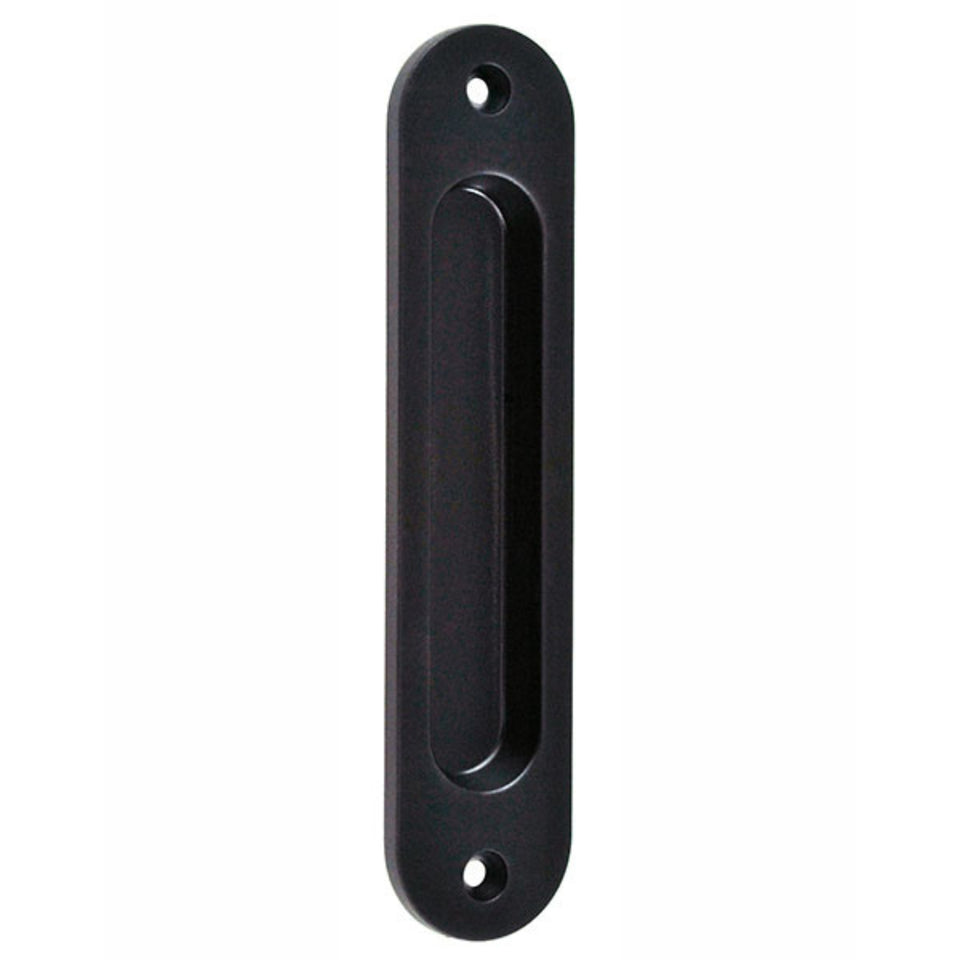
Sold out Nidus Radius Sliding Door Flush Pull Handle 135mm Matte Black
Checking delivery...$19 -

Sold out Nidus Wall Mounted Door Stop Gun Metal Grey
Checking delivery...$18 -
-
In Stock

Sold out Nero Shower U-Shaped Bracket 10mm Glass Brushed Gold
Checking delivery...$54 -
In Stock

Sold out Meir Glass Fixing U Bracket Tiger Bronze
Checking delivery...$49 -

Sold out Nidus Radius Sliding Door Flush Pull Handle 135mm Satin Chrome
Checking delivery...$15 -

Sold out Zanda Futura Round Separate Privacy Kit Ember Bronze
Checking delivery...$134 -

Sold out Nidus Tubular Latch Polished Chrome
Checking delivery...$14 -
In Stock

Sold out Meir Glass Fixing U Bracket Lustre Bronze
Checking delivery...$56 -

Sold out Nidus Tubular Latch Gun Metal Grey
Checking delivery...$18 -

Sold out Nidus Mediterranean Metro Privacy Door Handle Set Satin Chrome
Checking delivery...$111 -

Sold out Nidus Mediterranean Altro Privacy Door Handle Set Matte Black
Checking delivery...$143 -

Sold out Nidus Mediterranean Metro Passage Door Handle Set Satin Chrome
Checking delivery...$93 -

Sold out Nidus Tubular Latch Polished Brass
Checking delivery...$14 -

Sold out Nidus Radius Sliding Door Flush Pull Handle 135mm Polished Chrome
Checking delivery...$15 -

Sold out Nidus Tubular Latch Satin Chrome
Checking delivery...$14 -

Sold out Nidus Mediterranean Altro Passage Door Handle Set Matte Black
Checking delivery...$108 -

Sold out Nidus Pull Door Handle 600mm Stainless Steel Pair
Checking delivery...$246 -
Italian Made

Sold out Manital Ratio Privacy Door Handle Set Satin Brass
Checking delivery...$354 -
In Stock

Sold out Meir Glass Fixing U Bracket Brushed Nickel
Checking delivery...$49 -
Italian Made

Sold out Manital Tosca Passage Door Handle Set Polished Brass
Checking delivery...$120 -
Italian Made

Sold out Manital Erica Passage Door Handle Set Polished Brass
Checking delivery...$156 -
Italian Made

Sold out Manital Imola Passage Door Handle Set Polished Chrome
Checking delivery...$120 -
Italian Made

Sold out Manital Imola Passage Door Handle Set Satin Chrome
Checking delivery...$120


Door handles buying guide
A door handle has two jobs. It opens the door, and it decides whether the door can be locked. The second job is where most of the choices sit, because a handle that looks right can still be wrong for the door if it has no latch, no key or the wrong backset. This guide starts with function and the lock options, then moves to fit, lever or knob, finish and care. If you already know the type you need, the pages for passage, privacy, dummy and entry handles go further into each one.
The types of door handle by function
Door handles sort into four groups. The function is fixed at purchase, so decide it door by door before you order. The passage handle is a latch with no lock, used on hallways, living rooms, laundries and walk-in robes, and the most common type in a home. A privacy handle adds a lock worked from inside with a turn snib or a push button, and it goes on bathrooms, ensuites, toilets and bedrooms. An entrance handle locks from both sides and suits front, back and garage-to-house doors. A dummy handle is fixed, with no latch and no lock, and goes on wardrobes, linen cupboards and the fixed leaf of a pair of French doors.
Two of these are easy to confuse. A privacy set keeps a room private but is not security hardware. Security belongs to the entrance set. The pages for passage door handles, privacy door handles and dummy door handles cover the first three in detail, and entry door lock sets covers the fourth.
Door handles with locks
A search for a door handle with a lock usually means one of three jobs. A bathroom or bedroom needs a privacy lock. A front door needs a keyed lock that can resist force. A sliding or cavity door needs a lock made for a door that does not swing. Each has its own parts and its own page.
For privacy, the lock is a turn or snib on the inside. There is usually an emergency release on the outside that opens with a coin or a flat tool. The Zanda Duke privacy set has the privacy function built into the lever pair. The Iver Helsinki privacy kit comes with a privacy turn. The Lane Oxford privacy box holds two lever sets, a latch, a striker plate and fixings. The Momo thumb turn set is the turn only. Lever sets are on privacy door levers and knob sets are on privacy knob sets.
For a keyed entrance, the handle is often paired with a separate deadbolt, so check the lock, door thickness, backset and existing door preparation before ordering. An entrance handle has a key lock below it and a snib on the other side. On security, knob or lever locks are not suitable as the primary door lock. The deadbolt does the securing, and it has its own pages on deadbolts and Lockwood deadbolts.
For a sliding door the lock comes as part of the set. The Nidus Mardeco flush pull privacy set, for example, lists a privacy slide, an emergency release, a sliding door lock and a striker plate and box in the one pack. The options are on sliding door privacy sets and sliding door handles. The handle profile on a sliding or cavity door must not stop the door moving, so decide how the door moves before you pick the handle.
What the entrance sets in this collection include
Entrance sets differ most in what is in the box, so read the product page's box line before the name. The Iver Baltimore entrance kit is a euro mortice set with a key and thumb cylinder and two keys, for doors 35 to 60mm thick with a 60mm backset. The TradCo Reims entrance set is a euro mortice set keyed on both sides, with three keys, for 35 to 60mm doors and a 57mm backset. The Lane Corvan entrance set uses a single cylinder deadbolt with three keys and suits 35 to 45mm doors and a 60mm backset. The Nidus Knurled Domici Ozi-1 lock combo lists two levers on a long plate, an Ozi mortice body, a striker kit, a double euro cylinder and three keys.
Some ranges split the parts. The Nidus Knurled Domici passage handle comes with two levers, and the latch is sold separately, so the latch has to be bought alongside it. The Zanda Epic Knox is a multifunction entrance set with a double cylinder for 35 to 53mm doors. The Lockwood Paradigm pull handle lockset is a double cylinder deadbolt for 32 to 48mm doors, supplied with two keys. The Yale Luna Pro+ is a smart mortice lock for 35 to 100mm doors, with two mechanical keys in the box. These sets are grouped on Zanda multifunction entrance sets, entrance pull sets and digital smart entrance sets.
Single or double cylinder
The cylinder is the part of a keyed lock that gets targeted most, so know which type you are buying. A single cylinder lock is keyed outside with a thumb turn inside, the most common arrangement. A double cylinder needs a key on both sides, which suits a door with glass near the lock. The trade-off is simple. With a single cylinder you can leave quickly, but someone who breaks a nearby window can reach the turn. A double cylinder closes that gap, but in an emergency you need the key to get out, so the page advises keeping a spare near the door where an intruder cannot reach it. It adds that some areas restrict double cylinders for fire safety, so check your local rules.
Lock testing under AS 4145 covers cylinder security, bolt strength, lock body strength and key control, and installation matters as much as the lock. The bolt has to enter the frame fully, and the screws have to reach solid timber. The longer explanation is on deadbolts.
Smart locks
Smart locks open by PIN, RFID card, remote or number pad, usually run on batteries and should keep a mechanical backup. On the product page, check the door thickness, backset, handing and power source. The Zanda Stealth smart lock deadbolt suits 35 to 55mm doors with a 60mm backset and a keyed-different cylinder. The Lockwood 001 Touch Plus swaps the outside cylinder for a keypad, and there is no key override on that side, which matters if you want a key as a fallback. See smart door locks and Yale door handles.
French and double doors
A pair of doors needs a plan for the second leaf. Put an entrance handle on one door so both can be locked and a passage handle on the other, with bolts at the top and bottom of the passage door for the highest security. A second option is one working handle and one matching dummy where one side of the pair is fixed. Doors Plus adds that double doors take flush bolts and long plate handles. Pick the active handle and lock first, then choose the bolts and the second-leaf handle to match, so the pair reads as one set. The matching part is covered on dummy door handles, and handles made for outside doors are on exterior door levers.
Numbers that decide fit
There is no standard size, only common sizes. It also advises waiting until the handle arrives before cutting the hole, so you can follow the maker's instructions. The same checks apply: door thickness, backset, handing and the existing door preparation.
Zanda Duke passage and privacy sets use a 60mm backset, and the passage set suits 35 to 45mm doors. Iver and TradCo sets suit 35 to 60mm doors, with 57 or 60mm backsets on the sets read for this page. The Lockwood Vivid suits doors 32 to 45mm thick. Lane Oxford suits 33 to 45mm with a 50 to 54mm cross bore and is non-handed. Common internal backsets are 60 and 70mm. Treat that as the usual case, not a rule, and check each product page against your door.
Replacing an old set adds one more check. The new rose or backplate has to cover the old holes. The pages for interior door handles and exterior door handles and hardware carry the fit detail for each setting.
Handle height
Internal handle height runs 900 to 1100mm, with about 1050mm common. That is a starting point and not a rule, so match the handles already on your doors.
Lever or knob
Levers suit most internal doors. They push down to release the latch, come in the widest range of shapes and finishes, and most ranges offer matching passage, privacy, dummy and entrance versions. The lever is the most common type, and levers usually take less effort than knobs. Knobs suit heritage and Hamptons-style homes and formal rooms, and the knob should be comfortable for everyone who uses the door. If you switch from a lever to a knob, the new rose has to cover the old preparation.
This collection has both, though most sets are levers. The knob ranges sit on door knobs, interior door knobs and passage knob sets, and the lever ranges on door levers and passage lever sets.
Materials
Every set has its own material, so you can check it. Iver and TradCo sets are brass. Zanda lists zinc alloy and stainless steel across its ranges, with 316 grade stainless on some items. Lane lever sets are zinc alloy. Lockwood lists solid zinc die-cast on the Velocity range and 304 stainless steel with a PVD finish on the Vivid range. Momo Handles lists solid brass. On care, unlacquered brass develops a patina and may need a brass-specific product to restore its shine, while lacquered brass should only be wiped. For one material in depth, see brass door handles or stainless steel door handles and hardware.
Choosing a finish
The finish notes are specific. Matte black gives contrast on white doors but can look too dark in a low-light room. Chrome is bright and shows fingerprints and water spots more readily than brushed finishes. Brushed nickel is a softer silver, and graphite nickel and gunmetal are darker without the weight of black. Brass varies between brands, so compare samples side by side. Black is easier to keep clean than chrome. Finishes need not match exactly, but they should coordinate with hinges, door stops, cabinet handles, tapware and lighting.
Each finish has its own page: matte black, brushed nickel, chrome, brushed brass, satin brass, gold, bronze, gunmetal and white.
The ranges and where they sit
Each range has its own page, so you can compare like with like. Zanda covers passage, privacy, entrance and dummy sets in one finish range. Lockwood and Lane cover lever sets on round roses. Iver and TradCo cover brass levers and knobs, and heritage door hardware gathers period styles. Nidus covers the knurled, sliding and Ozi lock ranges, and Momo Handles covers solid brass levers and pulls.
Pulls, flush pulls and screen doors
Not every door takes a lever. A pull handle on a hinged entry door usually needs separate compatible locking hardware, and those are on pull handles. A sliding door often takes a flush pull set into the leaf, which you will find on flush pulls. Security screen doors have their own locks on screen door locks.
Fitting, and who should do it
A passage or privacy set on a bored door is a screwdriver job. The steps are short: find the holes on each side, fit the mounting screws, slide the two handle halves together until they meet, adjust so both sit flush, tighten, then test that the handle opens and closes. It suggests checking for loose screws after use.
A mortice lock is another matter. Correct alignment and hinge notching are difficult, so use an accredited, licensed and insured locksmith for lock work. Many carpenters who fit everything else well still struggle with mortice locks. Exterior locks need solid doors and steel frames, and the same care applies on side, rear and garage doors as on the front. A strong lock on a weak door or frame secures very little: the bolt must enter the frame fully and the screws must reach solid timber.
Timing matters on a build or renovation. Hardware goes in near the end, after fix-out, and architectural hardware can take weeks to arrive when ordered from overseas. Settle the function, lock type and finish early so the hardware order does not hold the job up.
Caring for door handles
A short care routine covers most finishes. Wipe with a soft damp cloth and avoid abrasive cleaners, scourers and acidic products. Wipe brushed finishes along the grain with a microfibre cloth. Check the fixing screws now and then and tighten them gently. If a latch is not catching, have the cause checked rather than forcing the handle. A stiff mechanism needs a lubricant suited to that mechanism.
A door-by-door list
List every door with its room, function and finish, plus the extras it needs, such as a latch, a deadbolt, hinges or a door stop. Count the extras as well, because a set sold without its latch or lock needs the missing part bought alongside it. Choose hinges and stops at the same time as the handles, from hinges and door stops, and match any cabinet handles on cabinet handles. The full range of hardware is on door hardware.
Do door handles fit any door?
No, because there is no single standard size, only common ones. Measure the door thickness across the edge and the backset from the door edge to the centre of the hole, not across the hole, because holes are often cut larger than they need to be. Most modern hardware needs a 54mm hole. If the backset is wrong, the latch may not reach the strike plate and the door will not close properly.
How do I choose a door handle with a lock?
Start with the function: entrance, privacy, storeroom, passage or dummy. Lever or knob comes next, then the fit checks of backset, thickness, cross bore and handing. Decide whether the keys should differ or match other locks in the house, and leave the finish until last, since it is the easiest part to change.
Which backset do I need?
Australian homes most often have a 60mm or 70mm backset, so confirm which one your doors have before you order. Some latches adjust to suit the backset, and a non-adjustable latch of the wrong size has to be replaced. For a new door that has not been drilled, a carpenter or the door supplier will usually drill to a standard backset, so ask which one before ordering the handle.
Before you order, take two photographs of the existing handle, one from the front and one from the side edge of the door, and measure the door thickness with a tape at the latch. These three pieces of information answer most fitting questions: whether the set is a lever or a knob, whether it needs a latch, and whether the length of the spindle and the bolts suits the door.

