


Laundry Taps
174 Items
-
In Stock

Sold out Caroma Liano II Lead Free Pull Out Sink Mixer - Brushed Brass
Checking delivery...$1,036$0 (-0%) offRRP of $1,036 -

Sold out Caroma Liano II Pull Out Lead Free Sink Mixer - Brushed Nickel
Checking delivery...$987$0 (-0%) offRRP of $987 -
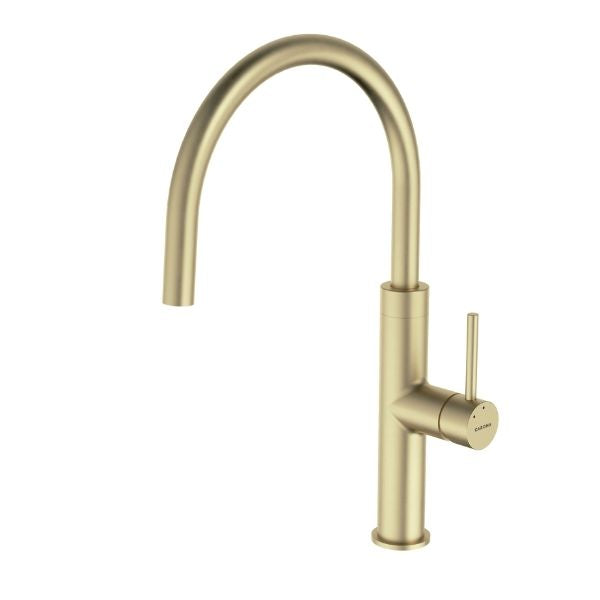
Sold out Caroma Liano II Lead Free Sink Mixer - Brushed Brass
Checking delivery...$723$0 (-0%) offRRP of $723 -
Lifetime Warranty

Sold out Meir Round Piccola Pull Out Kitchen Sink Mixer Tap - Brushed Nickel
Checking delivery...$999$0 (-0%) offRRP of $999 -
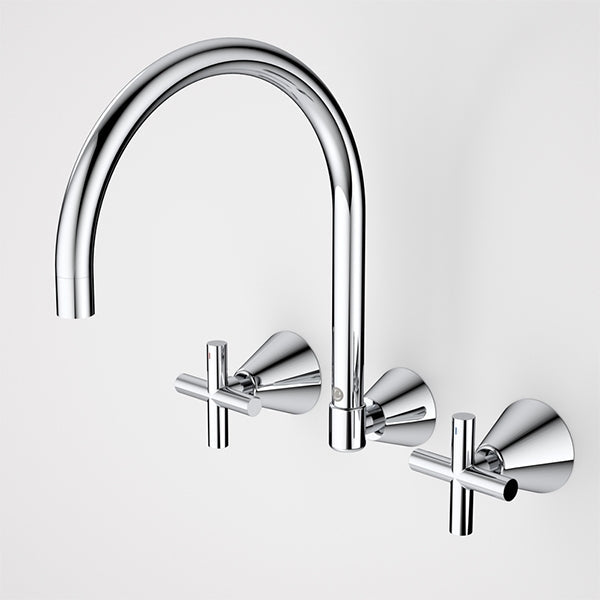
Sold out Caroma Coolibah Classic Cross Lead Free Laundry Tap Set Chrome
Checking delivery...$228$0 (-0%) offRRP of $228 -

Sale On Now!
Up to 70% off across the store, plus free towels and mirrors up for grabs on orders over $800*
-
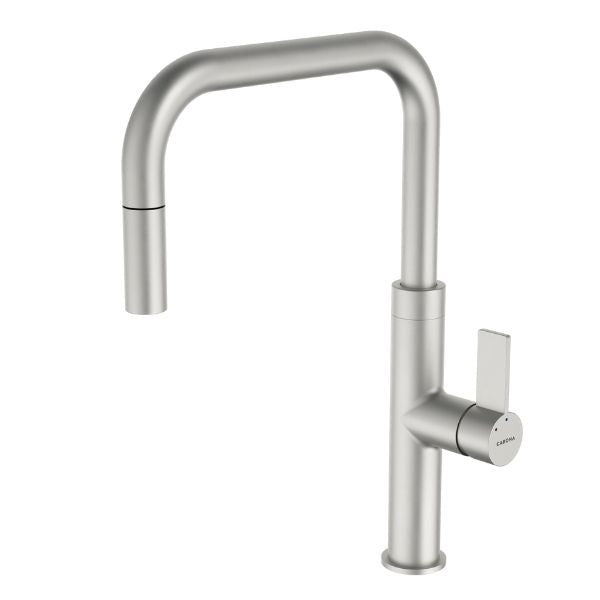
Sold out Caroma Urbane II Lead Free Pull Out Sink Mixer - Brushed Nickel
Checking delivery...$1,036$0 (-0%) offRRP of $1,036 -
In Stock

Sold out Nero X Plus Washing Machine Stops - Matte Black
Checking delivery...$175$0 (-0%) offRRP of $175 -
Lifetime Warranty
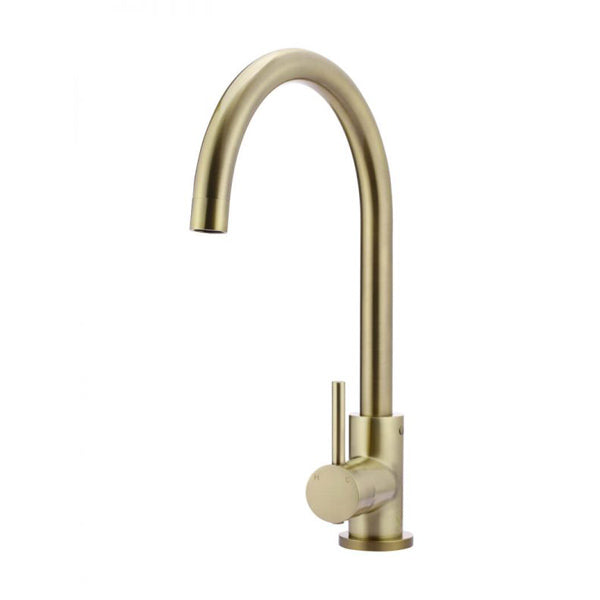
Sold out Meir Round Kitchen Sink Mixer - Tiger Bronze
Checking delivery...$724$0 (-0%) offRRP of $724 -
In StockLifetime Warranty
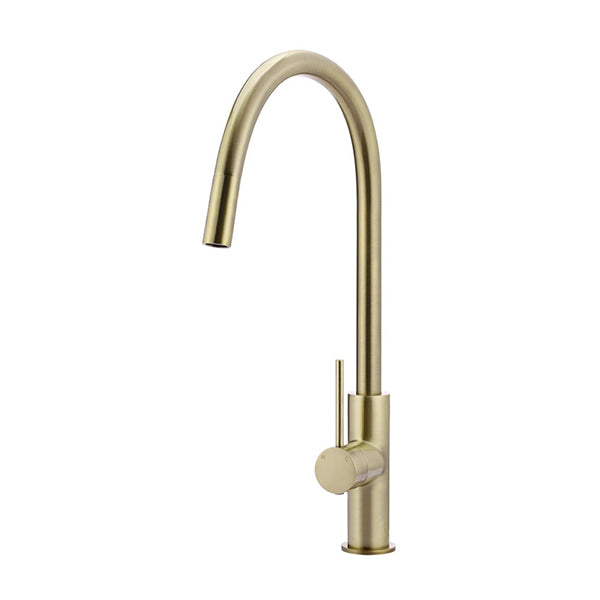
Sold out Meir Round Piccola Pull Out Kitchen Sink Mixer Tap Tiger Bronze Gold
Checking delivery...$999$0 (-0%) offRRP of $999 -
-

Sold out Caroma Luna Lever Lead Free Washing Machine Tap Set Chrome
Checking delivery...$262$0 (-0%) offRRP of $262 -
In StockLifetime Warranty
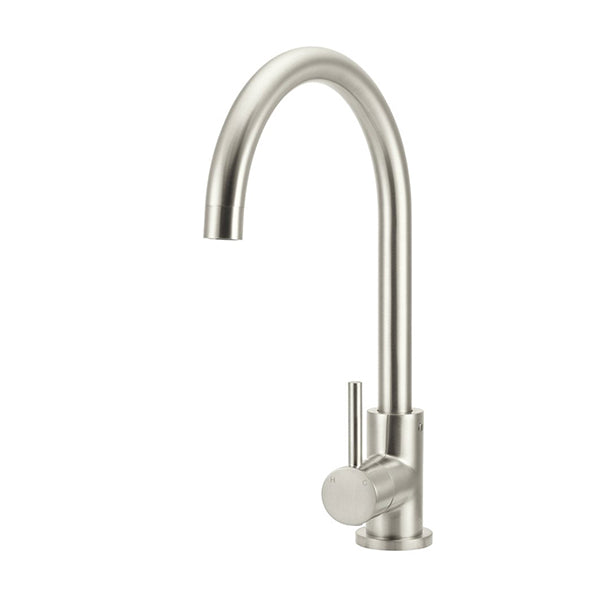
Sold out Meir Round Kitchen Sink Mixer - Brushed Nickel
Checking delivery...$724$0 (-0%) offRRP of $724 -

Sold out Caroma Luna Lever Lead Free Laundry Tap Set Chrome
Checking delivery...$388$0 (-0%) offRRP of $388 -
In Stock
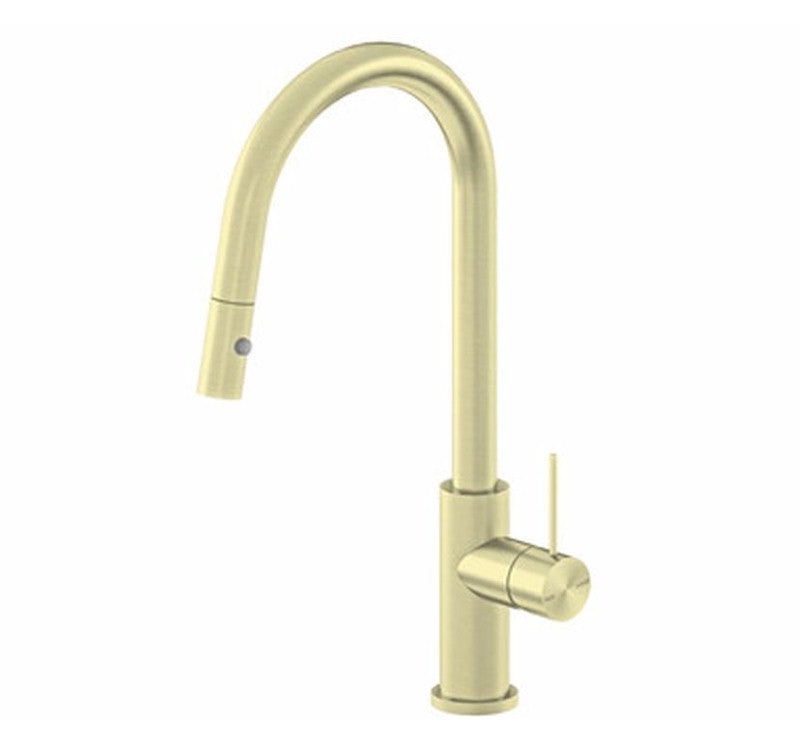
Sold out Nero Mecca Pull Out Sink Mixer With Vegie Spray Brushed Gold
Checking delivery...$875$0 (-0%) offRRP of $875 -
In Stock
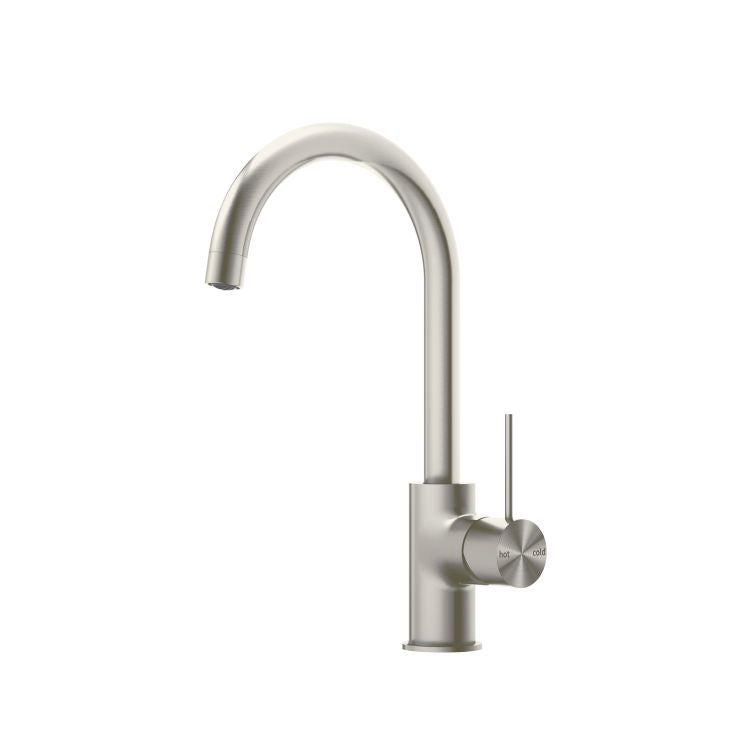
Sold out Nero Mecca Kitchen Mixer Brushed Nickel
Checking delivery...$431$0 (-0%) offRRP of $431 -
-
In StockLifetime Warranty
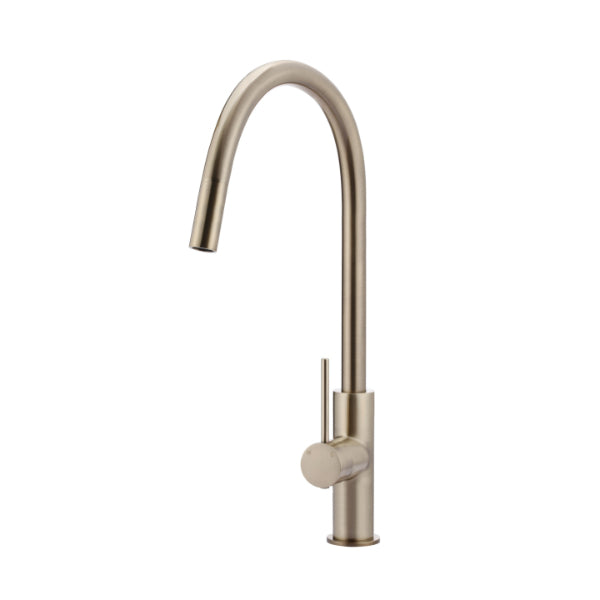
Sold out Meir Round Piccola Pull Out Kitchen Sink Mixer Tap Champagne
Checking delivery...$999$0 (-0%) offRRP of $999 -

Sold out Caroma Luna Lead Free Sink Mixer Chrome
Checking delivery...$400$0 (-0%) offRRP of $400 -
Lifetime Warranty
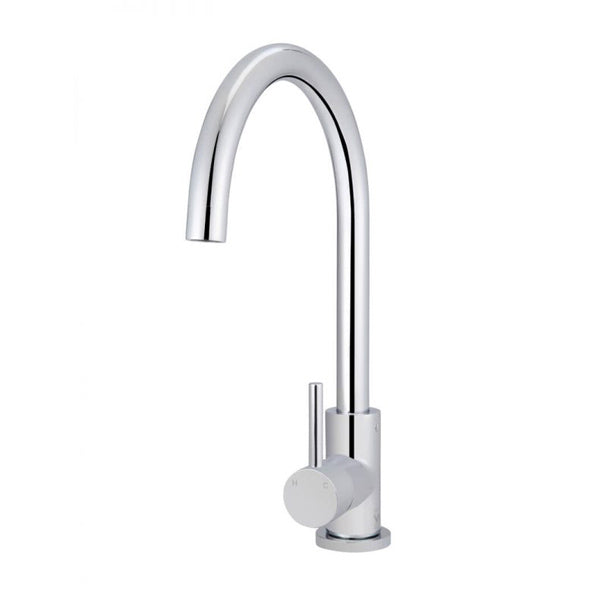
Sold out Meir Round Kitchen Sink Mixer - Chrome
Checking delivery...$411$0 (-0%) offRRP of $411 -
In Stock
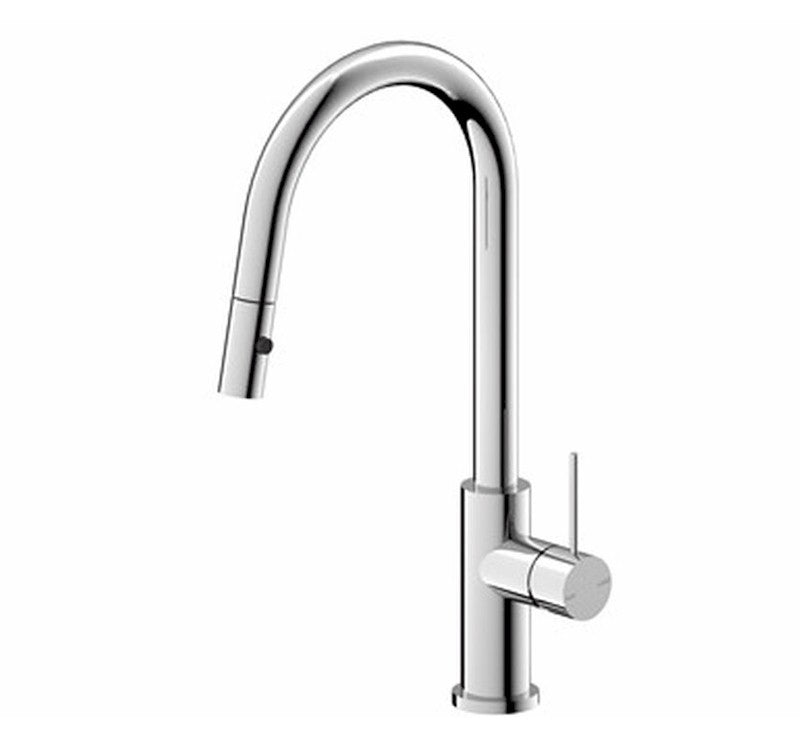
Sold out Nero Mecca Pull Out Sink Mixer With Vegie Spray Chrome
Checking delivery...$525$0 (-0%) offRRP of $525 -
In Stock
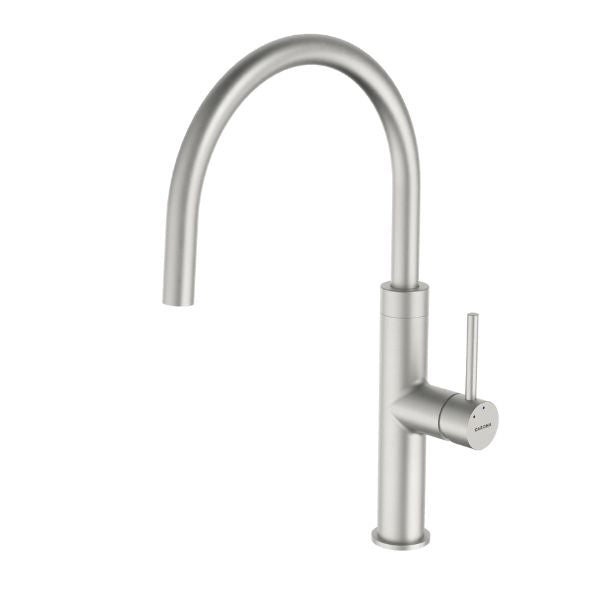
Sold out Caroma Liano II Sink Mixer - Brushed Nickel
Checking delivery...$723$0 (-0%) offRRP of $723 -
In Stock
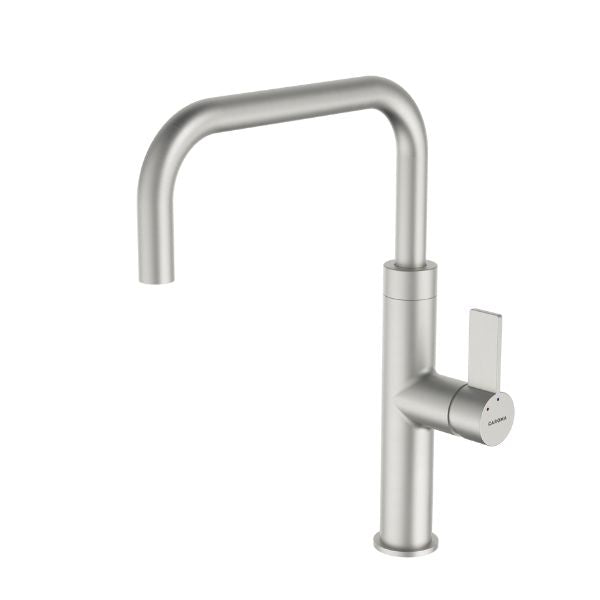
Sold out Caroma Urbane II Lead Free Sink Mixer - Brushed Nickel
Checking delivery...$723$0 (-0%) offRRP of $723 -
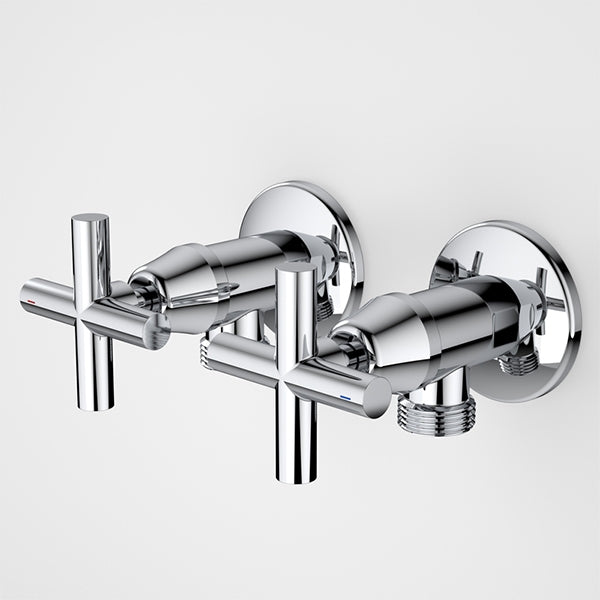
Sold out Caroma Coolibah Classic Cross Lead Free Washing Machine Tap Set Chrome
Checking delivery...$178$0 (-0%) offRRP of $178 -
In StockLifetime Warranty
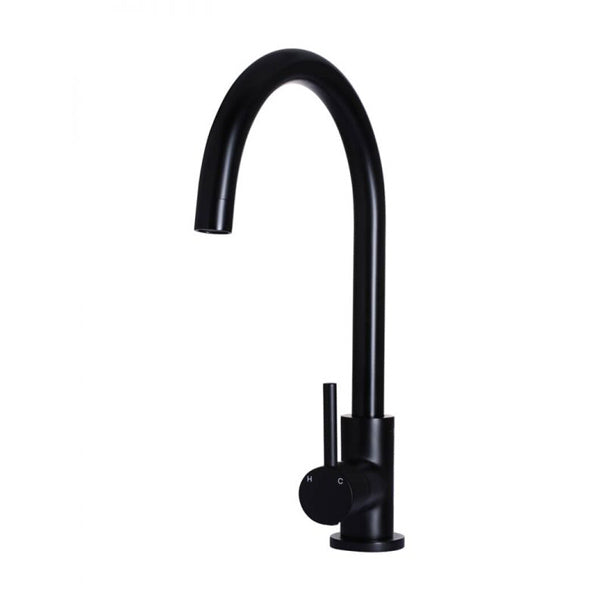
Sold out Meir Round Kitchen Sink Mixer - Black
Checking delivery...$536$0 (-0%) offRRP of $536 -

Sold out Caroma Husk Lead Free Retractable Dual Spray Sink Mixer Chrome
Checking delivery...$309$0 (-0%) offRRP of $309 -
-
In Stock
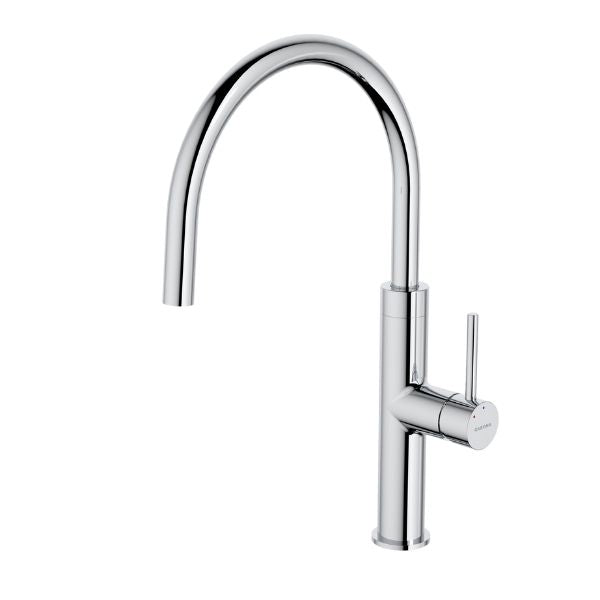
Sold out Caroma Liano II Sink Mixer - Chrome
Checking delivery...$556$0 (-0%) offRRP of $556 -
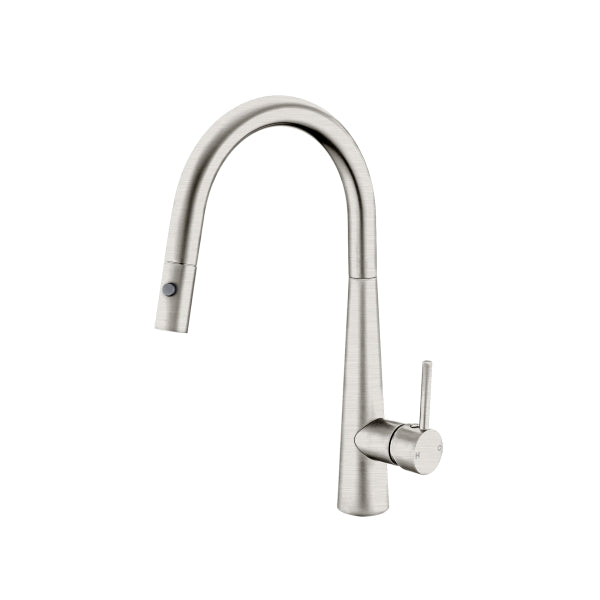
Sold out Nero Dolce Pull Out Sink Mixer With Vegie Spray Function Brushed Nickel
Checking delivery...$753$0 (-0%) offRRP of $753 -
Lifetime Warranty
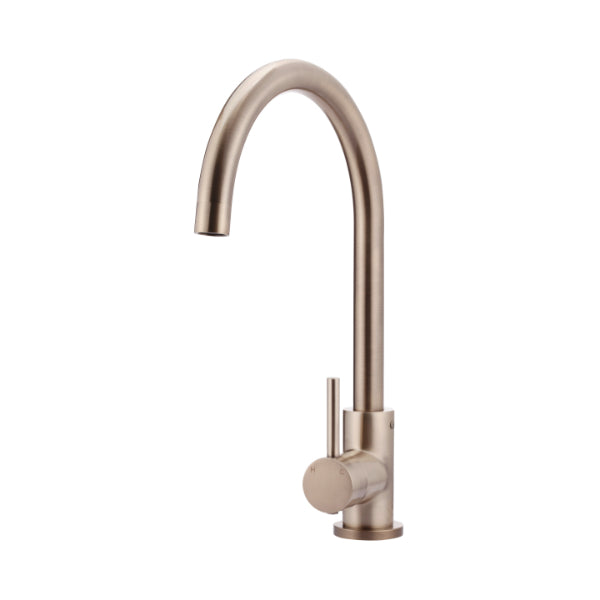
Sold out Meir Round Kitchen Sink Mixer - Champagne
Checking delivery...$724$0 (-0%) offRRP of $724 -
Lifetime Warranty
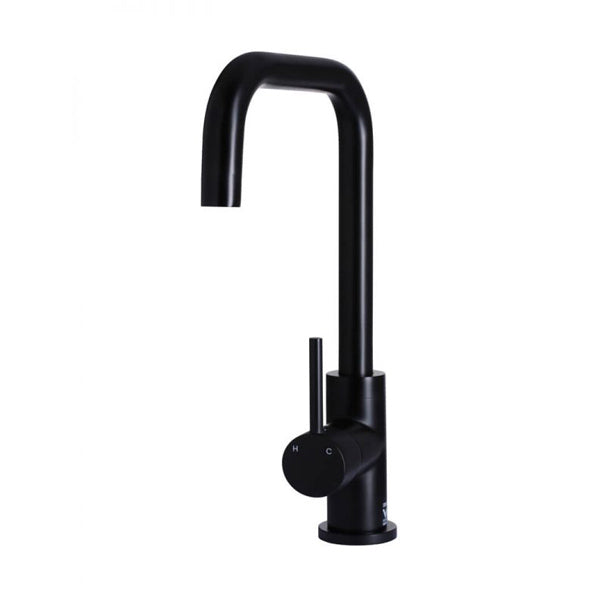
Sold out Meir Round Squareline Kitchen Sink Mixer - Matte Black
Checking delivery...$524$0 (-0%) offRRP of $524 -
In Stock

Sold out Caroma Luna Lever Lead Free Washing Machine Tap Set Black
Checking delivery...$288$0 (-0%) offRRP of $288 -
In Stock
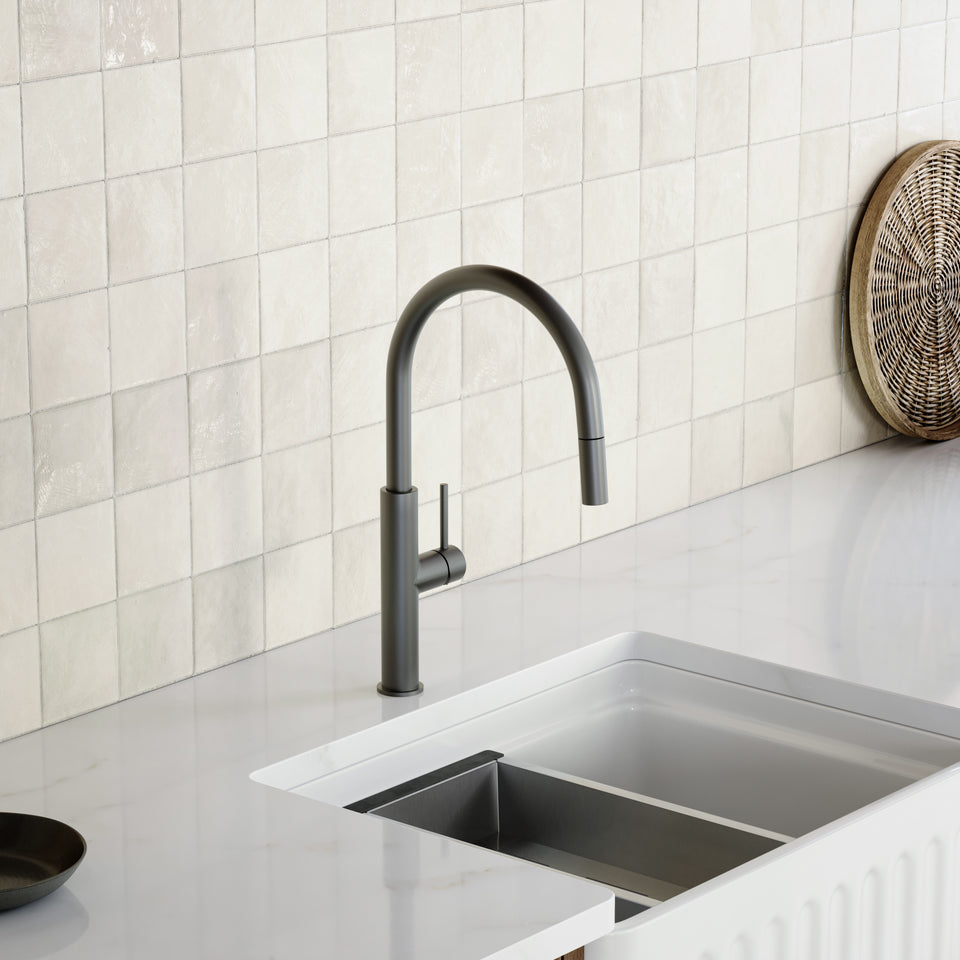
Sold out Caroma Liano II Pull Out Sink Mixer - Gunmetal
Checking delivery...$1,036$0 (-0%) offRRP of $1,036 -
In Stock
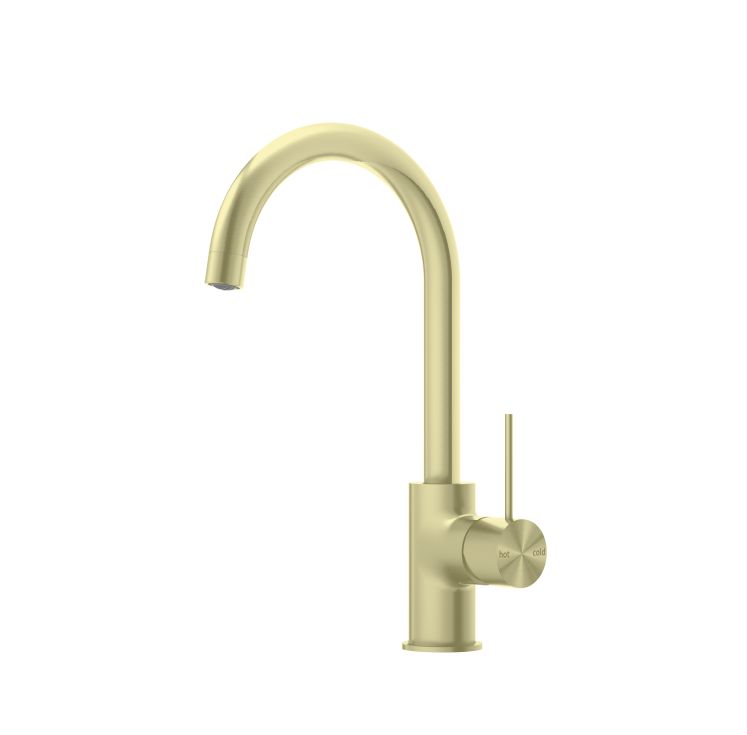
Sold out Nero Mecca Kitchen Mixer Brushed Gold
Checking delivery...$484$0 (-0%) offRRP of $484 -
Lifetime Warranty
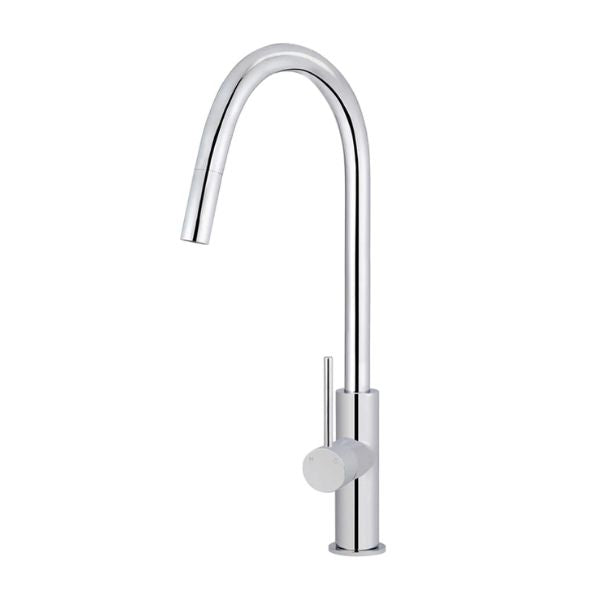
Sold out Meir Round Piccola Pull Out Kitchen Mixer - Chrome
Checking delivery...$724$0 (-0%) offRRP of $724 -

Sold out Nero Mecca Pull Out Sink Mixer With Vegie Spray - Brushed Bronze
Checking delivery...$875$0 (-0%) offRRP of $875 -
Lifetime Warranty
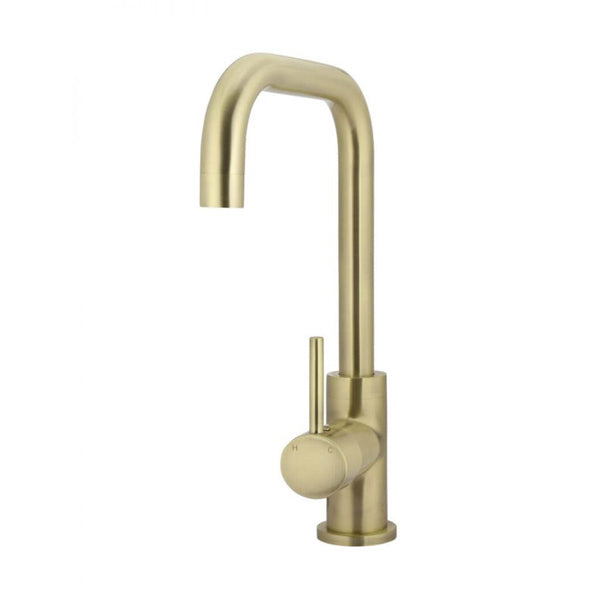
Sold out Meir Round Kitchen Sink Mixer - Tiger Bronze
Checking delivery...$724$0 (-0%) offRRP of $724 -
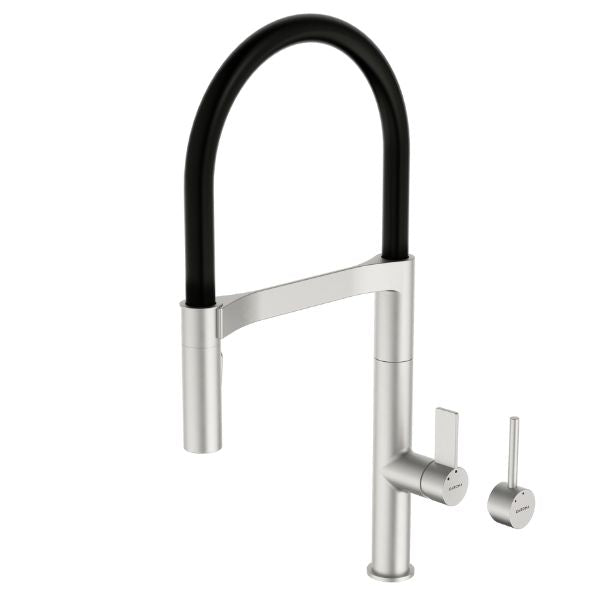
Sold out Caroma Liano II Pull Down Sink Mixer - Brushed Nickel
Checking delivery...$1,259$0 (-0%) offRRP of $1,259 -
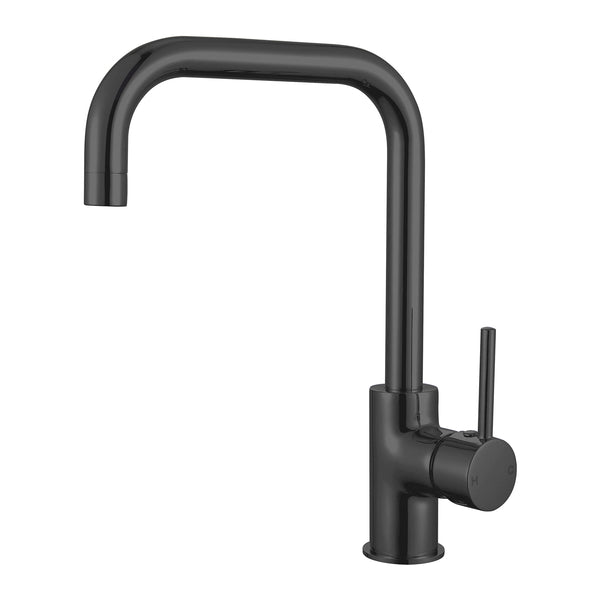
Sold out Nero Dolce Kitchen Mixer Square Shape Matte Black
Checking delivery...$296$0 (-0%) offRRP of $296 -


Laundry taps buying guide
A laundry usually needs two different kinds of tap, and the page you are on holds the first kind and links to the second. The first is the tap over the laundry sink or tub, which is used for hand washing, filling buckets and rinsing. The second is the pair of taps that feed the washing machine. This collection is mostly the first: sink and tub mixers, three piece sets and spouts that suit a laundry, along with a smaller group of washing machine sets. This guide covers which type of tap suits which laundry, how to decide between wall and bench mounting, what to measure, how the washing machine taps differ, and how to look after and repair them.
Laundry sink taps and washing machine taps are different
A typical laundry needs at least two taps: a laundry sink tap and washing machine taps, which serve different functions. The sink taps are the same kind of fitting you would put over a kitchen or bathroom sink. The washing machine taps are a low mounted pair of stop valves, hot and cold, that stays under constant pressure, and they are functional fittings, not decorative taps. Even if the washer only uses cold water, you typically need both hot and cold outlets, and the taps sit under or beside the laundry sink, or in the cavity behind the machine. Buyers often confuse the two, and confusing washing machine taps with sink taps is one of the common ordering mistakes. See washing machine sets for the second kind.
Types of tap for the laundry sink
The choice is about how you use the sink.
- A mixer has one handle that blends hot and cold water. It is compact and easy to use one-handed, which suits a laundry where your hands are wet or occupied. A single lever can be pushed with the back of the hand or the wrist, which also helps anyone with sore hands, fingers or wrists. See sink mixers.
- Separate hot and cold taps have two handles, one per water line. They are traditional, and often the simplest like-for-like swap in an older laundry. A three piece set adds a central spout between the two taps. Separate taps need a plug and manual mixing to reach a usable temperature, so a mixer is generally more convenient.
- A gooseneck mixer has a high arched spout, which gives clearance for tall buckets and bulky items.
- A pull out mixer has a hose inside the spout that draws out, for rinsing corners and oversized items, and many have a push button spray. A pull down mixer arcs the head down from a gooseneck spout and suits tall sinks and deep tubs.
- A wall mounted tap sits in front of the plumbing behind the wall and keeps the bench clear.
- A kitchen tap is the same fitting under a different name: many of the mixers in this collection are sold for both rooms, which is why a laundry can match the kitchen.
The spout shape sets what the tap does. Curved spouts suit large sinks and filling buckets, straight spouts suit compact spaces, and gooseneck and pull out spouts add clearance and reach and reduce splashing on sensitive floors. Choose a tap that is easy to operate with wet or gloved hands, and chrome and stainless are the most practical and least fussy to maintain.
Wall mounted or bench mounted
Mounting type is dictated by your existing plumbing, not by style. Wall mounted and bench mounted taps are not interchangeable without plumbing work, and switching from separate taps to a mixer can change the number of mounting holes or the plumbing layout. Wall mounted taps are the most common setup in older laundries.
What to measure before you order
There is no standard laundry tap size, so measure your existing setup, or keep the old tap to compare. Take these measurements:
- Tap height, meaning the clearance above the tub, so a bucket fits underneath.
- Spout reach, which decides where the water lands in the sink.
- Mounting hole size, so the tap fits the bench or sink. Most standard Australian basin mixers need a single 35mm hole, and many laundry mixers follow it.
- Connection size, which has to match your water supply fittings.
- Centre to centre distance, for separate hot and cold sets to line up. The typical wall pipe centres are 150mm.
Match the spout height to the sink depth. A taller spout gives bucket clearance, but on a shallow sink it causes more splash. Check the water pressure too, especially for pull out and flexible hose spouts. For a tap under an overhead cabinet, check the height clearance, and for a large laundry tub choose a longer reach from base to spout. Each mixer shows its spout reach and height to spout, and reaches of around 200mm are common on the sink mixers, so compare the figures on the product pages.
Cartridge and body
We recommend a solid brass body and a ceramic disc cartridge, and for a fitting used every day check the body material, the cartridge type and whether replacement parts are available. A ceramic disc cartridge uses two ceramic plates that slide over each other to control flow and temperature, and it needs the least maintenance of the washerless mechanisms. A compression tap squeezes a rubber washer against a metal seat, and the washer wears out. Most mixers on this page have a 25mm or 35mm ceramic disc cartridge, with lead-free brass, DZR brass or stainless steel as the construction. See stainless steel tapware and lead-free taps.
Washing machine taps
Washing machine taps are the stop valves that the machine's hoses connect to. They are built for secure appliance connection and quick shut-off. Their thread is not the same as a sink tap's. One washing machine tap has a standard 3/4 inch BSP thread and suits most washing machine and appliance hoses, but check the thread on your hoses before you buy. Check that low mounted taps will not obstruct the machine, and check the projection depth for taps behind appliances or cabinets.
Washing machine taps come in two operating styles. Some use a quarter turn ceramic disc spindle that moves from off to full in a short arc, which is easier when you are shutting the water off behind a machine. Others use a jumper valve, which has a washer that eventually wears. A care version of one range has extended lever handles with hot and cold indicators, designed for users with limited hand mobility. Washing machine taps do not require a WELS rating under AS/NZS 6400, although the machine itself must carry a WELS rating. Check whether the pair is sold as two taps or as separate hot and cold taps, and whether an installation kit is included in the box.
Finishes
Chrome is the safest, most coordinated option and the easiest to match, and stainless steel suits a stainless tub and is low maintenance. Matte black is a contemporary look and forgiving of fingerprints and water marks. Brushed nickel and other brushed finishes are softer and less reflective than chrome, and useful for coordinating across rooms. The finish name is only part of the story. Brushed nickel, brushed gold, brushed bronze, brushed brass and gun metal are mostly PVD, and chrome, matte black and champagne are electroplated. A tap's finish after five years depends on the plating process, so check the finish process on the product page. See chrome taps, black taps, brushed nickel tapware, gold taps and gunmetal tapware.
Water efficiency
WELS rates tapware on a six star scale, and more stars means lower water use. The star rating and the flow rate in litres a minute must be displayed. Choose the highest WELS rating that is practical for kitchen and laundry taps. Use the rating as a screening tool, because it does not tell you whether the tap suits your sink, your pressure or your daily use. Check the rating on each individual product.
When a laundry tap drips or leaks
Two faults account for most problems. A dripping tap usually points to a faulty washer on the jumper valve, and a tap that leaks while the machine is running usually points to the O-ring, the rubber ring sitting on the tap. Both are fairly easy repairs: take the tap apart and replace the washer or the O-ring. Cleaning or replacing the machine's own inlet valve is more complex. Left alone, a leak can pool behind the machine, under cupboards and along the skirting, causing rot and mould, and pressure on a worn hose can lead to a flood, so fix a drip early. If the pipes bang when a tap is shut off, the cause is water hammer, a shock in the pipe when the water velocity changes suddenly. Pressure, flow and loose pipe support all contribute, so ask a plumber to look at the pipe support and the pressure.
Looking after laundry taps
Keep the routine simple: clean periodically with mild soap or detergent and a soft cloth such as microfibre or cotton, and avoid abrasive cleaners, harsh chemicals and abrasive pads, which damage finishes. In hard water areas a water softener limits mineral build-up, and a cloth dampened with equal parts water and white vinegar lifts stubborn deposits. Some finishes should not be cleaned with vinegar, so check the care guidance for yours first. Polish occasionally with a polish suited to the finish, such as chrome polish for chrome. Dry the tap after use to prevent water spots. A washing machine stop does not need to be turned off routinely, only before a long absence.
Complete the laundry
The tap is only one part of the room. See laundry sinks, laundry tubs and cabinets and small laundry solutions, and the full taps collection for other rooms.

