


Gun Metal Door Handles and Hardware
16 Items
-
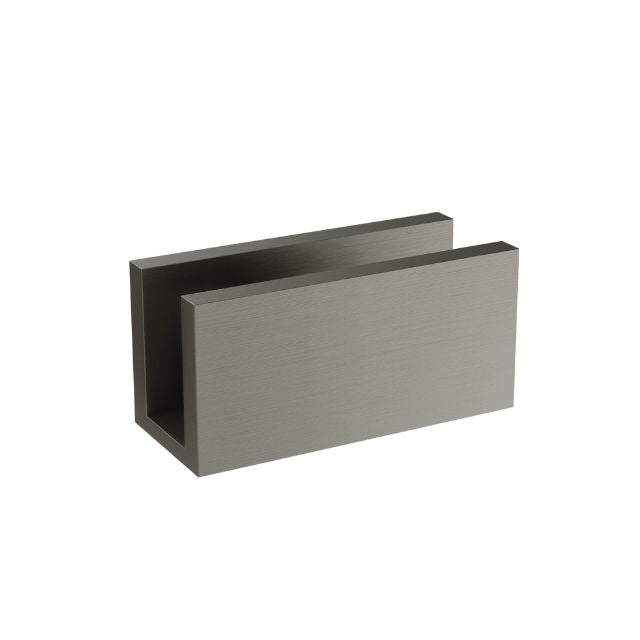
Sold out Meir Glass Fixing U Bracket Shadow
Checking delivery...$49 -

Sold out Nidus Knurled Domici Privacy Door Handle Set Gun Metal Grey
Checking delivery...$142 -
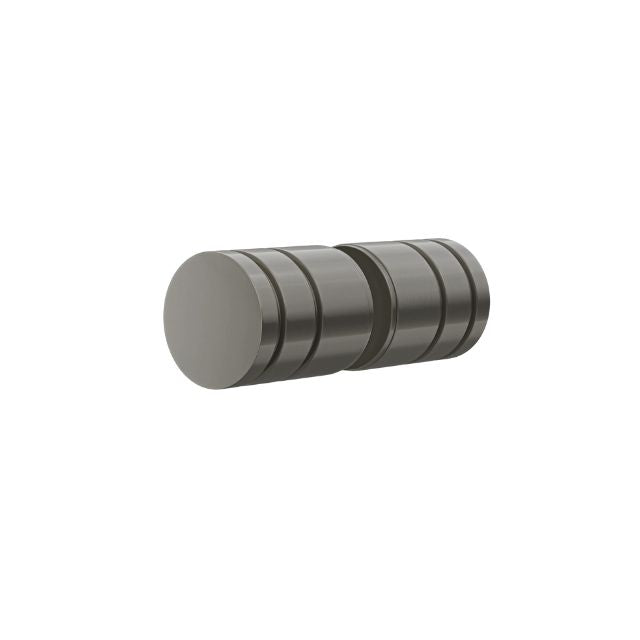
Sold out Meir Shower Door Round Handle Shadow
Checking delivery...$74 -
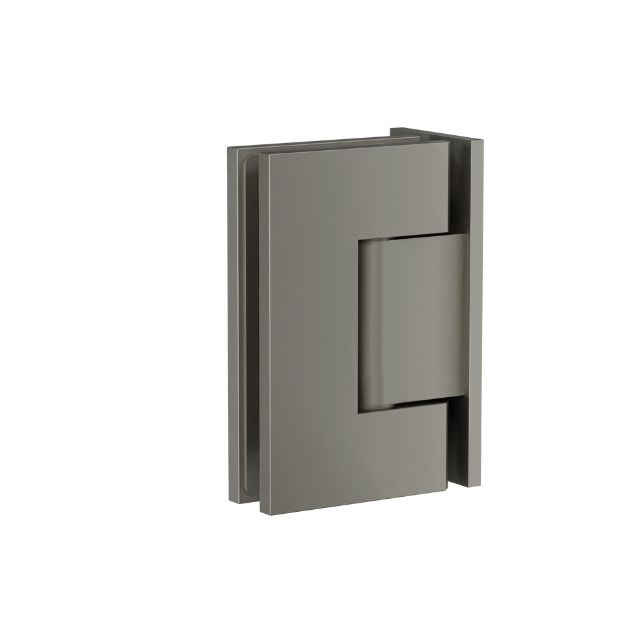
Sold out Meir Glass to Wall Shower Door Hinge Shadow
Checking delivery...$224 -

Sold out Nero Shower U-Shaped Bracket 10mm Glass Gun Metal
Checking delivery...$54 -

Sale On Now!
Up to 70% off across the store, plus free towels and mirrors up for grabs on orders over $800*
-

Sold out Nero 180 Degree Glass to Glass Shower Hinge 10mm Glass Gun Metal
Checking delivery...$296 -

Sold out Nero 90 Degree Glass to Wall Bracket 10mm Glass Gun Metal
Checking delivery...$121 -

Sold out Nidus Knurled Domici Passage Handle Gun Metal Grey
Checking delivery...$108 -
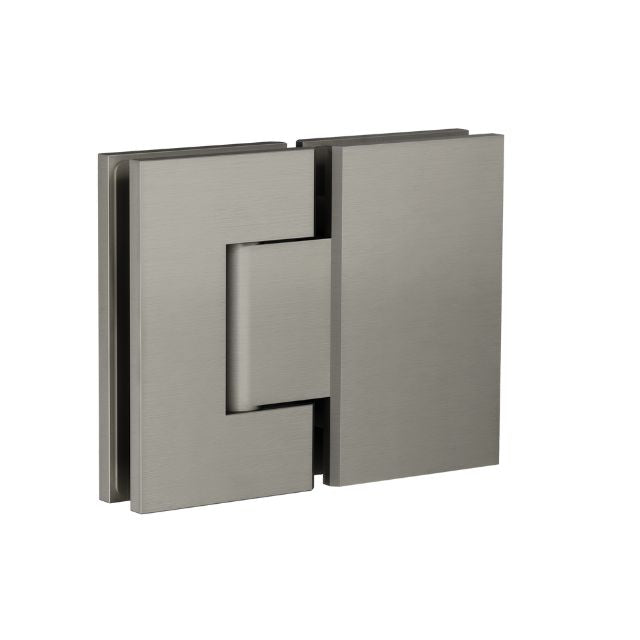
Sold out Meir Glass To Glass Shower Door Hinge Gun Metal
Checking delivery...$274 -

-

Sold out Nidus Wall Mounted Door Stop Gun Metal Grey
Checking delivery...$18 -

Sold out Nero Shower Towel Bar 500mm Gun Metal
Checking delivery...$309 -

Sold out Nero Shower F-Shaped Bracket 10mm Glass Gun Metal
Checking delivery...$81 -

Sold out Nero Over Panel Glass to Glass Fitting 10mm Gun Metal
Checking delivery...$54 -

Sold out Nero 90 Degree Glass to Wall Shower Hinge 10mm Glass Gun Metal
Checking delivery...$209 -
-

Sold out Nidus Tubular Latch Gun Metal Grey
Checking delivery...$18 -

Sold out Nero Square Shower Knob Handle Gun Metal
Checking delivery...$283


Gunmetal door handles buying guide
Gunmetal is a dark, cool grey that sits between brushed nickel and matte black. It is a colour name, not a metal, and makers use different names for it: Graphite Nickel, Graphite Grey, Gun Metal Grey, satin gunmetal and Shadow all describe a dark grey metallic finish. This collection holds gunmetal levers, knobs, entrance sets, sliding door sets, pulls, hinges, stops and hooks, plus glass hardware for showers. This guide sets out what the finish is, how it is made, how it compares with black and nickel, which numbers decide fit and how to care for it. For the wider range, see door handles, interior door handles and door hardware.
What gunmetal is
Brushed gunmetal is a dark grey, cool-toned metallic finish, moodier than brushed nickel, and it sits between brushed nickel, which is lighter, and matte black, which is darker. It is a sleek alternative to polished black. The finish sold as Graphite Nickel is also known as Matt Bronze and Gunmetal Grey, which shows how loosely the names are used. Treat the name as a guide to the colour and read the finish on each product page for the rest.
How gunmetal is made
The surface can be made in three ways, and which. PVD is a vacuum process in which a metal is vaporised and deposited on the handle, giving a hard, corrosion resistant coating that generally cannot be repaired in place. Powder coating is dry powder sprayed on and baked, which can be any colour but reads as coloured material and can chip, although it can be recoated. Electroplating is a third method, and electroplated gunmetal can be treated to resist patina and oxidation.
The collection shows all of these builds. The Lockwood Vivid levers, flush pull, edge pull, cavity slider and stops are 304 stainless steel with a PVD satin gunmetal finish. The Zanda Epic and Oxford levers are stainless steel in Graphite Nickel, the Zanda Duke flush pull kit is electroplated zinc alloy, the Zanda Visca cavity sets are solid brass, and the Zanda Verve flush pull is 316 grade stainless steel. The Lane Oxford sets are zinc alloy in Gun Metal Grey, and the Lane flush pull is 304 stainless steel. The Nidus Spring sets are zinc alloy in Graphite Grey. The Meir shower hardware in shadow gunmetal is brass with a PVD finish.
Gunmetal, matte black or brushed nickel
The three finishes suit different rooms. Gunmetal is the choice for bold, contemporary looks, suited to whites, greys and deep blues, and it contrasts well with warm woods, while brushed nickel is lighter and softer. Gunmetal looks good against warm timber, white walls and concrete. Matte black is the darkest of the three, and brushed nickel the lightest. If you want a dark handle with less contrast than black, gunmetal is the middle choice. See matte black door handles, brushed nickel door handles, chrome door handles and stainless steel door handles.
Choose the function first
Choose by what the door does. A passage set has a latch and no lock, for connecting doors. A privacy set locks from inside for bathrooms and bedrooms. A dummy handle only pushes or pulls, for cupboards and wardrobes. An entrance set pairs a lever or knob with a key lock. The collection covers each. See passage door handles, privacy door levers, dummy door handles, door knobs, exterior door levers and entry door lock sets. The Yale Luna Pro smart push and pull mortice lock comes in graphite for doors 35 to 100mm thick on a 60mm backset; see smart door locks.
Levers and entrance sets, with fit numbers
The Lockwood Vivid levers are 304 stainless steel on a 54mm rose and suit hinged doors 32 to 45mm thick. The V2 lever is 140mm long, the V3 is 130mm long with a 57mm projection and 47mm finger clearance, and the V4 is 130mm long with a 69mm projection and 49mm clearance. The Lane Oxford passage and privacy sets list a 60mm backset and a latch and strike plate in the box. The Nidus Spring sets are round, 128mm long with a 60mm projection, and suit doors 34 to 45mm thick on a 60mm backset, with entry and deadbolt combinations. The Zanda Kent Knox multifunction entrance set uses a Euro mortice lock on a 60mm backset. Measure your door, the hole and the backset, and match them to the product page. See Lockwood door levers, Lane door levers, Nidus door hardware and Zanda door hardware.
Sliding doors, pulls and flush pulls
Sliding doors need a flush pull. The Lockwood Vivid cavity slider is 63mm across with a 54mm prep hole and a 0.8mm projection off the door, for doors 32 to 45mm thick, and the Vivid flush pull is 150 by 50mm with a 105 by 22mm prep hole. The Zanda Verve flush pull is 300mm long in 316 stainless steel, the Zanda Visca cavity sets are solid brass, and the Zanda Duke flush pull kit is 120 by 40mm. The Lane rectangle flush pull is 120mm in 304 stainless steel, and the Lane cavity slider is a square set. The Nidus round cavity sets suit doors 32 to 47mm thick and include an end pull. See sliding door handles, flush pulls and pull handles.
Hinges, stops and hooks
Carry the finish across hinges, stops and latches. The collection includes the Zanda lift off hinge at 100 by 75 by 2.5mm in stainless steel and the Zanda magnetic door stop. The range includes the Lockwood Vivid half moon and wall mounted stops in 304 stainless steel, the Lane bullet door stop at 75mm, the Nidus wall mounted door stop and the Momo Handles 85mm door stop. See hinges and door stops. For hooks in the bathroom, see single robe hooks.
Shower door hardware in gunmetal
The collection also holds glass hardware for showers. The Nero gun metal brackets and 180 degree glass to glass hinge are brass with a PVD finish for 10mm glass. The Meir shadow gunmetal handle, brackets and glass to wall hinge are brass with a PVD finish. The Caroma gunmetal bracket and hinge are stainless steel with PVD for glass 8 to 12mm thick. These pieces suit a bathroom with gunmetal tapware, not the interior doors. See shower screen hardware and gunmetal bathroom accessories.
What each set includes
Read the box contents, because the parts differ by range. The Lane Oxford passage and privacy sets list two lever sets, the latch, the strike plate and all fixings. The Zanda Epic and Oxford sets list two levers and the 1131 latch, and the Oxford privacy set includes an integrated privacy kit. The Lockwood Vivid passage and privacy sets list two handles, the latch, the strike plate, fixing screws and spindles, and its dummy sets list one handle, so a door that needs one on each face needs two. The Nidus Knurled Domici includes a latch, and Nidus sells a graphite grey tubular latch as a separate item, so confirm whether the latch is in the set you choose.
Graphite Nickel across a door
Graphite Nickel is available across the Zanda range, including door and pull handles, sliding door flush pulls, locks, cabinet handles and accessories, so a door can be matched in one finish. The spread in this collection: Epic, Oxford, Baxter, Kent and Duke levers, the Visca and Verve sliding sets, hinges and stops. If you buy from one range, the finish is consistent from the handle to the hinge. See Zanda door hardware.
Lockwood Vivid in satin gunmetal
The Lockwood Vivid products offer the finish in satin gunmetal on 304 stainless steel with a PVD coating, alongside satin brass and bronze. Gunmetal is a popular and versatile choice, suited to any decor style from modern to heritage. The series spans four levers on a 54mm rose, flush pulls, an edge pull, cavity sliders, a 100 by 75 by 2.5mm hinge and two door stops, so a whole door can be fitted from one range. See Lockwood door levers.
Pairing gunmetal with the rest of the room
Gunmetal pairs well with a few things. Gunmetal suits light or timber vanities and stone basins, and carrying the finish across tapware, sinks and door hardware gives a unified look. Gunmetal suits whites, greys and deep blues, and contrasts well with warm woods. Timber, white walls and concrete also work. For cabinet handles in the same finish, see gunmetal grey cabinet handles.
Fingerprints and marks
A brushed or satin gunmetal surface helps. A brushed gunmetal door handle masks fingerprints, though light marks can still appear with frequent handling. Fingerprint hiding on gunmetal is modest, so do not choose it for that reason alone. Where a door is touched all day, choose a brushed or satin surface over a smooth one.
Care
Care follows the construction. Clean gunmetal with a soft cloth and warm soapy water, and avoid abrasive cleaners and harsh chemicals, which can damage the finish. Avoid chloride-based cleaners and strong acids on PVD finishes, and solvents such as acetone on powder coating. Dry surfaces after use to reduce watermarks, and keep a regular cleaning routine in coastal or high-moisture areas. If a powder coat chips, it can be recoated, but a PVD finish generally has to be replaced.
Match the finish across the house
Makers use different names and slightly different tones, so the safest match is one maker's range. Finish names are not standardised, and staying within one maker's range makes matching easier. Compare a physical sample against the door, the wall colour and your lighting. Some product pages in this collection carry other finish names, so read the finish name on each product page before you buy.
Common mistakes
These are the mistakes to avoid. The first is treating gunmetal as one finish when the names and the construction differ by maker. The second is cleaning with abrasives or strong chemicals. The third is mixing gunmetal from two makers on one door and finding a tone difference. The fourth is ordering a single dummy handle when a door needs one on each face. The fifth is choosing shower hardware and door handles as if they were one range. Each is avoided by reading the finish line and testing a sample.
Our recommendation
Choose gunmetal when you want a dark handle that is softer than matte black. Read the finish line for PVD, plating or powder coat, match the function to the door, and measure the thickness, the hole and the backset. Take the whole door from one range, clean it with a soft cloth and warm soapy water, and keep the hinges and stops in the same finish. That order avoids the common mistakes: a name taken as a specification, two greys that do not match, and a cleaner that cuts the finish.
Questions about gunmetal door hardware
Is gunmetal grey or black?
It is a dark, cool grey. Gunmetal sits between brushed nickel, which is lighter, and matte black, which is darker. It shifts with the light, so judge a sample in the room where it will sit. Makers use different names for much the same colour: one its graphite nickel is also called matt bronze and gunmetal grey.
Does gunmetal scratch or tarnish?
That depends on how the finish is made, not on the colour name. PVD is a vacuum metal coating that is harder and generally cannot be repaired. Powder coat is sprayed and baked on, can chip and can be recoated. The spec line shows which process applies, so read it before you buy. The Lockwood Vivid gunmetal is 304 stainless steel with a PVD finish, Zanda's graphite nickel finish is electroplated on stainless steel or zinc alloy, depending on the set, and the Nero shower hardware in gunmetal is PVD on brass.
Is gunmetal hard to clean?
No. Wipe with a soft cloth and warm soapy water, avoid abrasives and harsh chemicals, and dry after use. In coastal areas, keep a regular cleaning routine. A brushed or satin texture masks fingerprints, though light marks can still show on a door that is handled often.
What goes with gunmetal?
Gunmetal pairs with warm timber, white walls and concrete, with whites, greys and deep blues, and with timber vanities and stone. Carry the finish across the hinges, stops and latches so the door reads as one set.
Gunmetal across the functions
The finish is offered across the functions. The range includes passage, privacy, dummy and entrance sets, such as the Zanda Kent Knox and the Nidus Spring entry and deadbolt, and cavity sliding sets from Lockwood, Lane, Zanda and Nidus. There are also flush pulls and pull handles, robe hooks, door stops and hinges. The shower hardware in gunmetal includes Nero PVD brass brackets and hinges for 10mm glass, the Meir shadow PVD brass round handle and hinge, and the Caroma PVD stainless steel U bracket and hinge for 8 to 12mm glass.
Fit numbers
The Lockwood Vivid levers suit 32 to 45mm doors on a 54mm rose, with lever lengths from 127 to 140mm. The Nidus Spring suits 34 to 45mm doors with a 60mm backset and a 128mm lever, and the Lane Oxford suits 33 to 45mm doors with a 60mm backset. The Yale Luna push and pull mortice lock suits doors from 35 to 100mm. Measure the door across the edge, and measure the backset from the door edge to the centre of the hole, not across the hole itself.
The gunmetal range on this page spans Nidus Knurled Domici, Zanda Zurich fluted and Zanda Duke sliding and flush pulls, TradCo Victorian, Menton and Milton levers, Nero 90 degree pieces and the Lockwood Vivid V1 to V4 levers. Because the names differ between makers, put the range name and the finish line from each product page on your order list, so levers, pulls and stops land in the same tone. Zanda sells the same finish under the name Graphite Nickel, so a Zanda hinge or door stop under that name will sit beside a Zanda gunmetal handle.
Checking the fit before you order
A gunmetal finish does not change the fit numbers, so check each product page. Door thickness is 35 to 60mm on the TradCo sets, 35 to 53mm on many Zanda sets, and 32 to 45mm on the Lockwood Vivid. Backset is 60mm on most, with 57mm on some and 70mm on a few. Most modern hardware needs a 54mm hole. If the backset is inaccurate, the latch may not reach the strike plate and the door will not close properly, so measure before you choose the set and not after it arrives. Keep the old hardware until the new set is on the door, so you can compare the two.
Gunmetal sits between nickel and black, which makes it forgiving, but it still needs a plan. Choose whether gunmetal is the main metal in the room or an accent, then keep the other metals to a minimum. Check the tapware and any light fittings nearby, since gunmetal against bright chrome can look like a mismatch while gunmetal against black or brushed nickel usually looks planned. Wipe with a soft damp cloth and dry it, and keep abrasive pads away from the finish.

