


Double Shower Heads
109 Items
-
In Stock

Sold out Caroma Urbane II Rail Shower 300mm Overhead Brushed Nickel
Checking delivery...$1,543$0 (-0%) offRRP of $1,543 -
In StockDesigner Look
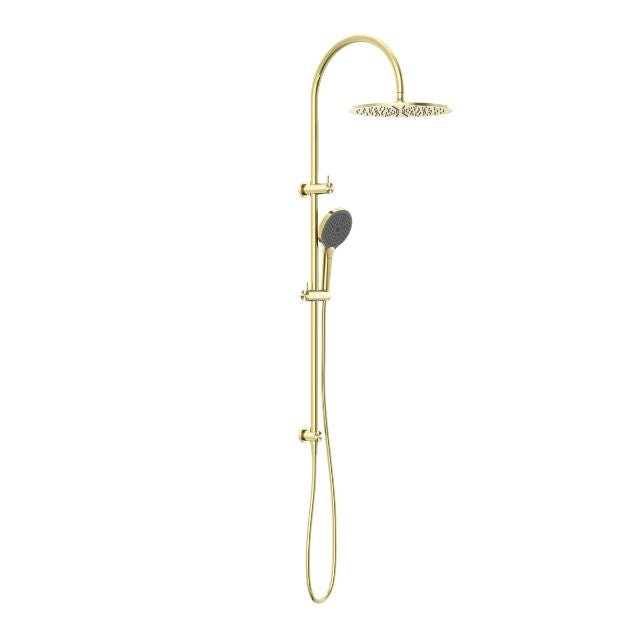
Sold out Popular Choice Nero Mecca Twin Shower With Air Shower II Brushed Gold
Checking delivery...$1,991$0 (-0%) offRRP of $1,991 -
In StockLifetime Warranty
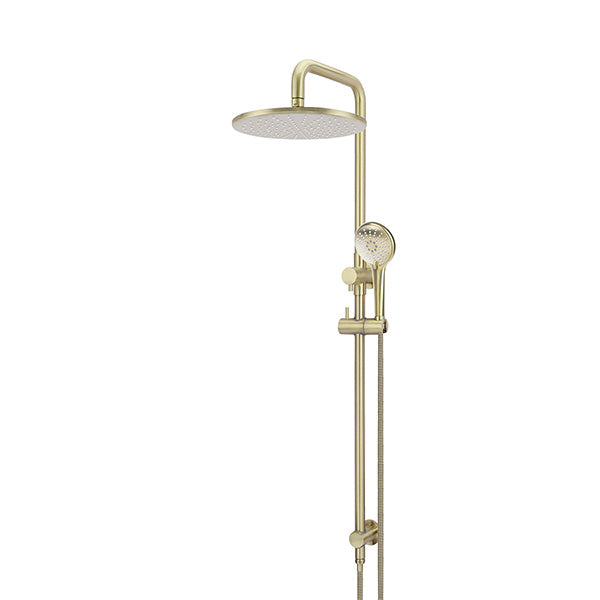
Sold out Meir Round Combination Shower Rail 300mm, 3 Function Hand Shower Tiger Bronze
Checking delivery...$1,999$0 (-0%) offRRP of $1,999 -

Sold out Caroma Urbane II Rail Shower 300mm Overhead Brushed Brass
Checking delivery...$1,543$0 (-0%) offRRP of $1,543 -

Sold out Caroma Urbane II Rail Shower 300mm Overhead Chrome
Checking delivery...$1,187$0 (-0%) offRRP of $1,187 -
Free Gifts!
Spend over $800 and receive free gifts in your cart. Towels, accessories and full length mirrors!
-
In Stock
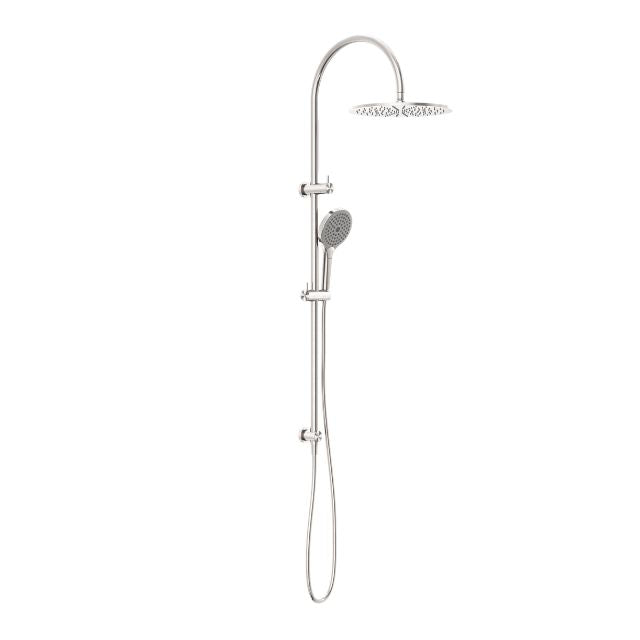
Sold out Nero Mecca Twin Shower With Air Shower II - Brushed Nickel
Checking delivery...$1,749$0 (-0%) offRRP of $1,749 -
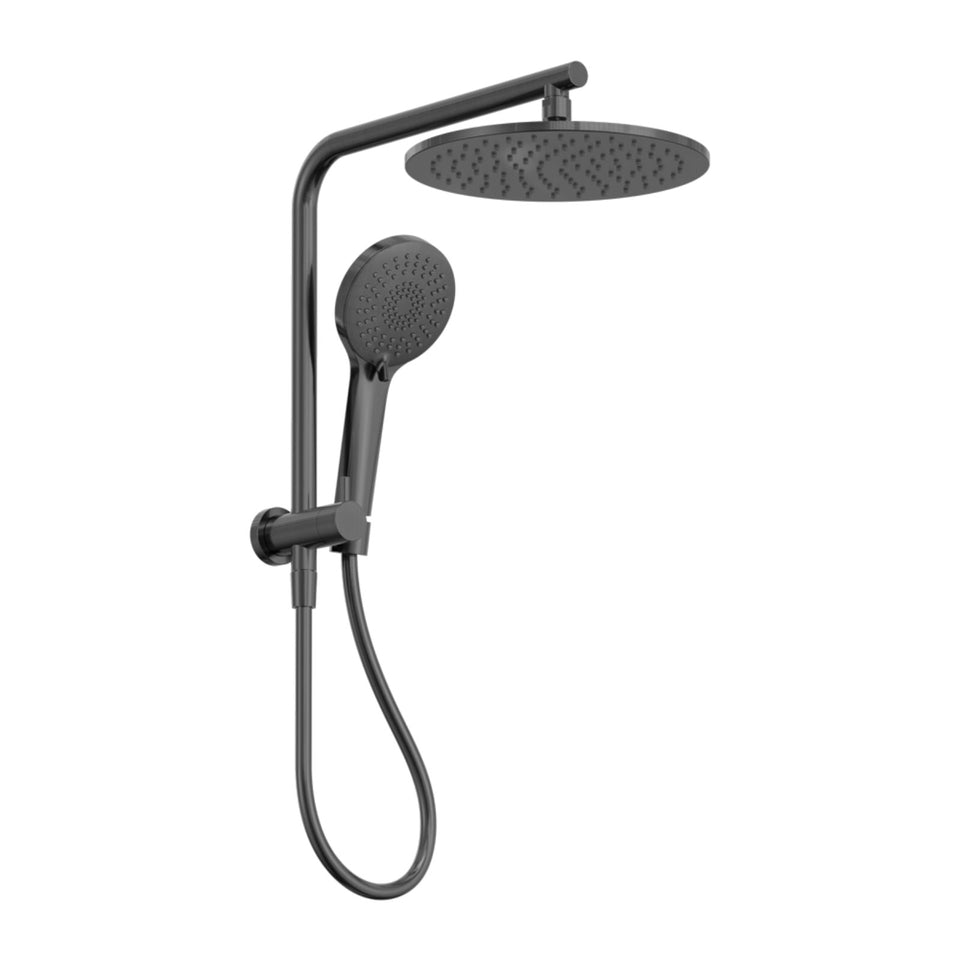
Sold out Nero Mecca 2 in 1 Twin Shower Gun Metal
Checking delivery...$818$274 (-25%) OFFRRP of $1,092$274 (-25%) offRRP of $1,092 -
In StockLifetime WarrantyFamily Friendly
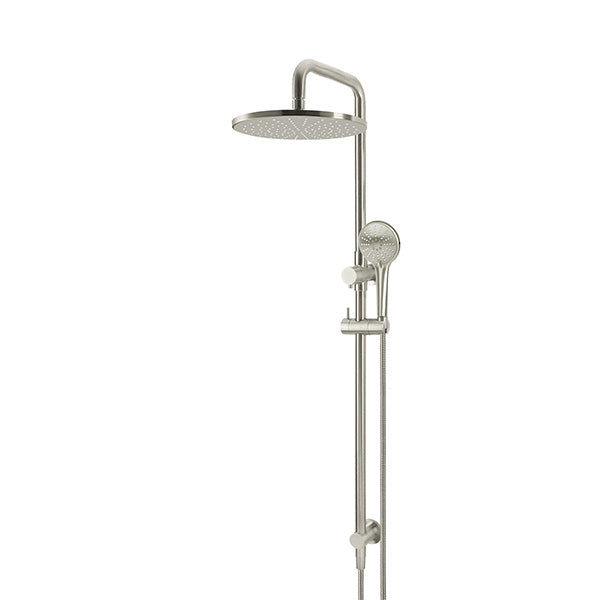
Sold out Meir Round Combination Shower Rail 300mm, 3 Function Hand Shower Brushed Nickel
Checking delivery...$1,999$0 (-0%) offRRP of $1,999 -
Coastal Rated
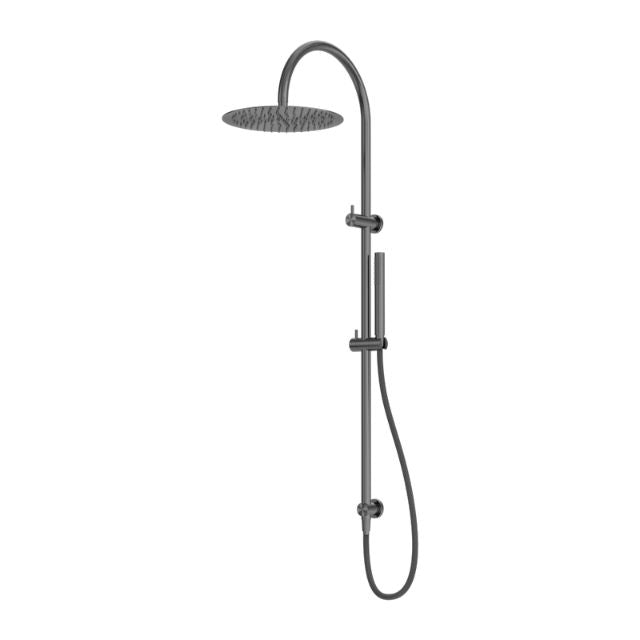
Sold out Nero Zen SS316L Twin Shower With Outdoor Shower Hose Graphite
Checking delivery...$2,153$0 (-0%) offRRP of $2,153 -
-
Coastal Rated
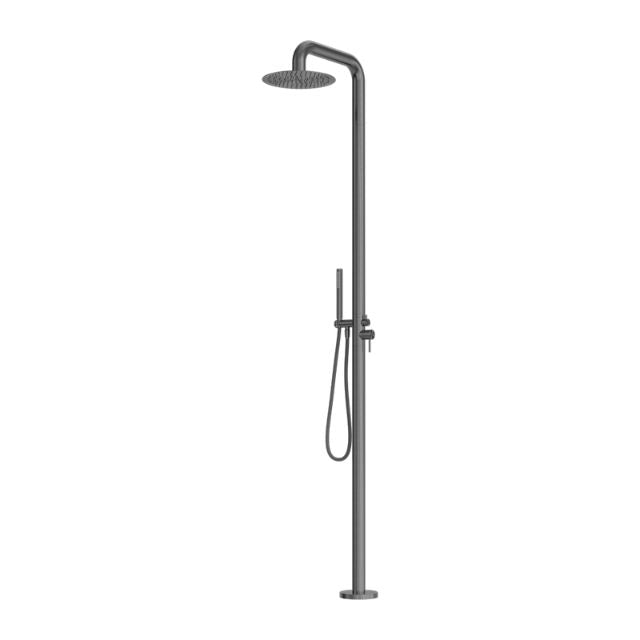
Sold out Nero Zen SS316L Outdoor Freestanding Shower Column Graphite
Checking delivery...$3,902$0 (-0%) offRRP of $3,902 -
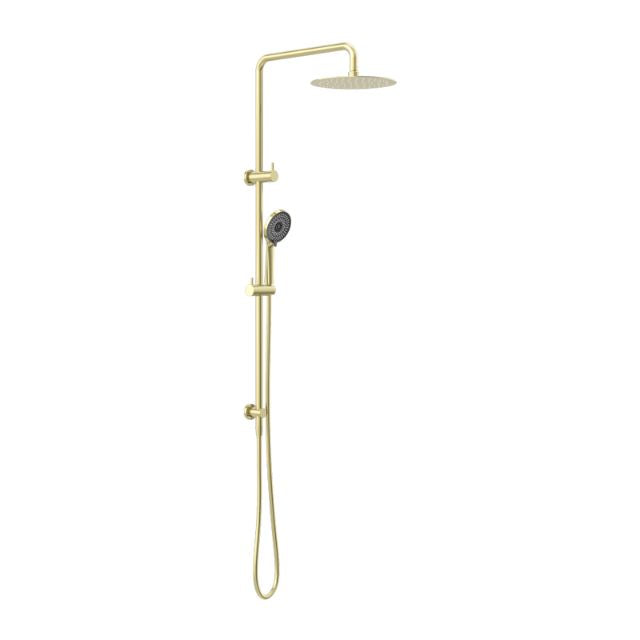
Sold out Nero Round Project Twin Shower Brushed Gold
Checking delivery...$1,049$0 (-0%) offRRP of $1,049 -
In Stock QLD
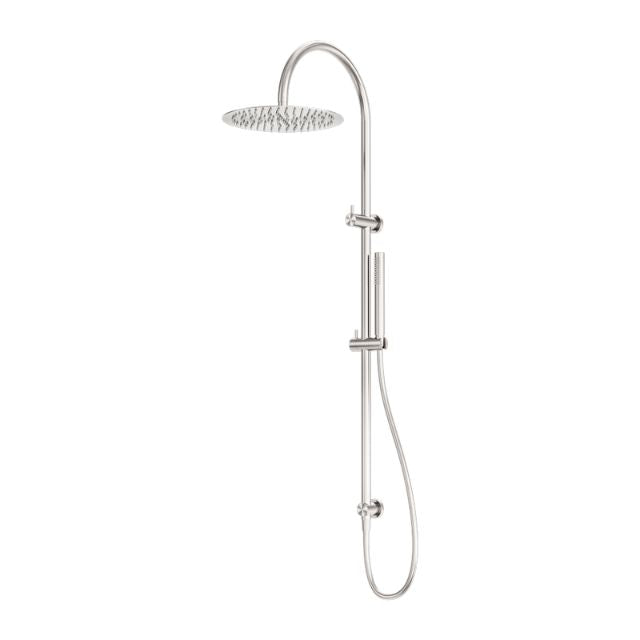
Sold out Nero Zen SS316L Twin Shower Brushed Nickel
Checking delivery...$1,749$0 (-0%) offRRP of $1,749 -
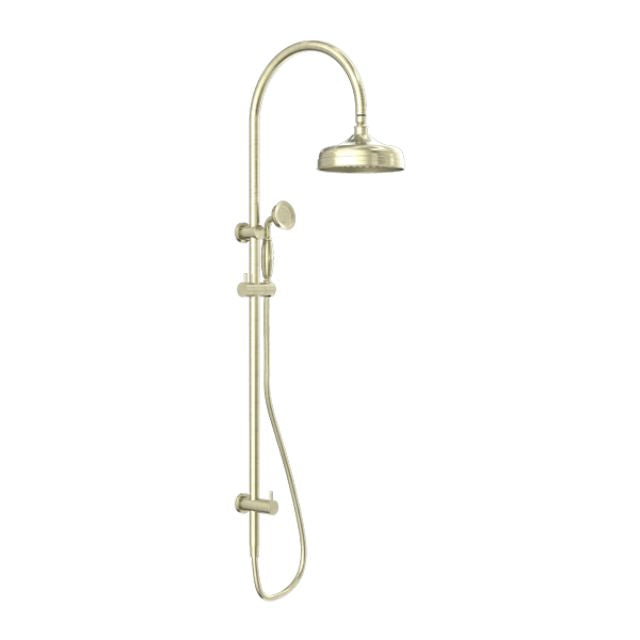
Sold out Nero York Twin Shower With Metal Hand Shower Aged Brass
Checking delivery...$1,951$0 (-0%) offRRP of $1,951 -
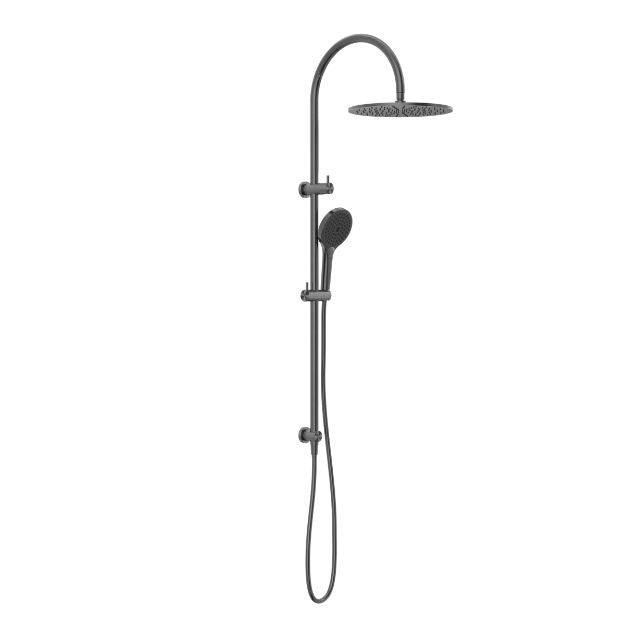
Sold out Nero Opal Twin Shower With Air Shower II Graphite
Checking delivery...$2,234$0 (-0%) offRRP of $2,234 -
-
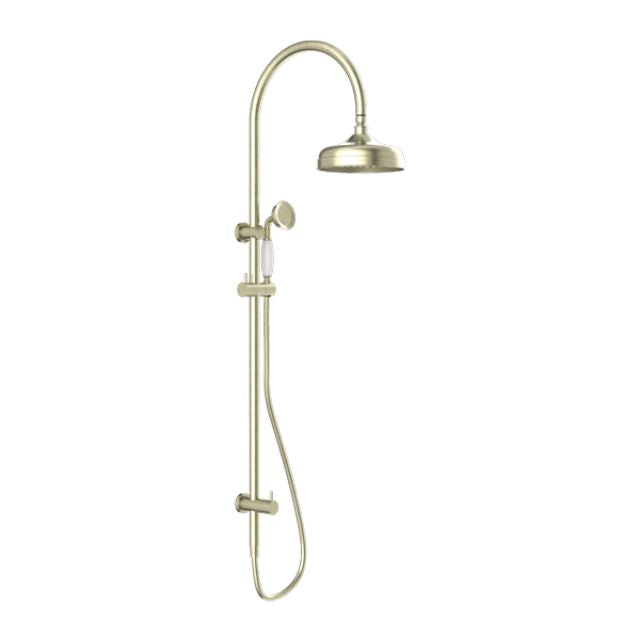
Sold out Nero York Twin Shower With White Porcelain Hand Shower Aged Brass
Checking delivery...$1,951$0 (-0%) offRRP of $1,951 -
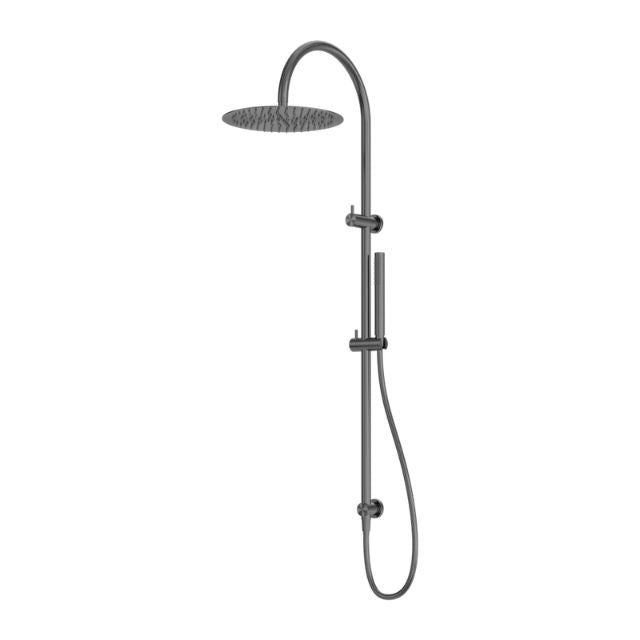
Sold out Nero Zen SS316L Twin Shower Graphite
Checking delivery...$2,153$0 (-0%) offRRP of $2,153 -
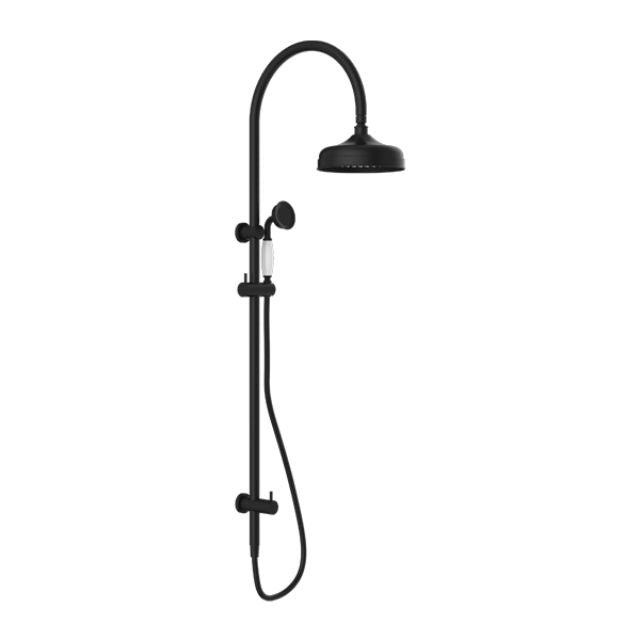
Sold out Nero York Twin Shower With White Porcelain Hand Shower Matte Black
Checking delivery...$1,722$0 (-0%) offRRP of $1,722 -
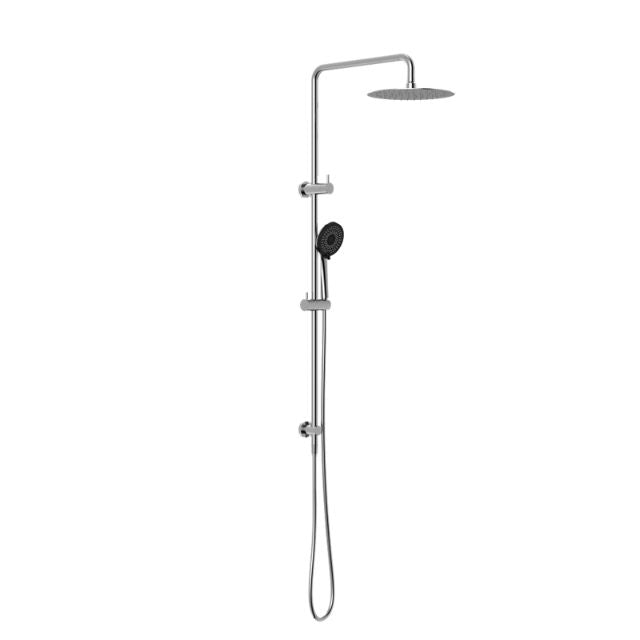
Sold out Nero Round Project Twin Shower 4 Star Rating Chrome
Checking delivery...$753$0 (-0%) offRRP of $753 -
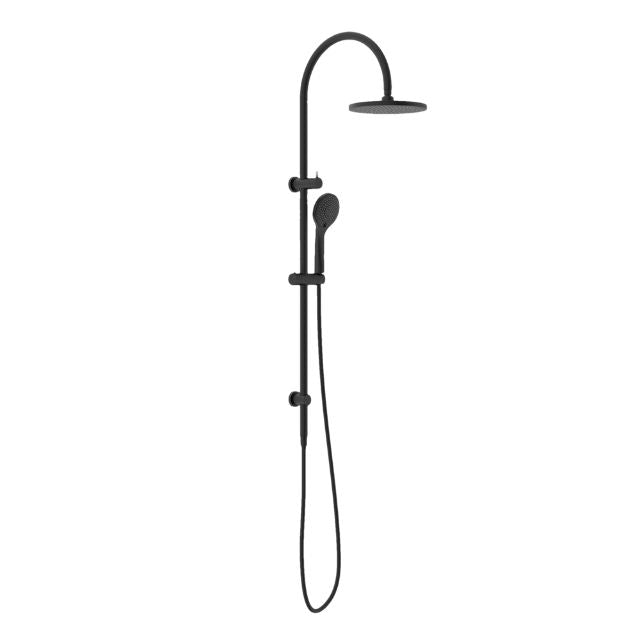
Sold out Nero Mecca Twin Shower With Air Shower - Matte Black
Checking delivery...$1,211$0 (-0%) offRRP of $1,211 -
Coastal Rated
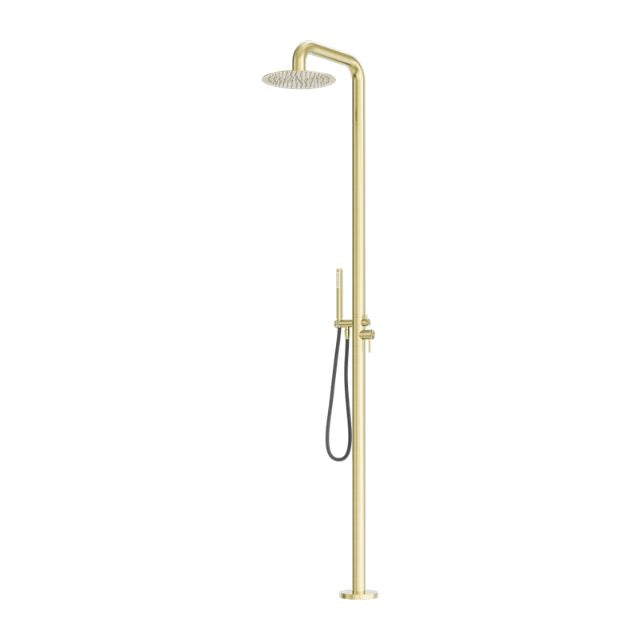
Sold out Nero Zen SS316L Outdoor Freestanding Shower Column Brushed Gold
Checking delivery...$3,902$0 (-0%) offRRP of $3,902 -

Sold out Nero Opal Twin Shower With Air Shower II Brushed Gold
Checking delivery...$2,153$0 (-0%) offRRP of $2,153 -
Coastal Rated
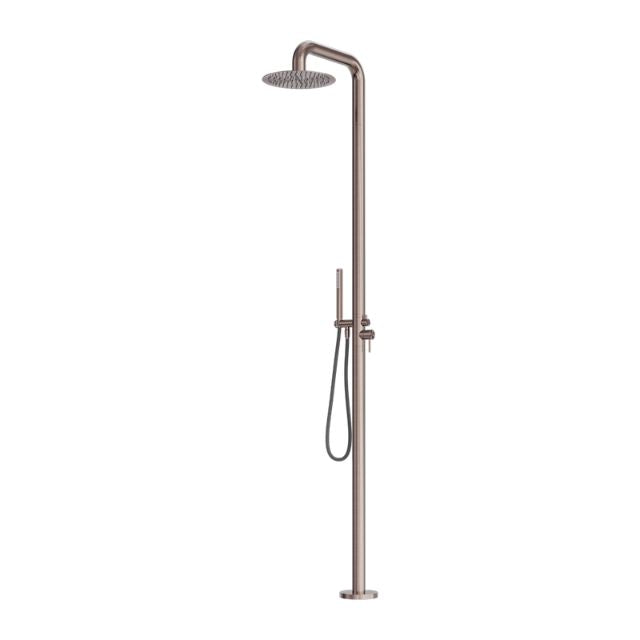
Sold out Nero Zen SS316L Outdoor Freestanding Shower Column Brushed Bronze
Checking delivery...$3,902$0 (-0%) offRRP of $3,902 -
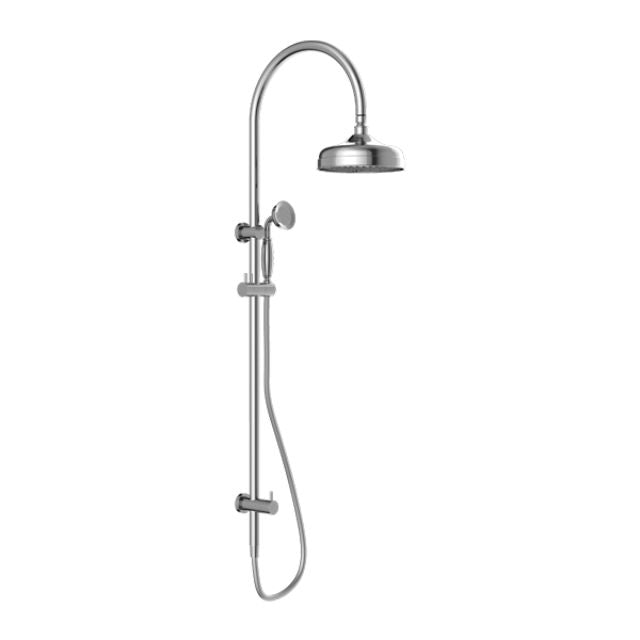
Sold out Nero York Twin Shower With Metal Hand Shower Chrome
Checking delivery...$1,346$0 (-0%) offRRP of $1,346 -
-

Sold out Nero Round Project Twin Shower 4 Star Rating Brushed Nickel
Checking delivery...$888$0 (-0%) offRRP of $888 -
Coastal Rated
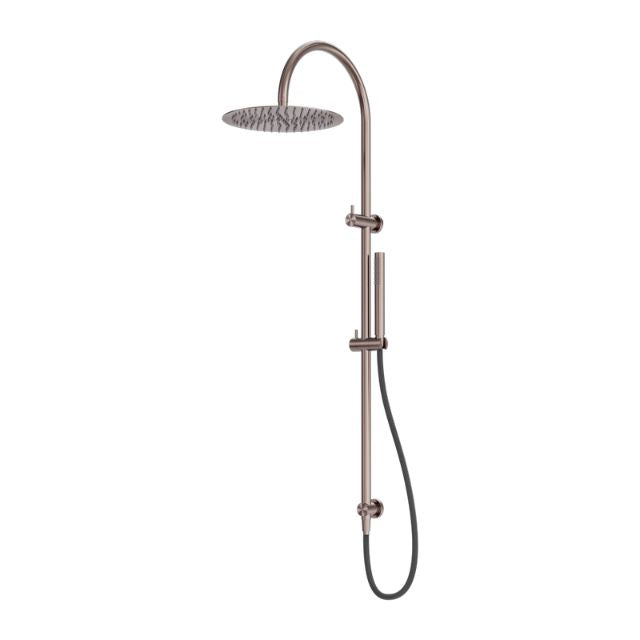
Sold out Nero Zen SS316L Twin Shower With Outdoor Shower Hose Brushed Bronze
Checking delivery...$2,153$0 (-0%) offRRP of $2,153 -
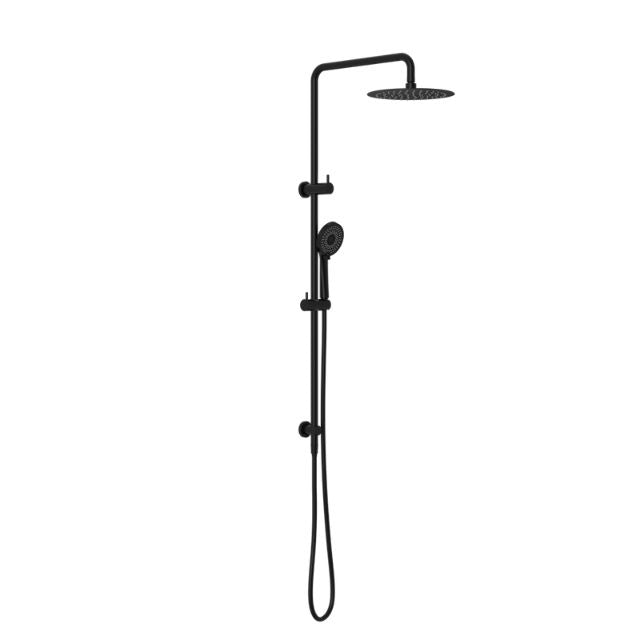
Sold out Nero Round Project Twin Shower 4 Star Rating Matte Black
Checking delivery...$834$0 (-0%) offRRP of $834 -
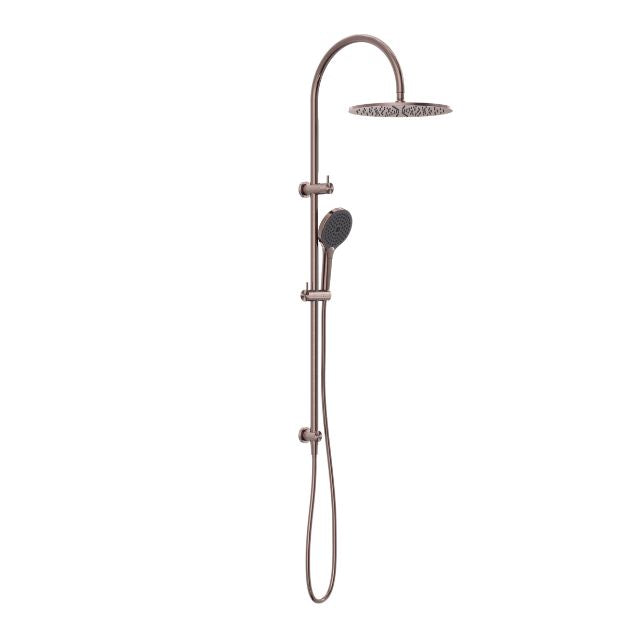
Sold out Nero Opal Twin Shower With Air Shower II Brushed Bronze
Checking delivery...$2,234$0 (-0%) offRRP of $2,234 -
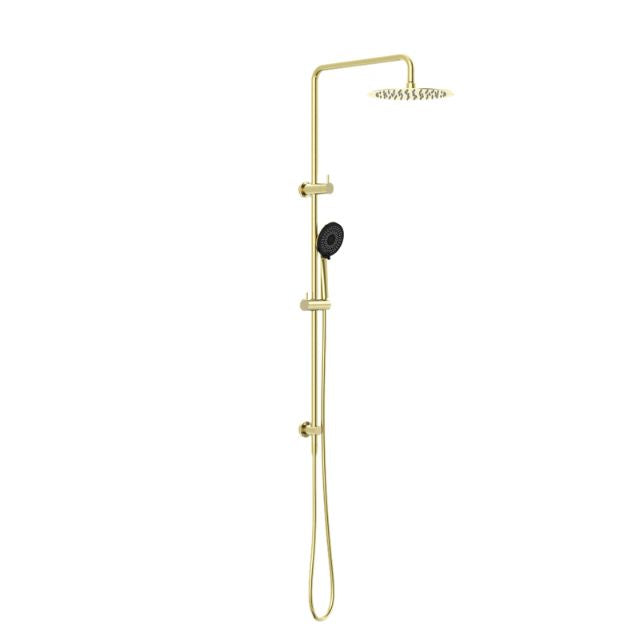
Sold out Nero Round Project Twin Shower 4 Star Rating Brushed Gold
Checking delivery...$1,103$0 (-0%) offRRP of $1,103 -
Coastal Rated
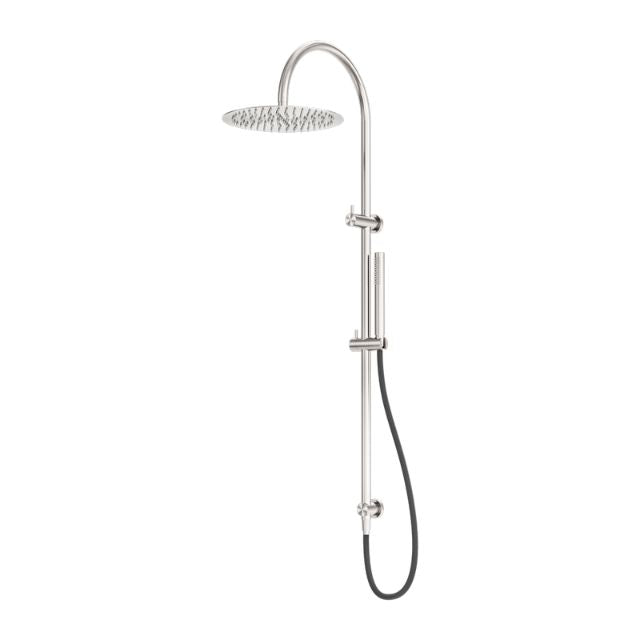
Sold out Nero Zen SS316L Twin Shower With Outdoor Shower Hose Brushed Nickel
Checking delivery...$1,749$0 (-0%) offRRP of $1,749 -

Sold out Nero Opal Twin Shower With Air Shower II Brushed Nickel
Checking delivery...$1,749$0 (-0%) offRRP of $1,749 -
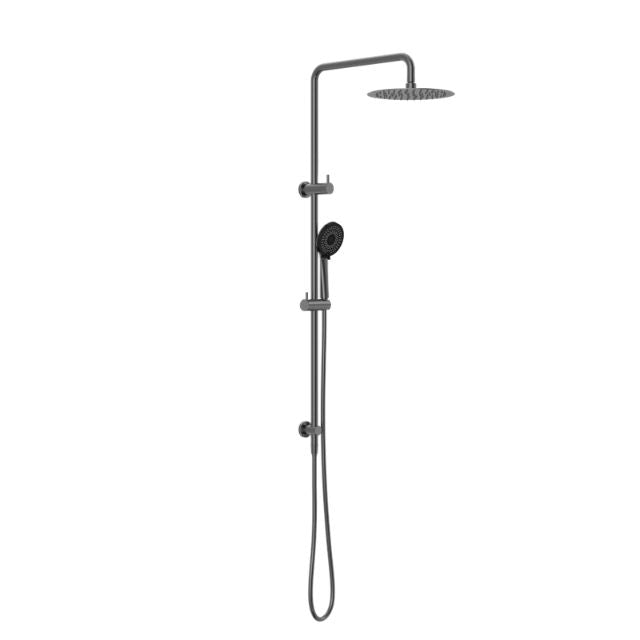
Sold out Nero Round Project Twin Shower 4 Star Rating Gun Metal
Checking delivery...$1,157$0 (-0%) offRRP of $1,157 -
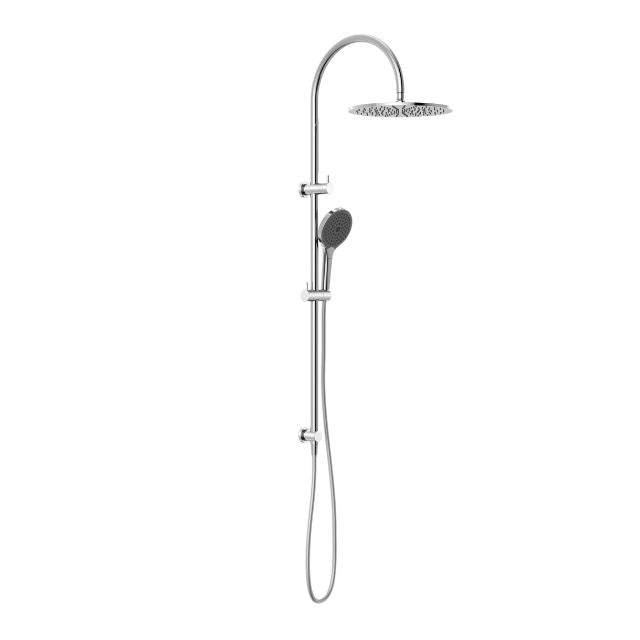
Sold out Nero Mecca Twin Shower With Air Shower II Chrome
Checking delivery...$1,224$0 (-0%) offRRP of $1,224 -
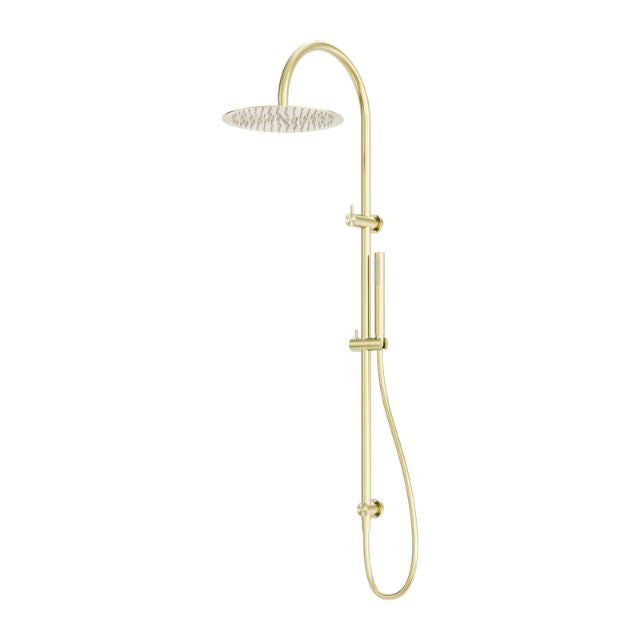
Sold out Nero Zen SS316L Twin Shower Brushed Gold
Checking delivery...$2,153$0 (-0%) offRRP of $2,153 -
Coastal Rated
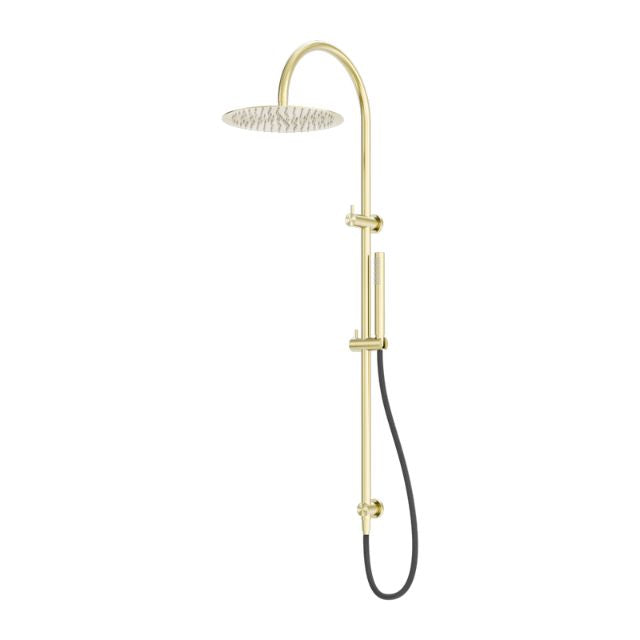
Sold out Nero Zen SS316L Twin Shower With Outdoor Shower Hose Brushed Gold
Checking delivery...$2,153$0 (-0%) offRRP of $2,153 -
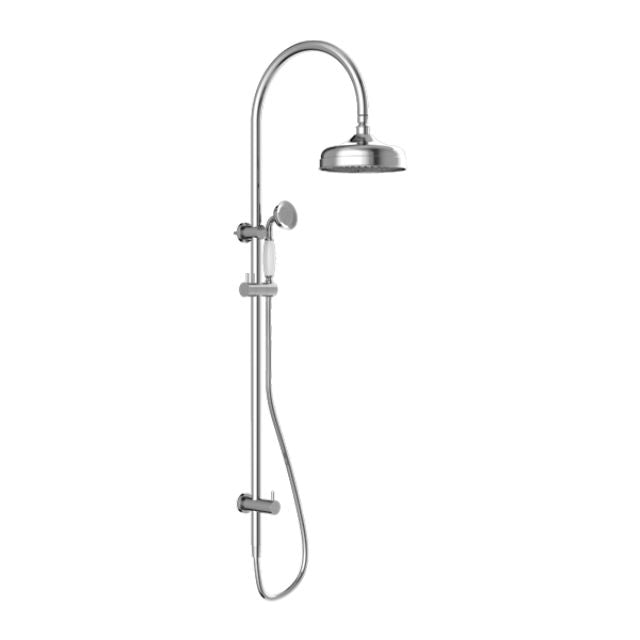
Sold out Nero York Twin Shower With White Porcelain Hand Shower Chrome
Checking delivery...$1,346$0 (-0%) offRRP of $1,346 -


Double shower head buying guide
A twin shower head setup solves a genuinely common household friction point: needing to adjust settings mid-rinse, or waiting for a single bathroom to become free during a busy morning. Beyond convenience, it changes how water actually covers the body and the enclosure itself.
Why choose a dual shower system
Two people can shower with personalised settings at once, each choosing their own spray pattern rather than negotiating over a single head. A second head also improves water distribution in a larger enclosure, where a single shower head can struggle to reach every corner evenly.
Families get real flexibility from this too: one head can run a gentler mist suited to a child while the other delivers a stronger flow for an adult, without either person compromising. Many current models also include flow-restrictor options, and pairing a fixed head with a handheld unit lets water be directed precisely where it's needed rather than running two full-flow heads at once.
Types of dual shower setups
Fixed twin heads, mounted on opposite walls or adjacent brackets, give full-body coverage and suit two people showering together, paired well with an adjustable shower arm for fine-tuning the angle. Modern National's Montpellier multifunction rail and Star's twin exposed rail system in this collection are both rail-based versions of this setup.
A combination handheld and fixed unit blends versatility with convenience: the fixed head gives an overhead rain effect, while the handheld unit handles rinsing pets, cleaning tiles, or any task needing a directed spray. See our shower on rail collection for the full range of adjustable rail-mounted options.
Ceiling-mounted pairs suit a spacious bathroom with higher ceilings, giving a sleek, minimalist look with dual rainfall heads installed overhead. Wall-mounted duos suit a more compact layout, available in finishes including brushed brass or gunmetal to match the room's broader decor, as seen in ranges like the Nero Dolce II and Phoenix Cromford twin showers.
Design considerations
Measure the enclosure carefully before committing to a configuration, to confirm there's enough wall or ceiling space to avoid crowding. For a narrower bathroom, a vertical arrangement or a compact shower-on-rail system suits the constrained footprint better than a full twin setup.
Check your home's water pressure against the shower heads you're considering. A lower-pressure system pairs well with an aerated spray, while a genuinely high-pressure setup can support a rain-style head effectively. Matching finishes across the shower and your existing taps and handles, chrome through to matte black, keeps the room reading as one coordinated design rather than separately chosen pieces.
Drainage needs particular attention with a dual system, since two heads running together increase overall water volume. Pairing the setup with a channel waste helps manage this efficiently, removing water quickly and discreetly.
Diverter valves and running both heads together
Most dual shower systems use a diverter valve to control water flow between the two heads. Some diverters switch water to only one outlet at a time; others are built to run both simultaneously, so check which type is fitted to the specific mixer before assuming both heads can run together.
Full double shower head or compact twin shower
A full double shower head setup and a compact twin shower both run two shower functions from one mixer, but the compact version is built to fit a smaller recess, such as an ensuite or a shower with limited wall space. Choose the compact range if your recess is tight, and this fuller range if you have the wall or ceiling space to suit a rail or ceiling-mounted pair.
Completing the bathroom
A dual shower system is easiest to finalise once the room's tapware finish is settled, since matching the two keeps the bathroom reading as one considered space. Browse the full showers collection and taps and tapware collection alongside a dual shower selection to complete the room, or see hand held shower heads if you only need the handheld function on its own.
Common double shower head questions
Can two shower heads run at the same time?
It depends on the diverter valve fitted. Some diverters are built to send water to only one outlet at a time, switching between the overhead and the hand shower, while others are designed to run both simultaneously. If running both at once is important to you, confirm this with the specific mixer and diverter combination before installing, since it's a valve function rather than something every shower mixer supports by default.
What is a double shower head setup called?
It's commonly called a twin shower, dual shower head, or double shower head configuration, and usually refers to a fixed overhead shower head paired with a separate hand shower, often mounted on a sliding rail. The two functions share a single mixer with a diverter, rather than being two entirely separate plumbing runs.
Are dual shower heads worth it?
They suit households that want the flexibility of both a hands-free overhead shower and a hand-held shower for rinsing, bathing kids or washing the shower recess, without installing two separate systems. The trade-off is a slightly more complex mixer and diverter setup, and, if you plan to run both together, a water pressure check beforehand. For a household that only ever uses one function at a time, a single well-chosen head may be simpler and cheaper to install.
What water pressure do I need to run two shower heads together?
Running an overhead and a hand shower at once splits your home's available flow between two outlets, so adequate mains or pump pressure matters more than with a single head. A plumber can check your household's static pressure and recommend a diverter or shower valve suited to running both functions together, rather than one that's designed to switch between them.
How is a double shower head different from a compact twin shower?
Both use two shower functions from one mixer, but a compact twin shower is designed to fit into a smaller shower recess than a standard double shower head setup, which makes it better suited to an ensuite or a shower with limited wall space. See our compact twin shower collection for size-specific guidance.

