


Shower Mixers
11 Items
-
In Stock
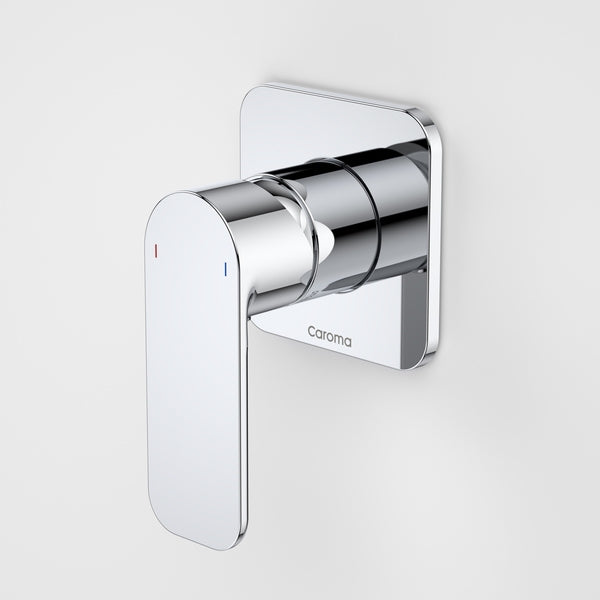
Sold out Caroma Luna Bath/Shower Mixer Chrome
Checking delivery...$242$0 (-0%) offRRP of $242 -
In Stock
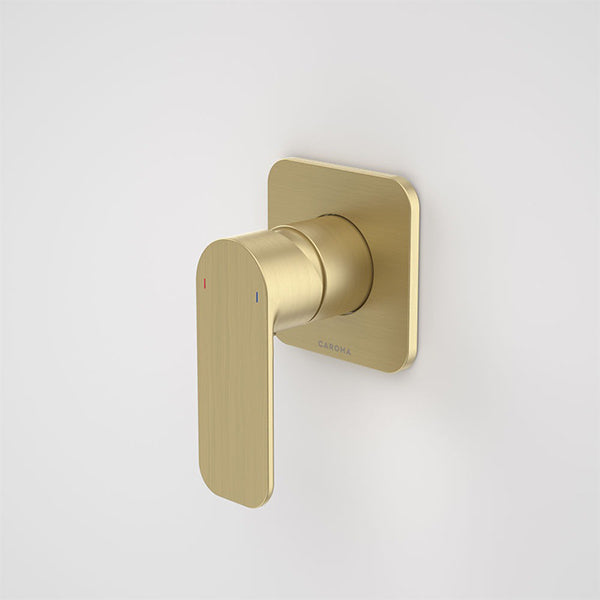
Sold out Caroma Luna Bath/Shower Mixer Brushed Brass
Checking delivery...$249$0 (-0%) offRRP of $249 -
In Stock
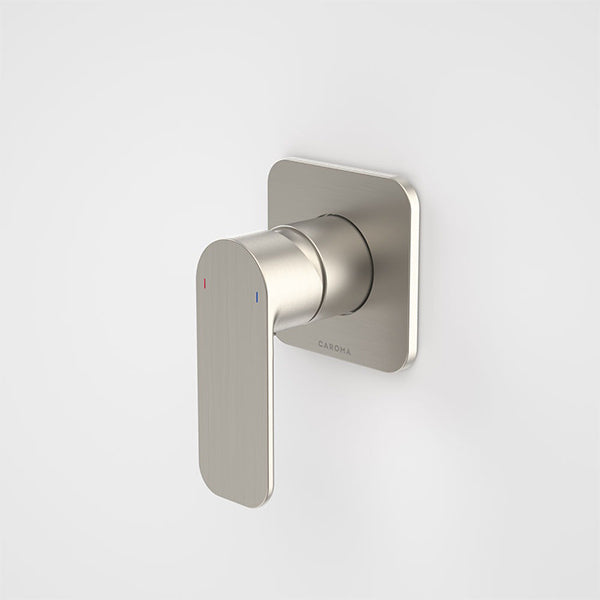
Sold out Caroma Luna Bath/Shower Mixer Brushed Nickel
Checking delivery...$249$0 (-0%) offRRP of $249 -
In Stock
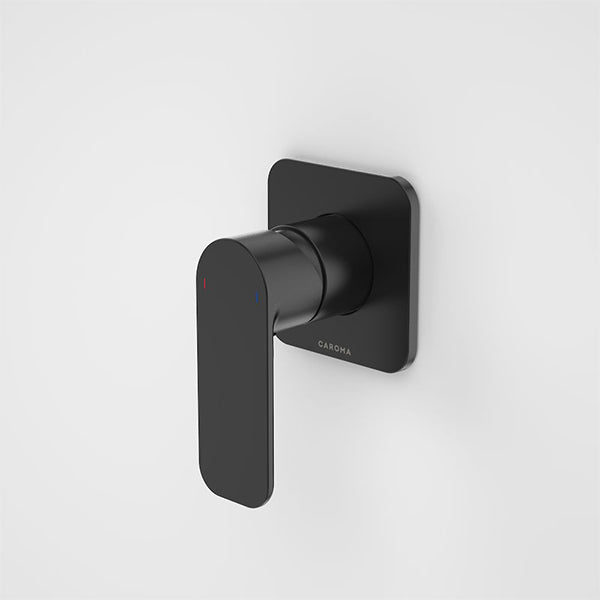
Sold out Caroma Luna Bath/Shower Mixer Black
Checking delivery...$249$0 (-0%) offRRP of $249 -
In Stock
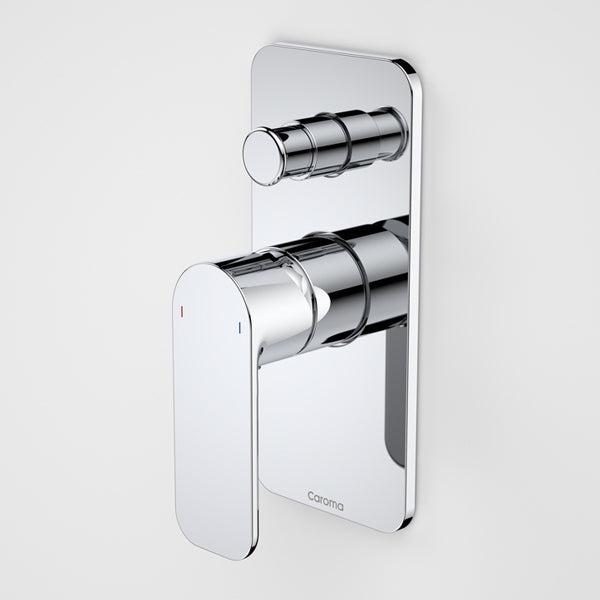
Sold out Caroma Luna Bath/Shower Mixer with Diverter Chrome
Checking delivery...$370$0 (-0%) offRRP of $370 -
Free Gifts!
Spend over $800 and receive free gifts in your cart. Towels, accessories and full length mirrors!
-
In Stock
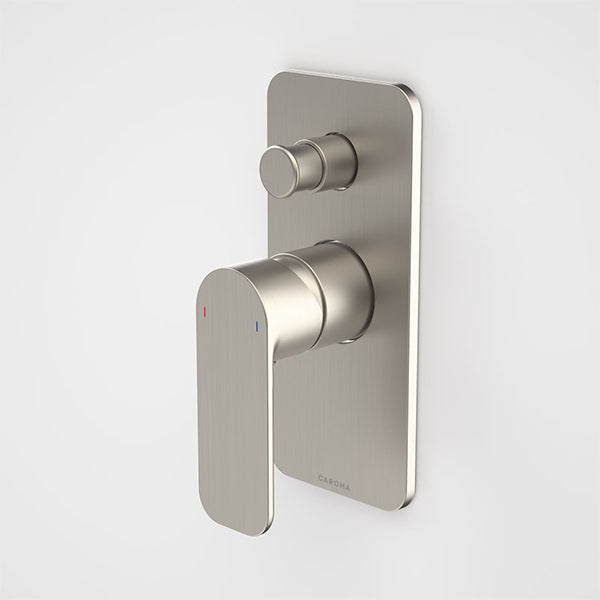
Sold out Caroma Luna Bath/Shower Mixer with Diverter Brushed Nickel
Checking delivery...$384$0 (-0%) offRRP of $384 -
In Stock
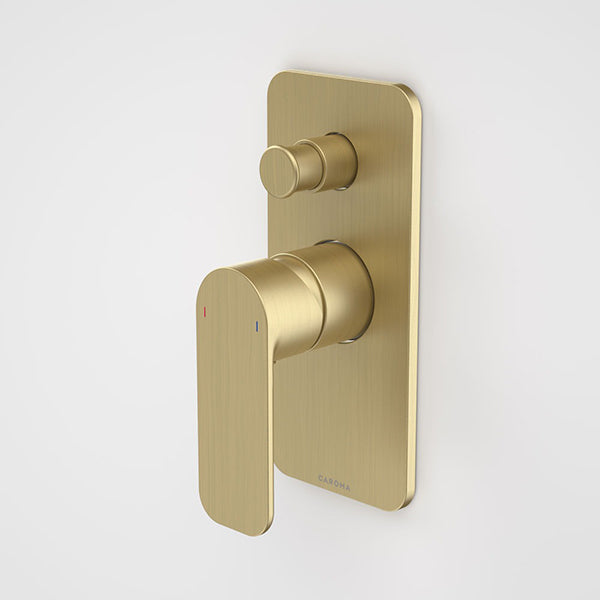
Sold out Caroma Luna Bath/Shower Mixer with Diverter Brushed Brass
Checking delivery...$384$0 (-0%) offRRP of $384 -
In Stock
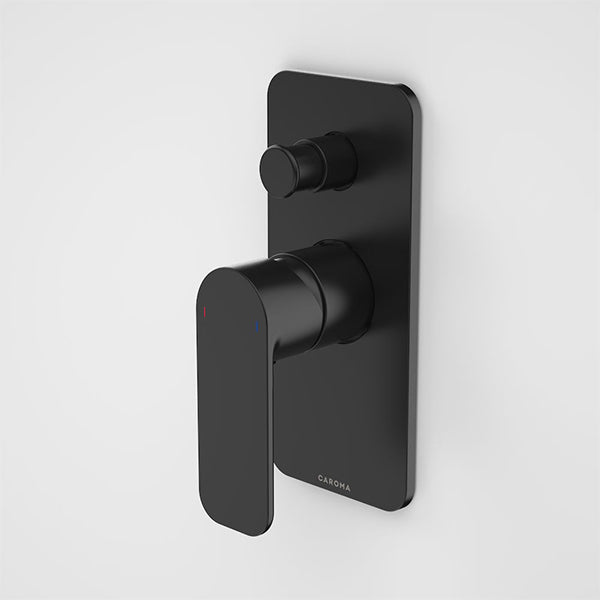
Sold out Caroma Luna Bath/Shower Mixer with Diverter Black
Checking delivery...$384$0 (-0%) offRRP of $384 -
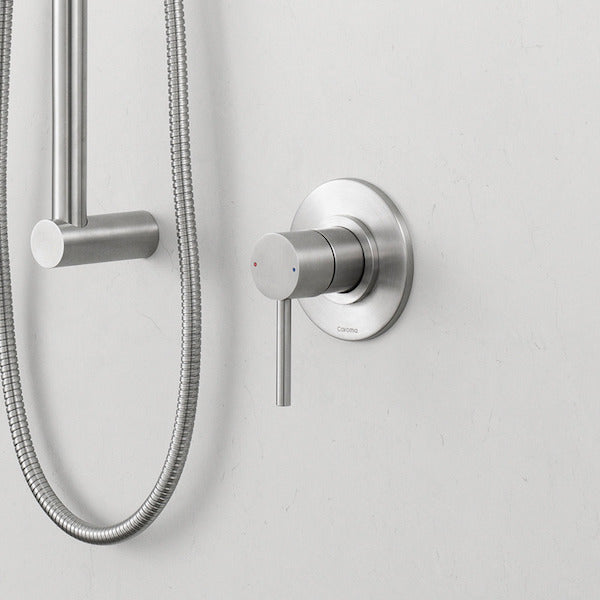
Sold out Caroma Titan Stainless Steel Bath/Shower Mixer
Checking delivery...$409$0 (-0%) offRRP of $409 -
-
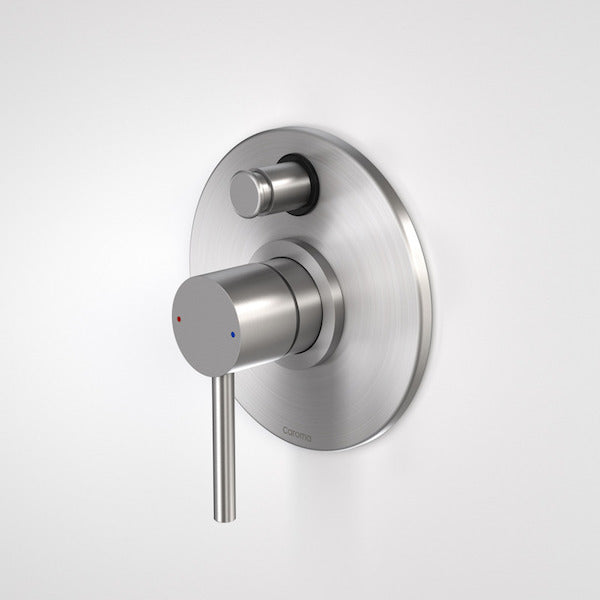
Sold out Caroma Titan Stainless Steel Bath/Shower Mixer with Diverter
Checking delivery...$588$0 (-0%) offRRP of $588 -
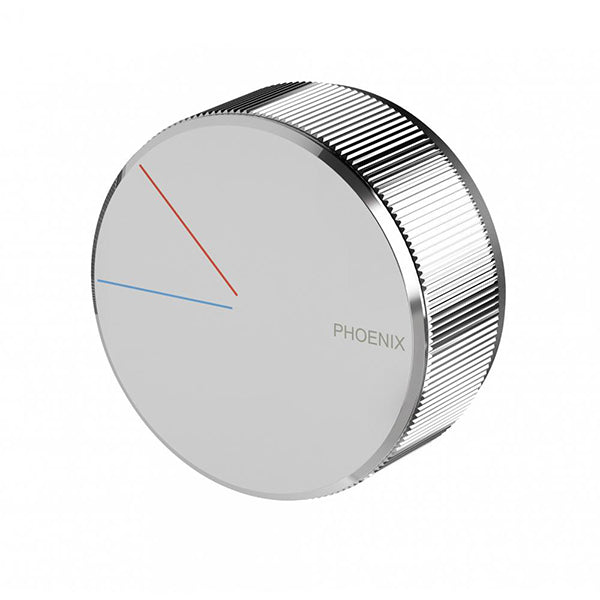
Sold out Phoenix Axia Shower/Wall Mixer - Chrome
Checking delivery...$451$79 (-14%) OFFRRP of $530$79 (-15%) offRRP of $530
Shower Mixers Buying Guide
A shower mixer does a simple job: lift the lever for flow, turn it toward hot or cold to set the temperature. Older Australian bathrooms typically used two separate taps instead, one for hot, one for cold, requiring both to be adjusted independently to reach a comfortable temperature. A single-lever mixer is generally easier to use and takes up considerably less visual space on the wall than a two-tap setup, which is part of why it remains the standard choice in most modern bathrooms, though two-tap and three-piece configurations still suit heritage-style renovations well.
How to choose a shower
A few practical factors narrow the decision down before finish and style come into play:
- Existing water inlet location and height particularly important for a replacement shower, since the new mixer needs to align with the existing plumbing rather than requiring it to be relocated
- Functional requirements including mounting height and whether adjustability, such as a rail system or diverter, is needed for the household's use
- Colour and style chosen last once the functional requirements are settled, since a mixer's finish is easiest to select once it's clear which configuration will actually be installed
Types of shower mixers
Standard shower mixers are the most common configuration: a single handle controls flow and temperature for a shower head with no additional outlets. They're available across round, square, pin-lever and flat-handle profiles, giving considerable choice within this straightforward category.
Shower mixers with diverters suit a shower positioned over a bath, or a setup combining an overhead rain shower with a handheld unit on a rail. The diverter adds a button or secondary control that redirects water between outlets, for instance from the bath spout to the shower head, removing the need to install two entirely separate tap sets on the same wall.
Progressive mixers use a single dial rather than a protruding lever, giving a minimal, architectural look well suited to a pared-back bathroom. Turning the dial moves the water from cold through to hot in one continuous motion, with pressure generally held constant throughout; flow rate isn't adjustable independently of temperature with this format, which is worth knowing before choosing one for a household that prefers separate control over each.
Three-piece sets suit heritage-style renovations, such as a Victorian terrace or Queenslander, where a modern single-lever mixer can look out of place against period detailing. A three-piece set uses two separate taps and, where relevant, a spout, giving that classic silhouette. Wall top assemblies offer a similar separated hot-and-cold control with more contemporary detailing, combining a retro function with current engineering for renovations wanting the traditional look without sacrificing modern reliability.
Brands in this collection
Caroma, Dorf and Clark are long-established names in Australian bathroom tapware, generally chosen for their proven engineering and durability over time. Phoenix and Meir lead on design, with Phoenix known for sharp, award-recognised styling and Meir a strong choice for matte black or champagne finishes backed by solid finish warranties. Fienza, Nero Tapware and Indigo offer contemporary detailing, such as knurled handles and textured metals, at a more accessible price point. Oliveri is worth considering for kitchens and bathrooms wanting matching sinks and taps from the same brand, Modern National suits a vintage-luxury design direction, and Seima and Suprema are reliable, straightforward options commonly specified by plumbers.
Choosing a finish
Finish sets the tone for the whole bathroom, and the options extend well beyond chrome.
Chrome remains the most durable, easiest-to-clean option, and its neutral tone works with almost any tile or fixture colour. Stainless steel gives a similar durability with a slightly more industrial character, and holds up particularly well in outdoor shower applications.
Matte black brings strong, dramatic contrast against white tiling, though it needs non-abrasive cleaning products to avoid dulling the finish over time. White tapware has returned to popularity recently, reading as crisp and clean against concrete or timber surfaces.
Gold is the classic warm luxury finish. Brushed brass offers a similar warmth with a more subtle, textured surface that diffuses light rather than reflecting it directly. Champagne sits between gold and rose gold in tone, a softer, more understated warm finish. Bronze goes deeper still, suited to a bathroom wanting a genuinely earthy, warm palette.
Gunmetal bridges silver and black, a dark grey tone that hides fingerprints more effectively than most other finishes. Brushed nickel is a softer alternative to chrome, with a warmer undertone that keeps a room from reading as overly clinical.
Technical considerations worth checking
Water pressure affects which mixers will perform properly in a given home. Most mixers are designed for mains pressure, but gravity-fed systems, more common in older houses, may not provide enough flow for every mixer on the market. Checking a specific mixer's minimum pressure rating against the home's actual supply avoids a mismatch after installation.
Accessible taps, with longer handles that are easier to turn, are worth considering for a renovation planned for the long term or for household members with limited hand strength or mobility. Modern accessible designs don't need to look clinical, and several ranges now offer sleek, contemporary profiles alongside the practical handle length.
Lead-free tapware is an increasing focus across the market, with many brands moving their full ranges to lead-free construction for health and environmental reasons.
Pairing with other fixtures is worth planning at the same time as a shower mixer: a bath generally needs a separate spout from this collection's spouts range, while a mixer intended for a basin rather than a wall calls for a basin mixer or hob mixer instead of a shower-specific product.
Completing the bathroom
A shower mixer is one of the more frequently used fixtures in the home, so it's worth choosing with the same care given to the tiles and vanity around it. The Blue Space's Tapware and Showers collections are worth reviewing alongside a mixer selection, so the finished bathroom's tapware reads as one considered choice rather than an afterthought once the bigger fixtures are settled.

