


Bronze Taps
129 Items
-
In StockLifetime Warranty
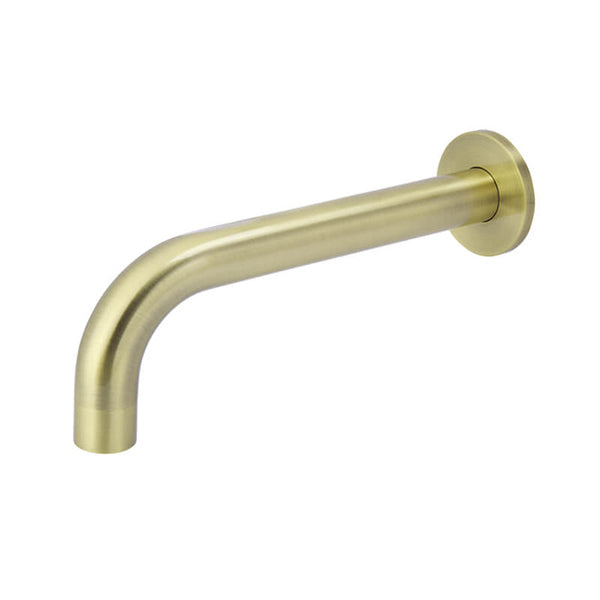
Sold out Meir Round Curved Spout 200mm Tiger Bronze
Checking delivery...$249$0 (-0%) offRRP of $249 -
Lifetime Warranty
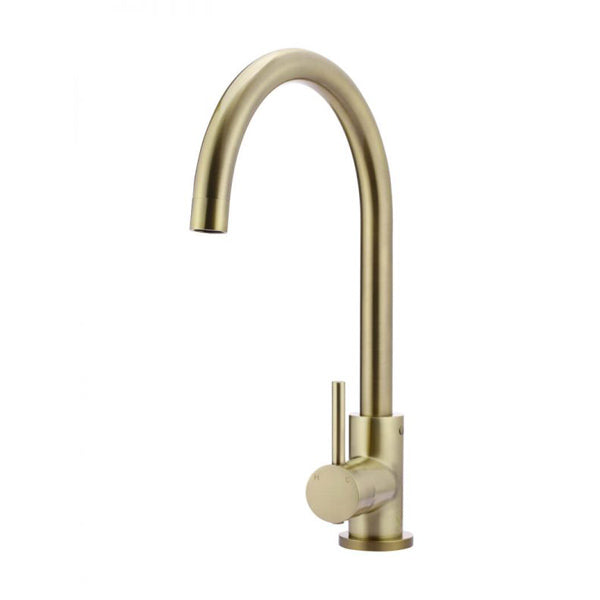
Sold out Meir Round Kitchen Sink Mixer - Tiger Bronze
Checking delivery...$724$0 (-0%) offRRP of $724 -
In StockLifetime Warranty
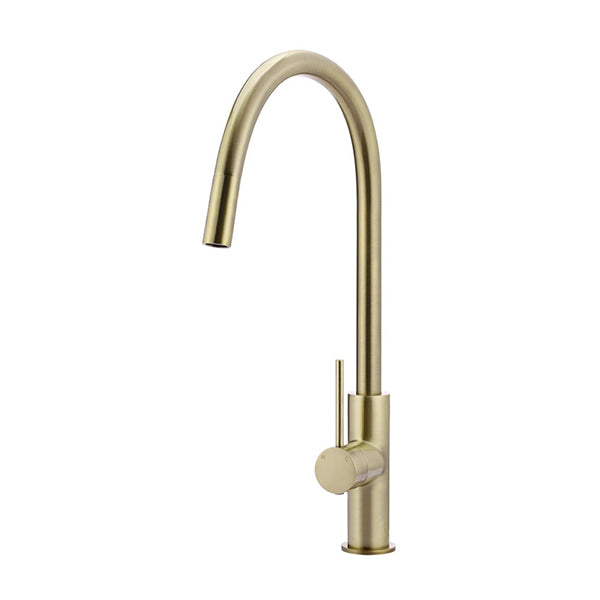
Sold out Meir Round Piccola Pull Out Kitchen Sink Mixer Tap Tiger Bronze Gold
Checking delivery...$999$0 (-0%) offRRP of $999 -
In StockLifetime Warranty
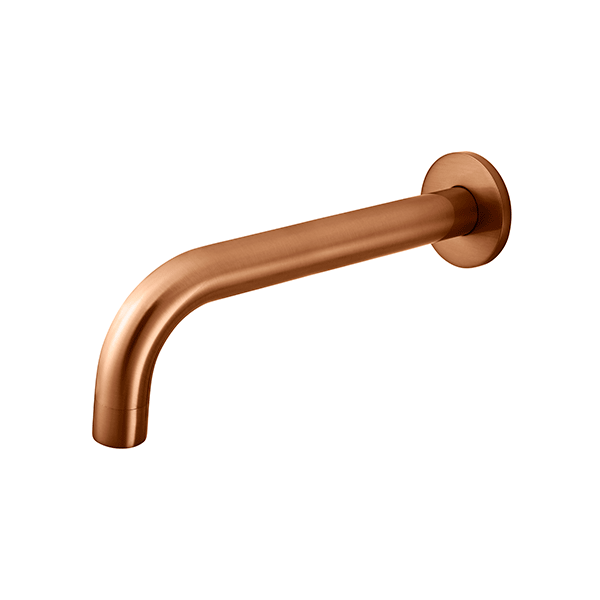
Sold out Meir Round Curved Spout 200mm Lustre Bronze
Checking delivery...$261$0 (-0%) offRRP of $261 -
In StockLifetime Warranty
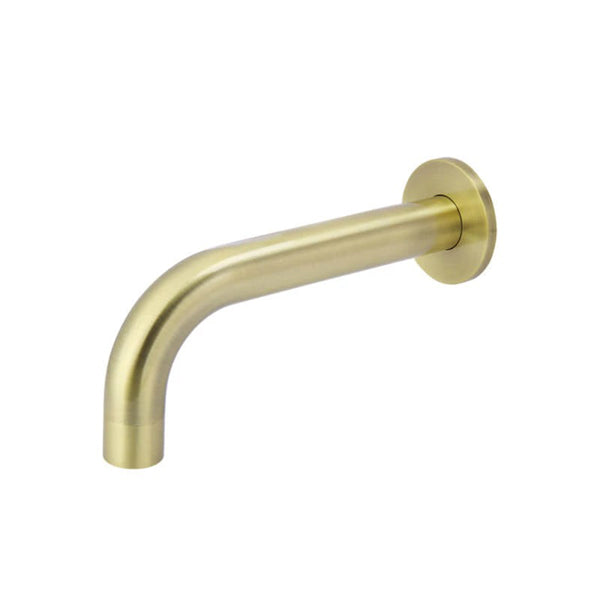
Sold out Meir Round Curved Spout 130mm Tiger Bronze
Checking delivery...$236$0 (-0%) offRRP of $236 -

Sale On Now!
Up to 70% off across the store, plus free towels and mirrors up for grabs on orders over $800*
-
Lifetime Warranty
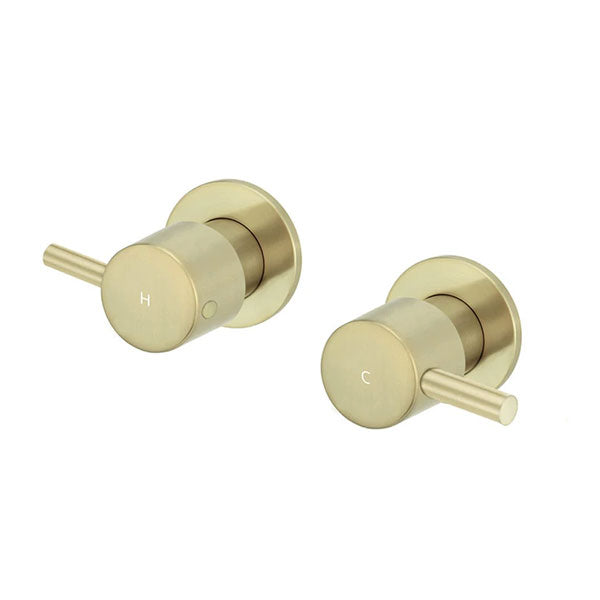
Sold out Meir Round Quarter Turn Wall Top Assemblies Tiger Bronze
Checking delivery...$436$0 (-0%) offRRP of $436 -
In StockLifetime Warranty
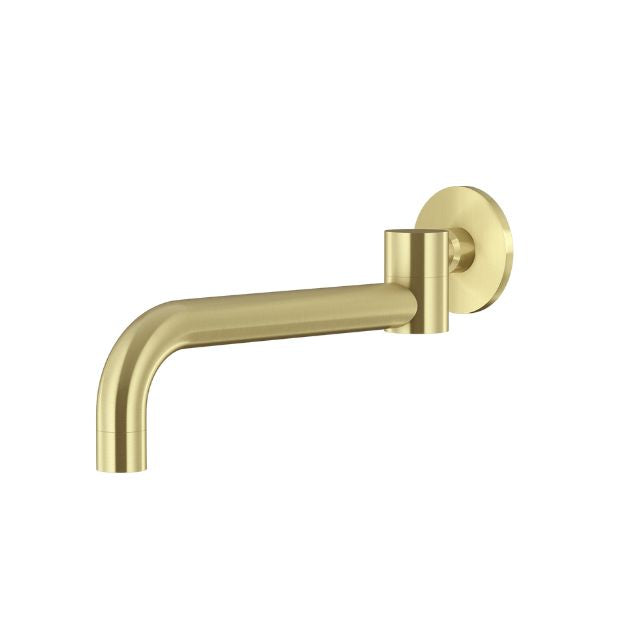
Sold out Meir Wall Swivel Spout Tiger Bronze
Checking delivery...$424$0 (-0%) offRRP of $424 -

Sold out Nero Mecca Pull Out Sink Mixer With Vegie Spray - Brushed Bronze
Checking delivery...$875$0 (-0%) offRRP of $875 -
Lifetime Warranty
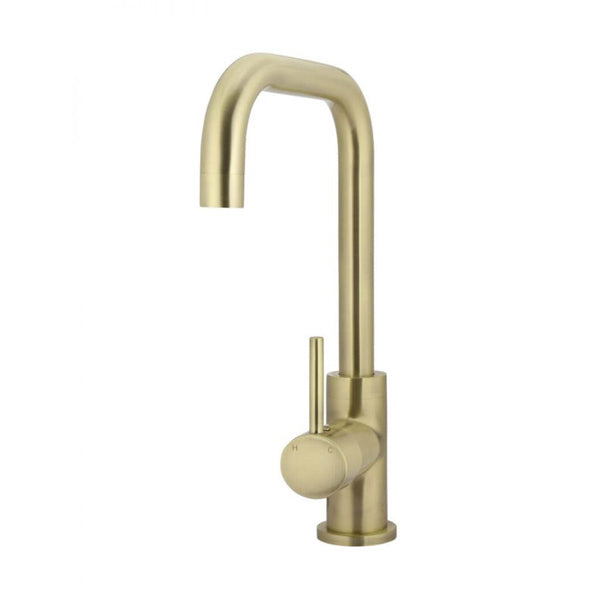
Sold out Meir Round Kitchen Sink Mixer - Tiger Bronze
Checking delivery...$724$0 (-0%) offRRP of $724 -
-
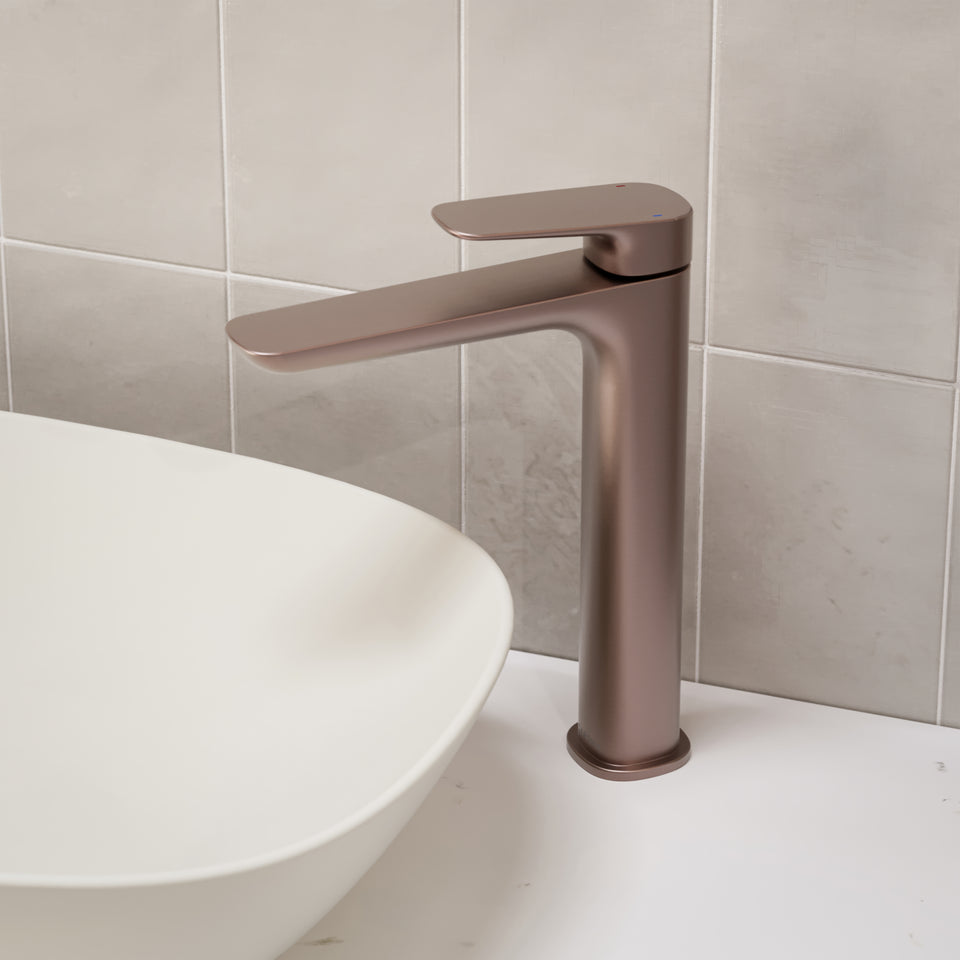
Sold out Caroma Contura II Tower Basin Mixer - Brushed Bronze
Checking delivery...$746$0 (-0%) offRRP of $746 -
Lifetime Warranty
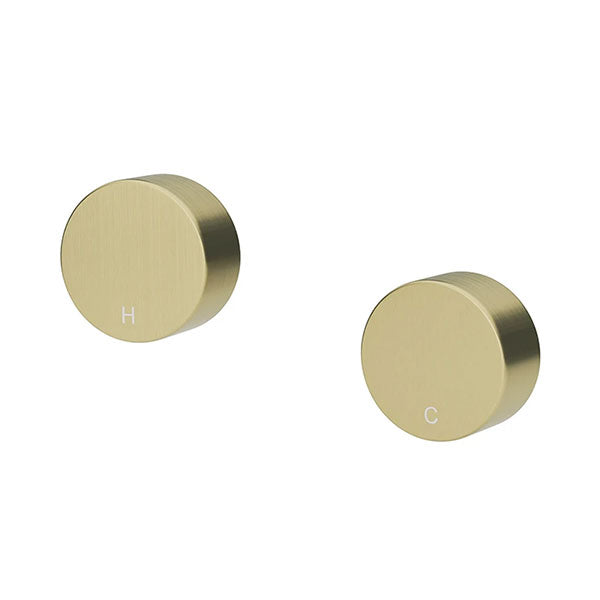
Sold out Meir Circular Wall Taps Tiger Bronze
Checking delivery...$474$0 (-0%) offRRP of $474 -
Lifetime Warranty
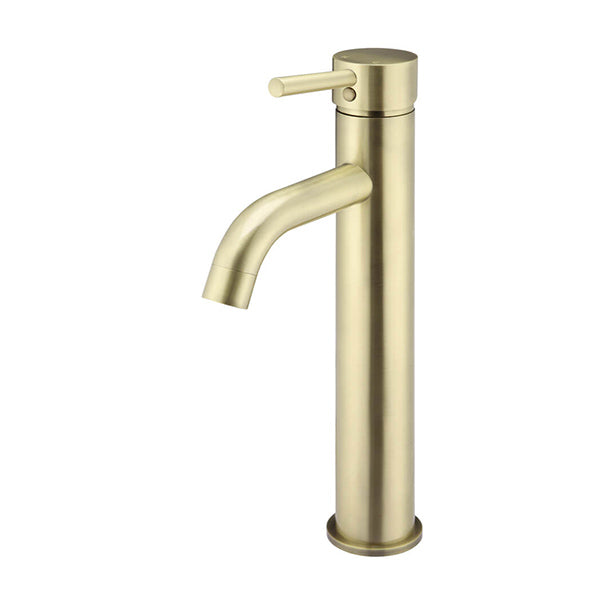
Sold out Meir Round Tall Tiger Bronze Basin Mixer with Curved Spout
Checking delivery...$849$0 (-0%) offRRP of $849 -
In StockLifetime Warranty
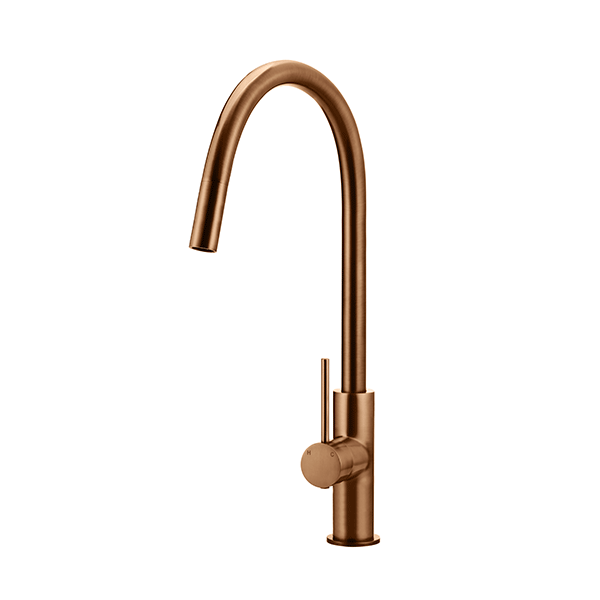
Sold out Meir Round Piccola Pull Out Kitchen Sink Mixer Tap Lustre Bronze
Checking delivery...$1,124$0 (-0%) offRRP of $1,124 -

Sold out Caroma Contura II Basin Mixer - Brushed Bronze
Checking delivery...$650$0 (-0%) offRRP of $650 -
-
Lifetime Warranty
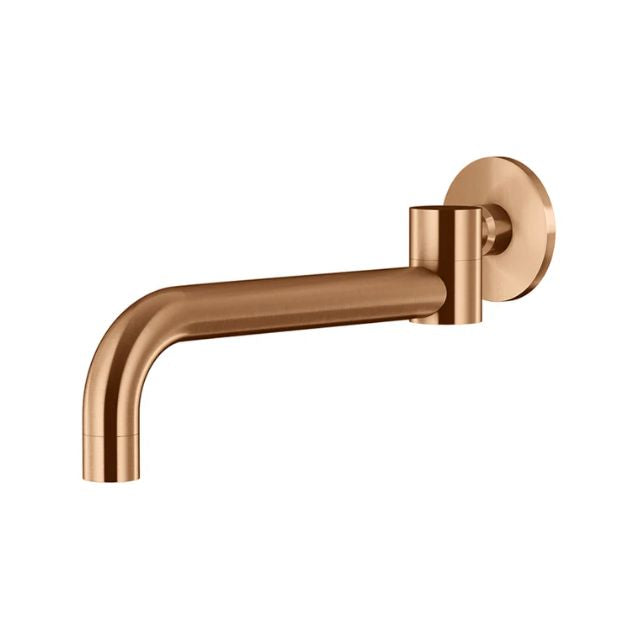
Sold out Meir Wall Swivel Spout Lustre Bronze
Checking delivery...$449$0 (-0%) offRRP of $449 -
Lifetime Warranty
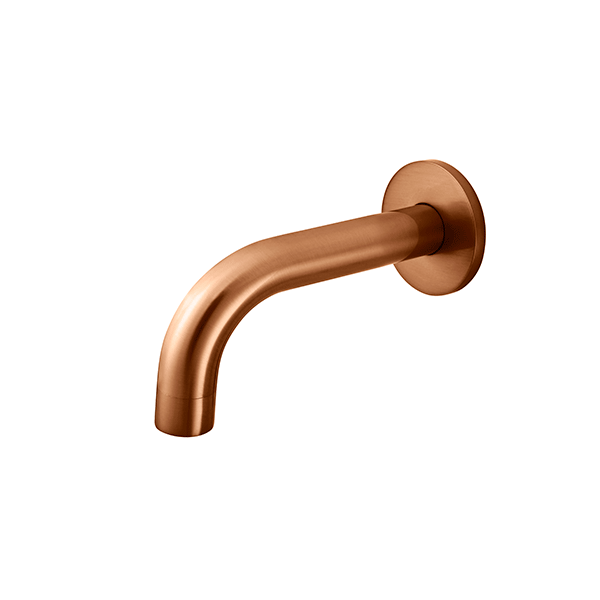
Sold out Meir Round Curved Spout 130mm Lustre Bronze
Checking delivery...$249$0 (-0%) offRRP of $249 -

Sold out Nero Mecca Basin Mixer Brushed Bronze
Checking delivery...$417$0 (-0%) offRRP of $417 -
Lifetime Warranty
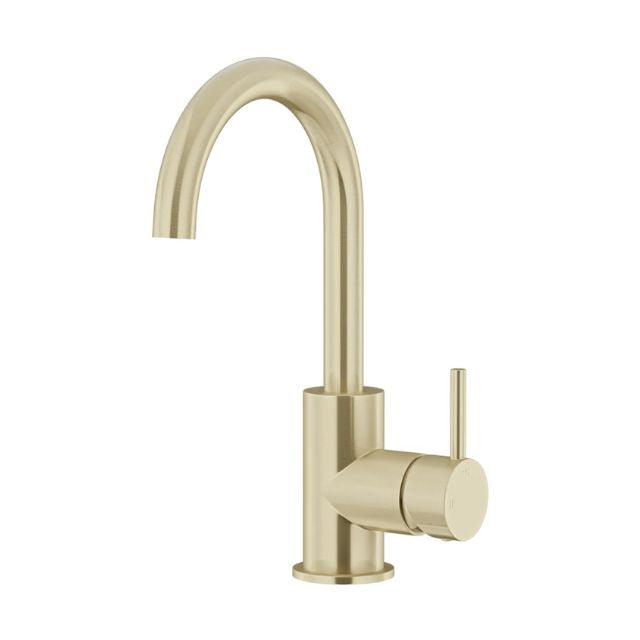
Sold out Meir Round Gooseneck Basin Mixer with Cold Start Tiger Bronze
Checking delivery...$624$0 (-0%) offRRP of $624 -
Lifetime Warranty
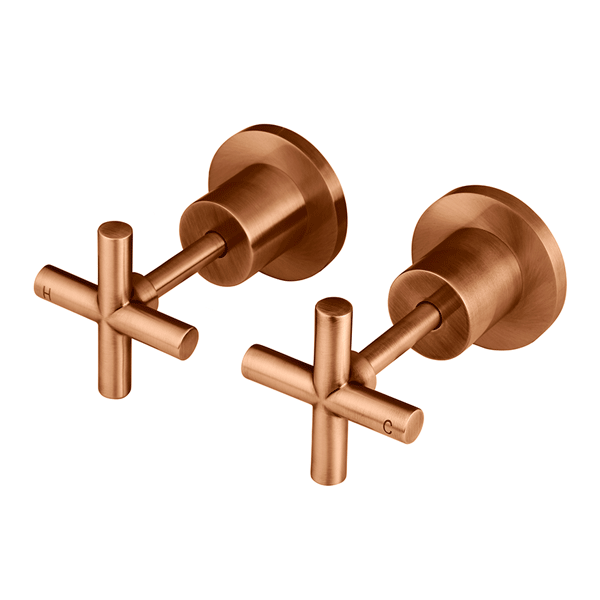
Sold out Meir Round Cross Jumper Valve Wall Top Assemblies Lustre Bronze
Checking delivery...$499$0 (-0%) offRRP of $499 -

Sold out Caroma Contura II Freestanding Bath Filler - Brushed Bronze
Checking delivery...$1,837$0 (-0%) offRRP of $1,837 -
Lifetime Warranty
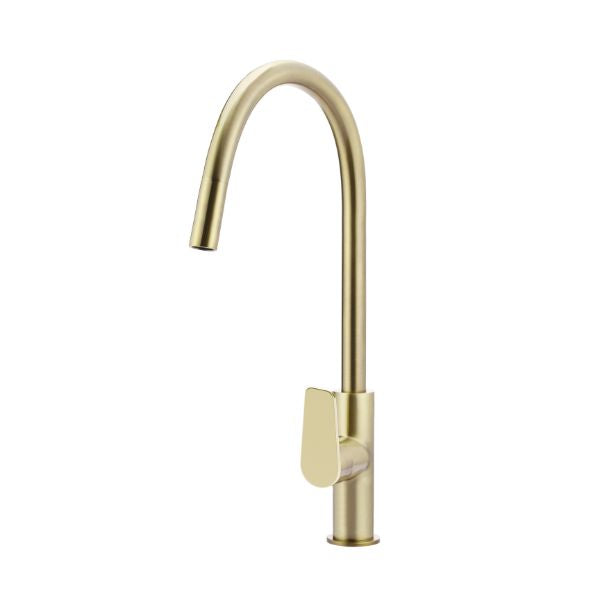
Sold out Meir Paddle Round Pull Out Kitchen Sink Mixer Tap Tiger Bronze
Checking delivery...$999$0 (-0%) offRRP of $999 -
Lifetime Warranty
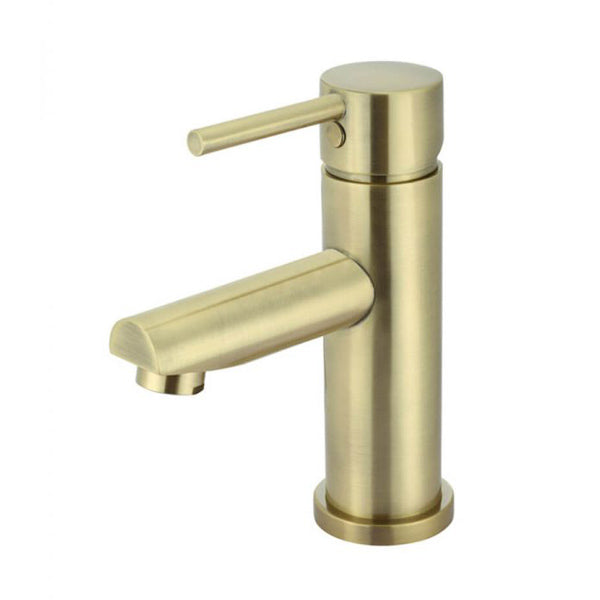
Sold out Meir Round Tiger Bronze Basin Mixer
Checking delivery...$549$0 (-0%) offRRP of $549 -

Sold out Nero Mini Cistern Stop Brushed Bronze
Checking delivery...$74$0 (-0%) offRRP of $74 -
-
Lifetime Warranty
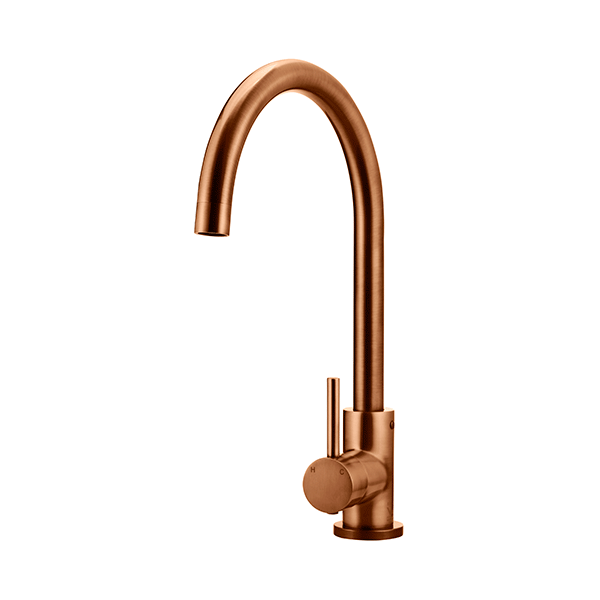
Sold out Meir Round Kitchen Sink Mixer - Lustre Bronze
Checking delivery...$749$0 (-0%) offRRP of $749 -

Sold out Nero Mecca Tall Basin Mixer Brushed Bronze
Checking delivery...$552$0 (-0%) offRRP of $552 -
Lifetime Warranty
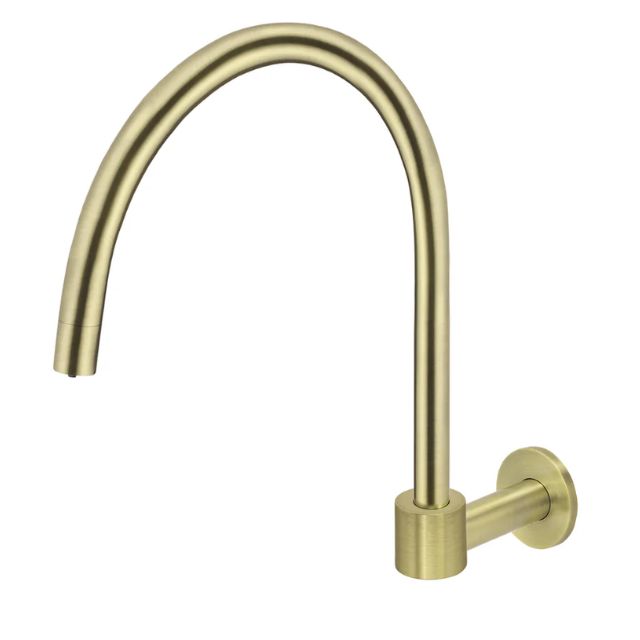
Sold out Meir Round High-Rise Swivel Wall Spout Tiger Bronze
Checking delivery...$411$0 (-0%) offRRP of $411 -
Lifetime Warranty
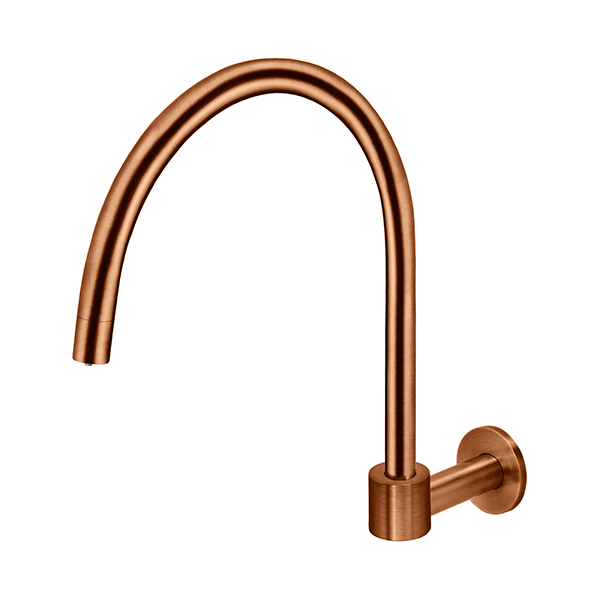
Sold out Meir Round High-Rise Swivel Wall Spout Lustre Bronze
Checking delivery...$436$0 (-0%) offRRP of $436 -
Lifetime Warranty
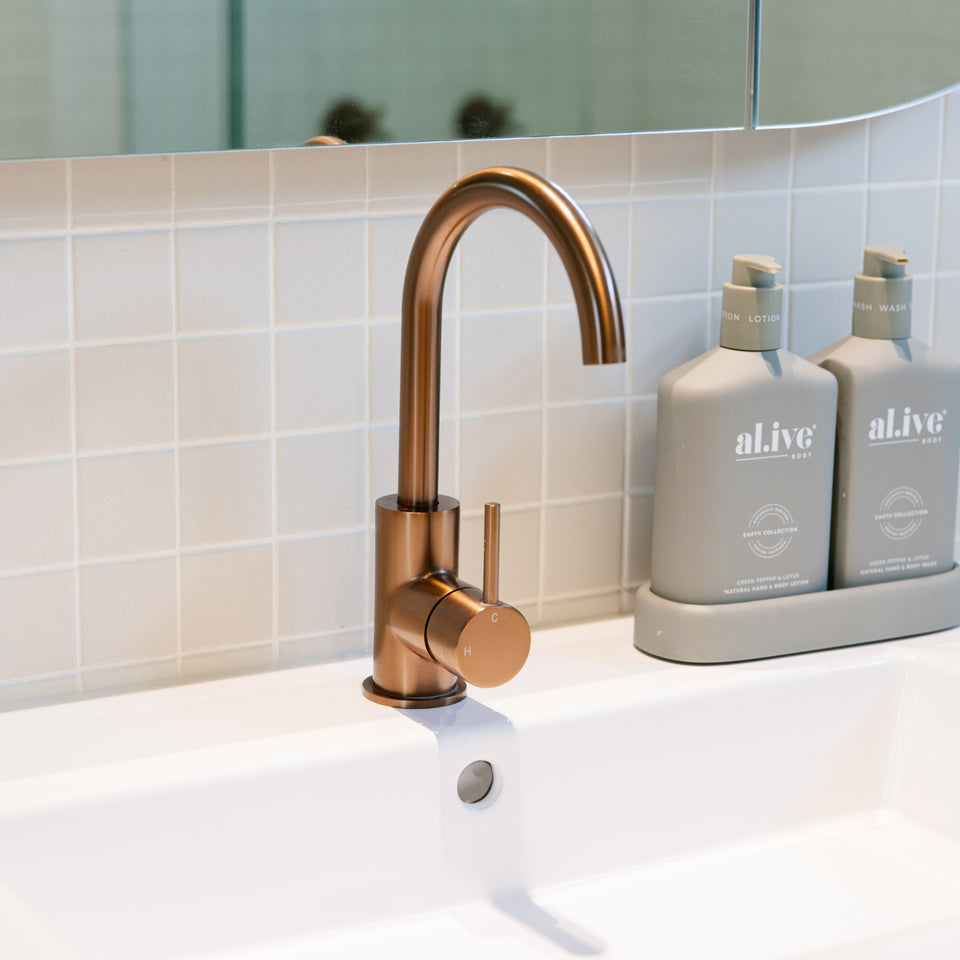
Sold out Meir Round Gooseneck Basin Mixer with Cold Start Lustre Bronze
Checking delivery...$661$0 (-0%) offRRP of $661 -
Lifetime Warranty
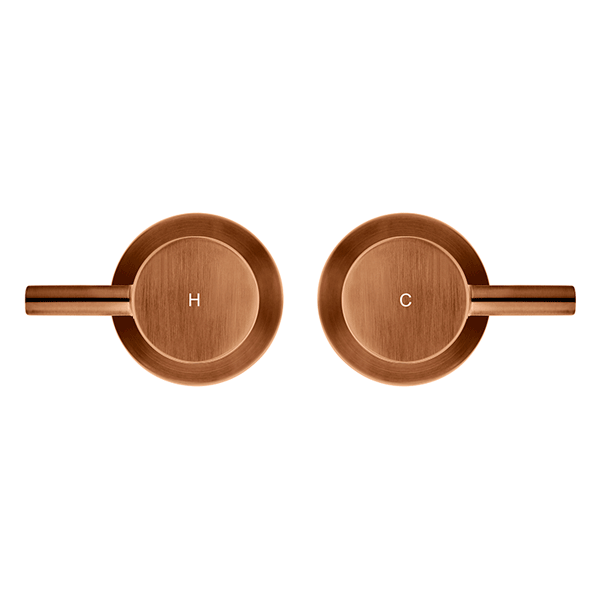
Sold out Meir Round Quarter Turn Wall Top Assemblies Lustre Bronze
Checking delivery...$474$0 (-0%) offRRP of $474 -
Lifetime Warranty
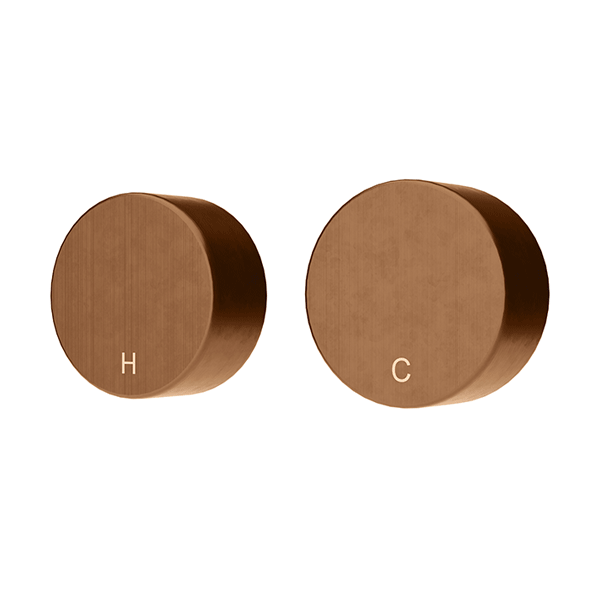
Sold out Meir Circular Wall Taps Lustre Bronze
Checking delivery...$511$0 (-0%) offRRP of $511 -
In StockLifetime Warranty

Sold out Meir Paddle Round Tall Basin Mixer - Tiger Bronze
Checking delivery...$674$0 (-0%) offRRP of $674 -
Lifetime Warranty
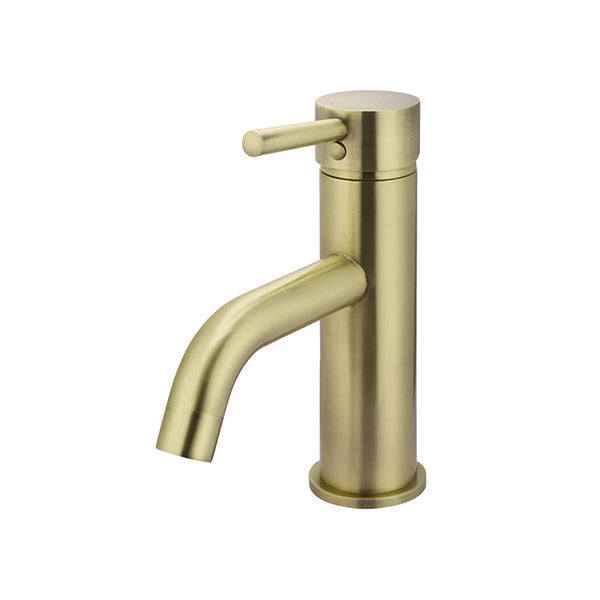
Sold out Meir Round Tiger Bronze Basin Mixer with Curved Spout
Checking delivery...$624$0 (-0%) offRRP of $624 -
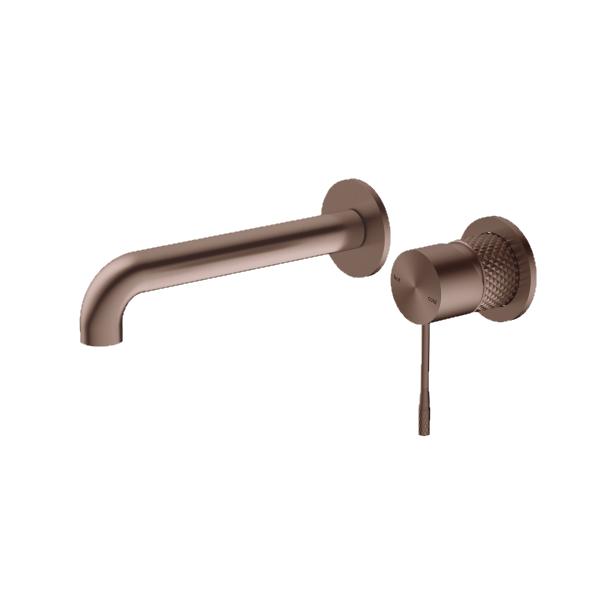
Sold out Nero Opal Wall Basin/Bath Mixer Separate Back Plate 185mm Brushed Bronze
Checking delivery...$942$0 (-0%) offRRP of $942 -
Lifetime Warranty
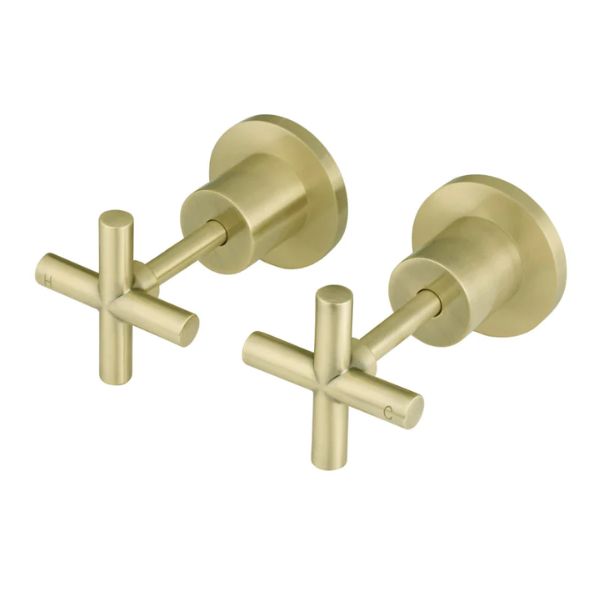
Sold out Meir Round Cross Jumper Valve Wall Top Assemblies Tiger Bronze
Checking delivery...$486$0 (-0%) offRRP of $486 -
Lifetime Warranty
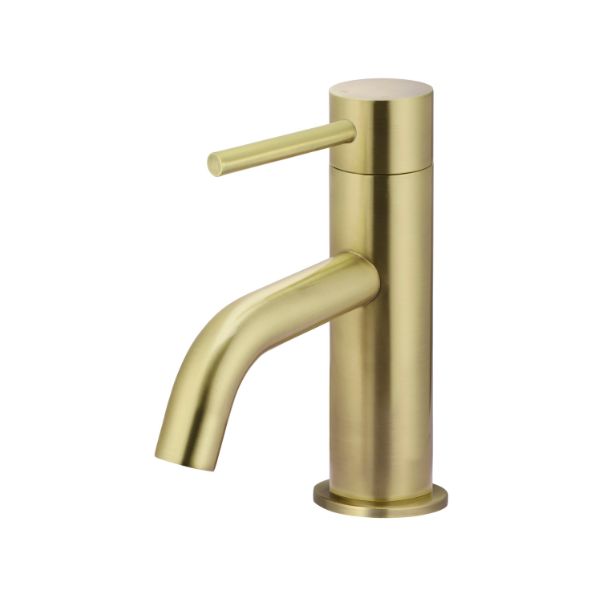
Sold out Meir Piccola Basin Mixer - Tiger Bronze
Checking delivery...$449$0 (-0%) offRRP of $449 -


Bronze taps buying guide
Bronze tapware is a warm, dark metal finish that sits between brass and copper. On this page it comes as brushed bronze, lustre bronze, tiger bronze and antique or aged bronze, across basin mixers, shower and bath mixers, wall sets, bath fillers, spouts and sink mixers. The guide below sets out what the finish is, how it compares with brass and copper, how it is made, what it suits and how to look after it, then the measurements to check for each type of tap.
What bronze tapware is
Bronze is a coating colour, not a solid bronze tap. The body is brass or stainless steel, and the bronze tone is applied over it. Brushed bronze has a fine directional grain and a soft, low sheen. Lustre bronze has a slightly richer, glossier look, and tiger bronze has a deeper, more variegated tone. Antique and aged bronze are darker again, and some are made to look worn.
The names are not standard across makers, so the same name can look different from one range to the next. Judge a finish by the product photo in daylight, and order a sample if the tap has to match something else in the room.
Bronze, copper or brass
Bronze is darker and more grounded than copper, which is brighter and redder, and darker and browner than brass, which is yellower. That difference matters in a mixed room: a red-brown bronze beside a yellow brass reads as a mismatch, so choose one warm tone and carry it through. If the room already has brass, see brushed brass taps or gold taps and stay with that family. If you want a lighter, cooler neutral, brushed nickel tapware is the usual choice.
Is brushed bronze still in style
Yes, and it has staying power because it behaves like a neutral. It sits with earthy palettes, natural stone, timber, terrazzo and dark tiles, and it reads as warm without the shine of polished brass. It suits organic, Japandi, hotel luxe and contemporary rooms, and it works in a traditional room when the tap shape is classic. If you want the safest long-term choice, pick a simple shape and let the finish carry the room.
How bronze finishes are made
Most of the bronze taps here use PVD, which stands for physical vapour deposition. PVD bonds a thin metal layer to the body in a vacuum, and it resists scratching, corrosion and tarnish better than standard plating. A smaller number are electroplated. The process differs by range, so check the product page for the exact tap rather than assuming one answer. A living or unsealed finish will darken and change with use, which suits some people and not others, so confirm whether a tap is PVD or unsealed before you buy.
Tiles, walls and materials that suit bronze
Bronze looks best against materials with some warmth or depth. Cream and warm white tiles, sand and clay tones, travertine and limestone look suit it, and so do dark green, charcoal and navy walls where the metal gives a soft warm contrast. Timber vanities in oak or walnut bring the same warmth into the room. Cool grey tiles and stark white can make bronze look flat, so hold a sample against your tile before you decide.
Replacing existing taps with bronze
The hole matters more than the style. Keep the existing layout where you can: a mixer replaces a mixer in the same hole, and a three piece set replaces a three piece set at the same spacing. A bench mounted or basin mounted tap is among the quickest bathroom updates, because a plumber can work from under the vanity. In a shower or bath, check whether the existing in-wall body suits the new trim before you order, because bodies differ between makers.
Looking after bronze taps
Wipe the tap with a soft microfibre cloth after use, and clean it with warm water and a little mild soap. Dry it so water does not set on the surface. Avoid bleach, harsh bathroom sprays, abrasive pads and scourers. If a strong cleaner touches the tap, rinse it straight away with warm soapy water. A hard knock from a tool or a ring can chip a PVD coating, so wrap a cloth around the body when it is fitted. Near the coast, salt and humidity build up faster on any finish, so clean more often.
Bronze taps for the basin
A basin mixer is the main choice: one lever sets temperature and flow, and it fits most vanities with a single tap hole of 35mm. See basin mixers for the full group. Reaches on this page run from about 105mm on compact mixers to about 180mm on longer spouts. The stream should land in the centre of the bowl, not on the rim, so match the spout height to the basin: a standard mixer for an undermount or inset basin, a tall mixer for a bowl that sits on the bench. See tall basin mixers.
For a traditional look, three piece sets pair a central spout with separate hot and cold handles, and they need three holes. A wall basin and bath mixer set keeps the bench clear, and the plumbing has to be roughed in before tiling. If you only need an outlet, see spouts.
Bronze taps for the bath and shower
For the bath, you choose between a wall mounted spout, a hob spout on the deck of a built-in bath, and a floor mounted filler for a freestanding bath. See bath fillers for these. A freestanding filler needs a clear run to the floor and a pipe position that matches the bath. For the shower, a mixer controls temperature and flow with one handle, and the plate comes in round or square forms. See shower mixers. Some ranges use a progressive handle that starts on cold and warms as it turns, which saves hot water on a quick rinse.
Bronze taps for the kitchen
Bronze suits a kitchen with timber, stone or dark cabinetry, and the brushed grain hides fingerprints from wet hands. A pull out sink mixer draws the hose toward you and suits cooks and large bowls, and a gooseneck sink mixer gives height for tall pots. Check the spout height against any overhead cabinet and the reach against the sink.
Mounting and measuring
Choose the mounting first, then how easily the tap can be serviced, then the look. Hob mounted taps sit on the basin or bench and are the easier fit in a renovation. Wall mounted taps keep the bench clear and need the in-wall plumbing planned before tiling, and floor mounted fillers need the floor outlet in the right place. Measure the hole size, the pipe centres on a wall set, the basin depth and the clearance to the mirror before you order.
Cartridge, body and lead-free rules
We recommend a solid brass body and a ceramic disc cartridge. A ceramic disc cartridge uses two ceramic plates to control the water, resists wear and shuts off cleanly for years. Many of the taps here are lead-free brass, and some ranges are 316L stainless steel, which suits coastal and outdoor use. The National Construction Code limits lead in plumbing products that touch drinking water to 0.25 percent from 1 May 2026. Check WaterMark approval on the product page, and use a licensed plumber to fit the tap.
Water use and pressure
WELS is the Australian water efficiency label, and more stars means the tap uses less water. Use it to compare taps, and check the rating on the product page. Mains pressure gives you the most choice. Low pressure and gravity fed systems need a tap rated for it, and a long reach or rain style spout needs more pressure than a compact basin mixer. Some mixers have a cold start position, which sends cold water only when the lever sits in the centre.
What comes in the box
The contents depend on the tap. A basin or sink mixer comes with the mixer, installation instructions and usually an installation kit, and a bench mounted mixer often adds flexible hoses. A wall set comes with the spout, the handles or mixer, a backplate and an installation kit. A shower or bath mixer may come as a universal body with a trim kit, or as the trim only, so the in-wall body may be sold separately. Read the product page for the exact list before you order.
Matching bronze across the room
Keep the main fittings in one finish: the basin mixer, shower, bath outlet and kitchen tap. Bronze varies a little between makers, because the base metal, the coating and the lighting all change the tone, so a full set from one range keeps it even. Bronze pairs well with a matte black accent such as black taps, and with the quieter greys of gunmetal tapware. Limit a room to two finishes and let one lead.
Bronze taps by brand
The bronze taps on this page include Nero taps, Meir taps, Phoenix taps, Caroma taps and Modern National tapware. Staying with one brand and range keeps the handles, spouts and finish consistent through the room. The full group is on our taps page.

