


Brushed Brass Cabinet Handles
13 Items
-
In Stock
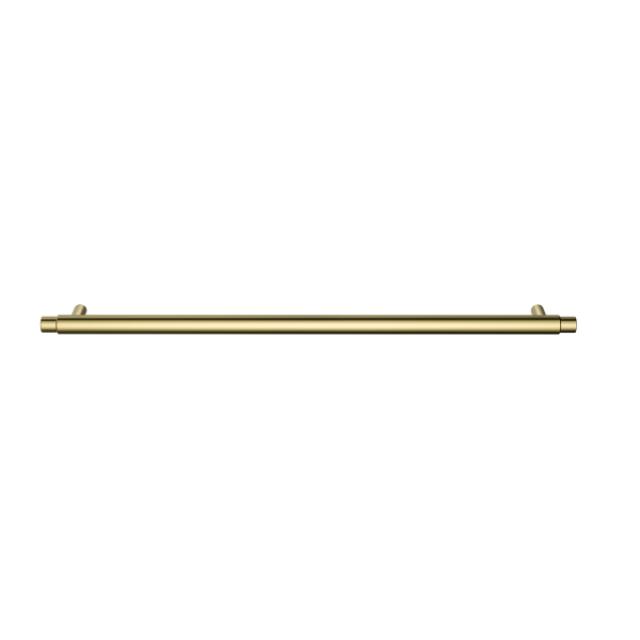
Sold out Meir Oppen Round Pull 328mm Cabinet Handle Tiger Bronze
Checking delivery...$86$0 (-0%) offRRP of $86 -
In Stock
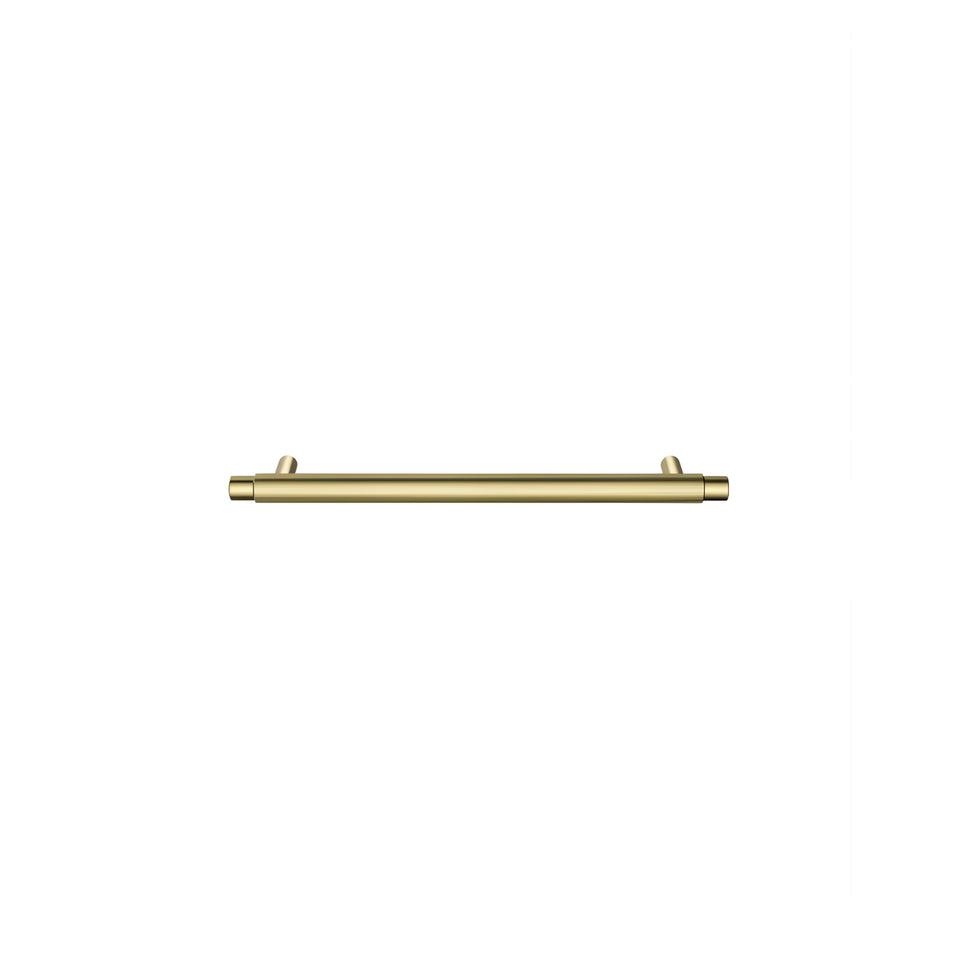
Sold out Meir Oppen Round Pull 200mm Cabinet Handle Knurled Tiger Bronze
Checking delivery...$61$0 (-0%) offRRP of $61 -
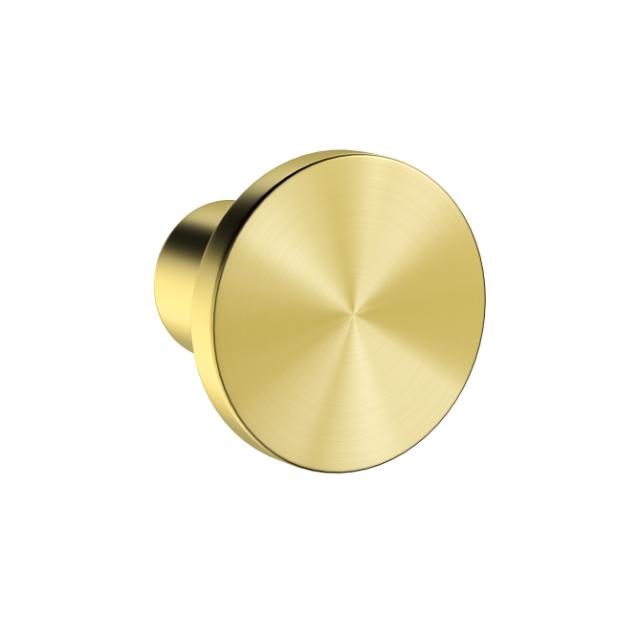
Sold out Meir Oppen Knob Cabinet Handle Tiger Bronze
Checking delivery...$61$0 (-0%) offRRP of $61 -
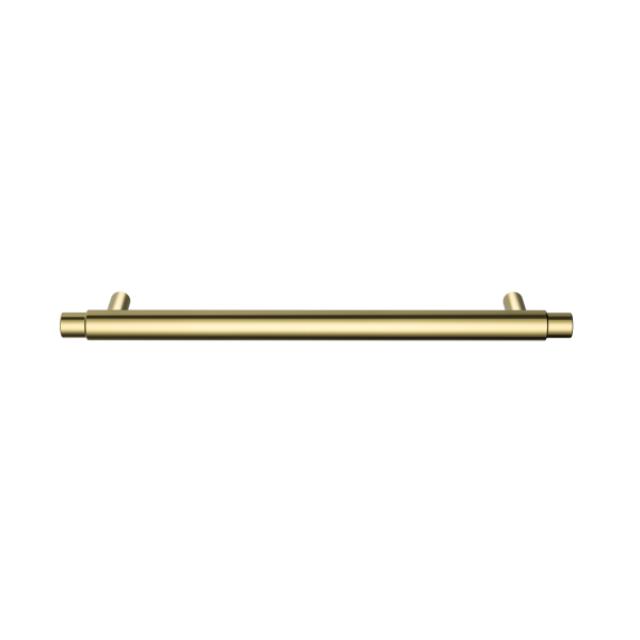
Sold out Meir Oppen Round Pull 200mm Cabinet Handle Tiger Bronze
Checking delivery...$61$0 (-0%) offRRP of $61 -
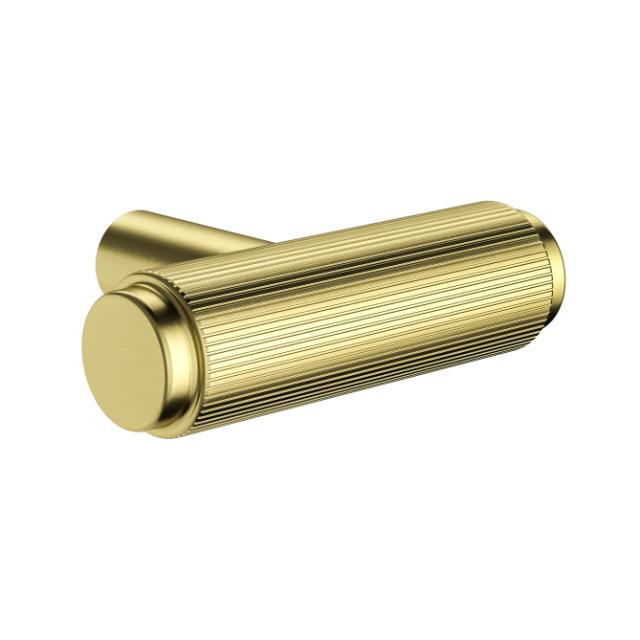
Sold out Meir Oppen T-Pull Cabinet Handle Knurled Tiger Bronze
Checking delivery...$31$0 (-0%) offRRP of $31 -

Sale On Now!
Up to 70% off across the store, plus free towels and mirrors up for grabs on orders over $800*
-
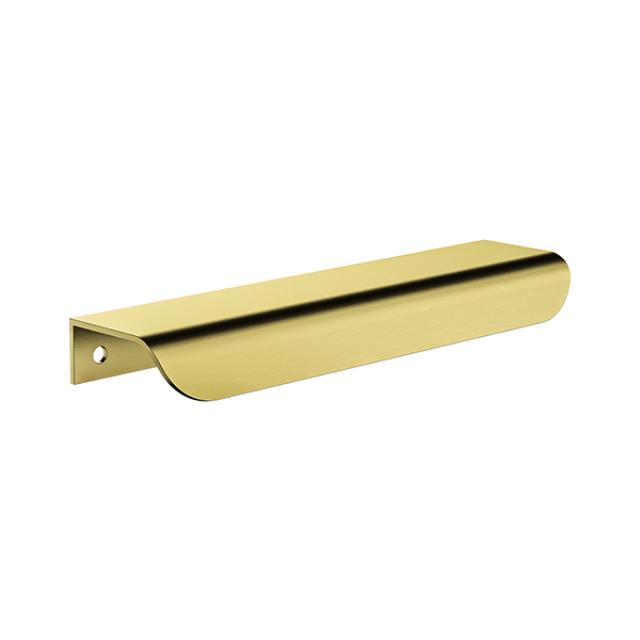
Sold out Meir Oppen Edge-Pull 150mm Cabinet Handle Tiger Bronze
Checking delivery...$69$0 (-0%) offRRP of $69 -
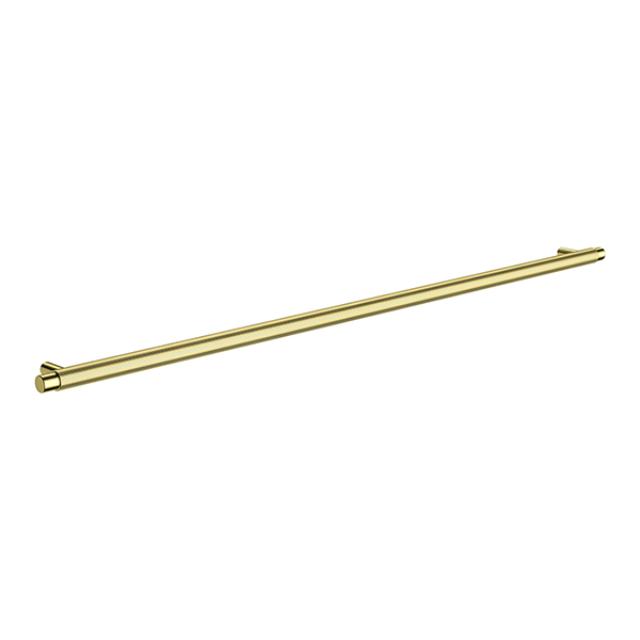
Sold out Meir Oppen Round Pull 520mm Cabinet Handle Knurled Tiger Bronze
Checking delivery...$124$0 (-0%) offRRP of $124 -
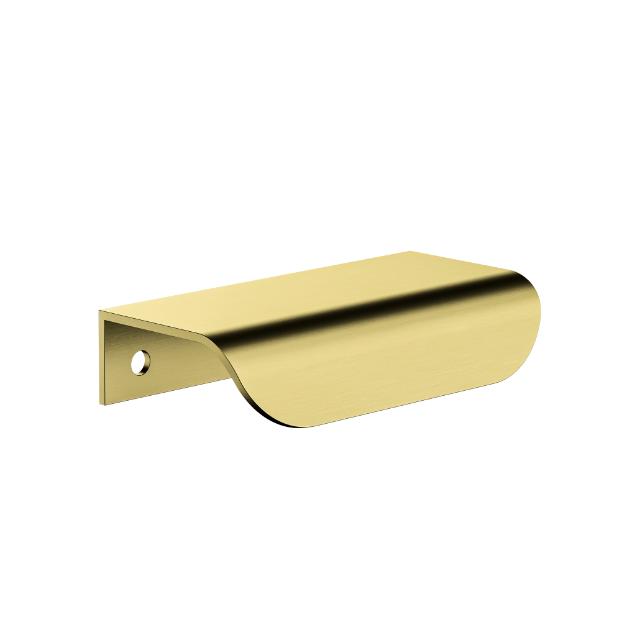
Sold out Meir Oppen Edge-Pull 75mm Cabinet Handle Tiger Bronze
Checking delivery...$49$0 (-0%) offRRP of $49 -
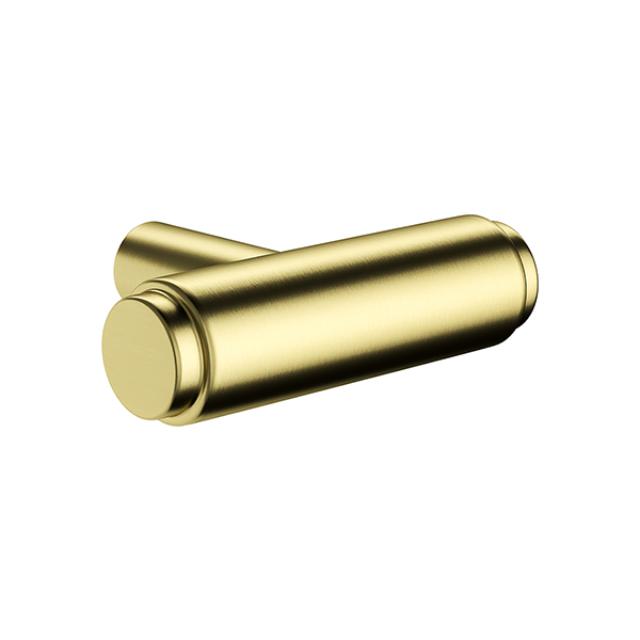
Sold out Meir Oppen T-Pull Cabinet Handle Tiger Bronze
Checking delivery...$31$0 (-0%) offRRP of $31 -
-
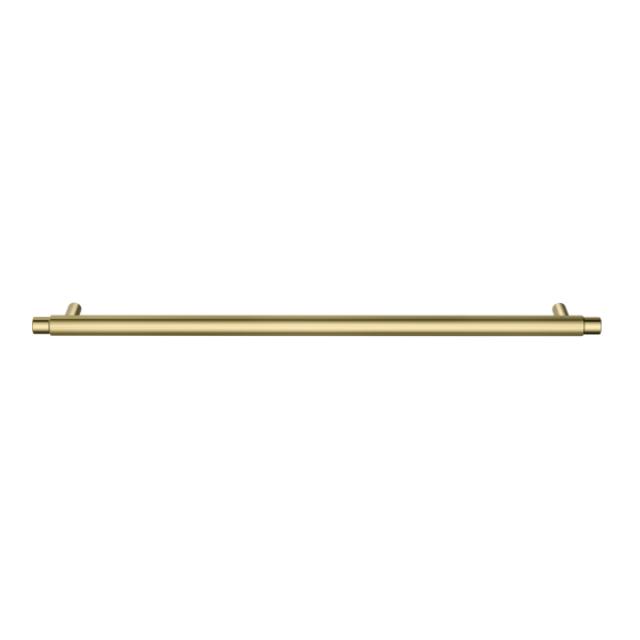
Sold out Meir Oppen Round Pull 328mm Cabinet Handle Knurled Tiger Bronze
Checking delivery...$86$0 (-0%) offRRP of $86 -
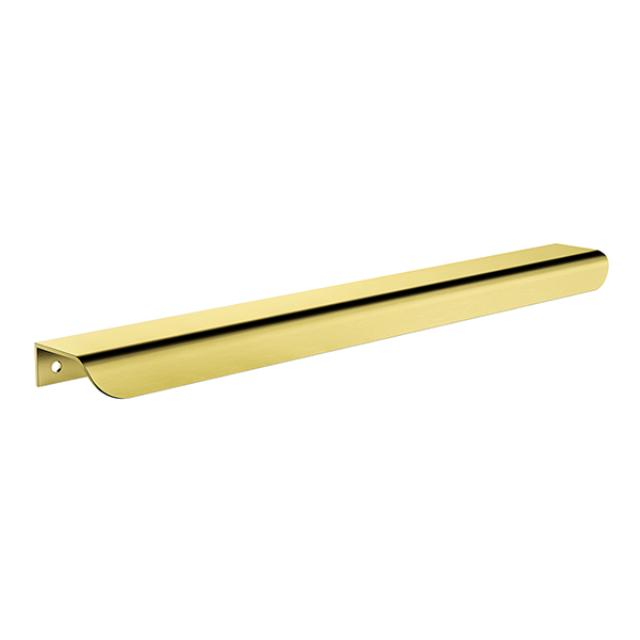
Sold out Meir Oppen Edge-Pull 300mm Cabinet Handle Tiger Bronze
Checking delivery...$86$0 (-0%) offRRP of $86 -
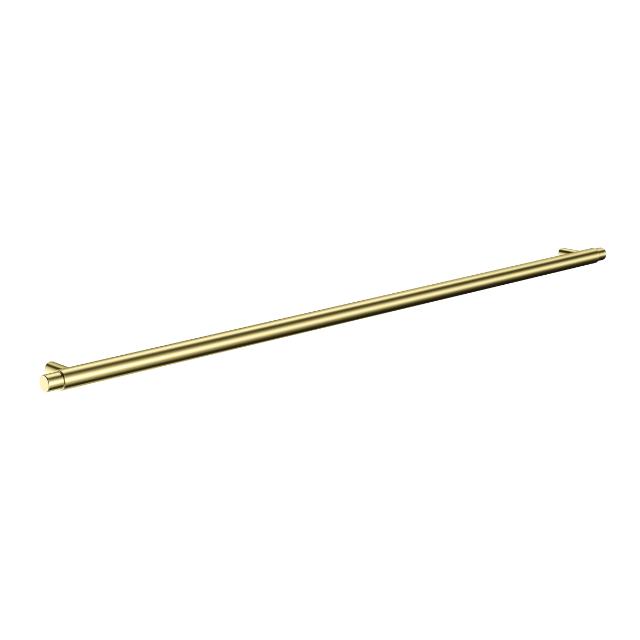
Sold out Meir Oppen Round Pull 520mm Cabinet Handle Tiger Bronze
Checking delivery...$124$0 (-0%) offRRP of $124 -
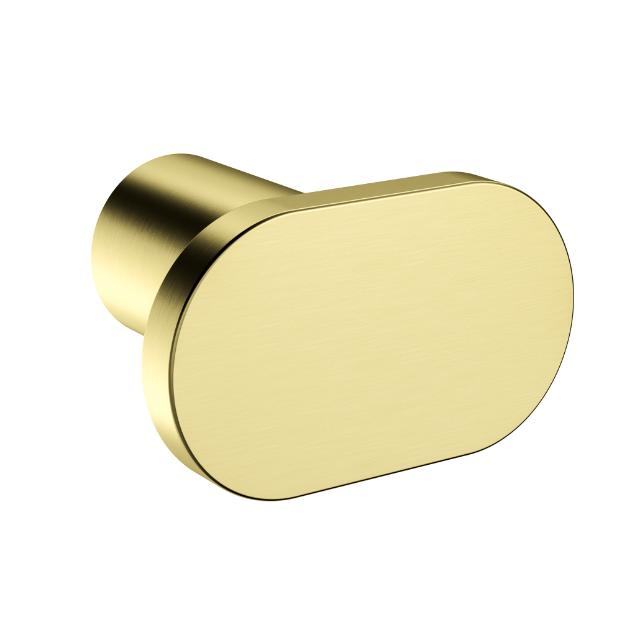
Sold out Meir Oppen T-Pull Cabinet Handle Oval Tiger Bronze
Checking delivery...$61$0 (-0%) offRRP of $61
Brushed brass cabinet handles buying guide
Brushed brass is a warm metal finish with fine, directional lines across the surface. The lines give it a soft, matte texture and a muted golden sheen, and they scatter light instead of reflecting it as a mirror does. This page holds brushed brass and satin brass cabinet handles, knobs and pulls for kitchen, bathroom, laundry and wardrobe cabinetry. Four questions decide the order: which coating the finish has, what metal sits under it, which type and size fits the door, and what it will sit beside. The sections below take them in that order. For handles in every finish, start at cabinet handles.
Brushed, polished or antique brass
Brass comes in three looks, and the difference shows up in daily use. Polished brass is bright and mirror-like, with a traditional or glamorous feel. Fingerprints show on it immediately, so it suits a few statement pieces in a large kitchen for people who accept regular wiping. Brushed brass has a soft matte texture with subtle lines from brushing, and it hides fingerprints well. It suits modern, transitional and minimalist kitchens, complements wood and stone, and can sit beside other metals, which makes it the practical choice for a busy household or an open-plan kitchen that is always on show.
Is brushed brass the same as brass
Brass is the metal, an alloy of copper and zinc, and brushed is the surface treatment. Brushing makes fine parallel lines in the surface, and the finish is then protected in one of several ways. Brushed brass differs from brass as a colour, because plenty of brushed brass handles are made from zinc alloy, aluminium or stainless steel with a brass-coloured finish. The spec line on each product shows the material, and it is worth reading before you choose.
The coating decides how it ages
The coating is the part that changes how a brushed brass handle looks in five years. There are four kinds.
A lacquered finish is a clear coating over the brass. It seals the metal and prevents oxidation, so the handle keeps a smooth, consistent, warm and traditional gold look. Lacquer is durable for standard residential use, though after years of heavy use or exposure to harsh chemicals it can wear or break down, and the brass underneath starts to age. An unlacquered finish has no coating and develops a patina, which many people choose on purpose. An electroplated finish is a thin metal layer deposited on the surface, and it is low in upkeep. A PVD finish, short for physical vapour deposition, bonds a hard-wearing layer to the surface in a vacuum chamber. PVD is far more scratch resistant than lacquer and more durable than conventional electroplating, and it is designed not to tarnish or patina when it is cared for.
Lacquered brass suits bedrooms, wardrobes and low-moisture areas, and PVD suits kitchens, bathrooms and coastal homes. Polished and satin lacquered brass are not suitable for coastal areas, because salt air can tarnish them. The spec line on each product says what the handle has. This page shows satin lacquer on the Iver Cali handle, electroplated finishes on several zinc alloy ranges, and PVD on others, so read the line for the handle you choose. If a coating is not stated, ask before you order.
Base metal
The metal under the finish sets the weight and the life of the handle. Solid brass is the heavy, dense option. Forged brass is the strongest and densest form, while cast brass is a simpler pouring method. A solid brass handle has a weight you can feel, and a scratch does not reveal a different-coloured metal underneath. Zinc alloy is lighter, and some products have zinc alloy bodies, so confirm the body material and the finish before ordering. Aluminium handles are light in the hand, and stainless steel with a brass-coloured PVD finish is the corrosion-resistant choice for wet rooms.
Type and shape
A knob fixes with one screw at a single point, which suits doors and small drawers. A pull handle fixes at two points and gives a firmer grip, which suits wide drawers and pantry doors. The page includes bar handles, D handles, T-bar handles, cup pulls, lip pulls and appliance pulls. See cabinet pull handles, cabinet knobs, cup pulls, lip pulls and appliance pulls.
Sizes and hole centres
A pull is sized by the distance between its two screw holes, measured centre to centre, and not by its overall length. If you are replacing handles, measure the holes in your doors first. The centres people ask for most are 128mm and 160mm, and both appear on this page. The Iver Cali has a 128mm fixing distance, a 162mm overall length, a 9mm width and a 28mm projection. The Otti Nord pull comes in five lengths from 130mm to 380mm on centres of 96mm to 320mm, with a 33mm projection, and the Zanda Zurich knurled pull has 160mm centres, a 195mm overall length and a 30.5mm projection. Read the overall length and the centre as two separate lines. The Cali shows why: its 128mm centre and 162mm overall length differ by 34mm, so ordering by the longer figure would point to the wrong holes.
A starting rule for length is one third of the width of the drawer or door, so a 600mm drawer points to a handle near 200mm. It is a rule of thumb and not a strict rule. The same finish across different lengths looks cohesive, so one brushed brass family can carry a shorter pull on a small drawer and a long one on a wide drawer. See cabinet handles for the full sizing guide.
Fixing
Most pulls and knobs on this page fix from the back of the door with M4 screws or bolts, and the spec line shows which come in the box. The Iver Cali comes with M4 x 25mm and M4 x 45mm bolts, so one handle suits two door thicknesses. The standard screw is 24mm for doors thicker than 16mm, and for a thinner door the screws can be trimmed carefully, so you do not over-tighten and damage the handle or the door. Mark the handle positions with masking tape or a cardboard template before you drill.
What brushed brass pairs with
Brushed brass pairs with wood and stone, and greys, greens and blues are natural neighbours, along with navy, creamy whites, soft greys and deep, moody paint colours. The simplest check is the rest of the room: match the handles to the lighting, the tapware and the appliance trims, or choose a contrast on purpose. If you mix metals, pick one dominant finish and keep the others as accents. The sheen can also vary within one metal, for example brushed brass handles with a polished brass tap.
Tapware is the finish most likely to clash. Brushed brass taps and brushed brass handles from different makers rarely match exactly, as the naming section above explains, so compare in person or buy both from one range where you can. The brushed brass taps page shows the tapware side. For other warm and cool finishes, see bronze, brushed nickel and black cabinet handles.
Does brushed brass tarnish
It depends on the coating. Unlacquered brass is the most likely to tarnish and darken, because that is what it is made to do, and it can be polished back, although that removes some of the patina. A lacquered finish resists tarnishing while the coat is intact, then ages where the coat wears, usually around the places the hand lands. A PVD finish is the most durable of the three. Some gradual dulling or colour change is still possible over years of use whatever the finish. For handles that look the same in ten years, choose PVD or electroplated, and for a living finish, choose unlacquered.
Kitchen, bathroom and wardrobe
The room is the quickest way to choose the coating. For a kitchen, choose PVD, because a lacquered finish can age where it is handled most. PVD is also the choice for a bathroom. In a coastal home, avoid a lacquered finish. A wardrobe or bedroom cabinet is a low-moisture room, and lacquered brass is the right choice there.
Reading the product details
Every handle on this page has a spec line, and four items on it decide the order. The construction material says what the handle is made of, such as brass, solid brass, zinc alloy, aluminium or stainless steel. The finish or coating says whether it is lacquered, electroplated or PVD. The fixing distance says whether it fits your holes, and the projection says how far it stands off the door. The screws line says whether screws are included and what length. If any of these is missing for a handle you want, ask before you order. A brushed brass finish on zinc alloy and a brushed brass finish on solid brass are different purchases even when the photos look alike.
Looking after brushed brass handles
Wipe handles with a soft microfibre cloth and warm soapy water, and dry them to prevent watermarks. Wipe in the direction of the brushed grain, so the lines stay even. Diluted toothpaste and water reach hard-to-reach areas. Abrasive cloths, scourers and melamine sponges are out, and so are bleach, alcohol, ammonia, solvents, and acidic or citrus cleaners, and if one touches the handle, rinse straight away with warm soapy water. Lacquered brass should not get metal polish, because it can damage the lacquer and cause tarnishing, and once an antique lacquer is damaged the product keeps ageing. Unlacquered brass can be polished with a dry soft cloth, and a metal polish reduces the tarnish if you want it brighter. Keep masking tape and thinners away from any brass finish.
Other brass pieces and makers
For door levers and entrance pulls in brass, see brass door handles. For two makers with a wide brass choice, see Meir Oppen, Momo premium and the Castella cabinet handles.

