


Wardrobe Handles
27 Items
-
Australian Made
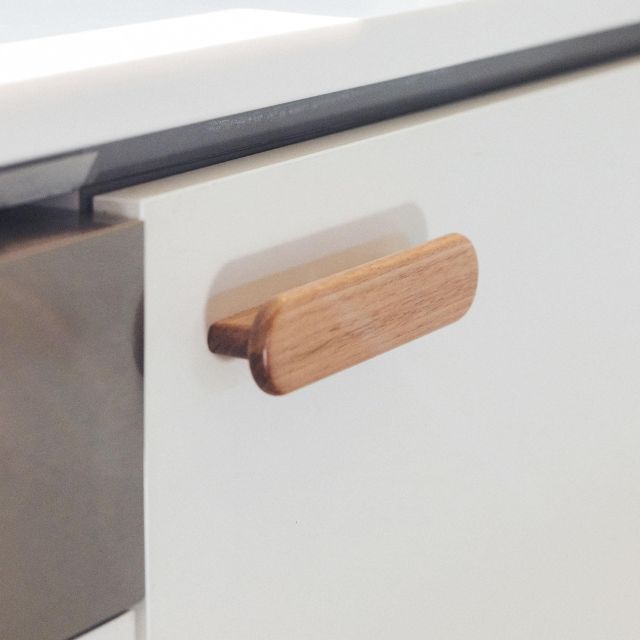
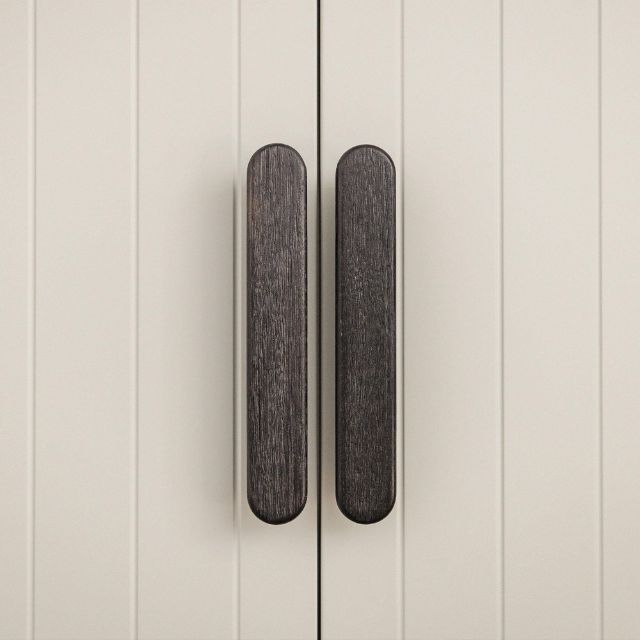
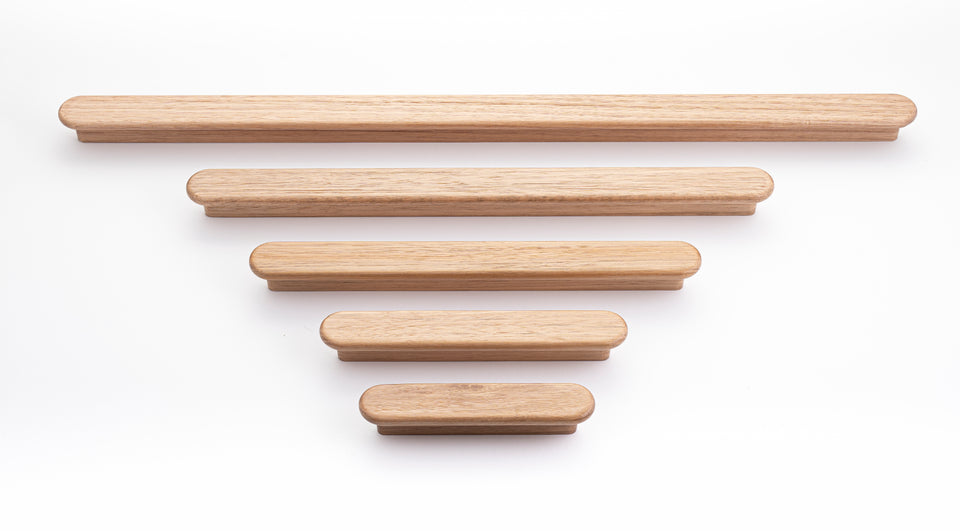
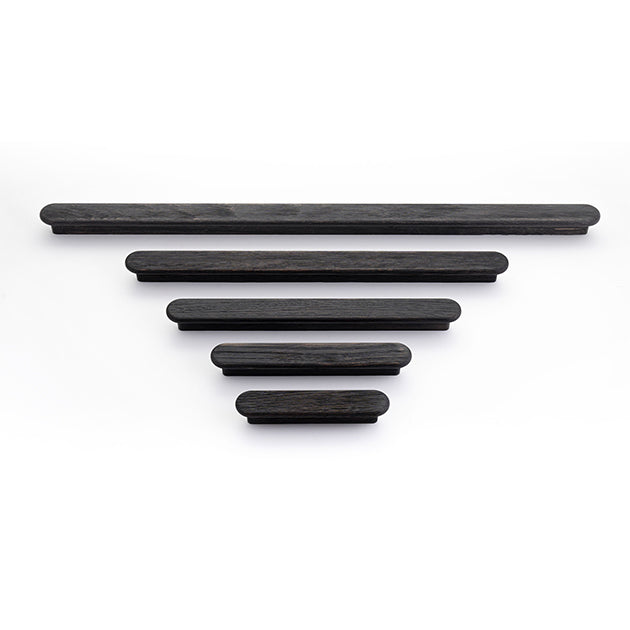
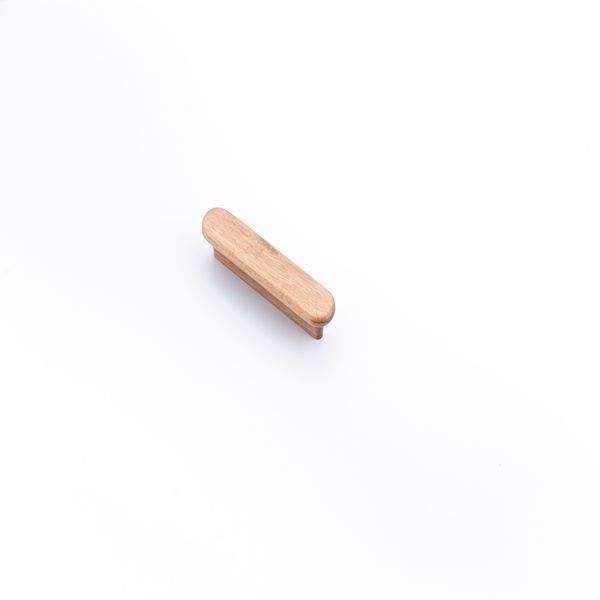
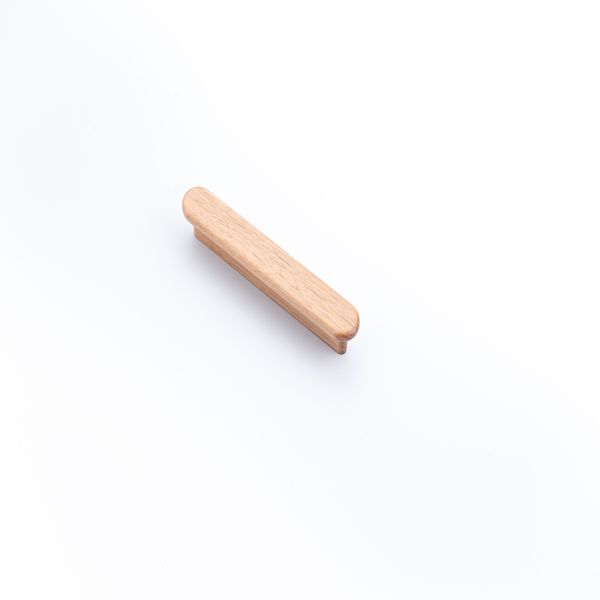
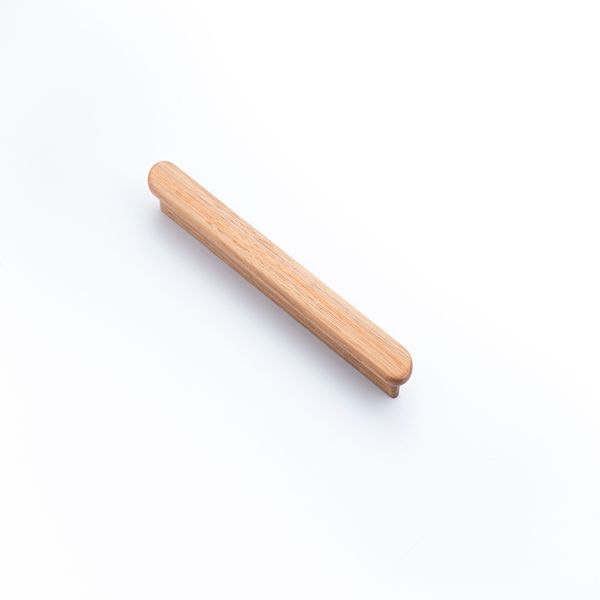
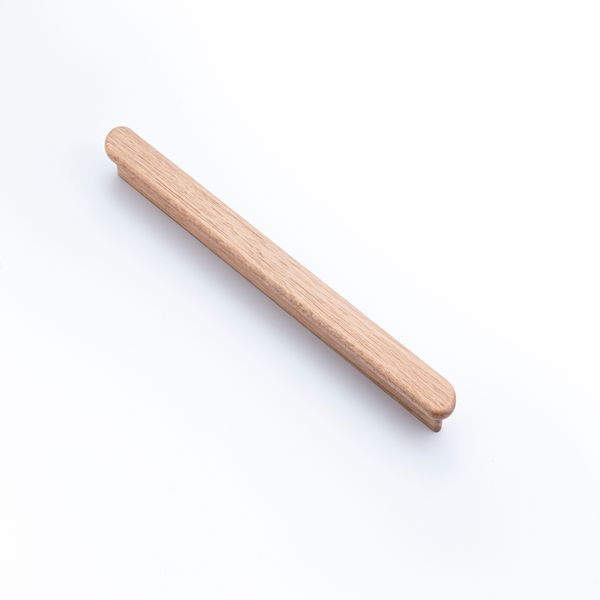
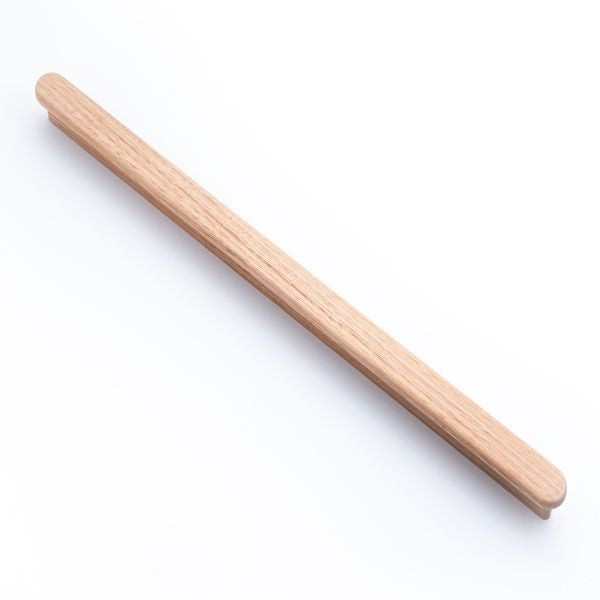
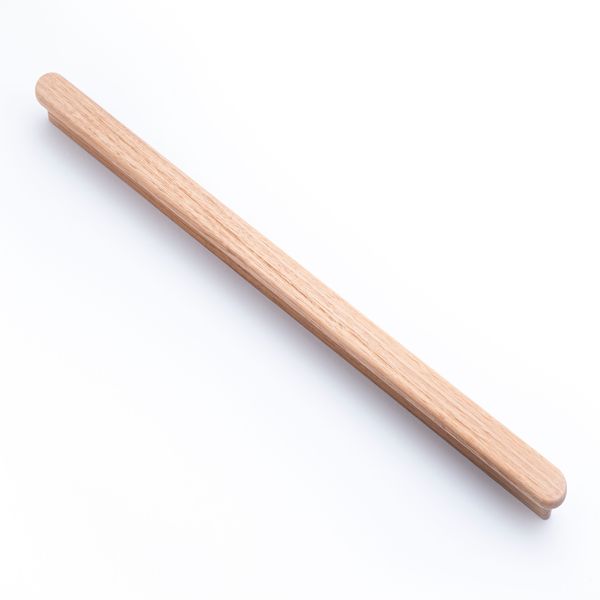
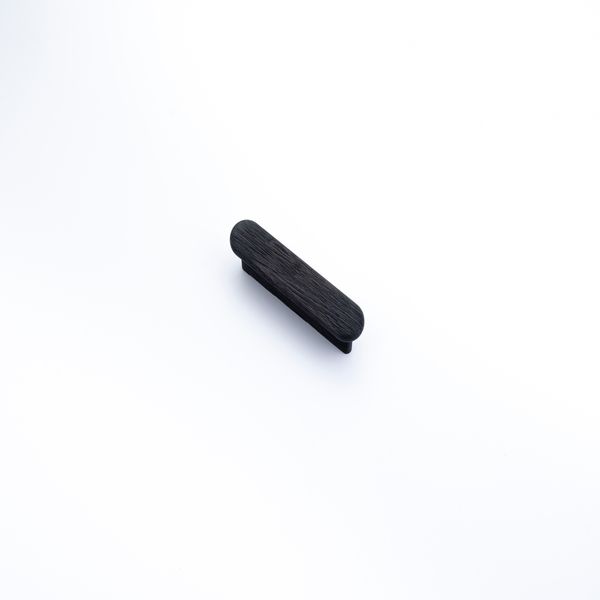
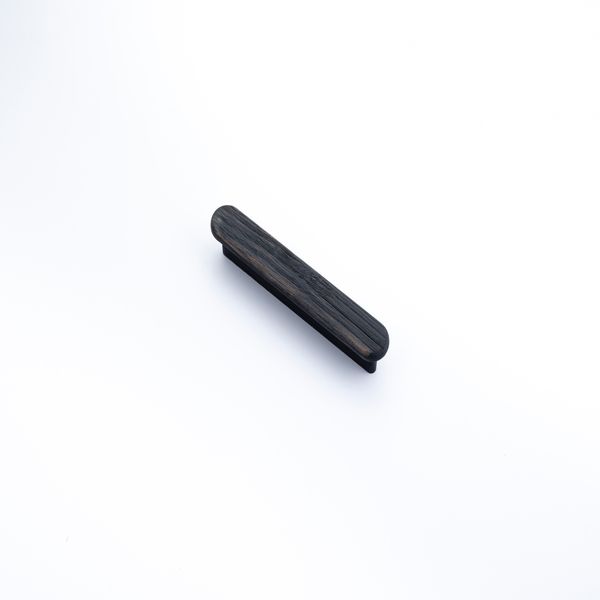
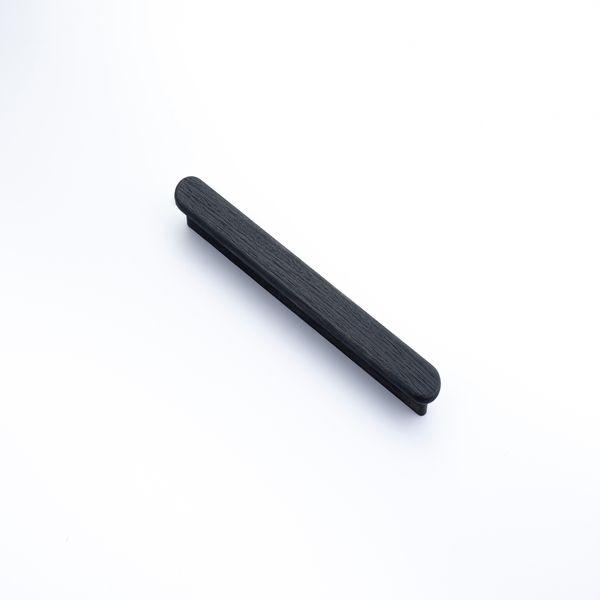
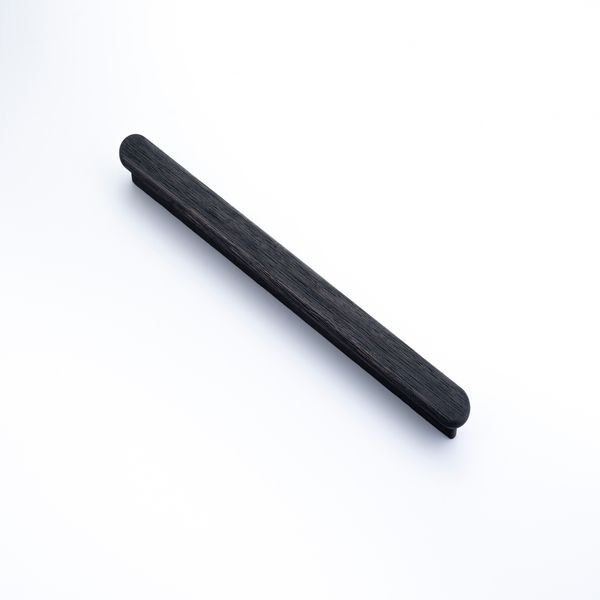
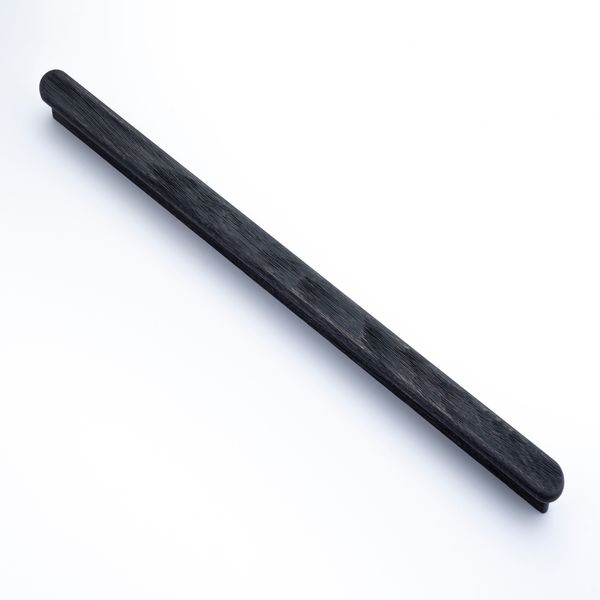
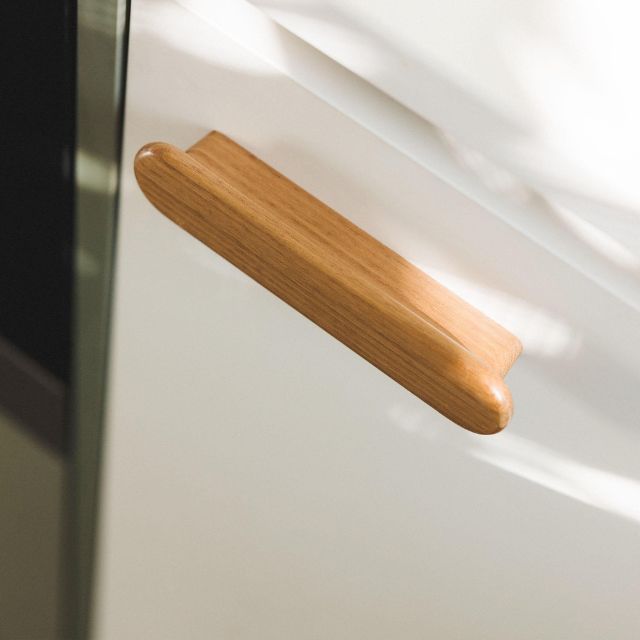
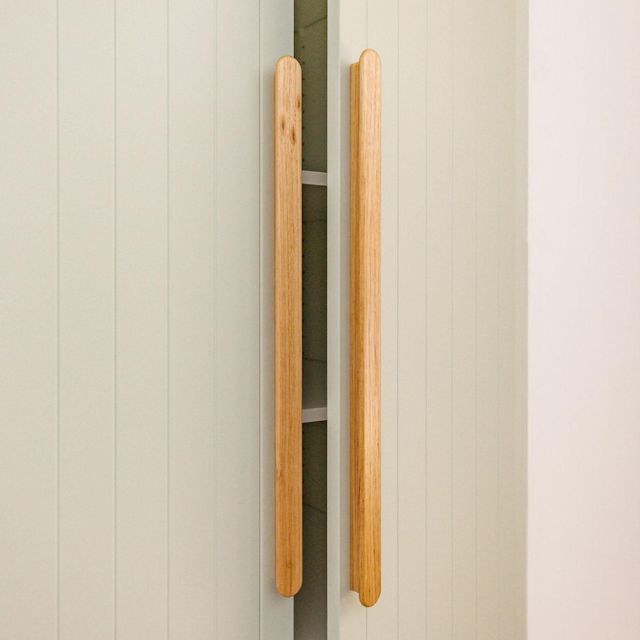
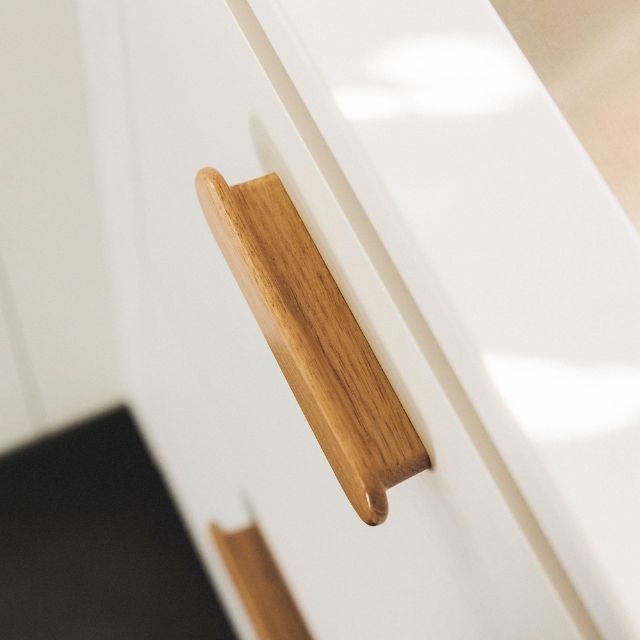
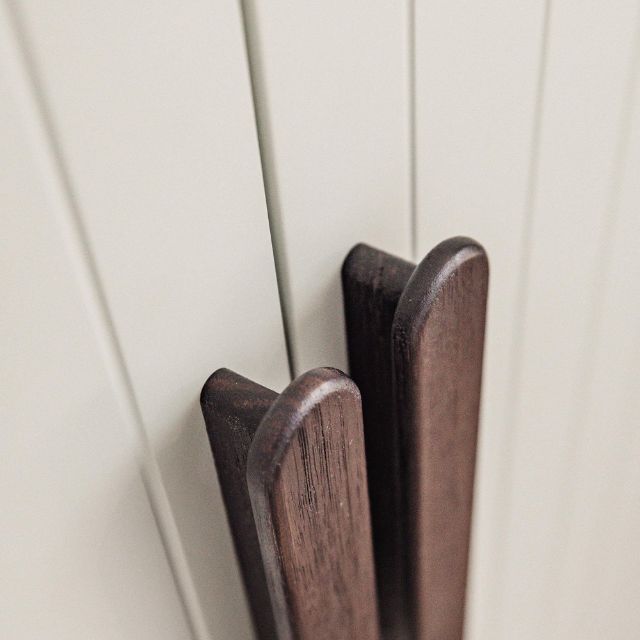

Sold out Australian Made Castella Hydrowood Iluka Timber Pull Handle
$89 -
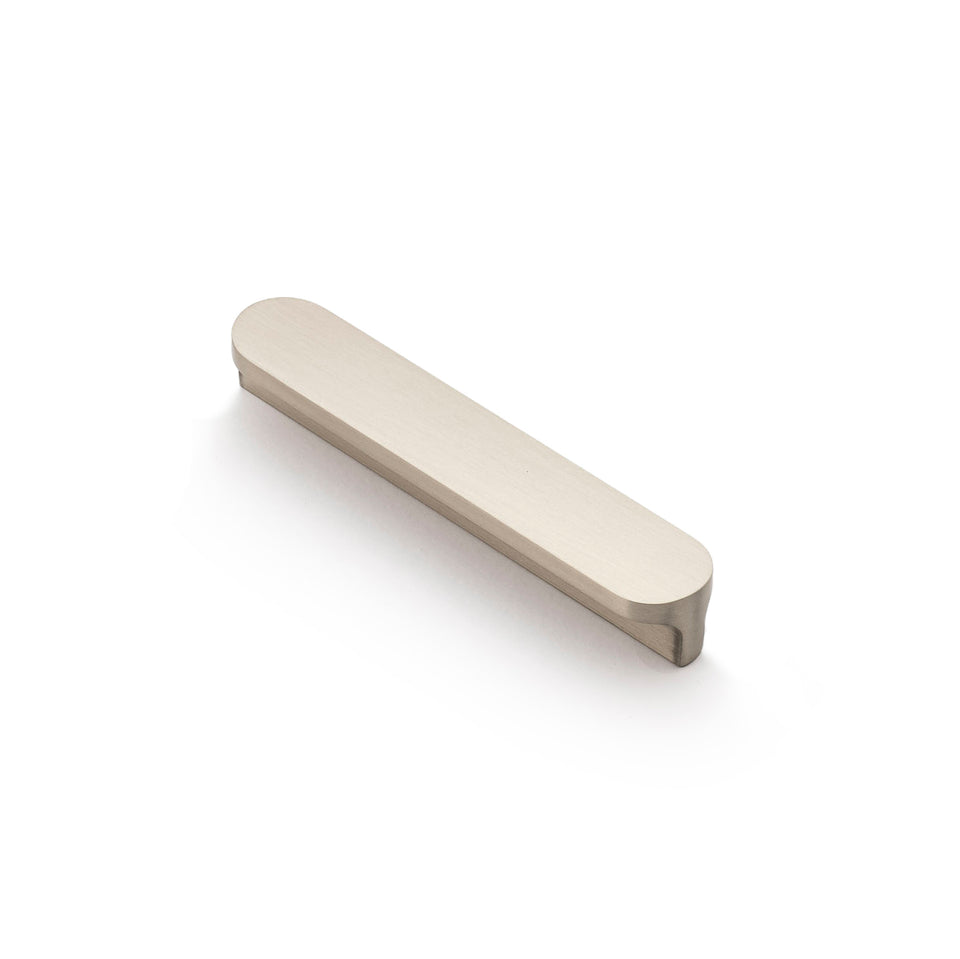
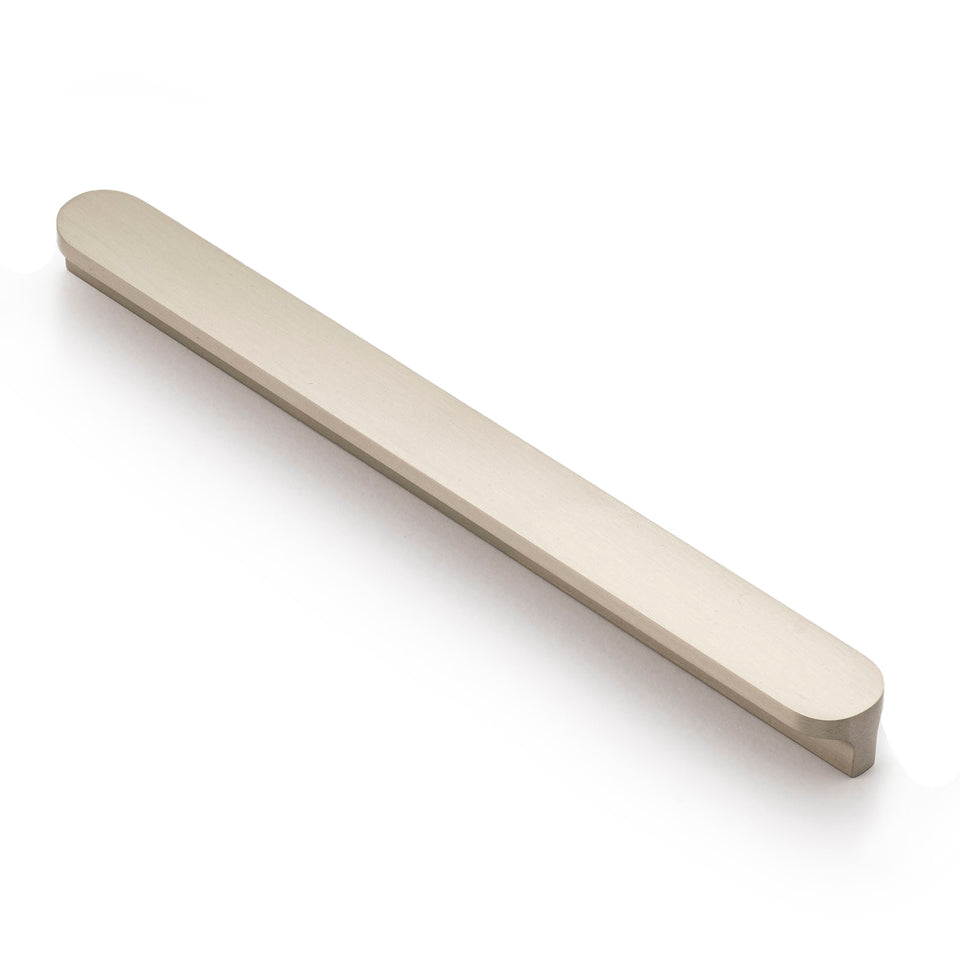

Sold out Castella Cove Pill Pull Handle Brushed Nickel
$48 -
Italian Made
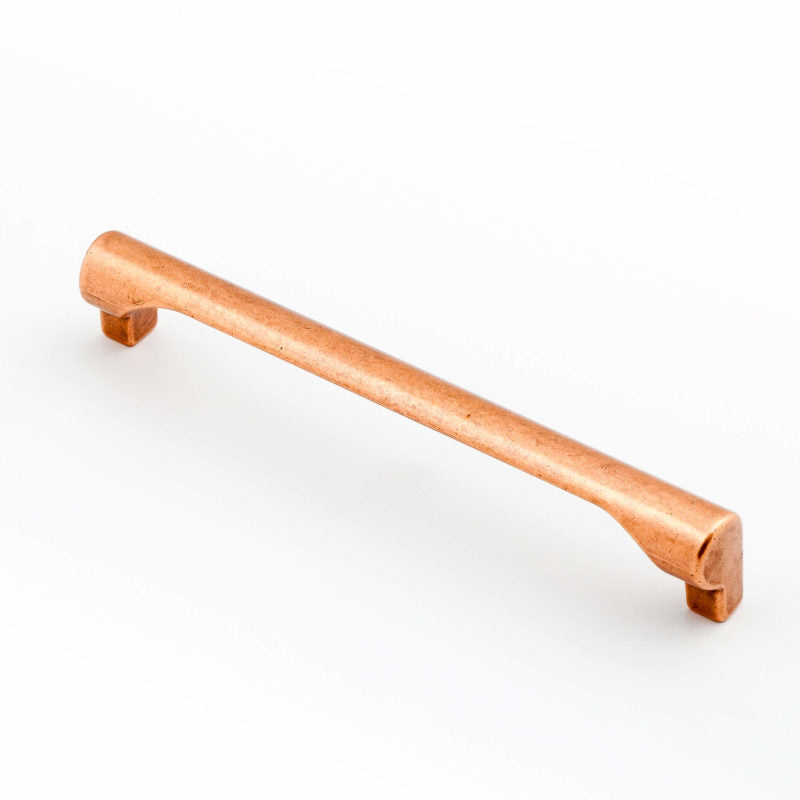
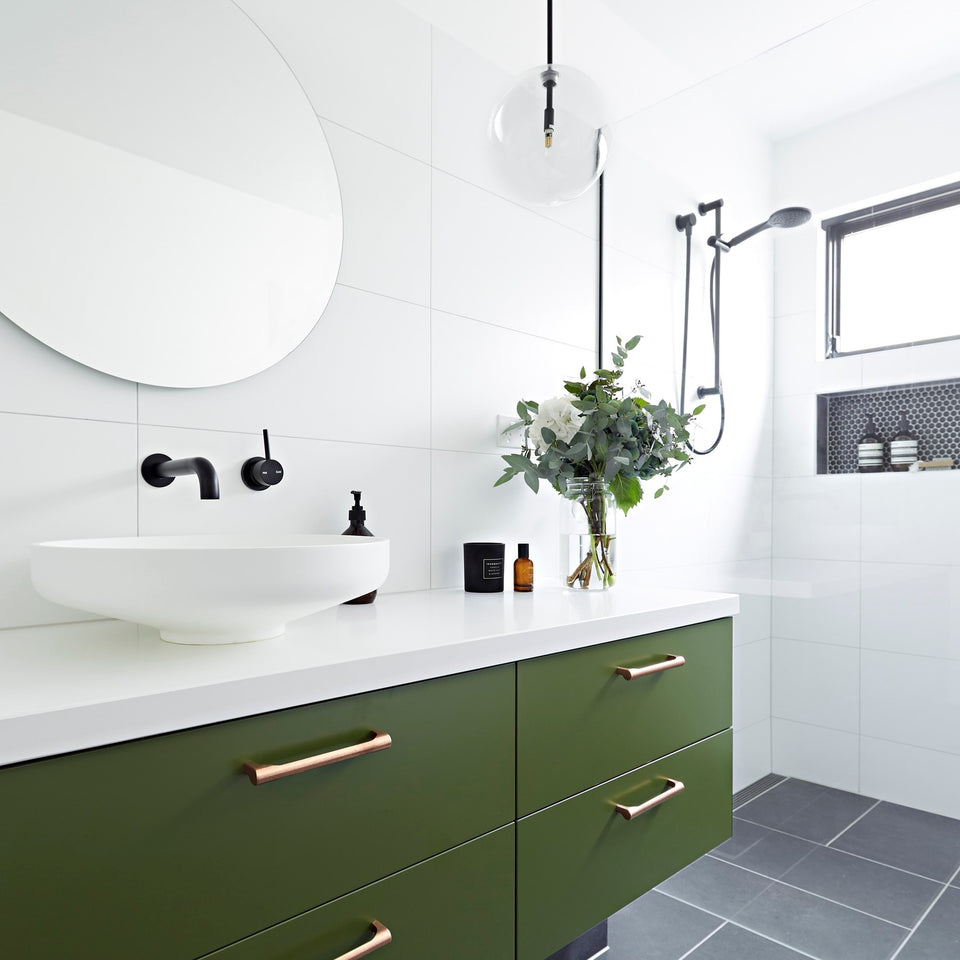
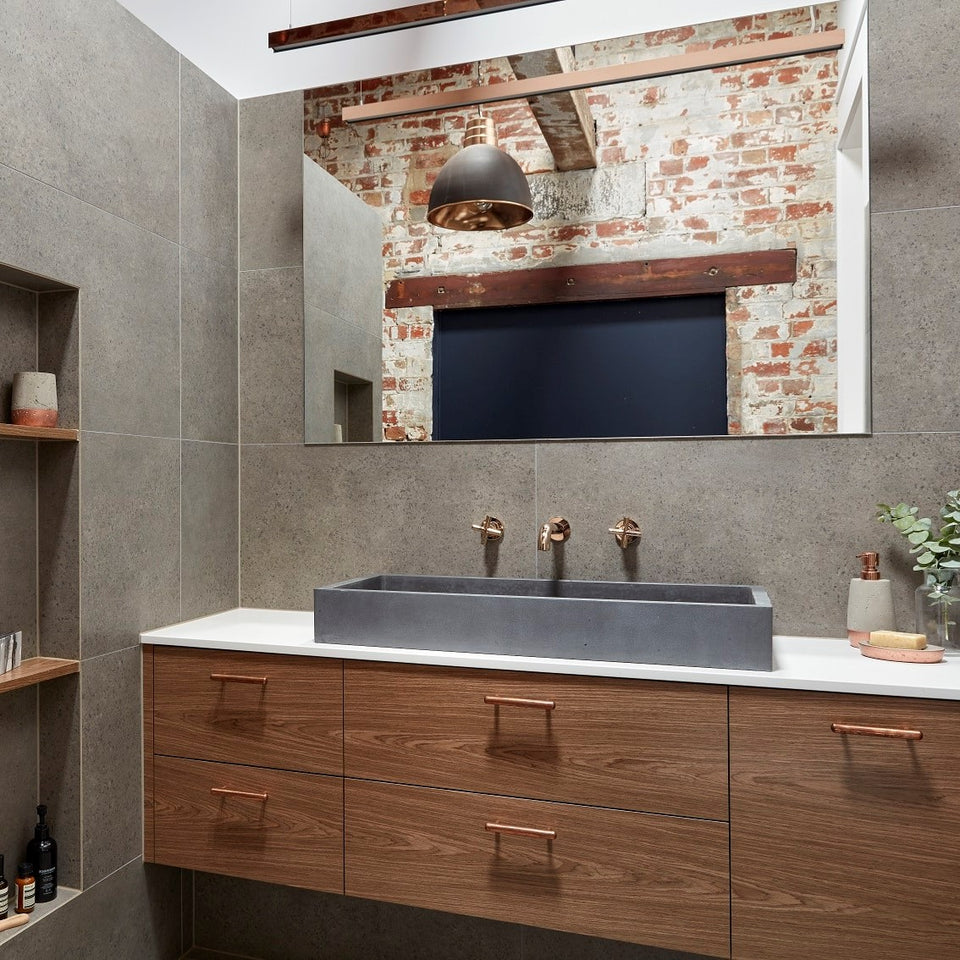
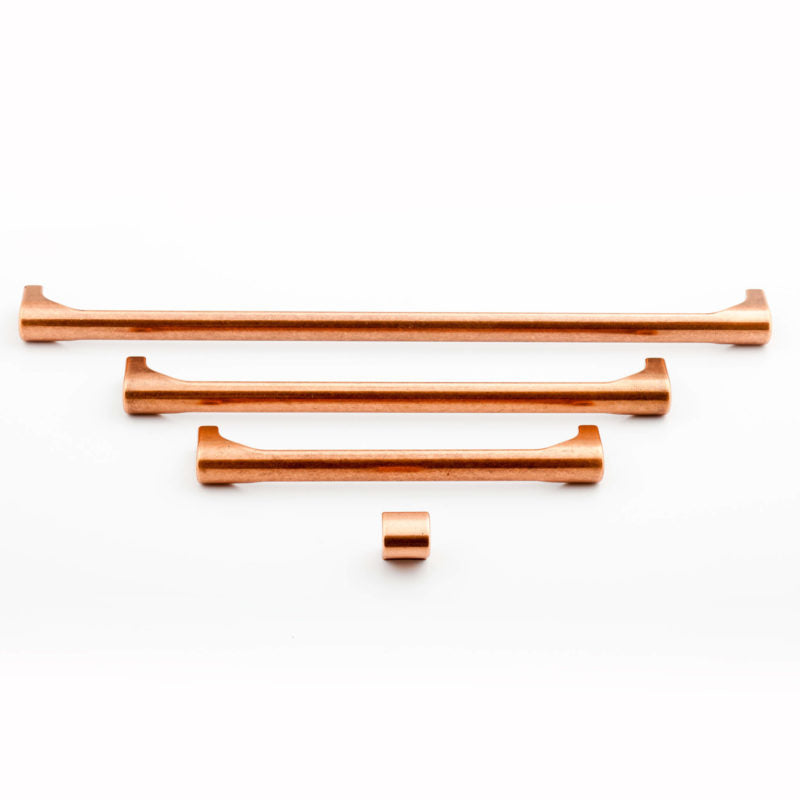
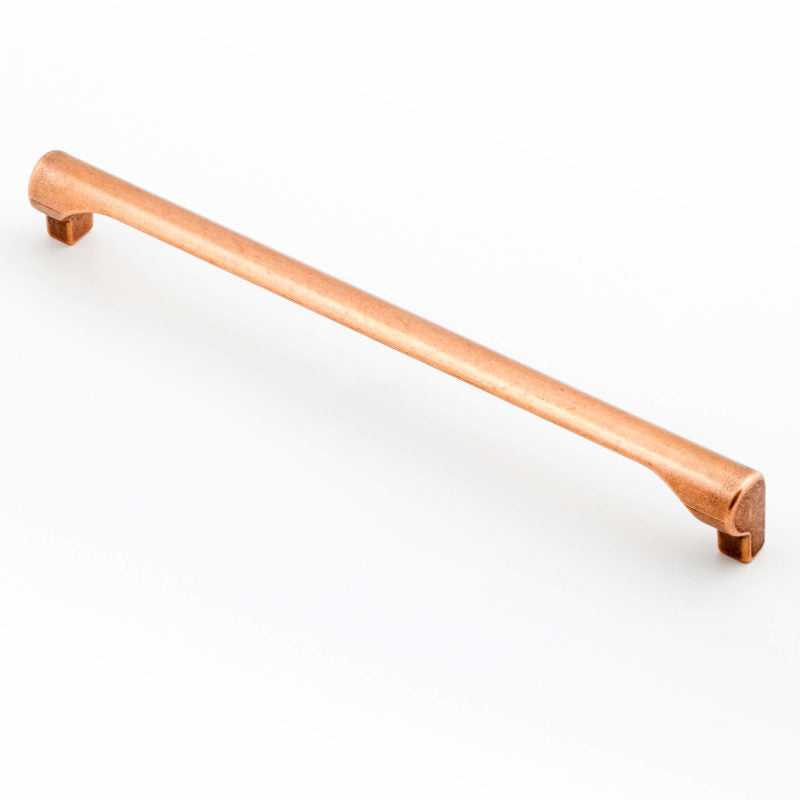

Sold out Castella Terrace Pull Handle Antique Copper
$45 -
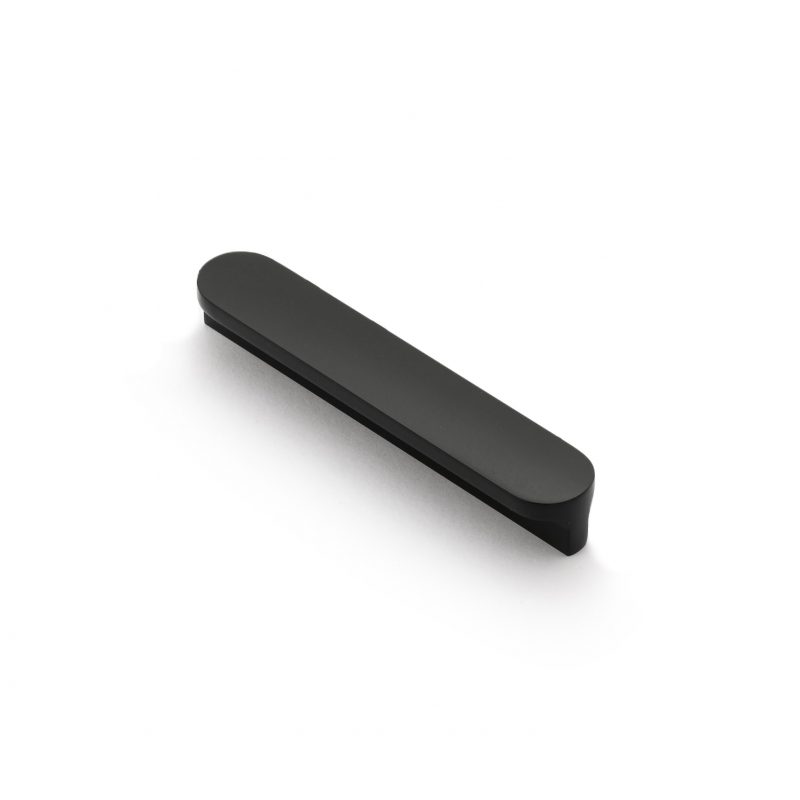

Sold out Castella Cove Pill Pull Handle Matte Black
$48 -
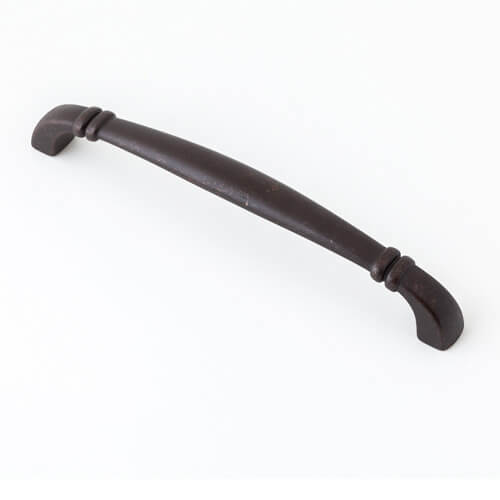
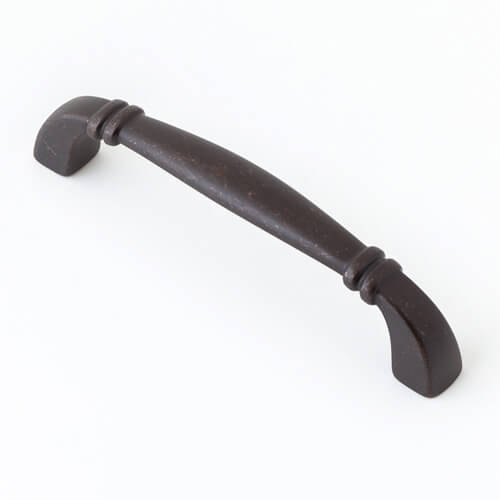

Sold out Castella Century Handle Old America
$25 -
Free Gifts!
Spend over $800 and receive free gifts in your cart. Towels, accessories and full length mirrors!
-
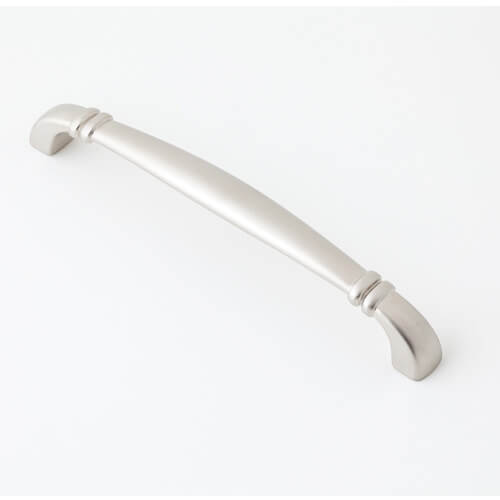
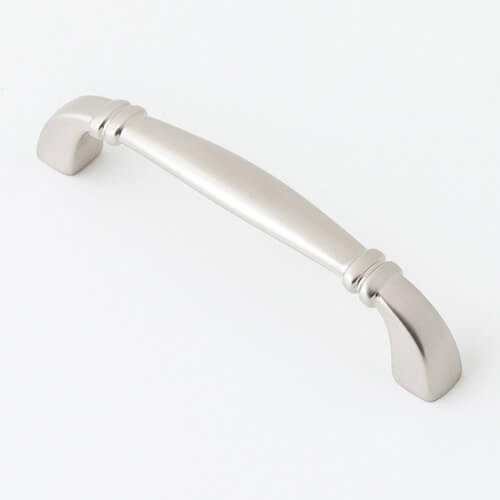
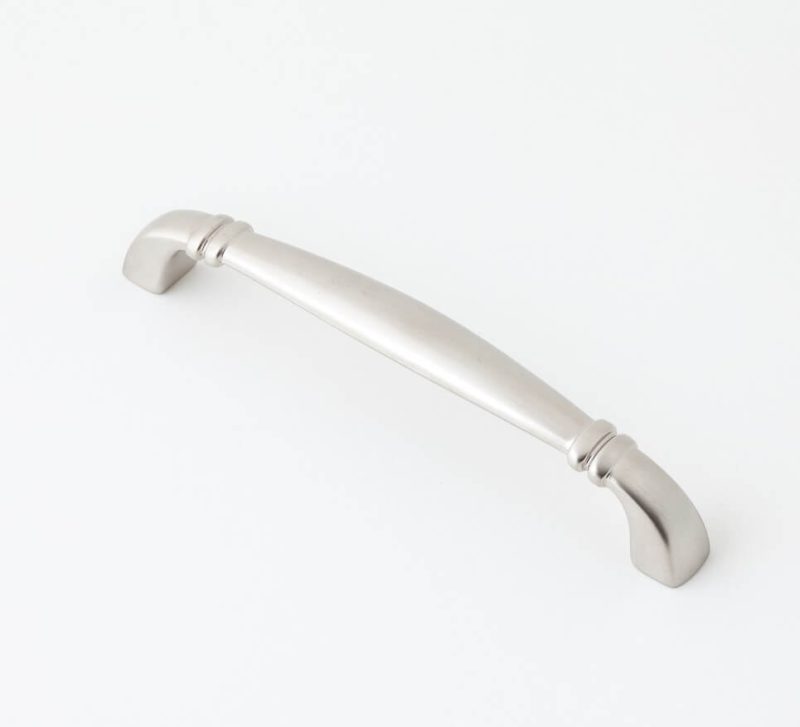
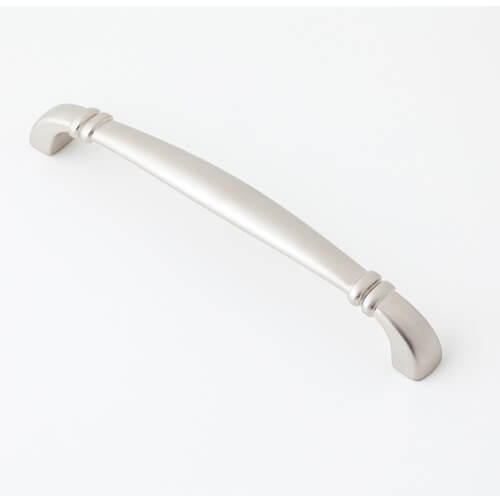

Sold out Castella Century Handle Satin Nickel
$25 -
Italian Made
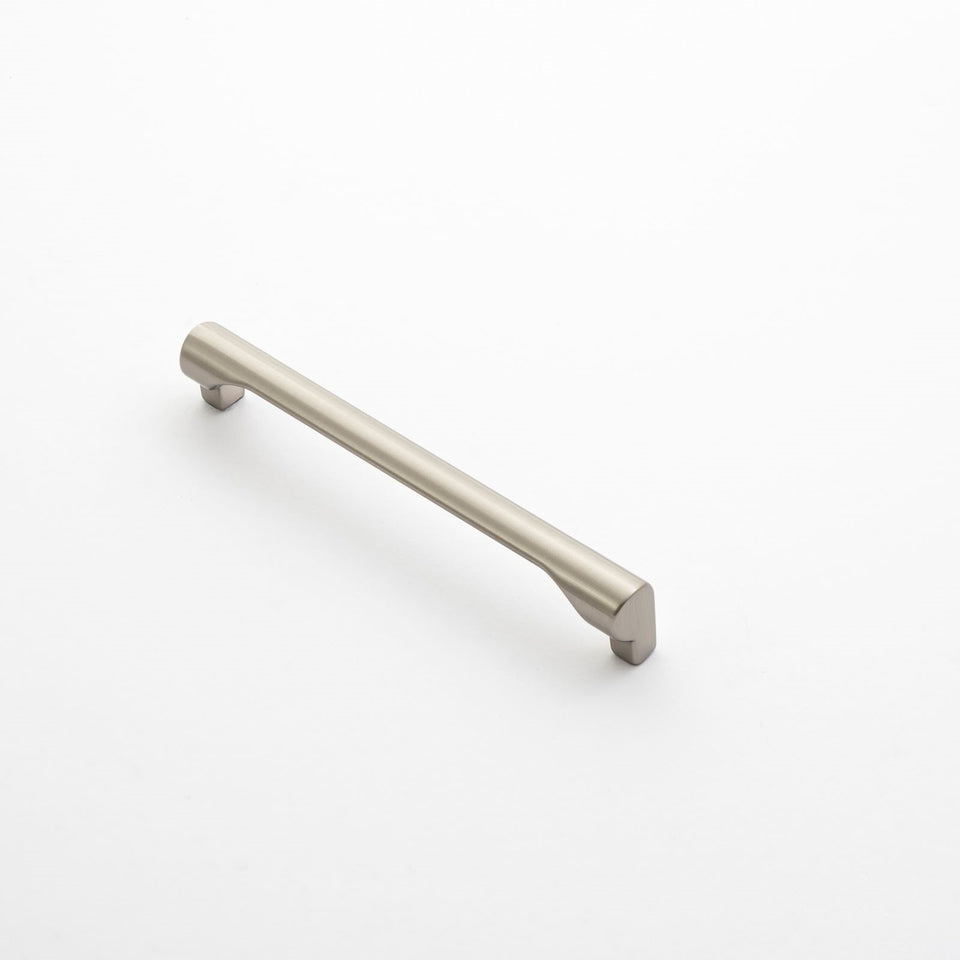
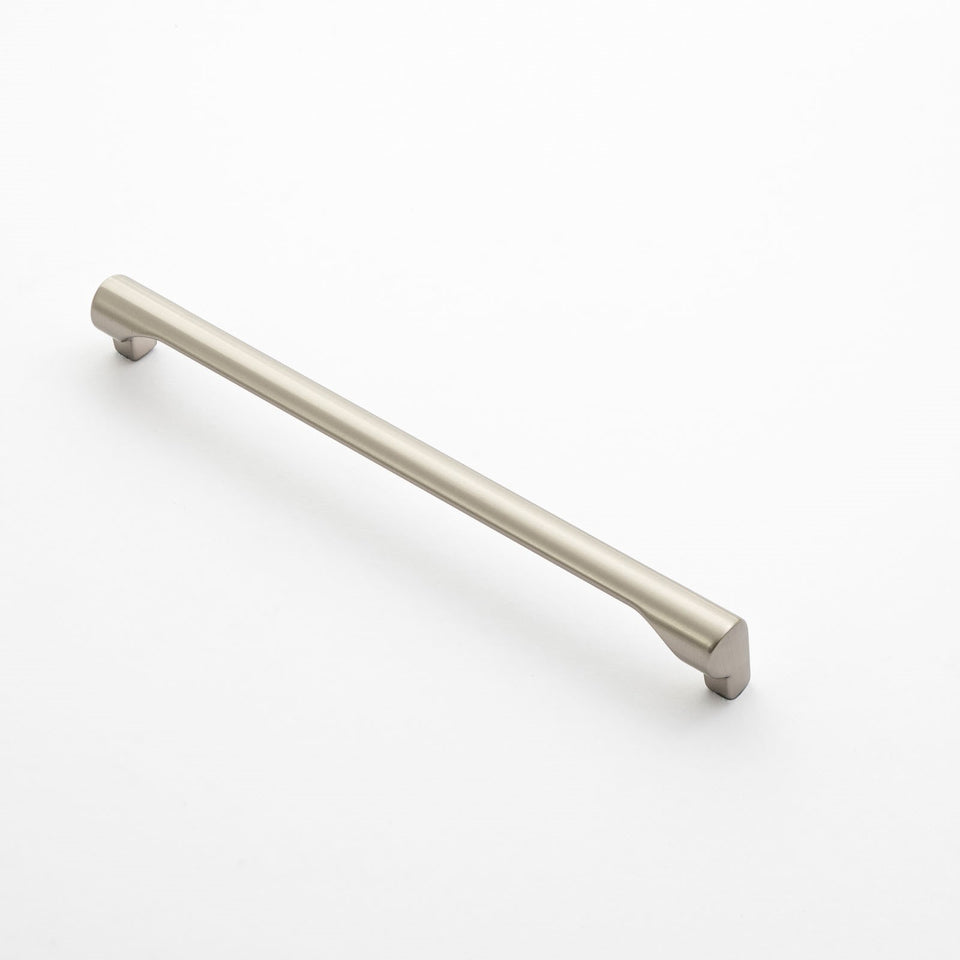

Sold out Castella Terrace Pull Handle Brushed Nickel
$45 -
In StockItalian Made
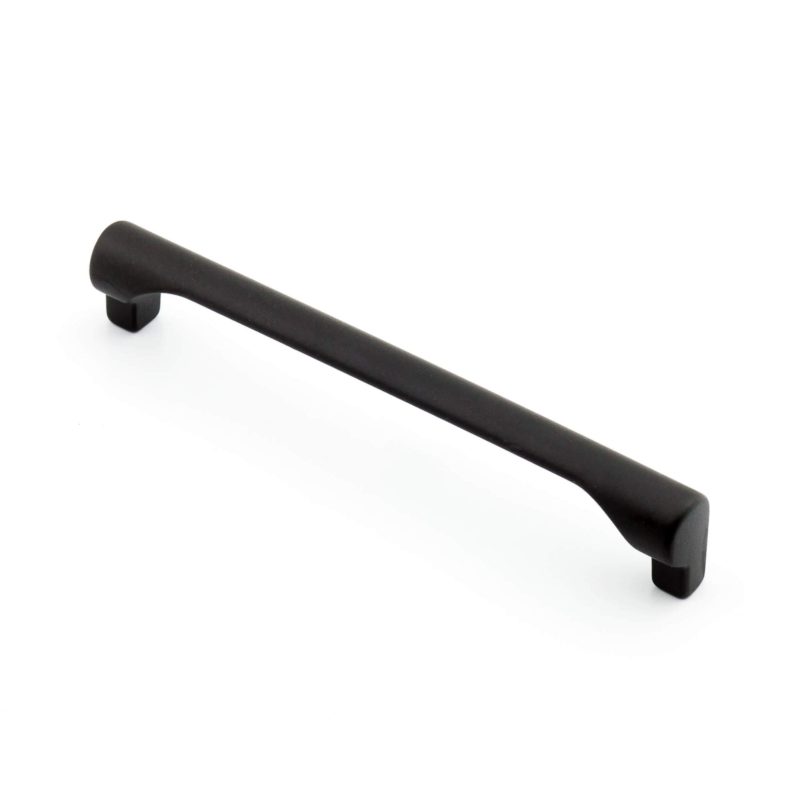
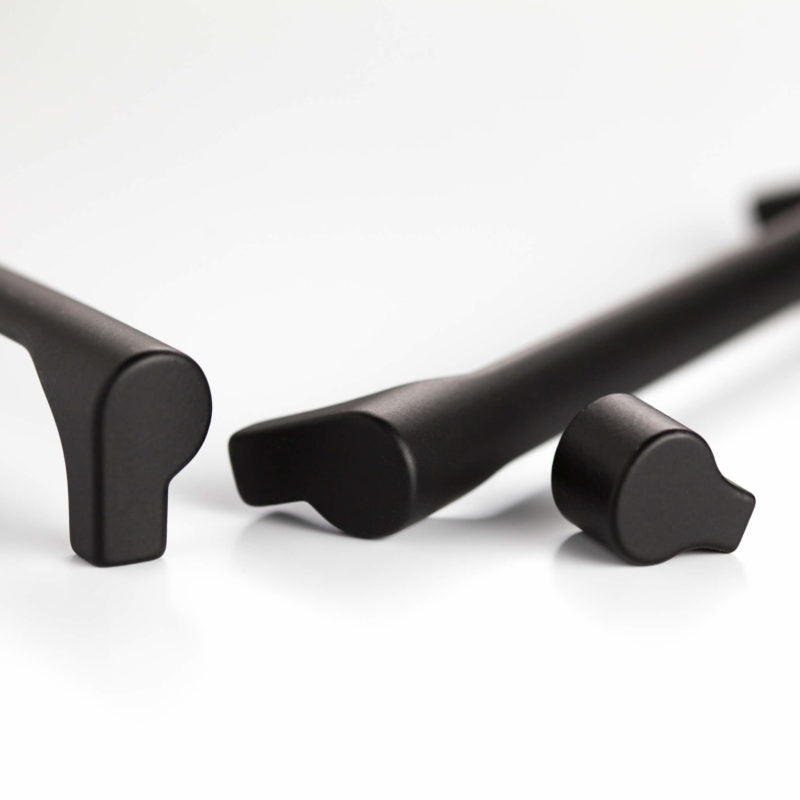
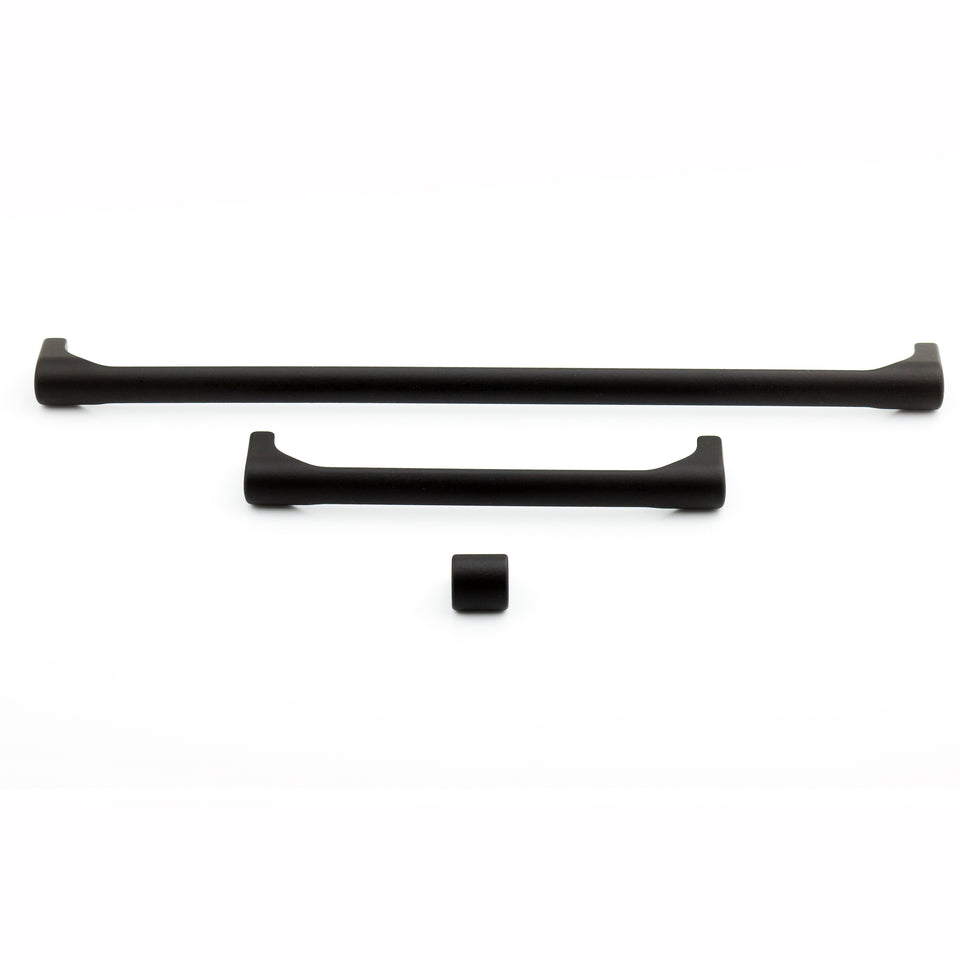
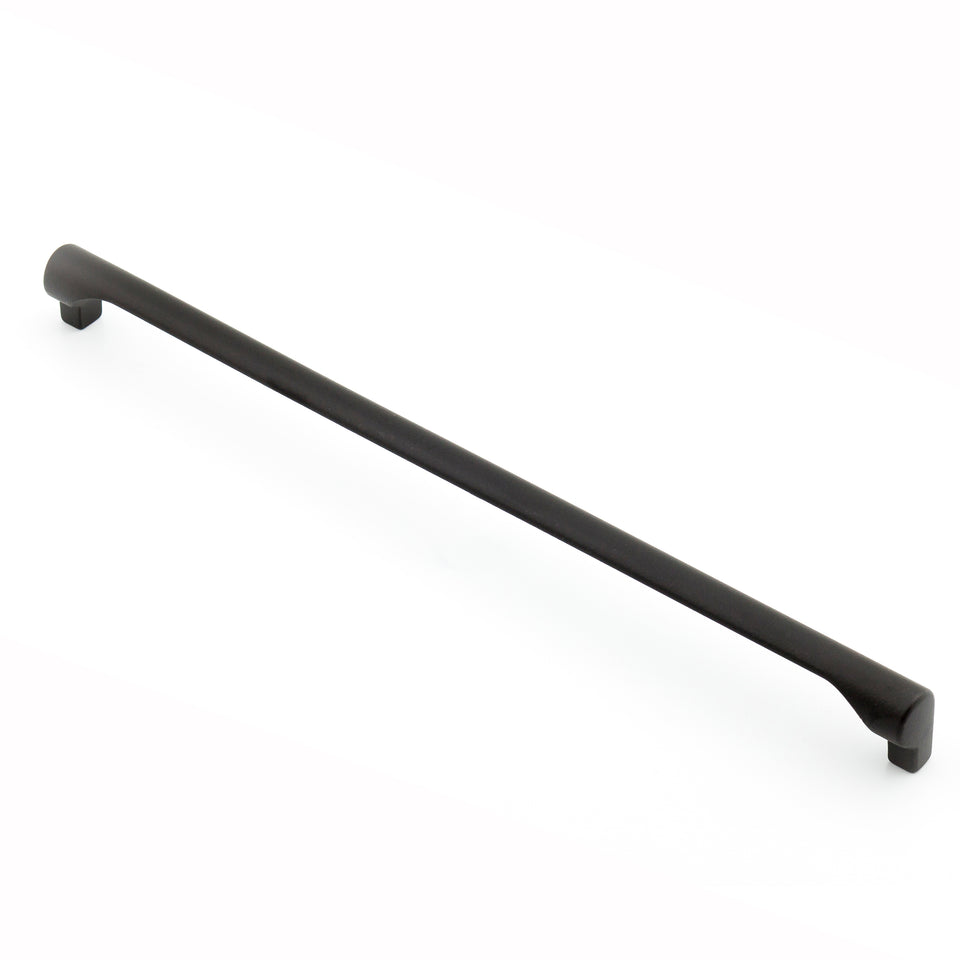
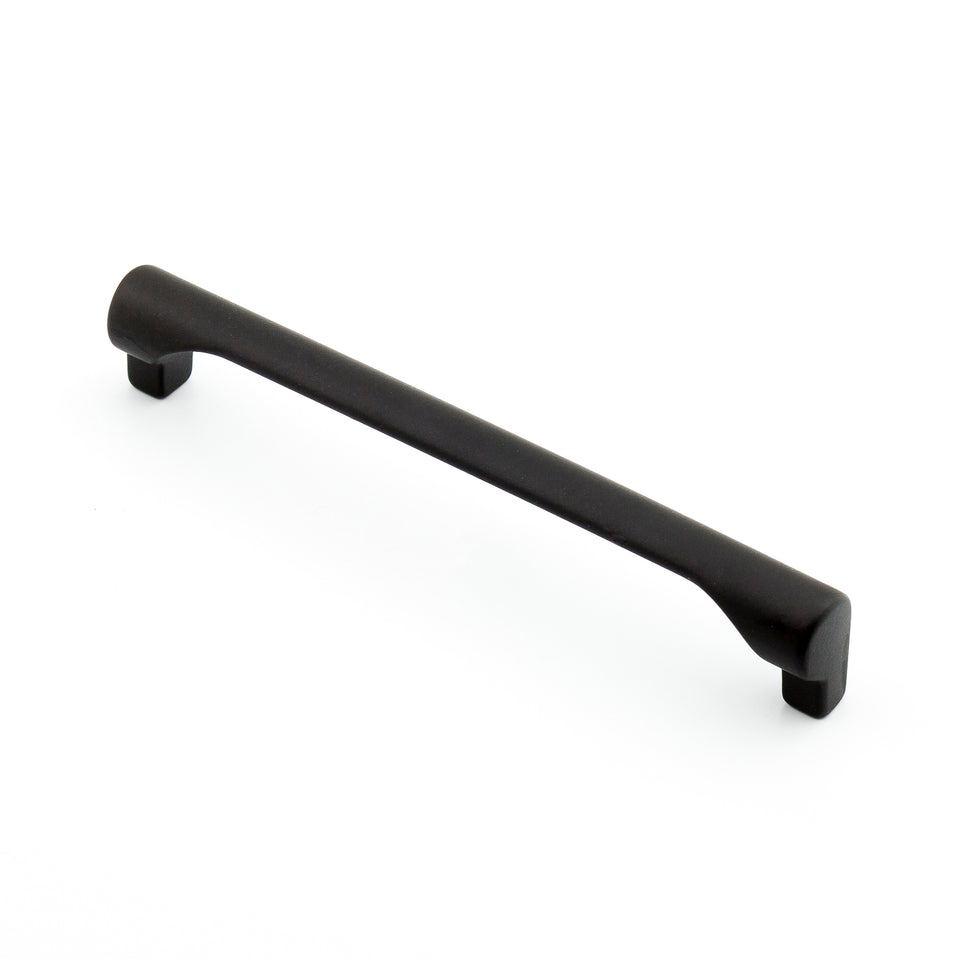

Sold out Castella Terrace Pull Handle Matt Black
$56 -
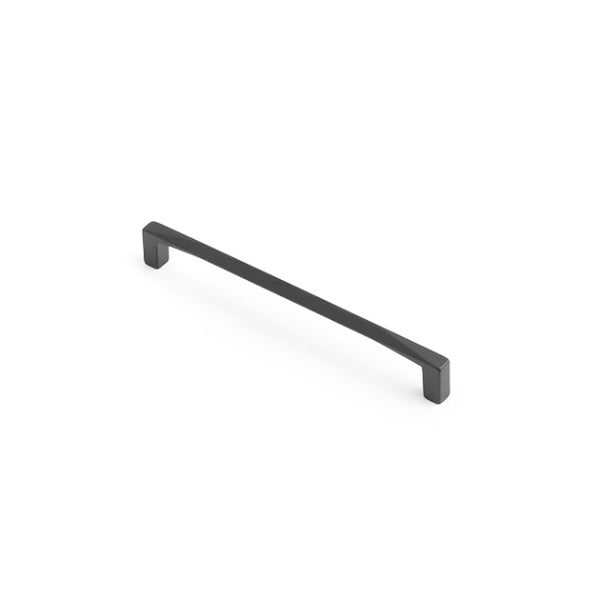
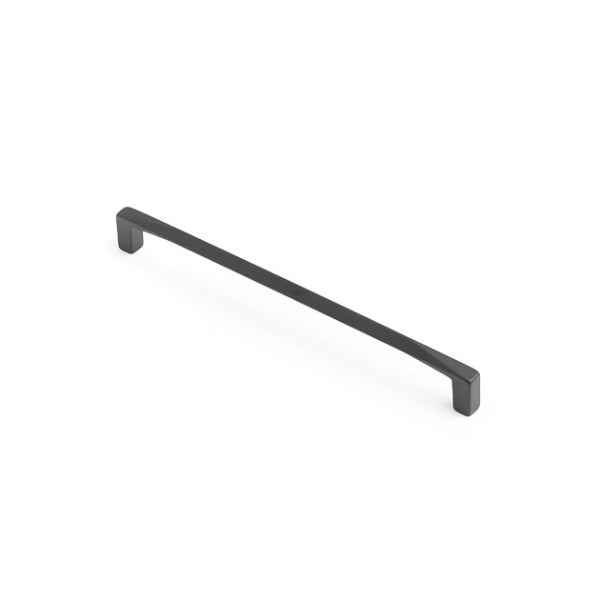
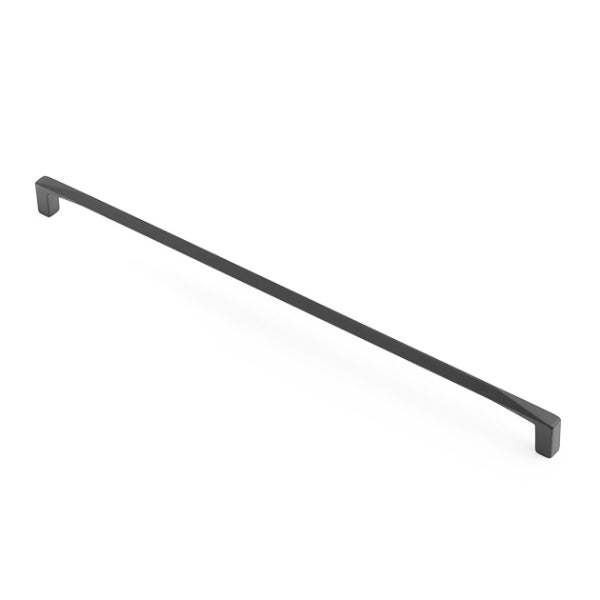

Sold out Castella Imperia Pull Handle Matt Black
$26 -
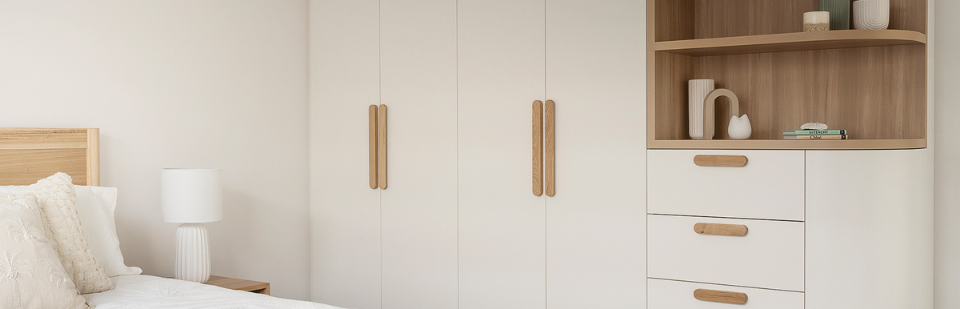
-
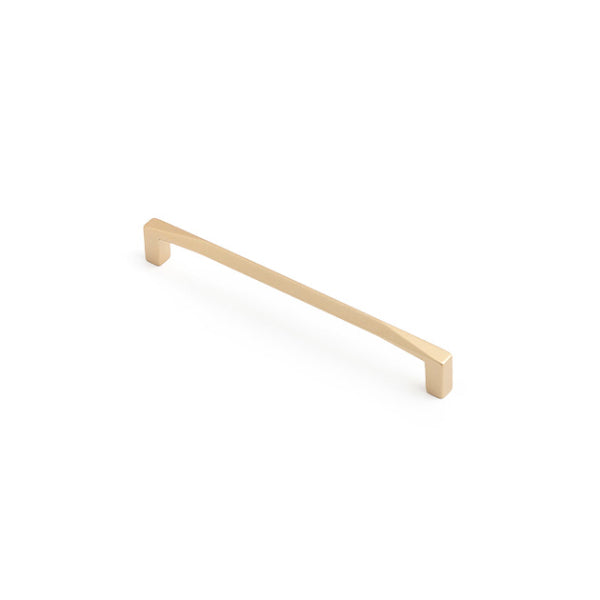
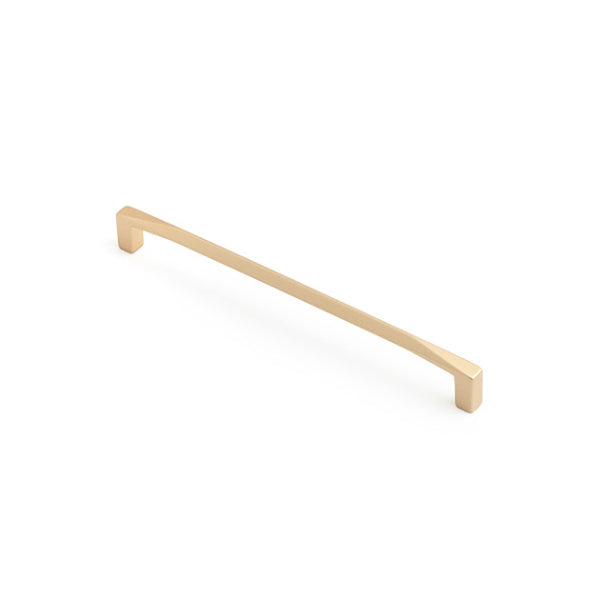

Sold out Castella Imperia Pull Handle Matt Gold
$26 -
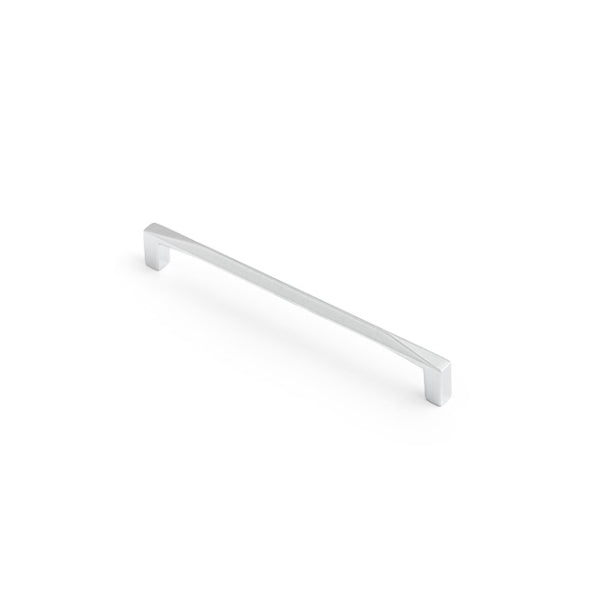
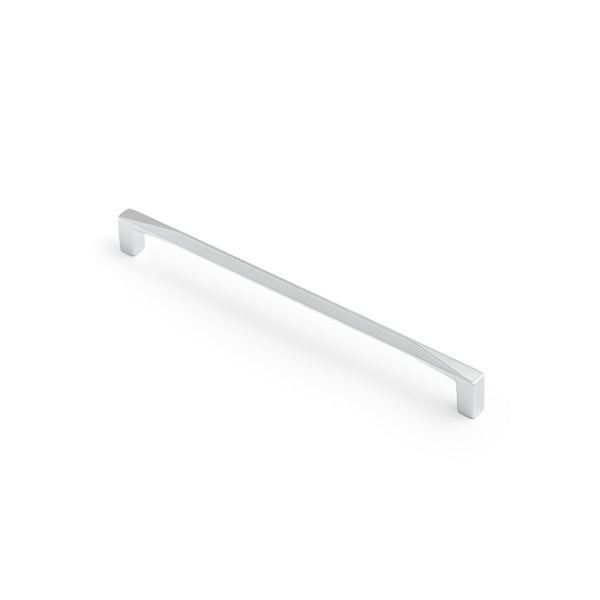

Sold out Castella Imperia Pull Handle Polished Chrome
$26 -
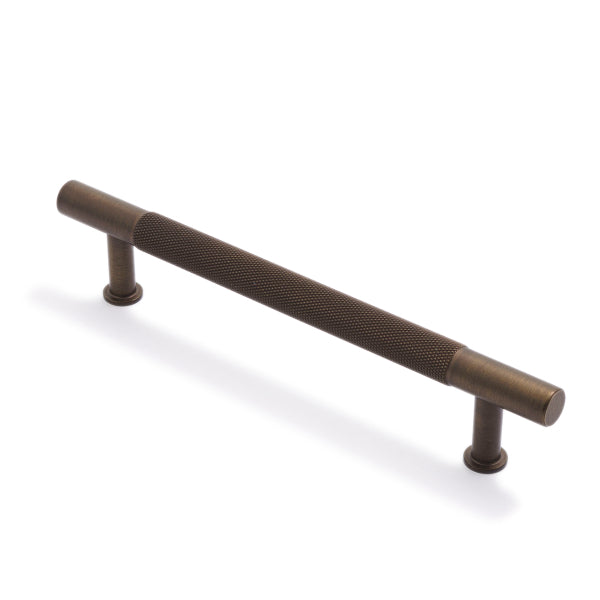
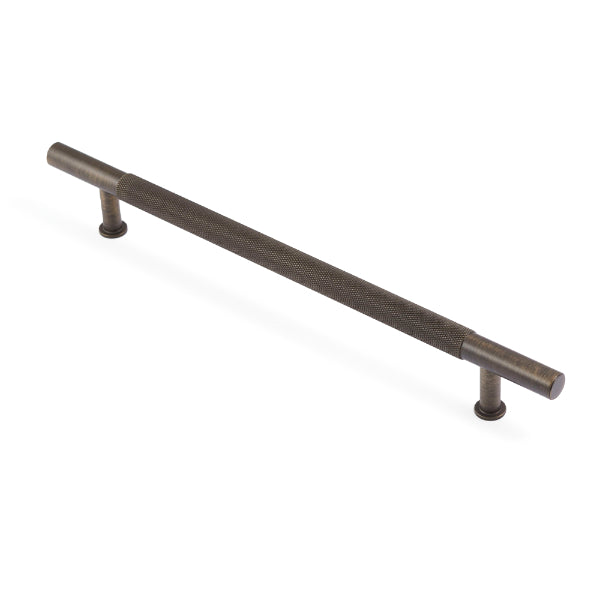
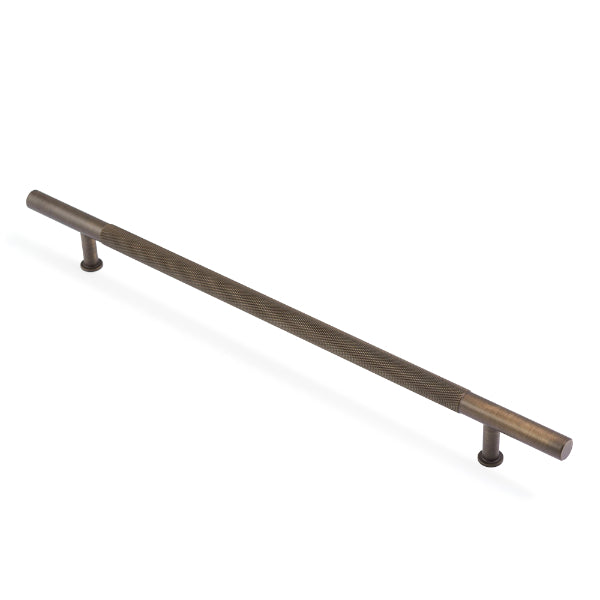
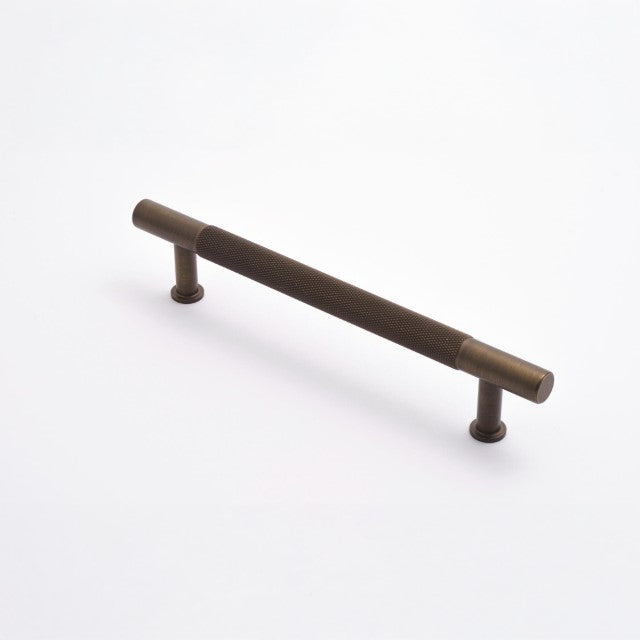
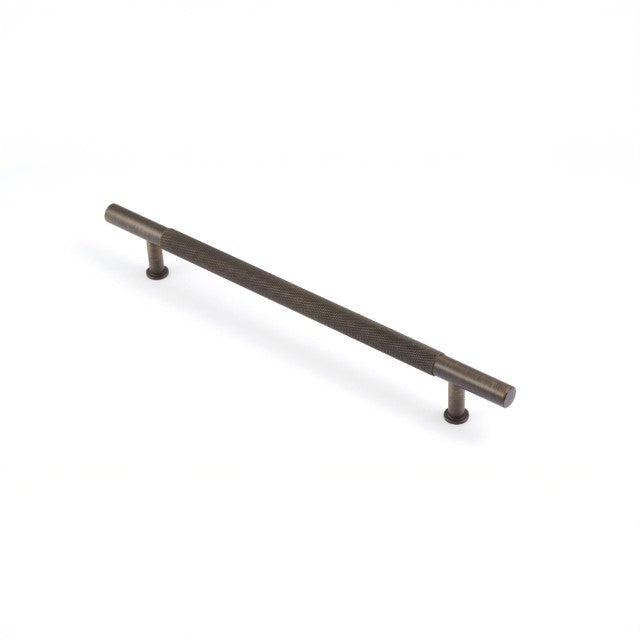

Sold out Castella Grove Pull Handle Bronze
$79 -
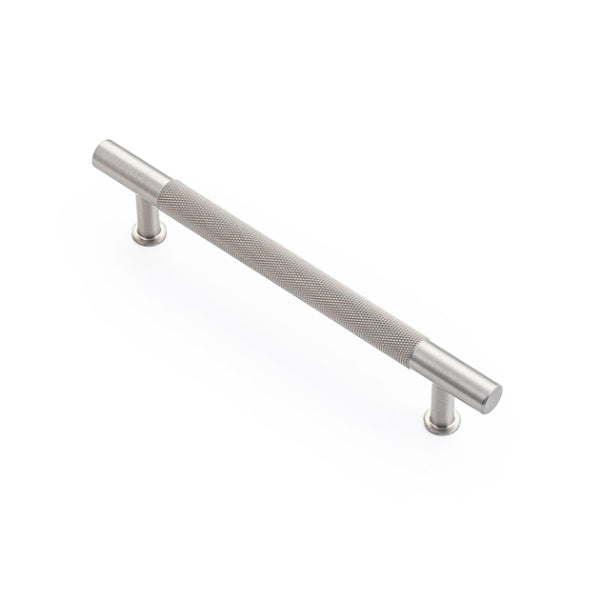
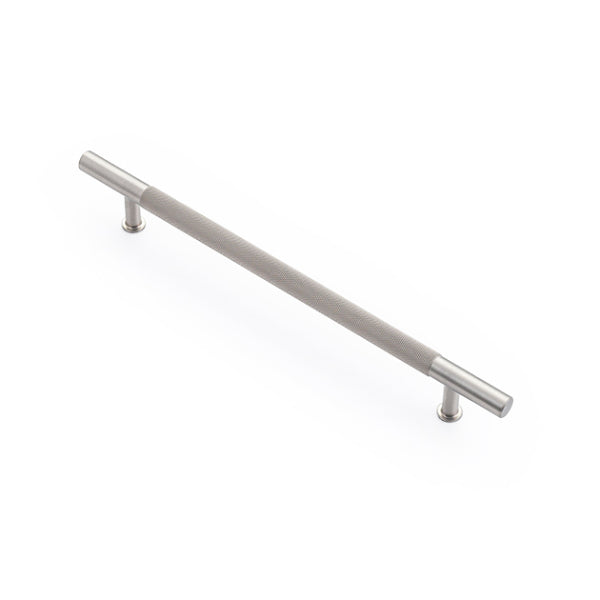
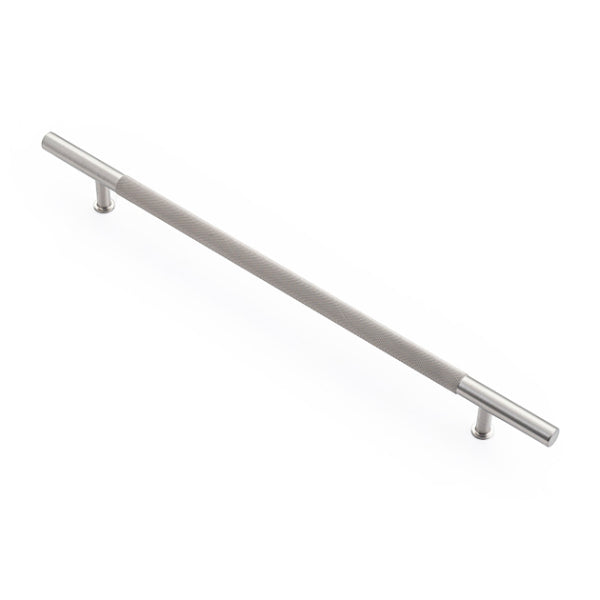
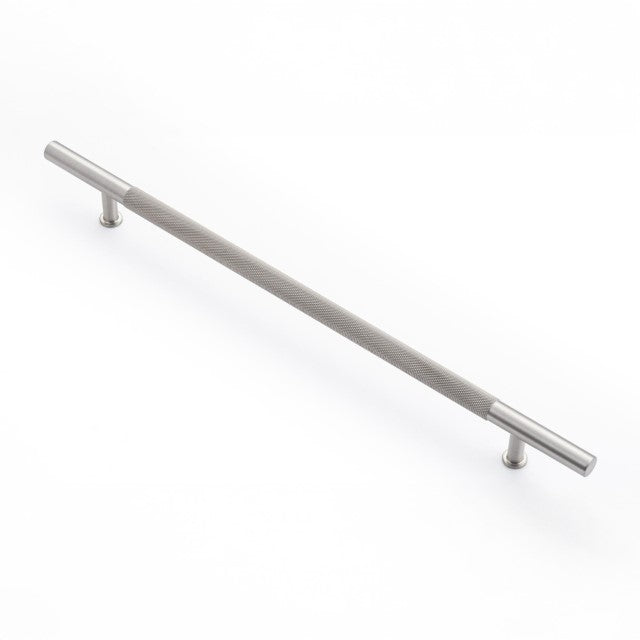
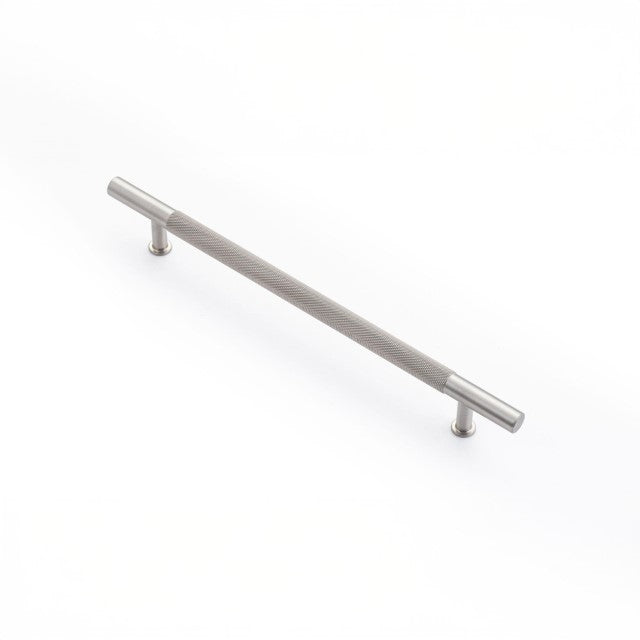

Sold out Castella Grove Pull Handle Dull Brushed Nickel
$79 -
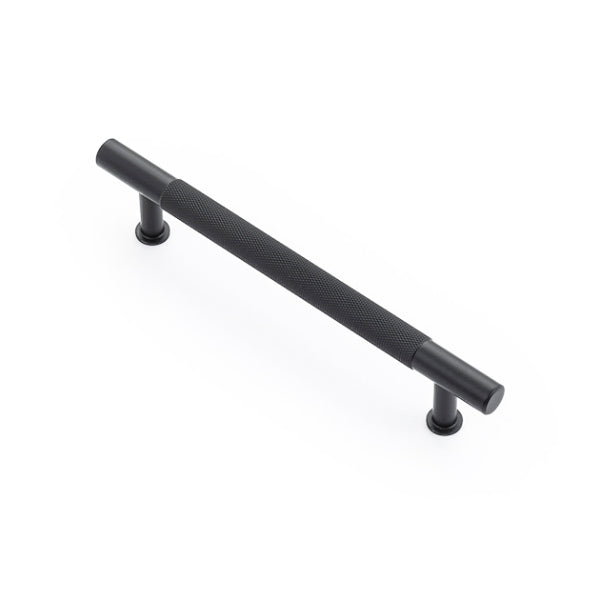
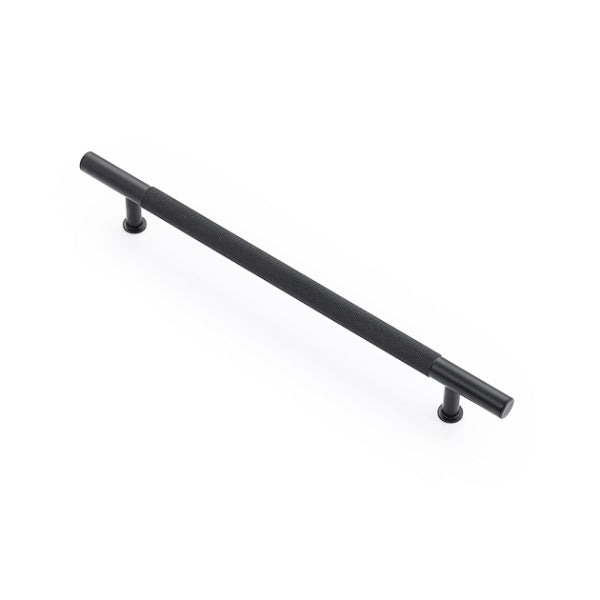
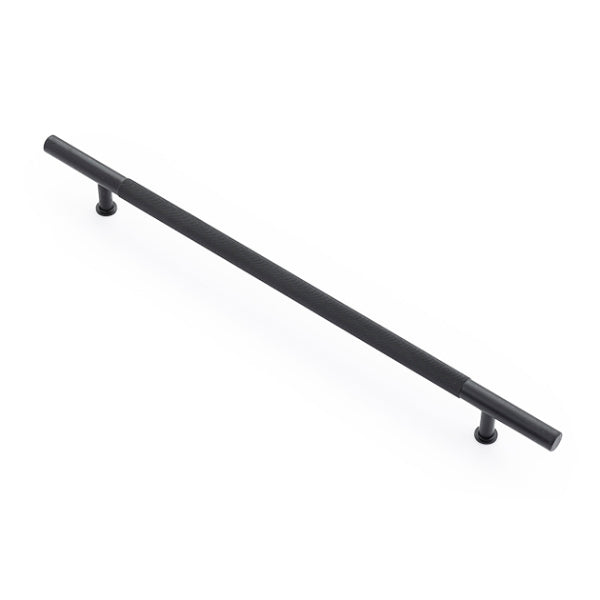
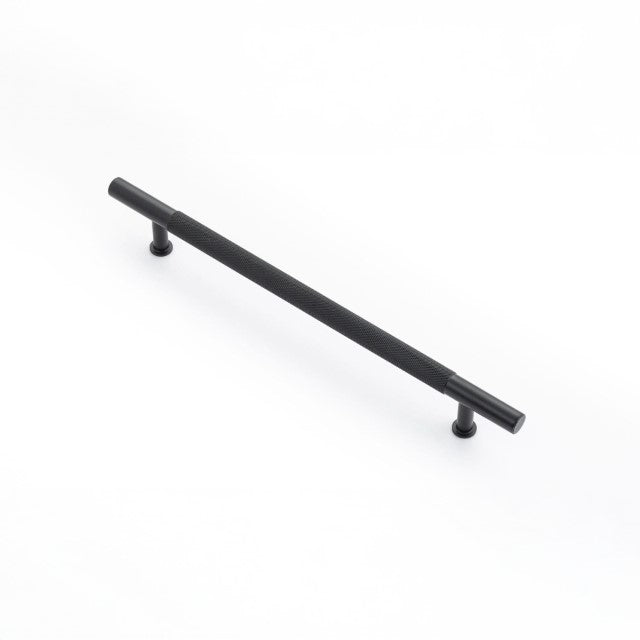

Sold out Castella Grove Pull Handle Matt Black
$79 -
-
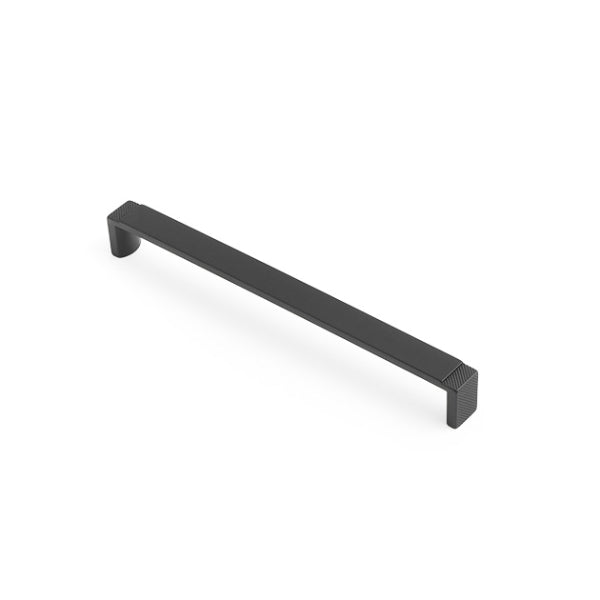

Sold out Castella Monaco Pull Handle Matt Black
$31 -
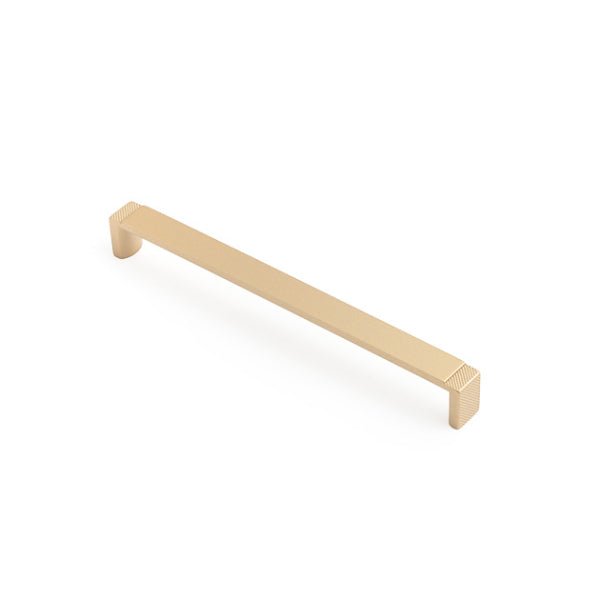

Sold out Castella Monaco Pull Handle Matt Gold
$31 -
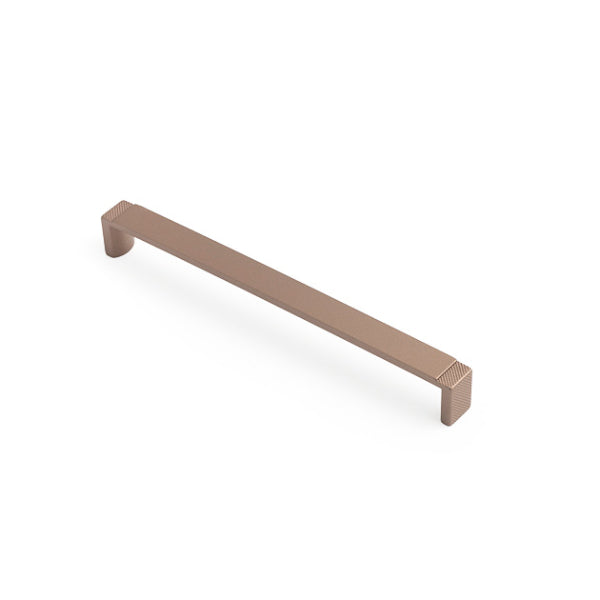

Sold out Castella Monaco Pull Handle Matt Rose Gold
$31 -
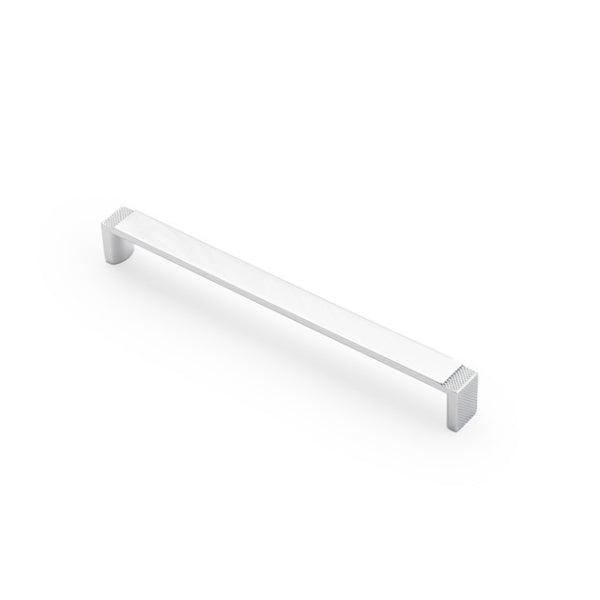

Sold out Castella Monaco Pull Handle Polished Chrome
$31 -
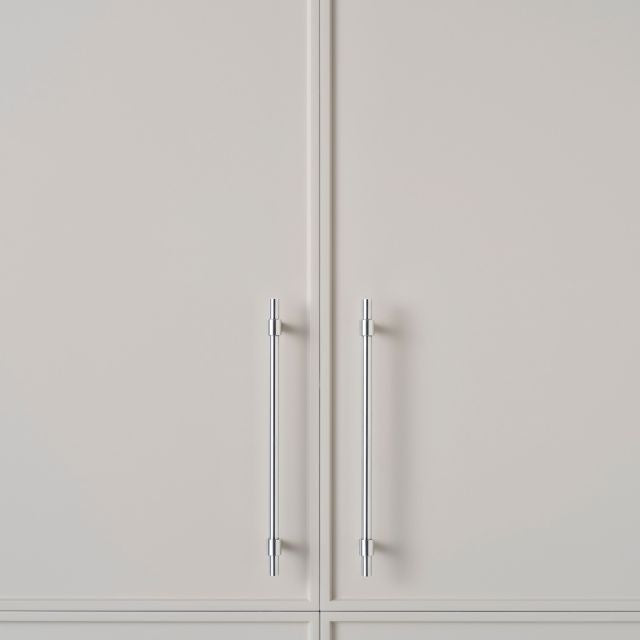
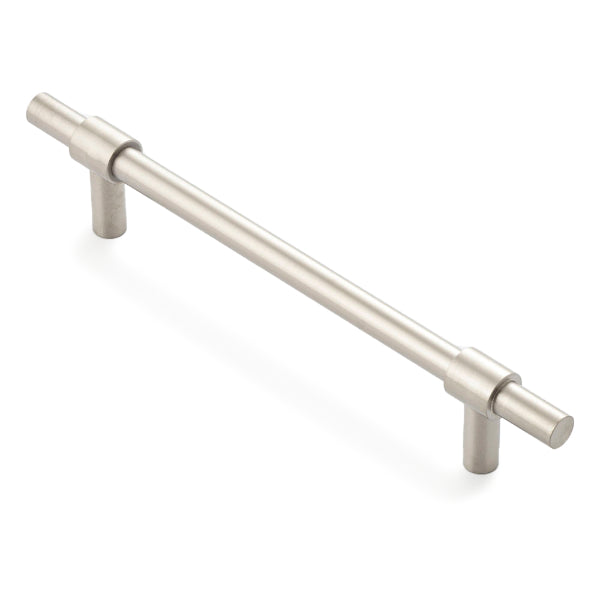
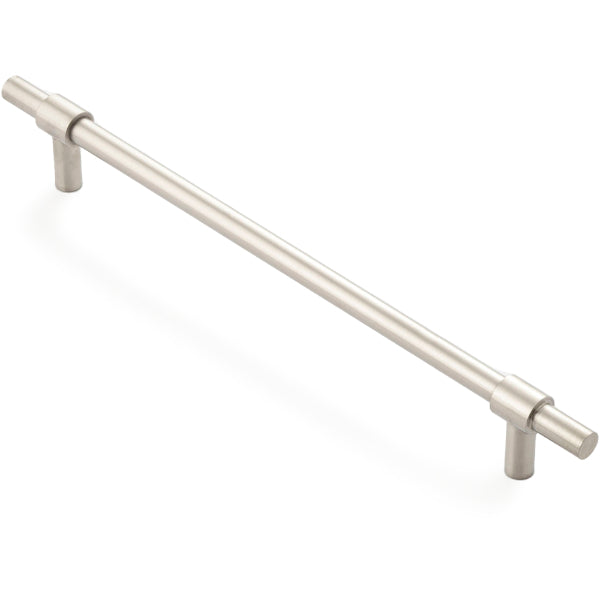
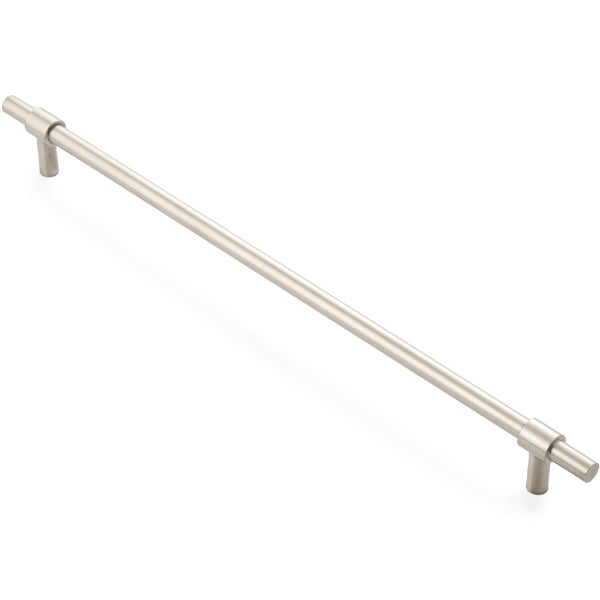

Sold out Castella Coast Pull Handle Satin Stainless Steel
$54 -
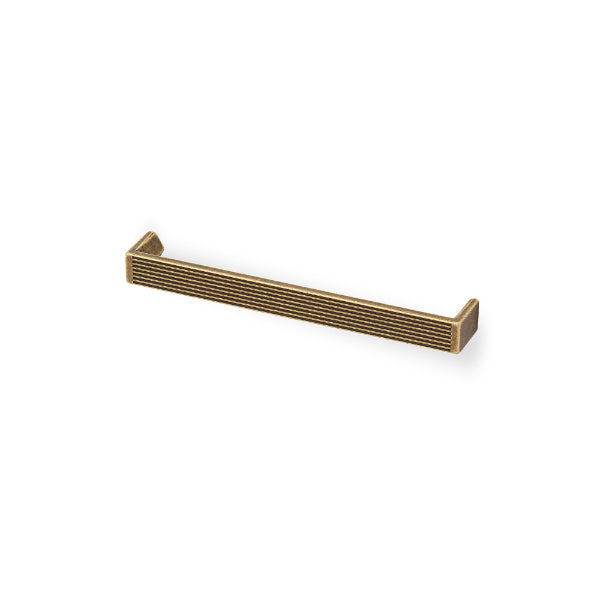

Sold out Castella Cascade Pull Handle Antique Brass
$33 -
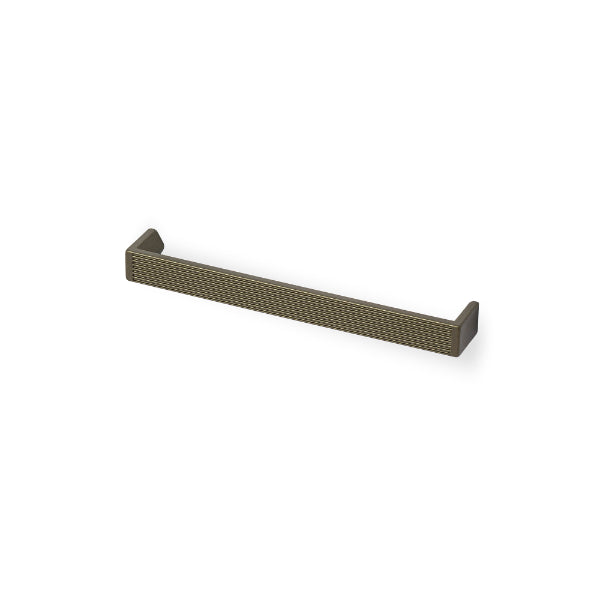
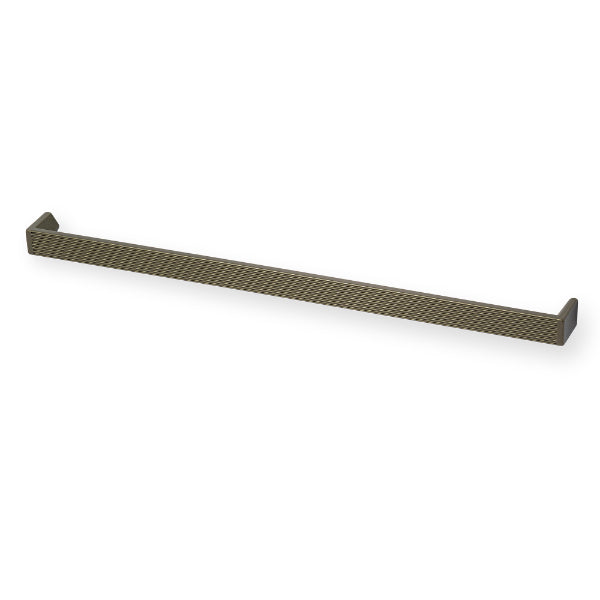

Sold out Castella Cascade Pull Handle Bronze Olive
$33 -
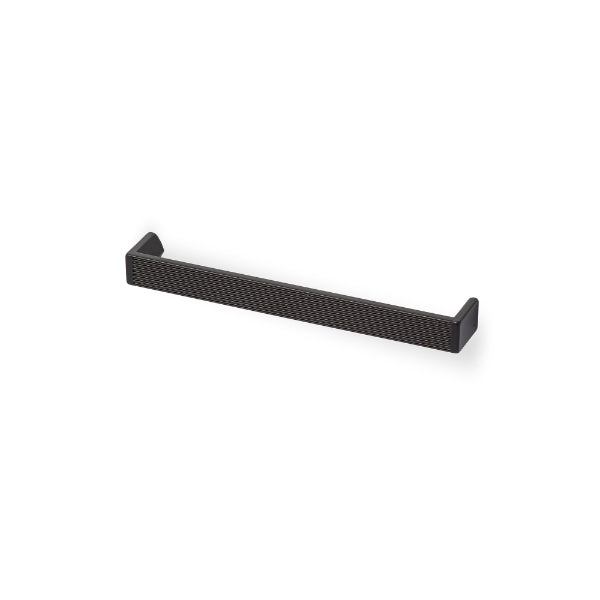
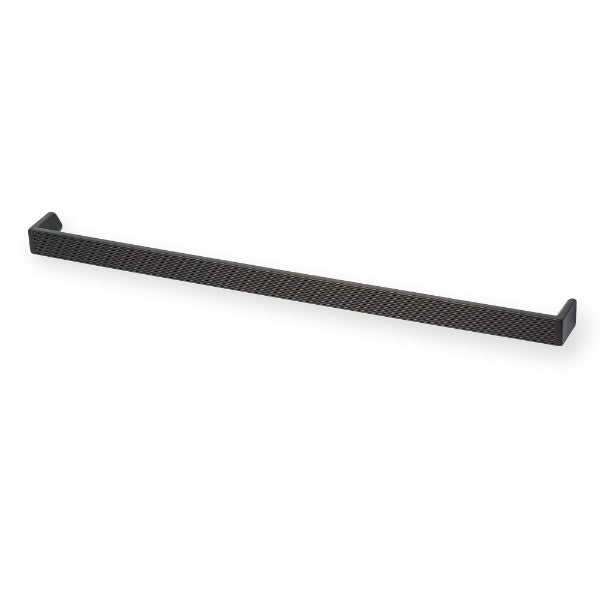
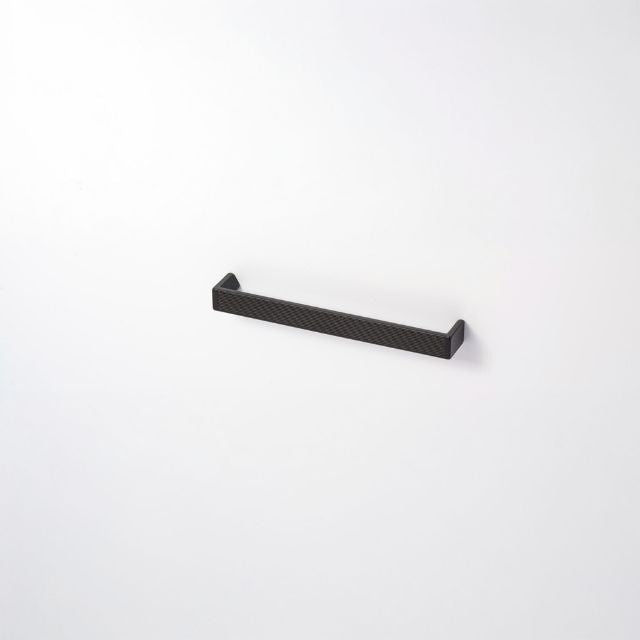

Sold out Castella Cascade Pull Handle Matt Black
$33 -
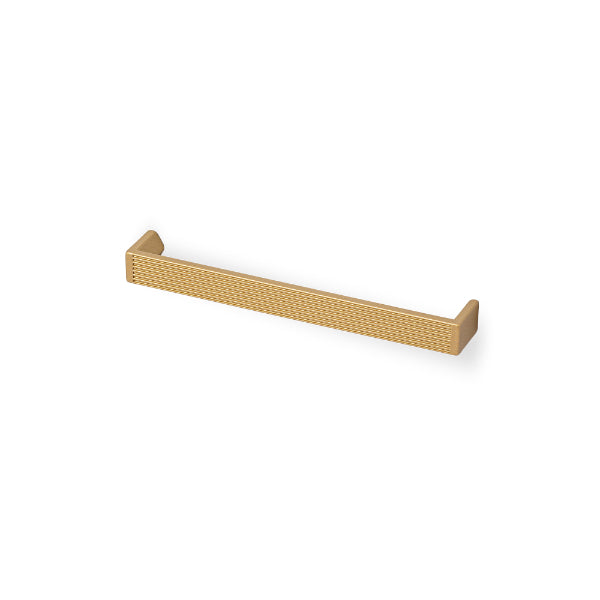
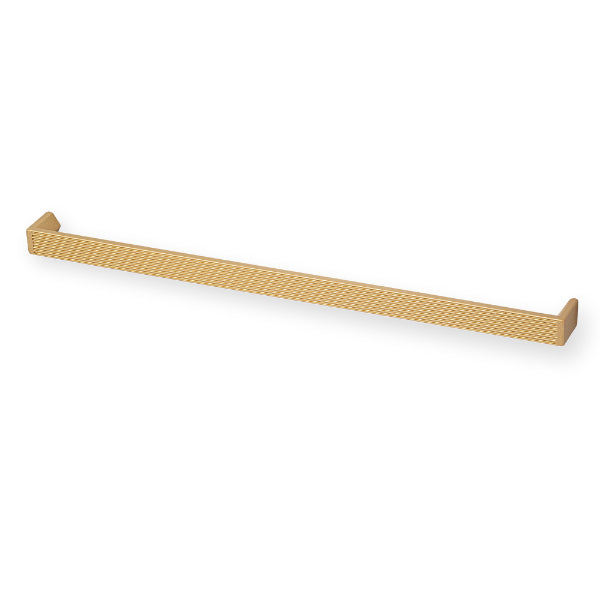
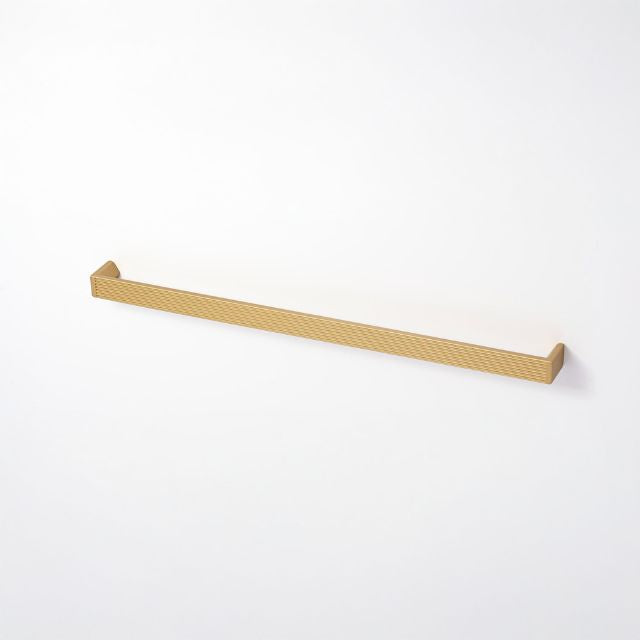

Sold out Castella Cascade Pull Handle Matt Gold
$33 -
-
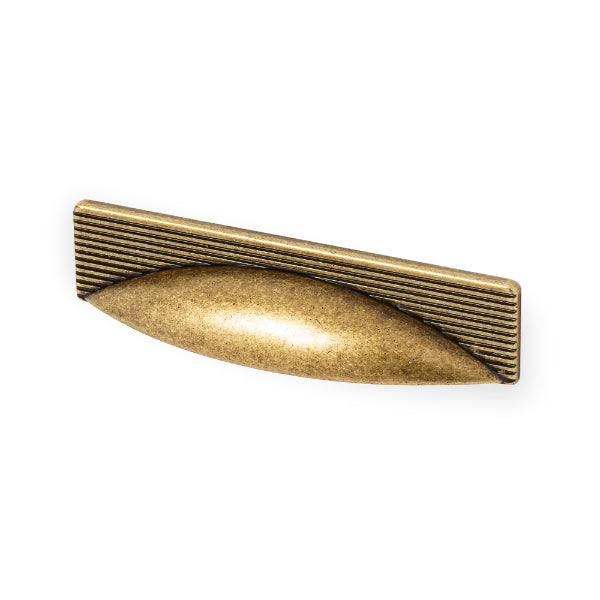

Sold out Castella Cascade Cup Pull Antique Brass
$31 -
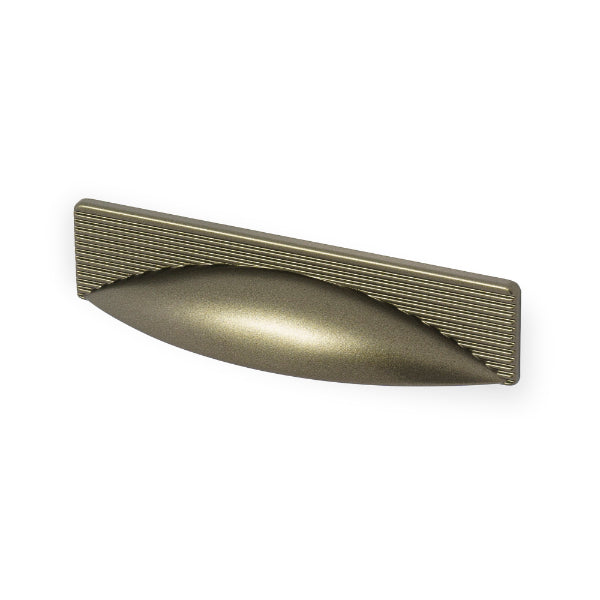

Sold out Castella Cascade Cup Pull Bronze Olive
$31 -
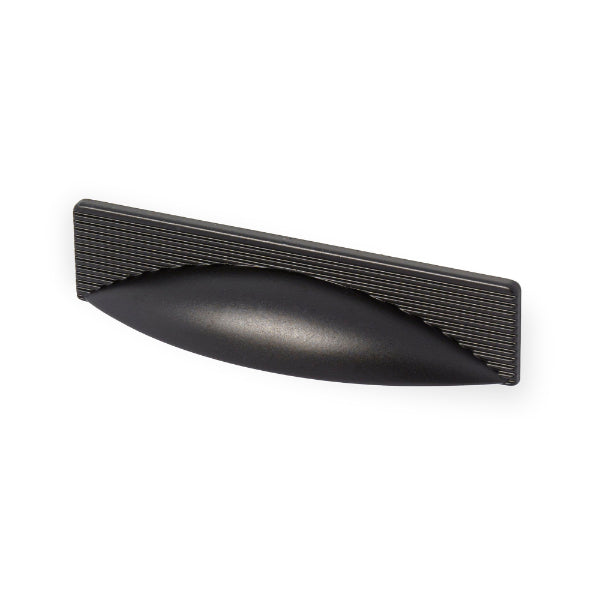

Sold out Castella Cascade Cup Pull Matt Black
$31 -
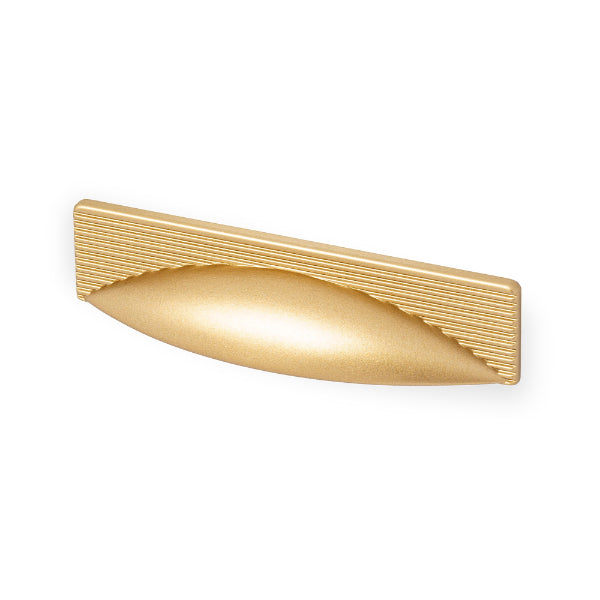

Sold out Castella Cascade Cup Pull Matt Gold
$31


Wardrobe Handles, Pull Handles & Knobs
Wardrobe handles are the hardware fitted to wardrobe doors and drawers to open them, and they fall into two main types: wardrobe pull handles, which are elongated and gripped with the whole hand, and wardrobe knobs, which are a single fixing point turned or pulled with the fingers. The choice between the two comes down to door type, door weight and the overall look you're after. This collection includes wardrobe handles from Momo Handles and Castella.
Wardrobe pull handles vs wardrobe knobs
Wardrobe pull handles are fixed at two points and span a length of the door or drawer front, distributing grip across the hand rather than the fingertips. This makes them the more practical choice for larger or heavier wardrobe doors, including sliding doors and full-height hinged doors, where a firm, even pull is needed to open the door smoothly.
Wardrobe knobs are fixed at a single point and are generally better suited to drawers and smaller cabinet doors, where a lighter, single-motion action is enough. Knobs also take up less visual space on a door front, which suits designs with multiple drawers stacked closely together.
Many wardrobe designs use both: pull handles on larger doors and knobs on drawers, so the hardware suits the function of each element rather than applying one handle type throughout.
Choosing the right size and placement
Wardrobe pull handles are sold in a range of lengths, and the right length depends on the width of the door or drawer front and the position of the handle relative to the edge. Longer handles suit wider doors and give a more substantial, considered look. Shorter handles suit narrower drawer fronts and reduce the risk of the handle overhanging the edge of the piece.
Placement is generally either centred on the door or drawer front, or offset toward one edge, depending on the overall design of the wardrobe and the position of adjoining pieces. Vertical handles are common on hinged wardrobe doors, while horizontal handles are typical on drawers.
Materials and finishes
Finish options include
- Matte black a flat, non-reflective finish that suits contemporary and industrial-style wardrobes, and shows fewer fingerprints than polished finishes
- Brushed brass a warm-toned finish with a soft, directional texture
- Polished chrome a bright, reflective finish that resists tarnishing and pairs well with traditional and transitional wardrobe designs
- Brushed nickel a muted, low-reflective finish with a slight warmth, offering a softer alternative to polished chrome
- Satin stainless steel a durable, low-sheen finish that resists corrosion and marking, suited to high-use wardrobes and drawers
Matching the handle finish to other hardware in the room, including door hinges and any nearby tapware, generally gives the most cohesive result.
Designer wardrobe handles
Momo Handles and Castella both design and manufacture designer wardrobe handles, meaning the hardware is developed as a considered design element rather than a purely functional fitting. This is reflected in details such as knurled textures, angular or rounded profiles, and mixed-finish designs that pair two metals on the one handle.
For renovators wanting to update their wardrobe without replacing the doors themselves, changing the handles is one of the more straightforward and cost-effective updates available. A new handle style and finish can shift the look of an existing wardrobe considerably, particularly when moving from a dated finish, such as polished chrome, to a contemporary one, such as matte black or brushed brass.
Fixing centres and compatibility
Wardrobe pull handles are measured by their fixing centres, which is the distance between the two screw holes. When replacing existing handles, it's worth checking whether the new handle's fixing centres match the existing holes, or whether new holes will need to be drilled. Matching fixing centres avoids the need for filling and refinishing the door front.
Wardrobe knobs use a single fixing point, so this consideration doesn't apply in the same way, though the base diameter of the knob is worth checking against the door thickness for a secure fit.

