


Bronze Door Handles
14 Items
-
In Stock
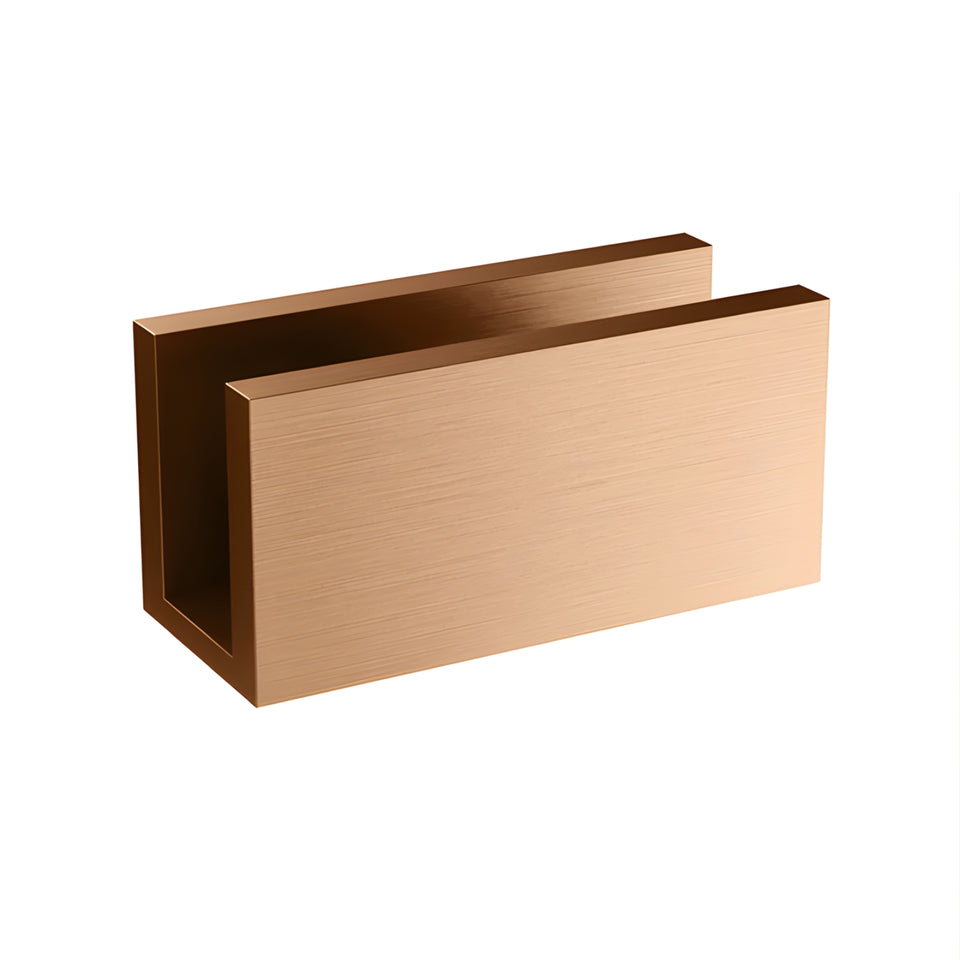
Sold out Meir Glass Fixing U Bracket Lustre Bronze
Checking delivery...$56$0 (-0%) offRRP of $56 -
In Stock

Sold out Nero Shower U-Shaped Bracket 10mm Glass Brushed Bronze
Checking delivery...$54$0 (-0%) offRRP of $54 -

Sold out Nero Round Shower Knob Brushed Bronze
Checking delivery...$87$0 (-0%) offRRP of $87 -
In Stock

Sold out Nero 180 Degree Glass to Glass Shower Hinge Brushed Bronze
Checking delivery...$296$0 (-0%) offRRP of $296 -

Sold out Nero 90 Degree Glass to Wall Bracket Brushed Bronze
Checking delivery...$121$0 (-0%) offRRP of $121 -

Sale On Now!
Up to 70% off across the store, plus free towels and mirrors up for grabs on orders over $800*
-
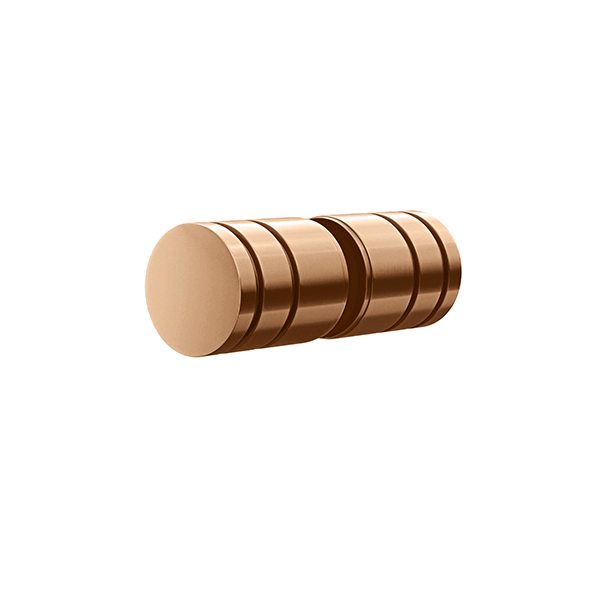
Sold out Meir Shower Door Round Handle Lustre Bronze
Checking delivery...$81$0 (-0%) offRRP of $81 -
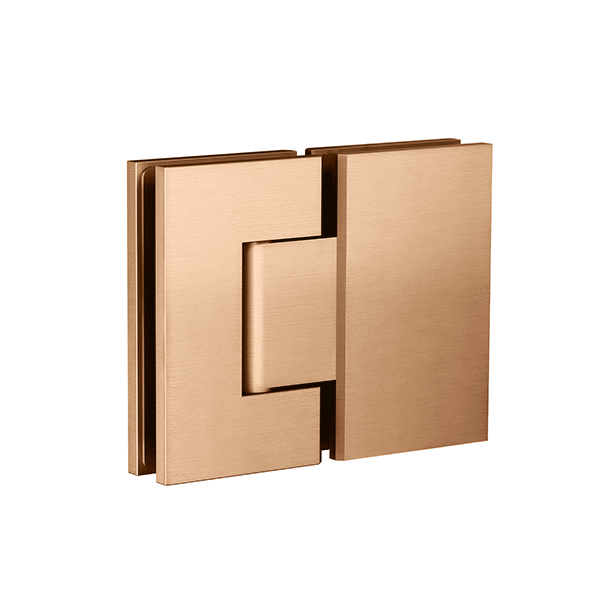
Sold out Meir Glass to Glass Shower Door Hinge Lustre Bronze
Checking delivery...$299$0 (-0%) offRRP of $299 -
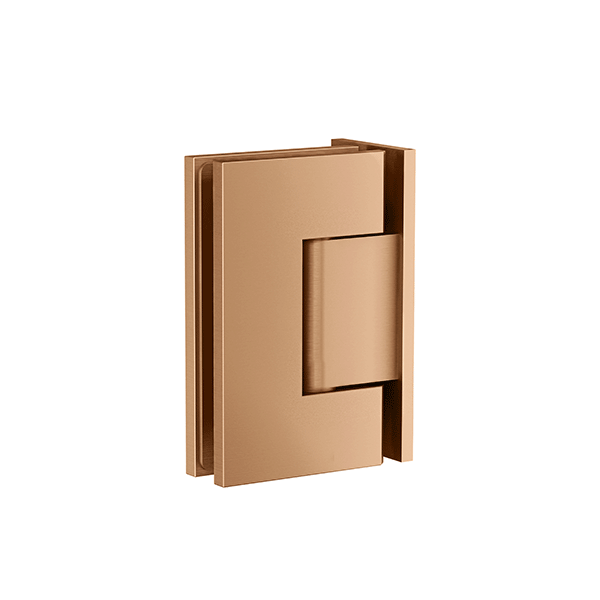
Sold out Meir Glass to Wall Shower Door Hinge Lustre Bronze
Checking delivery...$249$0 (-0%) offRRP of $249 -

Sold out Nero Shower F-Shaped Bracket 10mm Glass Brushed Bronze
Checking delivery...$81$0 (-0%) offRRP of $81 -

-
In Stock

Sold out Nero 90 Degree Glass to Wall Shower Hinge Brushed Bronze
Checking delivery...$209$0 (-0%) offRRP of $209 -
$47 Off RRPNew Release
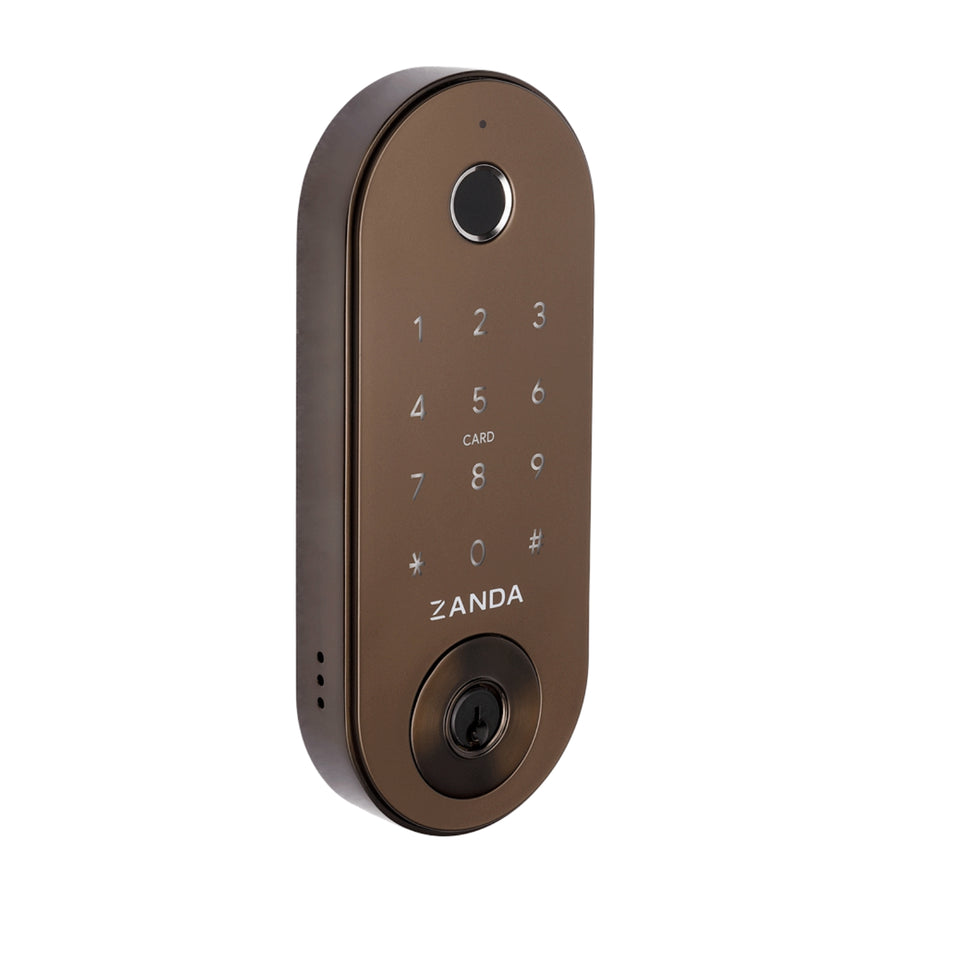
Sold out Zanda Stealth Smart Lock Deadbolt Ember Bronze
Checking delivery...$883$47 (-5%) OFFRRP of $930$47 (-5%) offRRP of $930 -

Sold out Nero Shower Towel Bar 500mm Brushed Bronze
Checking delivery...$309$0 (-0%) offRRP of $309 -
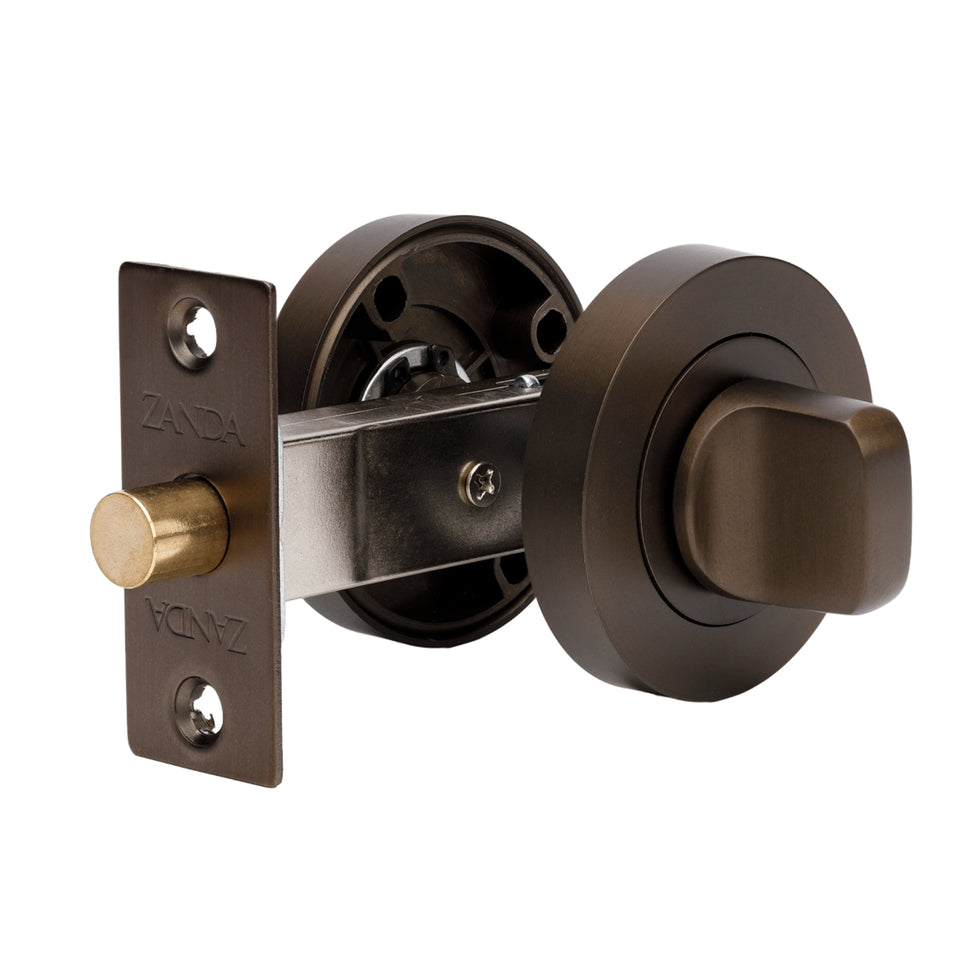
Sold out Zanda Futura Round Separate Privacy Kit Ember Bronze
Checking delivery...$132$0 (-0%) offRRP of $132 -

Sold out Nero Square Shower Knob Handle Brushed Bronze
Checking delivery...$283$0 (-0%) offRRP of $283 -


Bronze door handles buying guide
Bronze on a door handle is usually a finish, not a metal. A handle sold as bronze can be solid bronze with a living finish, solid brass with a bronze lacquer, or stainless steel or zinc alloy with a bronze-coloured coating, and the three behave differently over time. This collection holds bronze, antique bronze and brushed bronze levers, knobs, pull handles, sliding door pulls, locks, hinges, stops and hooks, plus some shower door hardware in bronze. This guide sets out what the name means, how the main finishes are made, which numbers decide fit, how to match bronze across a door, and how to care for it. For the wider range, see door handles, interior door handles and door hardware.
Living finish or coated finish
The biggest choice is whether the surface changes. Living finishes are handmade and change over time, and oil rubbed bronze is a dark finish with tones from deep brown to dark grey, depending on climate exposure. An oil-rubbed living finish is meant to change gradually, developing a patina that brings out copper tones. A coated finish is built to hold. Bronze-look PVD finishes are highly corrosion and abrasion resistant. Antique brass has a deep, rich colour from an antiquing process, protected by clear lacquer, and designed to develop a patina and natural colour variation over time, while electroplated or PVD versions give a more consistent look. If you want the handle to age with use, choose a living finish. If you want it to look the same in five years as on installation, choose a coated finish and clean it gently.
Antique or brushed
The finish name sets the look. Antique bronze is deeper and darker, with an aged character. Brushed bronze has a fine directional grain, a soft, matte surface that hides fingerprints better than a polished one. The Lockwood Vivid finish is called satin bronze and the Zanda finish is called Ember Bronze, and neither name is a standard, so compare the actual pieces. For the gold-toned neighbours, see brass door handles, brushed brass door handles and gold door handles. For the Zanda finish across a full suite, see Ember Bronze door hardware.
Choose the function first
Choose by what the door does. A passage set has no lock and suits connecting doors such as living rooms and laundries. A privacy set locks for bathrooms and bedrooms. A dummy handle only pushes or pulls, for cupboards and wardrobes. An entrance set pairs a lever, knob or pull with a key lock for an exterior door. The collection covers each. See passage door handles, privacy door levers, dummy door handles, door knobs and door levers. For entry doors, see exterior door levers and entry door lock sets.
Levers and knobs, with fit numbers
The Lockwood Vivid levers are 304 stainless steel on a 54mm rose and suit hinged doors 32 to 45mm thick. The V1 lever is 127mm long with a 53mm projection and 42mm finger clearance, the V2 is 140mm long, and the V4 is 130mm long with a 69mm projection and 49mm clearance. The Zanda Vertex levers in Ember Bronze are 137mm long with a 61mm projection on doors 35 to 45mm thick, with a 60mm backset. The Zanda Duke sets are 116mm. The Lane Bala knobs are brass and suit doors 32 to 45mm thick. The TradCo and Iver sets suit doors 35 to 60mm thick, with a 60mm backset on the passage sets and a 57mm backset on the TradCo Euro mortice entrance sets. See Lockwood door levers, Lane door levers, TradCo door hardware and Iver door hardware.
Entrance sets and locks
Entrance sets in bronze include a key. The TradCo Euro mortice sets list three keys, a key and key cylinder and a 57mm backset. The Iver entrance kits list two keys, a key and thumb cylinder, a Euro mortice lock and a 60mm backset. The Zanda Duke entrance set in Ember Bronze uses a 70mm Euro cylinder, either key and turn or key and key, and the round pull handle lock kit uses a Euro mortice lock on doors 35 to 45mm thick. Check the cylinder type, the backset and the door thickness on the product page before you order. See Zanda door hardware.
Pull handles for entrance and sliding doors
Pull handles are fixed through the door and sold in sets. The Zanda Duke pull handle is 630mm with 600mm fixing centres and a 55mm projection. The Momo Handles Bellevue pull is 496mm with 416mm centres and a 50mm projection, the Belgravia knurled pull is 600mm with 480mm centres and a 75mm projection, and the Aspen pull is 600mm with 525mm centres and a 48mm projection. These Momo Handles pulls suit doors 35 to 50mm thick and are brass. For sliding doors, the Iver Puerto flush pull is 225mm long with 185mm fixing centres on doors 35 to 60mm thick, the Lockwood Vivid flush pull is 150 by 50mm, and the Zanda Duke flush pull is 250 by 40mm. The Nidus Mardeco bronze flush pull is 257mm long. See pull handles, flush pulls, sliding door handles, Momo architectural door hardware and Nidus door hardware.
Hinges, stops and the rest of the door
Keep the hinges and stops in the same finish. The collection includes the Lockwood Vivid 100 by 75 by 2.5mm hinge, the Zanda bearing and loose pin hinges at 100 by 75mm, and the Momo Handles solid brass hinge at 100 by 76mm. The door stops include the Lockwood Vivid half moon and wall mounted stops, the Zanda magnetic, floor mounted and skirting fix stops, the TradCo oval, domed, magnetic and concealed fix stops and the Momo Handles 65mm stop. See hinges and door stops. For a period home, see heritage door hardware.
Shower door hardware in bronze
The collection also lists glass door hardware for showers in bronze. The Nero brushed bronze brackets and hinges are brass with a PVD finish for 10mm glass, and the Meir lustre bronze glass fixing brackets are for 10mm tempered glass panels. These are shower pieces, not interior door handles, and they match bathroom tapware in the same bronze, not the hardware on the bedroom door. For the full range, see shower screen hardware. Bronze robe hooks in the same finish come from TradCo, Momo Handles and others; see single robe hooks .
Matching bronze across a house
Finish names are not standard, so the safest match is one maker's range. Mixing brushed brass and gold products from different makers can produce visible colour differences, and staying within one maker's range makes matching easier. The same holds for bronze, because the Lockwood satin bronze, Ember Bronze from Zanda and the Lane antique bronze are separate finishes from separate makers. Compare a physical sample against the door, the wall colour and your lighting before you commit. For cooler or darker partners, see matte black door handles and gun metal door handles. For cabinetry in the same finish, see bronze cabinet handles.
Care
Care follows the finish. For lacquered brass, clean with a soft cloth and warm soapy water, avoid abrasive cleaners and harsh chemicals, and do not use brass polish or other metal cleaners, because they can damage the protective lacquer. Testing any cleaner on a hidden spot first is part of the same advice. A living finish is a surface that changes with use, so expect the grip to darken or lighten differently from the rose. For a PVD finish, avoid abrasive pads, since they can cut the coating. When in doubt, follow the care instructions on the product page or from the maker.
Lockwood Vivid, in detail
The Lockwood Vivid series is the stainless steel PVD option in satin bronze. There are four lever designs on a 54mm rose, with the lever set pre-assembled and a twist and tighten fixing action, and all fixings concealed beneath a removable rose trim. The sets suit hinged doors 32 to 45mm thick, and the 54mm rose suits preparations up to 45mm. The series includes passage, privacy and dummy sets, flush pulls, an edge pull and cavity sliders. The cavity slider is 63mm across with a 54mm prep hole and a 0.8mm projection off the door, which is why it suits a sliding door that has to recess. The series pairs with the maker's Dark Brass collection, which is a separate range. See sliding door handles.
Iver and TradCo heritage sets
The Iver and TradCo bronze-toned sets are lacquered brass in traditional shapes. The Iver Baltimore lever on a round rose has an inbuilt privacy function, takes doors 35 to 60mm thick on a 60mm backset, and measures 136mm long with a 57mm projection. The Iver Puerto lever and privacy turn suit the same door range. The Iver entrance kits pair a lever or knob with a separate high security lock, a Euro mortice lock and two keys. The TradCo Victorian, Milton, Menton, Reims and Bungalow ranges are lacquered brass levers and knobs on round roses or long backplates, with the passage sets on a 60mm backset and the entrance sets on a 57mm backset. These are the sets to look at for a period home, and the finish is antique brass or signature brass, so check the photo and the finish name against your door. See heritage door hardware.
Bronze with brass
Bronze and brass sit close, and mixing them is where mismatches appear. Finish names are not standardised and makers define shades differently, so compare samples rather than names. Raw brass develops a patina while coated brass is designed to stay stable, so check which construction a product page offers. Keep each door to one construction, either living or coated, and keep the hinges and stops in the same one. See satin brass door handles.
Our recommendation
Treat bronze as a surface and read what is under it. Choose a living finish if you want the handle to age, and a PVD, plated or lacquered finish if you want it to hold. Match the function to the door, measure the thickness, the hole and the backset, and read the box contents for keys, latches and single handles. Take the whole door from one maker's range, and clean it with a soft cloth and warm soapy water. That order avoids the common mistakes: a bronze name taken as a specification, two bronze tones that do not match, and a metal polish that strips the lacquer.

