


Gunmetal Grey Cabinet Handles
13 Items
-
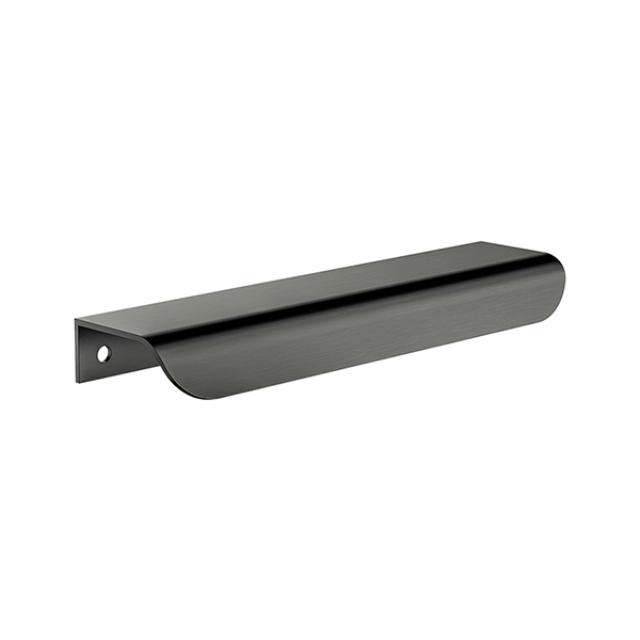
Sold out Meir Oppen Edge-Pull 150mm Cabinet Handle Shadow
Checking delivery...$69$0 (-0%) offRRP of $69 -
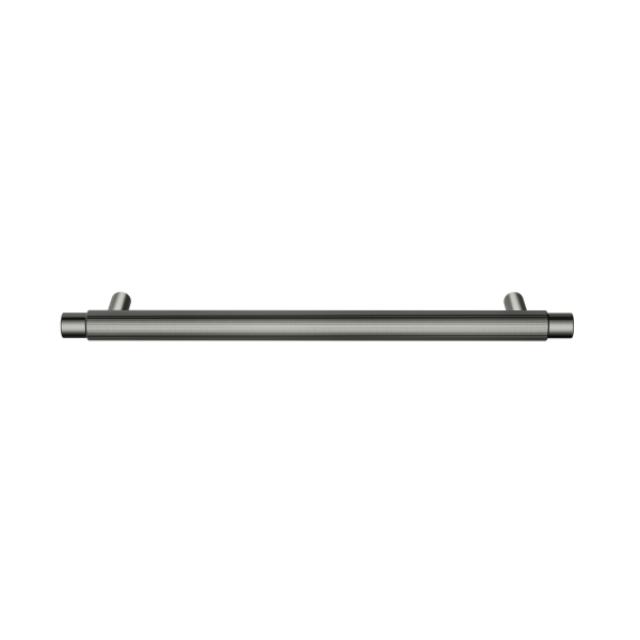
Sold out Meir Oppen Round Pull 200mm Cabinet Handle Knurled Shadow
Checking delivery...$61$0 (-0%) offRRP of $61 -
In Stock
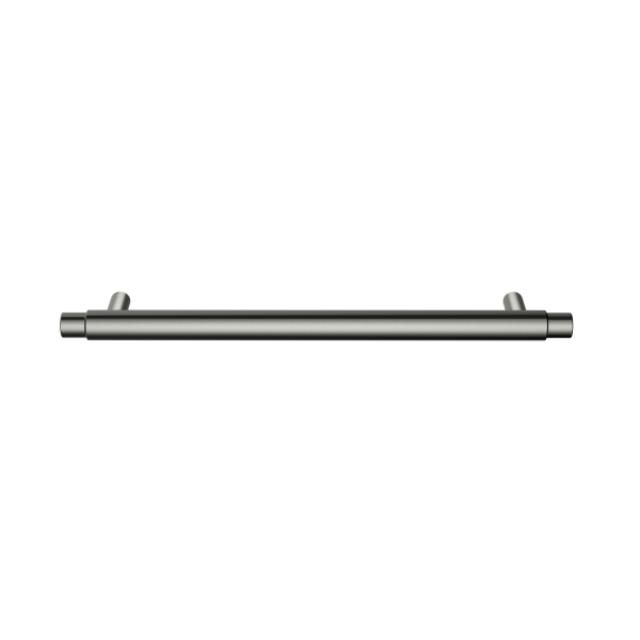
Sold out Meir Oppen Round Pull 200mm Cabinet Handle Shadow
Checking delivery...$61$0 (-0%) offRRP of $61 -
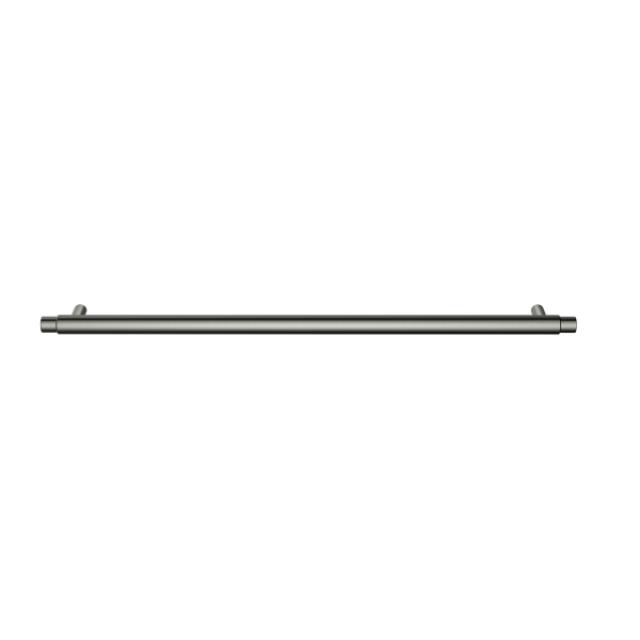
Sold out Meir Oppen Round Pull 328mm Cabinet Handle Shadow
Checking delivery...$86$0 (-0%) offRRP of $86 -
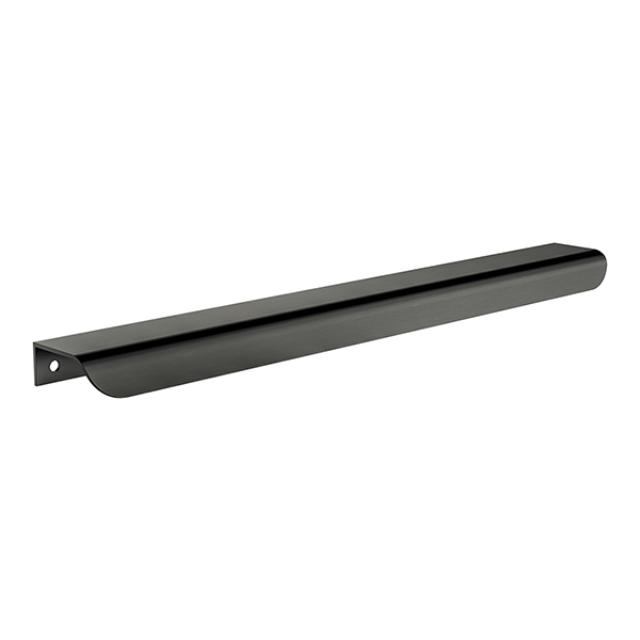
Sold out Meir Oppen Edge-Pull 300mm Cabinet Handle Shadow
Checking delivery...$86$0 (-0%) offRRP of $86 -

Sale On Now!
Up to 70% off across the store, plus free towels and mirrors up for grabs on orders over $800*
-
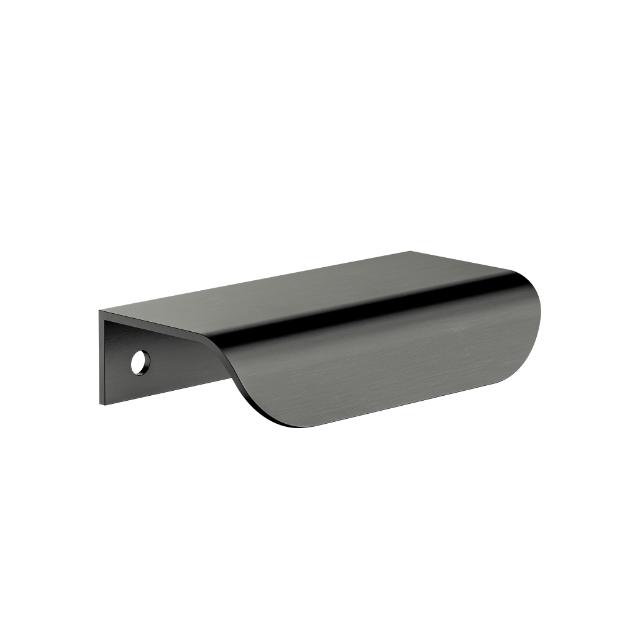
Sold out Meir Oppen Edge-Pull 75mm Cabinet Handle Shadow
Checking delivery...$49$0 (-0%) offRRP of $49 -
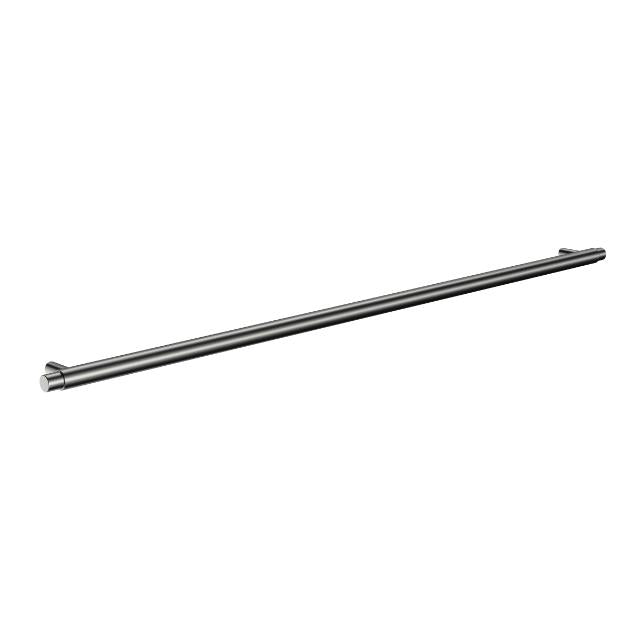
Sold out Meir Oppen Round Pull 520mm Cabinet Handle Shadow
Checking delivery...$124$0 (-0%) offRRP of $124 -
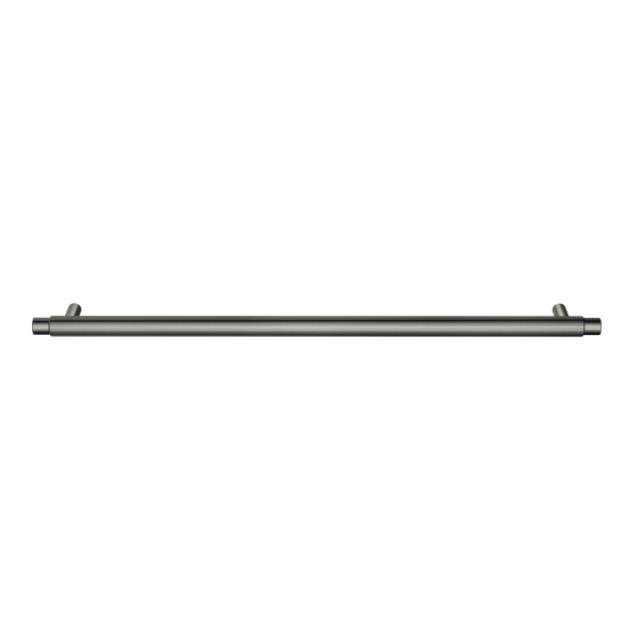
Sold out Meir Oppen Round Pull 328mm Cabinet Handle Knurled Shadow
Checking delivery...$86$0 (-0%) offRRP of $86 -
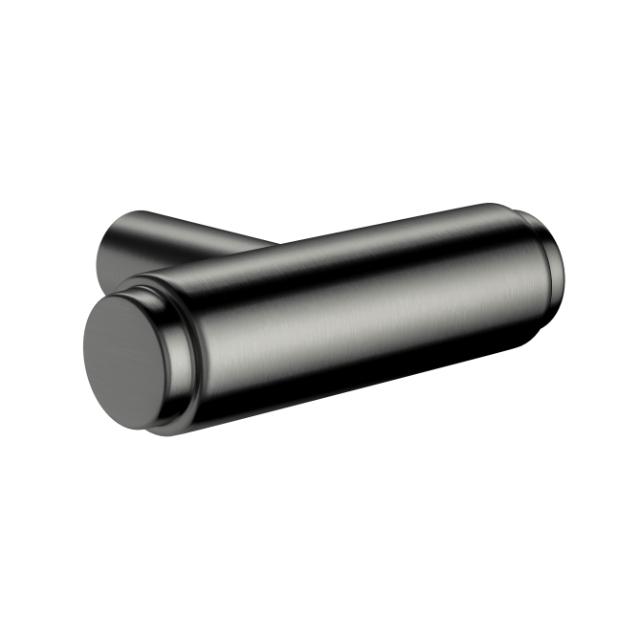
Sold out Meir Oppen T-Pull Cabinet Handle Shadow
Checking delivery...$31$0 (-0%) offRRP of $31 -
-
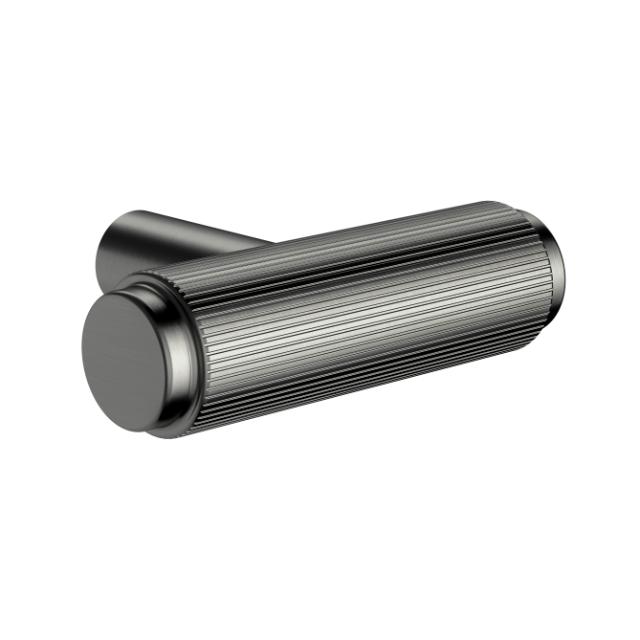
Sold out Meir Oppen T-Pull Cabinet Handle Knurled Shadow
Checking delivery...$31$0 (-0%) offRRP of $31 -
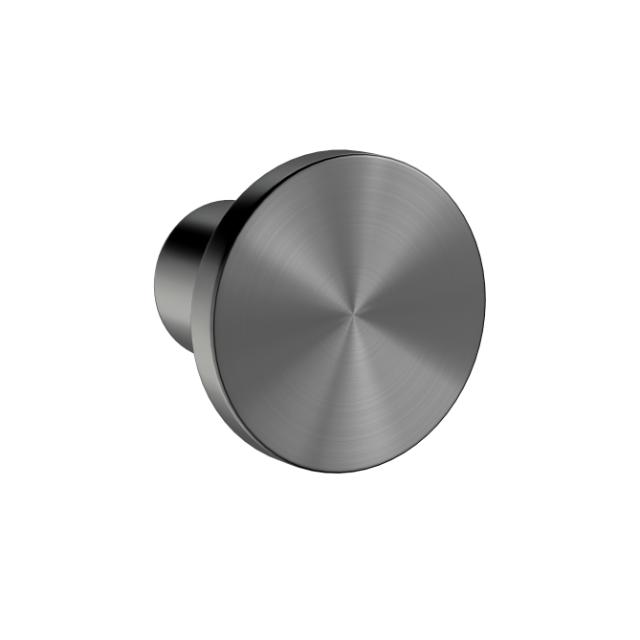
Sold out Meir Oppen Knob Cabinet Handle Shadow
Checking delivery...$61$0 (-0%) offRRP of $61 -
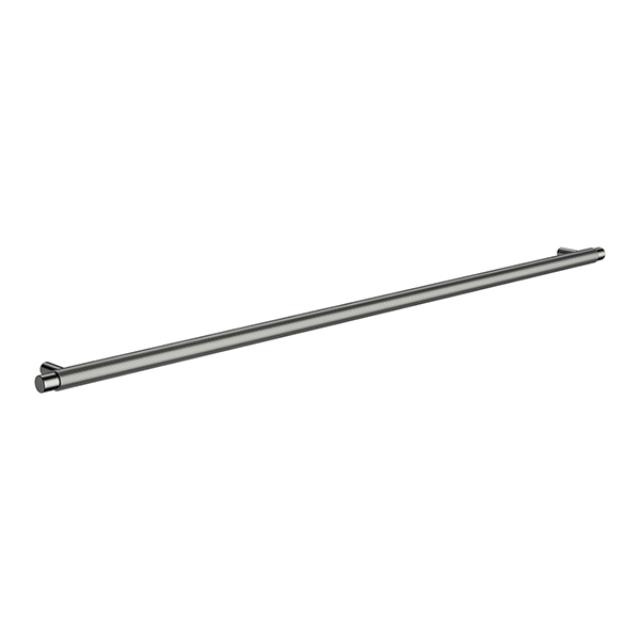
Sold out Meir Oppen Round Pull 520mm Cabinet Handle Knurled Shadow
Checking delivery...$124$0 (-0%) offRRP of $124 -
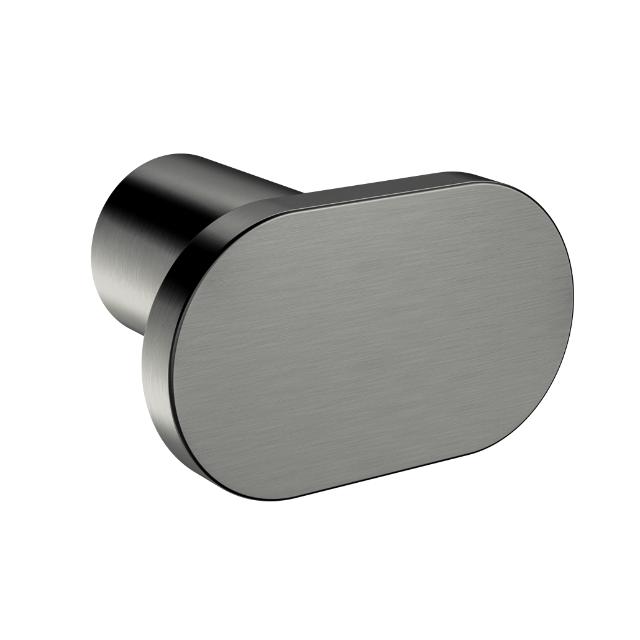
Sold out Meir Oppen T-Pull Cabinet Handle Oval Shadow
Checking delivery...$61$0 (-0%) offRRP of $61
Gunmetal Cabinet Handles Buying Guide
Gunmetal is the dark cool grey that sits between brushed nickel and black. It is darker than nickel, softer than matte black, and it holds its own on white, stone, timber and deep painted cabinetry. This page holds gunmetal cabinet handles, also searched as gun metal handles, gunmetal grey handles, gunmetal cupboard handles and gunmetal kitchen handles, in pulls, knobs, lip pulls and appliance pulls for kitchens, bathroom vanities, laundries and wardrobes. Makers use different names for the same colour, so the guide starts with what gunmetal is. It then covers how it wears, what it pairs with, what the range measures, how to size a handle and how to look after the finish. For handles in every colour, start at cabinet handles.
Is gunmetal grey or black
It is grey. Brushed gunmetal is a dark grey finish with a dark, matte face and cool undertones, darker and moodier than brushed nickel. It is a deep grey with a soft matte finish that stands out without overpowering a room, between a dull brushed nickel or stainless finish and black.
The difference from black is one of weight. Gunmetal is a deep, moody tone that feels industrial yet refined and is softer than matte black. Matte black is bold, modern and slightly edgy, with a sharp contrast against lighter surfaces, and it can overpower a small room if overused. Gunmetal gives the dark handle with less of that edge. For true black, see black cabinet handles.
The difference from nickel is one of warmth and light. Brushed nickel has a warmer, softer, lighter grey tone with a subtle sheen. Gunmetal suits kitchens and modern bathrooms, and nickel suits bathrooms and transitional rooms. For the lighter option, see brushed nickel cabinet handles.
How gunmetal wears
People ask two questions: whether it scratches and whether it shows fingerprints. The answer on both points runs in the same direction, with differences in degree.
On fingerprints, gunmetal resists fingerprints and water spots better than shinier finishes, its dark tone helps conceal marks, and fingerprint visibility is slight. Brushed finishes in general hide fingerprints better than polished ones, which helps on high-touch drawer fronts.
On scratches, the finish type matters. A PVD treated finish helps make hardware scratch resistant. PVD, or physical vapour deposition, bonds the colour to the metal in a vacuum chamber, and it is significantly harder than traditional plating. Powder coating, a paint-based finish, is less durable than PVD where it gets wet and is more prone to chipping over time. An electroplated coating resists tarnish and oxidation. Gunmetal is therefore not a scratch-proof finish. It makes small marks harder to see, which is a practical gain on a handle the hand touches daily.
What gunmetal pairs with
Gunmetal pairs with concrete, stone, white quartz and natural wood, and its cool undertones complement whites, greys and deep blues and contrast with warm woods. It works with timber, stone and painted cabinetry, gives contrast against lighter cabinetry, and blends into darker tones. In practice a gunmetal handle shows up on white and pale doors, and it quietly disappears on navy, charcoal and deep green doors. Choose it on the pale door for a handle that is seen, and on the dark door for a handle that recedes.
Matching gunmetal across the room
Gunmetal pulls are meant to complement gunmetal tapware without competing with it, and they can be coordinated with gunmetal door handles, hinges and door stops. Confirm the gunmetal finish matches the other fixtures. The practical risk is that gunmetal is not a standard colour, and one maker's gunmetal can sit a shade warmer or cooler than another's, so hold the handle against the tap, or against a sample, before you order. That is also why the finish names on this page differ: Gunmetal, Gun Metal, Shadow, Metallic Grey, Brushed Grey and European Pewter all appear here, and each belongs to a different maker.
The ranges on this page, measured
Hole centres, also called the fixing distance, are the gap between the two screw holes, overall length is the full length of the handle, and projection is how far the handle stands off the door.
- The Nero Mecca is stainless steel with a PVD finish. The pulls are 130mm overall on 96mm centres, 200mm on 160mm, and 330mm, 12mm wide with a projection of 34mm. There is a 50mm T-pull, 26mm and 36mm knobs with a projection of 26mm, and a 520mm appliance pull on 416mm centres, 20mm wide with a projection of 50mm. The cabinet thickness is 15 to 35mm, and the screws are included.
- The Meir Oppen in Shadow is stainless steel. The round pull is 200mm overall on 160mm centres, 328mm on 288mm, or 520mm on 480mm, 12mm wide with a projection of 30mm. The edge pull is 75mm, 150mm or 300mm overall, 16mm wide with a projection of 35mm. There are a 40mm T-pull and a 30mm knob, and the cabinet thickness is 13 to 18mm. See Meir Oppen cabinet handles.
- The Castella Tarn is solid brass with a hammered surface in a gunmetal finish. The handle is 196mm overall on 160mm centres, 15mm thick with a projection of 35mm, and the knob is 38mm with a projection of 26mm. It is made in England.
- The Castella Hastings is solid brass in gunmetal. The cup pull is 108mm or 230mm overall on 96mm or 203mm centres, 40mm wide with a projection of 22mm, and the knobs on a backplate are 34mm and 38mm. See cup pull cabinet handles.
- The Castella Reed is aluminium. The D pull is 172mm overall on 160mm centres with a projection of 35mm, and the knob is 35mm with a projection of 26mm. See Castella cabinet handles.
- The Momo Handles Chelsea lip pull is solid brass with a PVD finish, 120mm or 300mm overall on 96mm or 256mm centres, 20mm wide with a projection of 45mm. The Milano D handle is zinc alloy in metallic grey, 136 to 328mm overall on 128 to 320mm centres, 8mm wide with a projection of 28mm. The Ona lip pull is aluminium, 50, 200 or 350mm overall, and the Angle pull is aluminium in metallic grey, 200mm or 300mm overall on 128mm or 192mm centres, with a projection of 13mm. See Momo Handles premium cabinet handles.
Handle shapes and where they suit
A bar or pull handle is gripped with several fingers and suits drawers, at cabinet pull handles. A knob sits on a single hole and suits a small door, at cabinet knobs, and a lip pull sits on the edge of the front for a flat face, at lip pull handles. A cup pull is a shallow scoop fixed on the face. A long appliance pull covers fridge panels and pantry doors, at appliance pull handles, and a D handle curves away from the door and back, at D shaped cabinet handles.
Choosing the size
Hole centres, and not overall length, measure handle length. As a rule of thumb and not a strict rule, a pull is commonly about one third of the drawer or door width. Pot drawers and pantry doors take longer handles of 250mm or more, and smaller handles or knobs suit upper cabinets.
The sizing steps are simple. For drawers up to about 400mm wide, a knob, a short pull or a compact bar usually looks balanced, and for fronts of about 450 to 700mm, 128, 160 or 224mm centres are frequently right. For wider fronts, 256 or 320mm centres suit, or two pulls placed symmetrically. Knob diameter follows the same logic, with 25 to 38mm suiting standard doors and 40 to 50mm or more suiting pantry doors and deep drawer fronts. A typical starting point for placement is 40 to 60mm from the door edge to the centre of the fixing.
If you are replacing handles, measure the centres of the holes you have and match them unless you plan to fill the old holes. A 128mm handle will not fit 160mm holes without drilling new holes, which can leave marks on a painted or veneered front. Many handles include screws for 16 to 18mm cabinet boards, and the Nero and Meir handles have their own cabinet thickness ranges, so check your door thickness before you order.
Where to put the handle
Centre the handle on a drawer front. On a base door, place it near the top corner on the side opposite the hinges, and on a wall door near the bottom corner. A long vertical pull on a pantry door sits at hand height and not at the exact middle. The usual rule is horizontal handles on pull-out drawers and vertical handles on doors. Horizontal handles on doors give a streamlined look but may not open as naturally. Make sure handles do not hit each other when cabinets open.
How to care for gunmetal handles
The care advice is consistent. Clean with warm soapy water and a soft microfibre cloth or sponge, avoid harsh chemicals and abrasive cleaners, and dry fixtures after use to limit watermarks and surface rust. Abrasive sponges, bleach, harsh chemicals and rough scrubbing tools can dull the finish. Dry thoroughly to avoid water marks, and keep steel wool and scouring pads away.
Gunmetal suits humid areas, and regular cleaning helps in coastal or high-salt environments. For stainless steel handles, bleach and other chlorides are the thing to keep away from 304 steel in warm, moist conditions, so wipe a handle clean of bleach splashes at once and dry it.
A short checklist before you order
- Choose gunmetal over black when you want a dark handle with less edge, and over nickel when you want more depth.
- Hold the handle against your tap or a sample, because gunmetal names and tones differ by maker.
- Check the finish line: PVD and electroplated finishes resist wear best, and powder coat is the weakest where it gets wet.
- Measure the centres of your existing holes, and choose a handle about one third of the drawer width.
- Check the projection and the cabinet thickness on the product page.
For the full range of handle styles, return to cabinet handles.

