


Rain Showers
43 Items
-
In StockLifetime Warranty
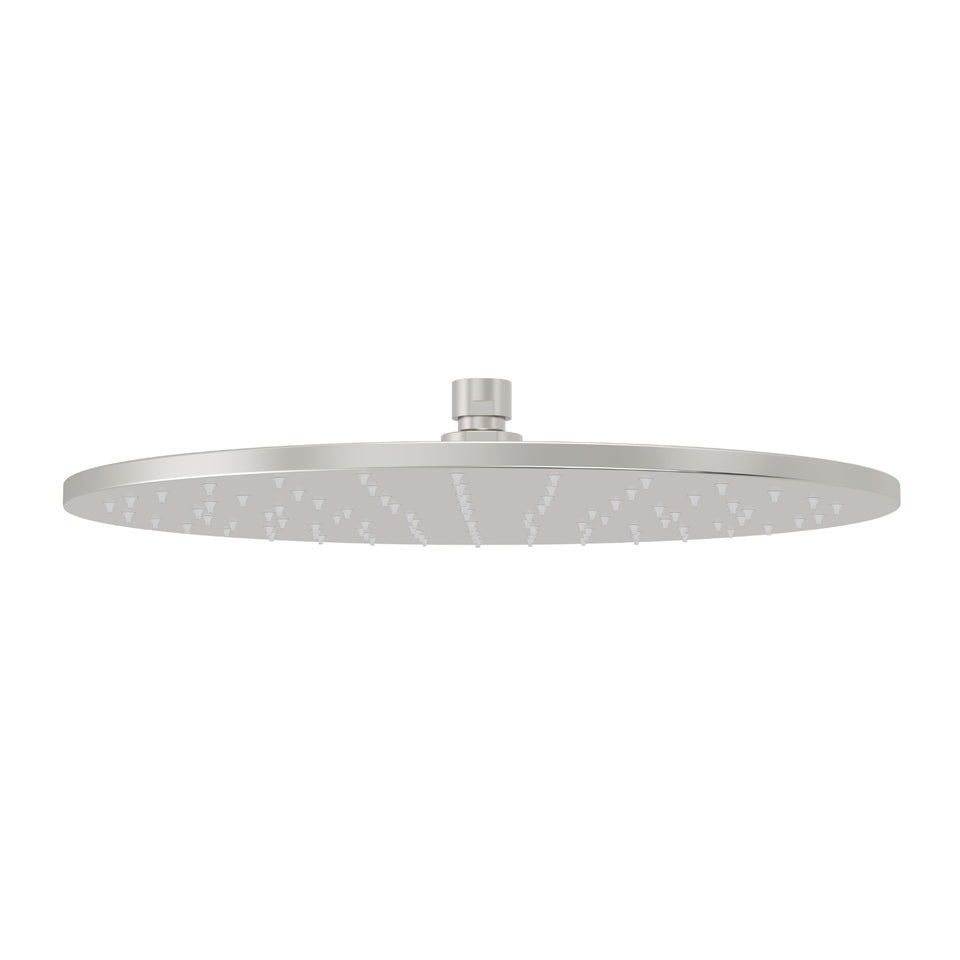
Sold out Meir Round Shower Rose 300mm Brushed Nickel
Checking delivery...$561$0 (-0%) offRRP of $561 -
In StockLifetime Warranty
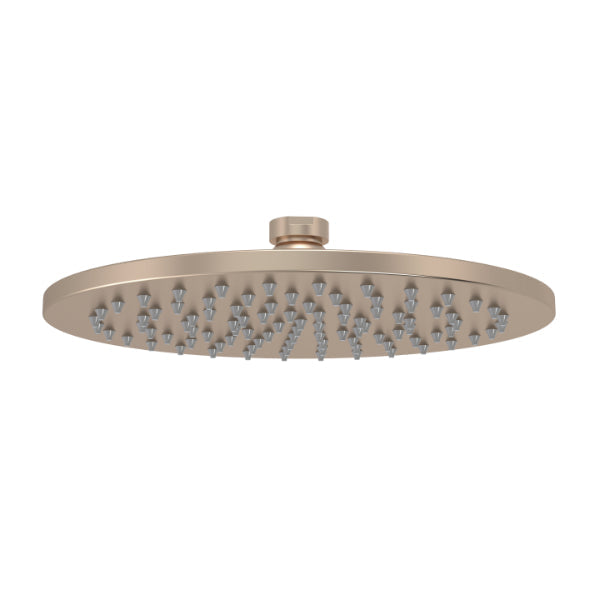
Sold out Meir Round Shower Rose 200mm - Champagne
Checking delivery...$311$0 (-0%) offRRP of $311 -
In StockLifetime Warranty
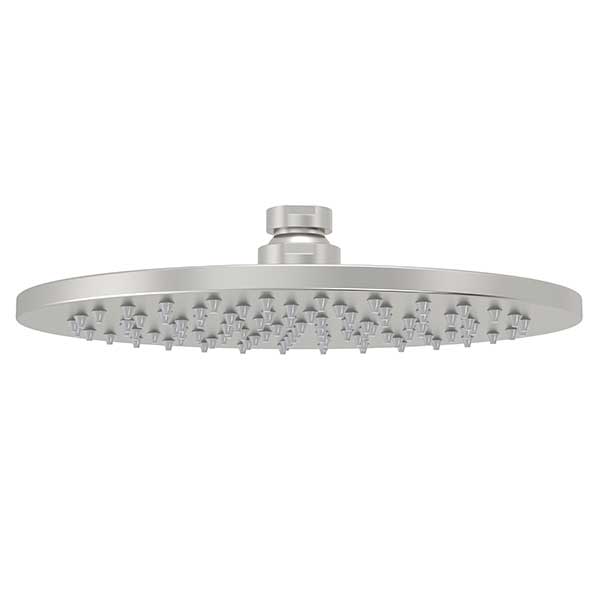
Sold out Meir Round Shower Rose 200mm Brushed Nickel
Checking delivery...$311$0 (-0%) offRRP of $311 -
In StockLifetime Warranty
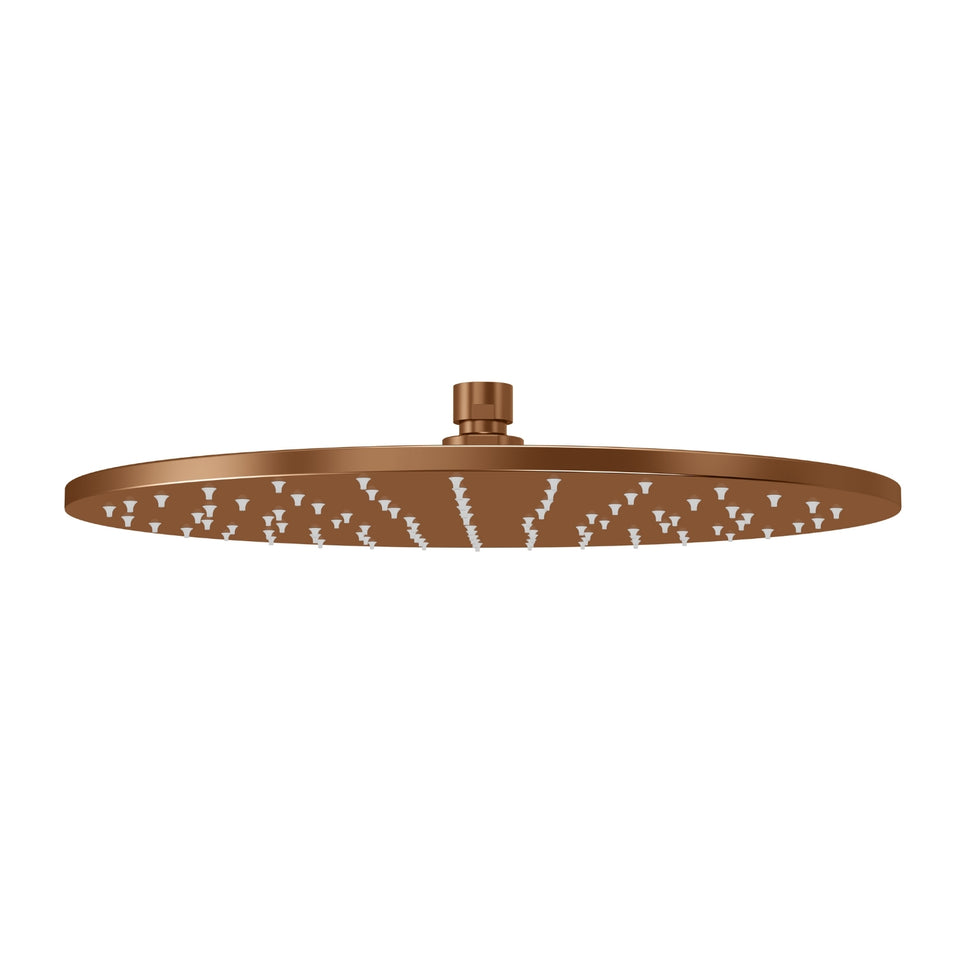
Sold out Meir Round Shower Rose 300mm Lustre Bronze
Checking delivery...$624$0 (-0%) offRRP of $624 -
In StockLifetime Warranty
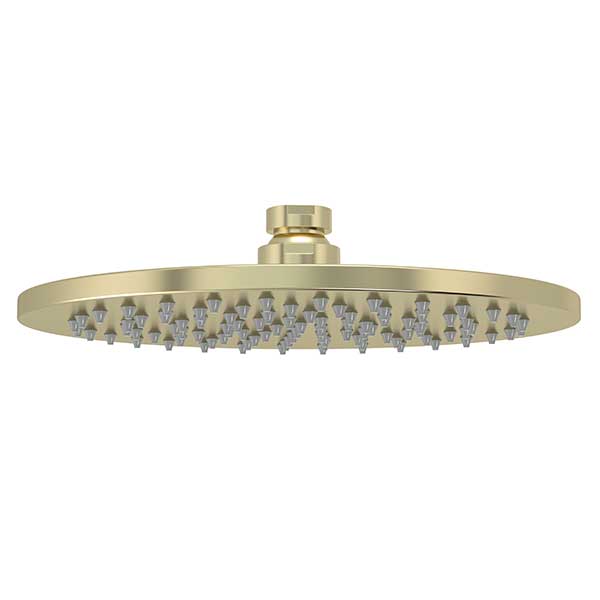
Sold out Meir Round Shower Rose 200mm Tiger Bronze
Checking delivery...$311$0 (-0%) offRRP of $311 -

Sale On Now!
Up to 70% off across the store, plus free towels and mirrors up for grabs on orders over $800*
-
In StockLifetime WarrantySpa Feel
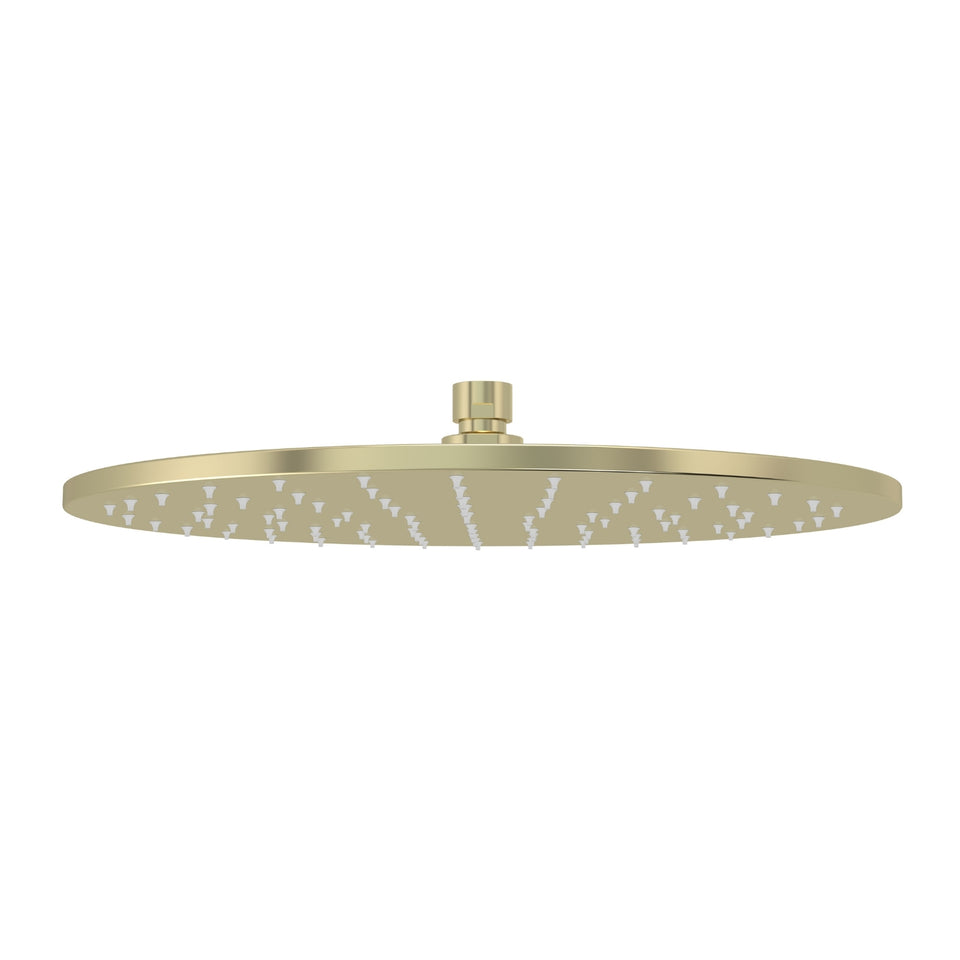
Sold out Meir Round Shower Rose 300mm Tiger Bronze
Checking delivery...$561$0 (-0%) offRRP of $561 -

Sold out Caroma 300mm Round Rain Shower - Brushed Nickel
Checking delivery...$696$0 (-0%) offRRP of $696 -

Sold out Caroma Contura II 300mm Rain Shower - Brushed Bronze
Checking delivery...$628$0 (-0%) offRRP of $628 -
Lifetime Warranty
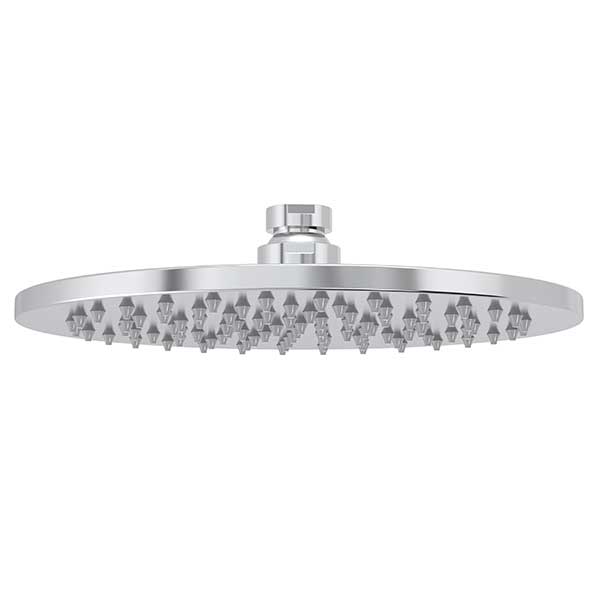
Sold out Meir Round Shower Rose 200mm Chrome
Checking delivery...$199$0 (-0%) offRRP of $199 -
-
In Stock

Sold out Caroma 300mm Round Rain Shower - Brushed Brass
Checking delivery...$696$0 (-0%) offRRP of $696 -
Lifetime Warranty
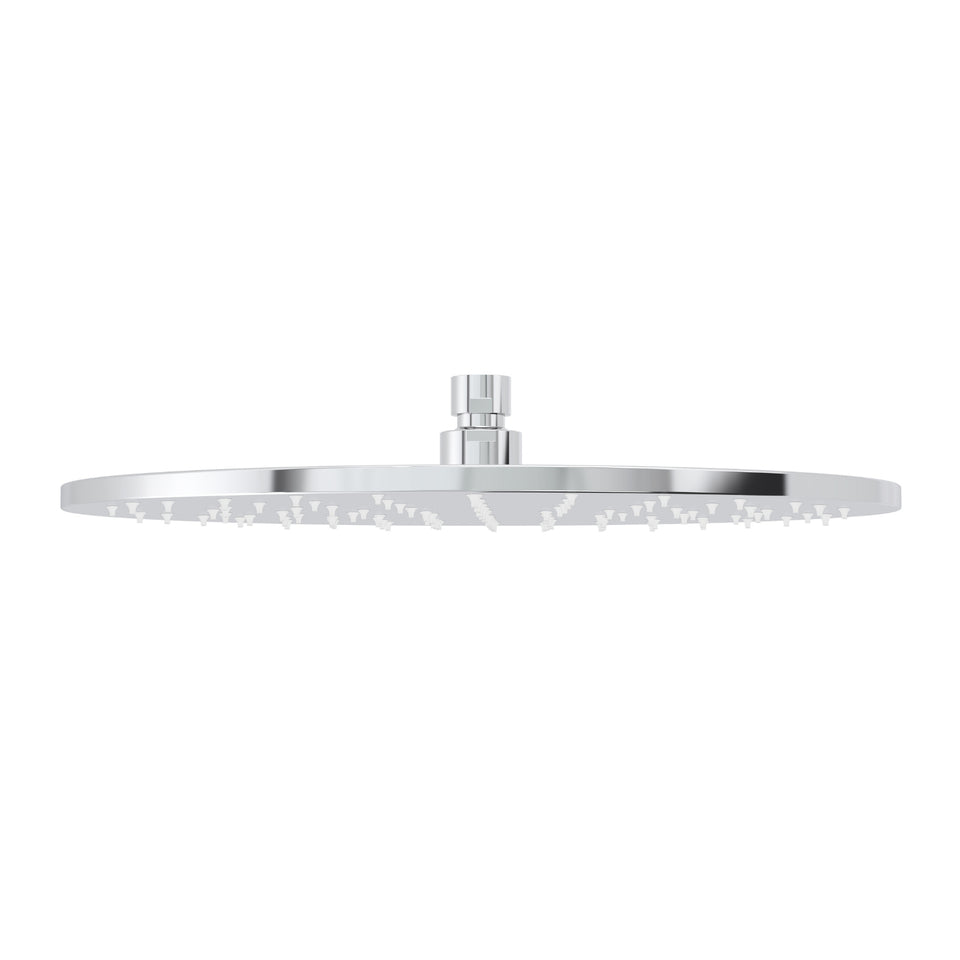
Sold out Meir Round Shower Rose 300mm Chrome
Checking delivery...$386$0 (-0%) offRRP of $386 -
Lifetime Warranty
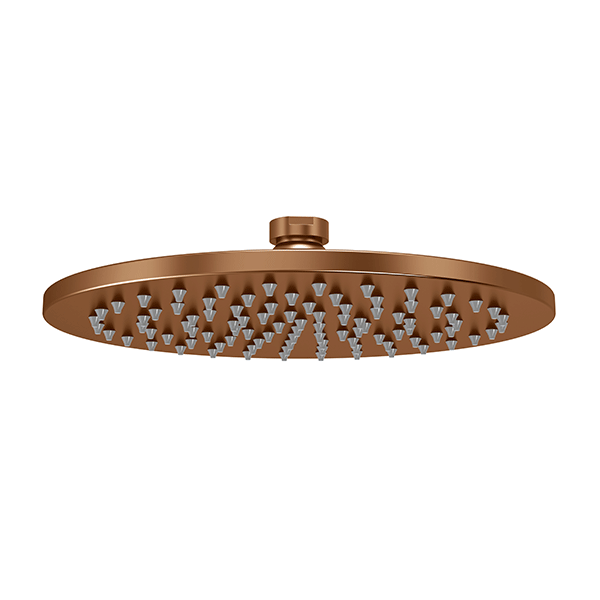
Sold out Meir Round Shower Rose 200mm Lustre Bronze
Checking delivery...$349$0 (-0%) offRRP of $349 -
In Stock

Sold out Caroma Contura II 300mm Rain Shower - Brushed Nickel
Checking delivery...$628$0 (-0%) offRRP of $628 -
Lifetime Warranty
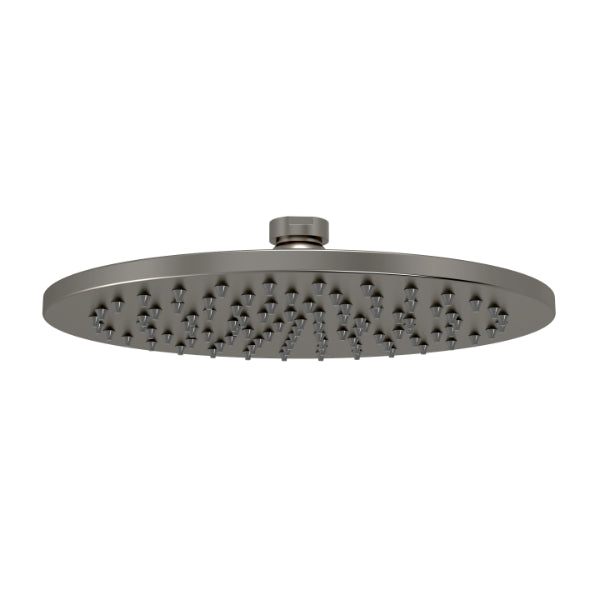
Sold out Meir Round Shower Rose 200mm - Shadow
Checking delivery...$311$0 (-0%) offRRP of $311 -
-
Lifetime Warranty
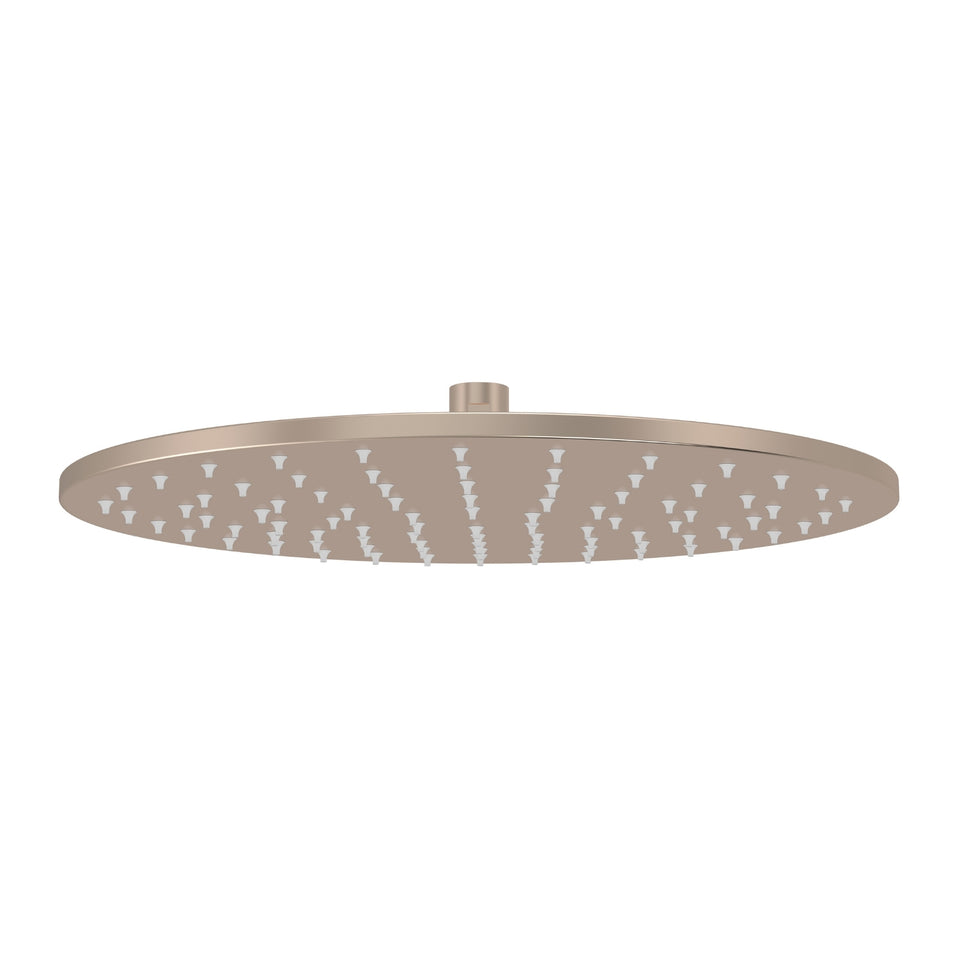
Sold out Meir Round Shower Rose 300mm Champagne
Checking delivery...$561$0 (-0%) offRRP of $561 -
In Stock

Sold out Caroma Contura II 300mm Rain Shower - Brushed Brass
Checking delivery...$628$0 (-0%) offRRP of $628 -
In Stock

Sold out Caroma 300mm Round Rain Shower - Matte Black
Checking delivery...$590$0 (-0%) offRRP of $590 -
Lifetime Warranty
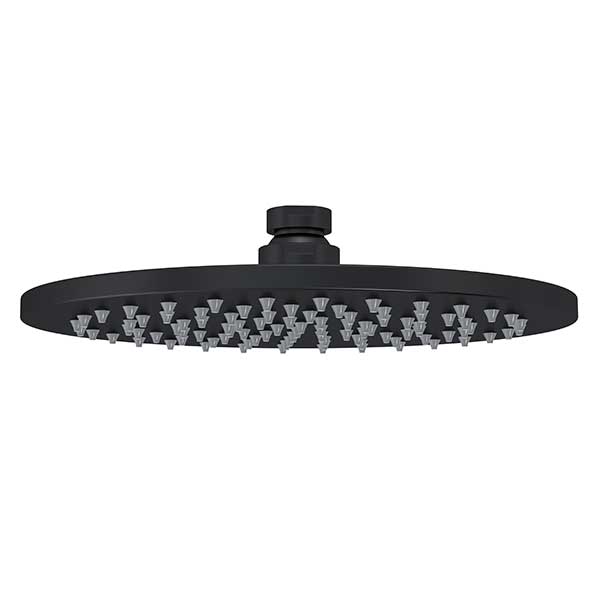
Sold out Meir Round Shower Rose 200mm - Matte Black
Checking delivery...$224$0 (-0%) offRRP of $224 -
Lifetime Warranty
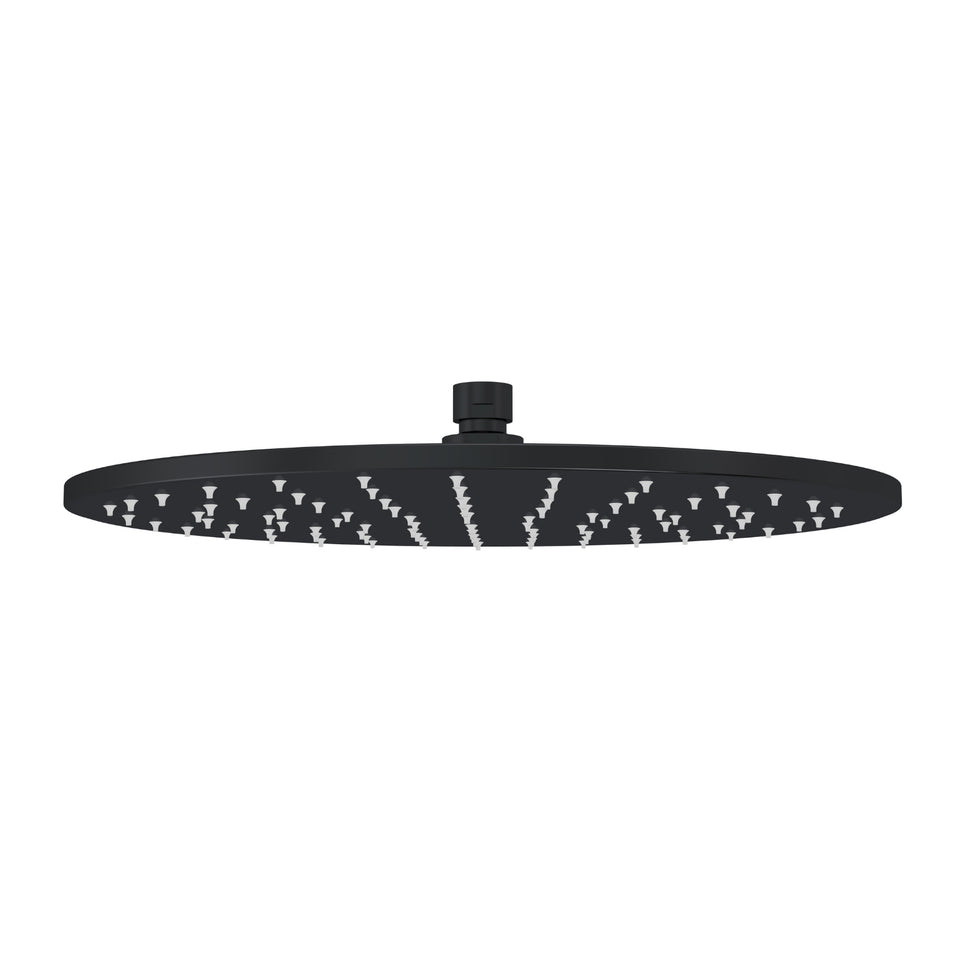
Sold out Meir Round Shower Rose 300mm Matte Black
Checking delivery...$474$0 (-0%) offRRP of $474 -
Lifetime Warranty
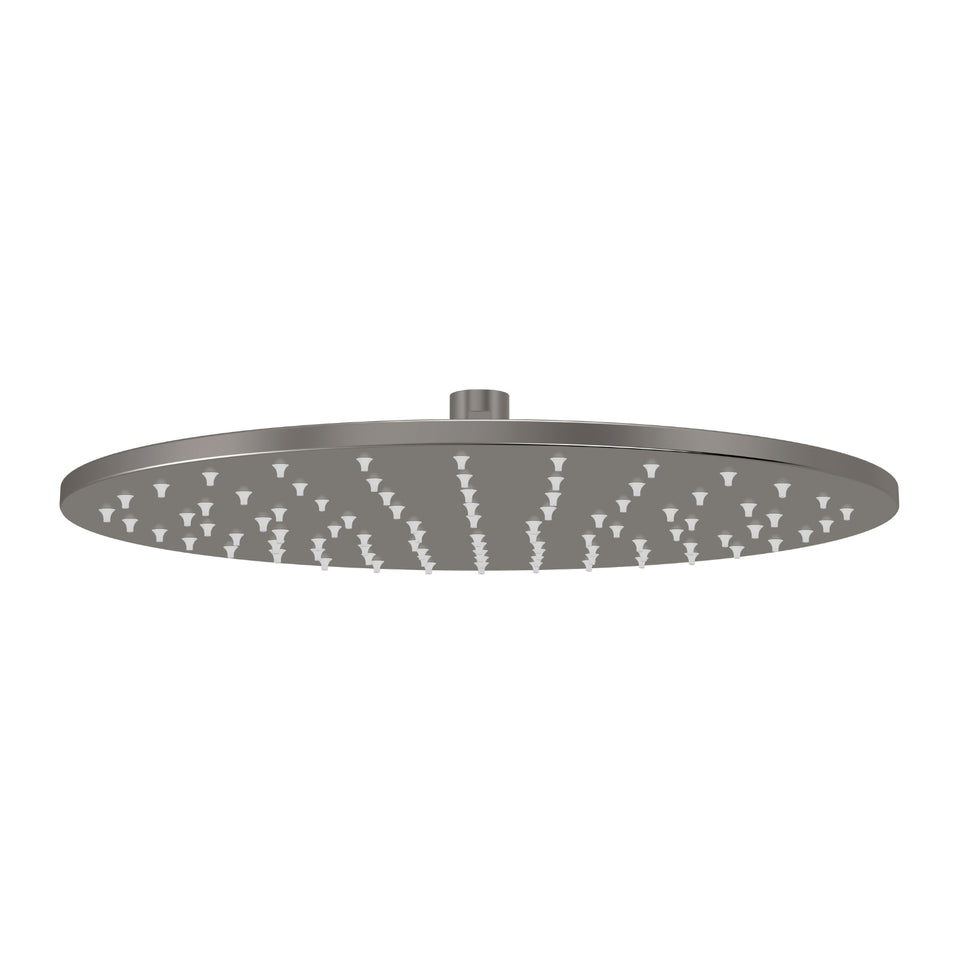
Sold out Meir Round Shower Rose 300mm - Shadow
Checking delivery...$561$0 (-0%) offRRP of $561 -
In Stock

Sold out Caroma 300mm Square Rain Shower - Brushed Brass
Checking delivery...$696$0 (-0%) offRRP of $696 -

Sold out Caroma Contura II 300mm Rain Shower - Chrome
Checking delivery...$469$0 (-0%) offRRP of $469 -
In Stock

Sold out Caroma 200mm Round Rain Shower - Brushed Brass
Checking delivery...$633$0 (-0%) offRRP of $633 -
-

Sold out Caroma 300mm Round Rain Shower - Chrome
Checking delivery...$535$0 (-0%) offRRP of $535 -
In Stock

Sold out Caroma 300mm Square Rain Shower - Chrome
Checking delivery...$535$0 (-0%) offRRP of $535 -
In Stock

Sold out Caroma 300mm Square Rain Shower - Matte Black
Checking delivery...$589$0 (-0%) offRRP of $589 -
In Stock

Sold out Caroma 200mm Round Rain Shower - Brushed Nickel
Checking delivery...$633$0 (-0%) offRRP of $633 -

Sold out Caroma Contura II 300mm Rain Shower - Black
Checking delivery...$532$0 (-0%) offRRP of $532 -
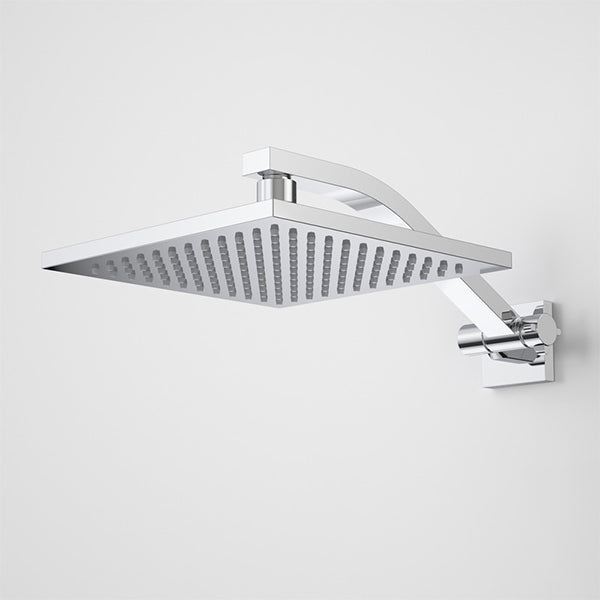
Sold out Caroma Quatro Adjustable Shower
Checking delivery...$282$0 (-0%) offRRP of $282 -

Sold out Caroma 200mm Square Rain Shower - Brushed Brass
Checking delivery...$633$0 (-0%) offRRP of $633 -
In Stock

Sold out Caroma 200mm Round Rain Shower - Chrome
Checking delivery...$487$0 (-0%) offRRP of $487 -
In Stock

Sold out Caroma 300mm Round Rain Shower - Gunmetal
Checking delivery...$696$0 (-0%) offRRP of $696 -

Sold out Caroma 200mm Round Rain Shower - Gunmetal
Checking delivery...$633$0 (-0%) offRRP of $633 -

Sold out Caroma Luna Overhead Shower Head Brushed Nickel
Checking delivery...$215$0 (-0%) offRRP of $215 -
In Stock

Sold out Caroma Luna Overhead Shower Head Black
Checking delivery...$215$0 (-0%) offRRP of $215 -


What a rain shower head is
A rain shower head is a large, flat overhead head that lets water fall almost vertically at low velocity, covering a broad area instead of hitting you from one point. The face runs from 200 to 400 mm across, against 80 to 120 mm for a standard head. The nozzles are spread across the whole face, which is why one head wets the whole body without you turning to rinse. Rain shower, rainfall, rainwater, overhead and rainshower all describe the same thing, and this page covers all of them.
The range is rain heads on a wall arm and rain heads supplied as arm and rose sets. For a head that drops from the ceiling, see ceiling showers. For a standard fixed head, see shower roses. For a hand shower, see hand held shower heads. The full range sits in showers.
Rain shower or standard head: what changes
A standard wall head gives a strong, direct flow with adjustable direction, and it usually uses less water. Its drawback is that a focused stream is less suited to an all-over wash. A rainfall head gives a soft, even stream over the whole body and looks more like a spa. Its drawback is that the gentle flow may feel too weak for people who prefer a powerful shower. A rain head is fixed, so you lose the angling and rinsing control of a handset.
That difference is the whole decision. If you want a calm, full-body shower and your supply can carry it, take a rain head. If you want power and control, take a standard head, or add a hand shower. A rain shower suits an immersive shower in a master ensuite, a walk-in shower or a renovation. A handheld suits flexibility, rinsing, cleaning and family use. A twin shower combines both, so you do not have to compromise; see twin shower heads, or compact twin showers for a smaller recess.
Is a rain shower head right for your shower?
A rain head suits the right shower and needs a few things in place. The benefits are full-body coverage, an overhead look that can make the shower feel roomier, and easy care on a smooth face. Plan for these points before you buy.
What size rain shower head suits your shower?
Sizes in this collection are 200 mm, 230 mm, 250 mm and 300 mm, in round and square, with a few rectangular. A 200 mm head is the all-rounder, with solid coverage for a standard 900 by 900 mm shower on average household pressure. A 250 mm head is the sweet spot for most renovations, because it feels more enveloping than 200 mm and still suits typical Australian water pressure. A 300 mm head gives drench coverage, but it demands good pressure and a wide shower zone, and in a small shower much of the spray lands outside your body and cools you down.
The size must match the pressure and the width of the shower. On low pressure, stay at 200 to 250 mm. Instantaneous hot water systems and older gravity-fed setups should also go smaller, while mains-pressure homes can go larger. Use 300 mm only where the supply is strong and the shower is wide enough to catch the spray, and take 200 mm for a compact shower.
Shape is a style choice. Round softens a bathroom with many straight edges, and square picks up rectangular tiles and square mixers. The heads here are thin, with Meir roses measuring about 10 mm thick plus a 7 mm nozzle projection, so the look is slim from the side. For a narrower face with the same overhead idea, see shower roses.
Water pressure, flow and WELS
A rain head needs pressure of at least 150 kPa to work as intended, and 350 to 500 kPa is where a large face performs at its best. Below about 200 kPa a big head feels like a weak drizzle. The heads in this collection are rated for an operating pressure of 150 to 500 kPa, so the combination to avoid is the low end of that range with a 300 mm face. You can test your supply at home: if a 10 litre bucket fills from the shower outlet in under 60 seconds, the pressure is good. A booster pump is the usual fix for a persistently low supply, but it adds complexity.
How high a rain shower head sits
Set a head at around 2100 mm from the floor where possible. A wall-mounted fixed head is typically 2000 to 2100 mm to the centre of the arm outlet, and a rain head on a ceiling arm sits at 2100 to 2200 mm depending on ceiling height. For households with anyone over 190 cm, go to 2100 to 2200 mm. Leave at least 20 cm of clear space between the head and the top of the tallest user's head. A wide head set too low pushes the spray into the glass or the wall, and one set too high may let the spray spread and weaken before it reaches you. Strong pressure suits a higher mount, which softens the spray, and weak pressure suits a lower mount, which keeps it direct.
Wall arm, gooseneck or ceiling: how the head is mounted
A wall arm needs no ceiling work, although the angle is less immersive and the fitting more visible. A longer arm helps with a high ceiling, since the water should fall directly over you. The Fienza Lillian wall arm set and the Phoenix Cromford, Oxley and Ormond high-rise arm and rose sets in this collection are arm and rose sets, and a high-rise arm lifts the head without changing the wall outlet. For heads that drop from above, see ceiling showers.
Read the box: the arm is often sold separately
Most rain heads in this collection are the head only, and the arm is sold separately. The Phoenix Vivid 300 mm rose, for example, is compatible with all 1/2 inch shower arms, and you choose a matching arm. A smaller group are arm and rose sets that include the arm in the box. Check the box contents before you order, because it tells you whether a second purchase is needed. If you need only the arm, shower arms has the stand-alone options in matching finishes.
Most heads and arms use a 1/2 inch BSP connection, but imported products can differ, so confirm the thread before you buy. Match the arm to the head's weight and size, and to the height you set at rough-in.
Fitting a rain shower head
Swapping a head on an existing wall arm is one of the few plumbing jobs that needs no shut-off and no plumber. Loosen the old head by hand, turning it counterclockwise, and wrap a cloth around the fitting if you use a wrench. Peel off old tape and clean the thread. Wrap fresh thread seal tape three or four times, starting at the bottom and wrapping clockwise. Check the rubber washer is seated, hand-tighten the head, and turn the water on to check the joint. Plastic fittings are hand-tightened only, and metal-to-metal joints need a snug fit, not brute force.
Anything beyond that is plumber's work: repositioning the arm, ceiling-mounted units, and changes to the pipework. Settle the choice of shower before the plumbing and wall finishes are finalised, and have a licensed plumber confirm suitability before you buy. If you plan to upgrade from a single outlet to a twin system, you may need dual outlet plumbing and a compatible mixer. A low-quality connector can fail slowly and put moisture behind the wall, so use good fittings. See shower mixers for the controls.
Cleaning a rain shower head
The wide face collects scale across a larger surface, so wipe it regularly. Clean weekly with warm soapy water and a microfibre cloth, and rub the silicone nozzles with your finger to lift early deposits. In hard water areas, give the nozzles a deeper clean monthly. Soak the head in warm water with a few drops of mild dishwashing liquid for 30 to 60 minutes, scrub with a soft toothbrush and rinse. A wooden toothpick clears a single blocked hole, but never use a metal needle.
The finish decides the cleaner. Keep vinegar, baking soda, acid descalers and abrasive pads away from PVD and special finishes such as matte black, brushed gold, brushed nickel and gunmetal, because they can damage the coating. Acetic acid, hydrochloric acid and chlorine bleach are the agents to avoid, and a mild citric-acid cleaner is the safer way to descale. The safe default is warm soapy water. Smooth PVD or electroplated finishes help prevent water spots and fingerprints.
Planning the shower around a rain head
A rain head changes how water lands in the recess, so plan the room around it. A fixed glass panel or a full-height screen stops spray reaching the floor outside. A shower floor that falls firmly to the waste handles the larger volume of falling water without pooling. In a wide walk-in with no door, put the head over the drier end so the spray falls away from the entry.
Finish and what to pair it with
Rain heads here come in chrome, matte black, brushed nickel, brass, gold, gunmetal, bronze, champagne and white. Hard-water households do better with brushed, matte or darker tones, which hide water spots better than polished ones. Match the finish to the mixer and the rest of the shower and keep to one finish family. See chrome showers, black showers, brushed nickel showers, brushed brass showers, gold showers, bronze showers and gunmetal showers.
If you already have tapware from one range, start from that brand's showers: Phoenix showers, Caroma showers, Meir showers, Clark showers and Fienza showers.
If a rain head is not quite right, the neighbouring collections cover the alternatives: hand held shower heads for control, shower rails for adjustable height, and twin shower heads for both together.

