


Privacy Door Handles
15 Items
-
Italian Made
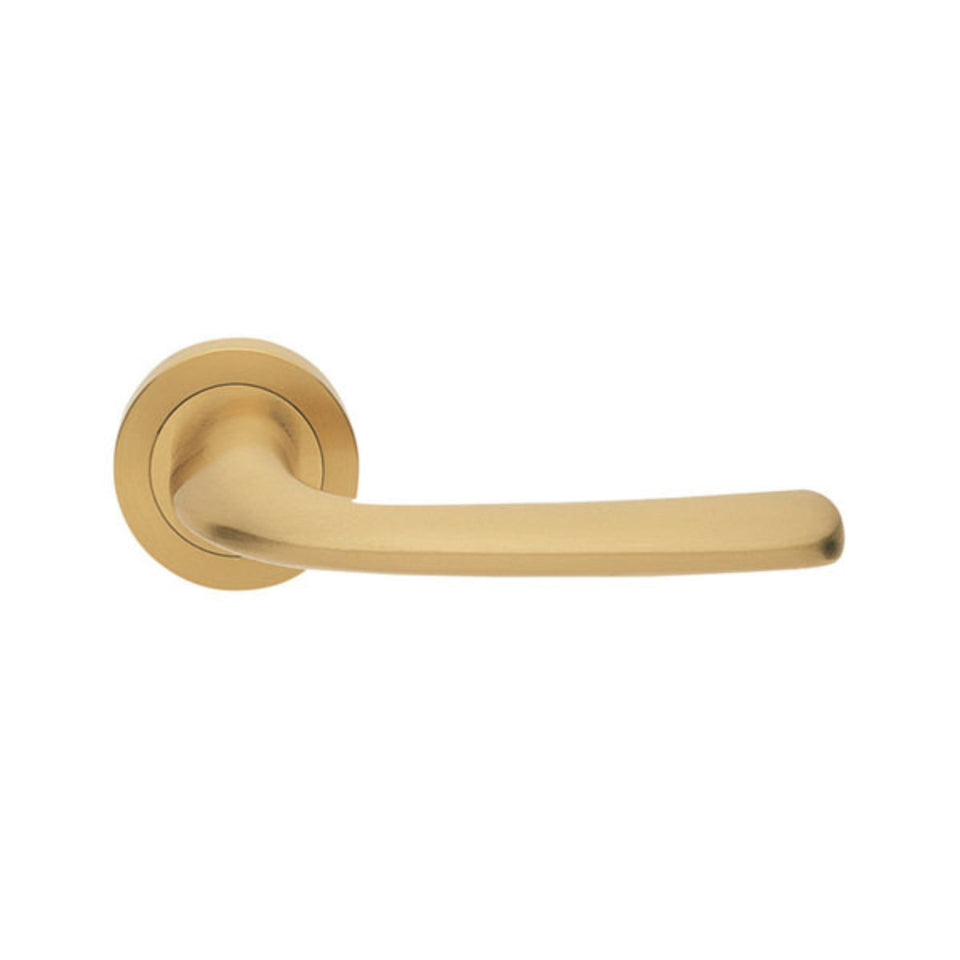
Sold out Manital GoGo Privacy Door Handle Set Satin Brass
Checking delivery...$309 -
$26 Off RRP

Sold out Nidus Knurled Domici Privacy Door Handle Set Matte Black
Checking delivery...$116$26 (-18%) OFFRRP of $142 -
Italian Made
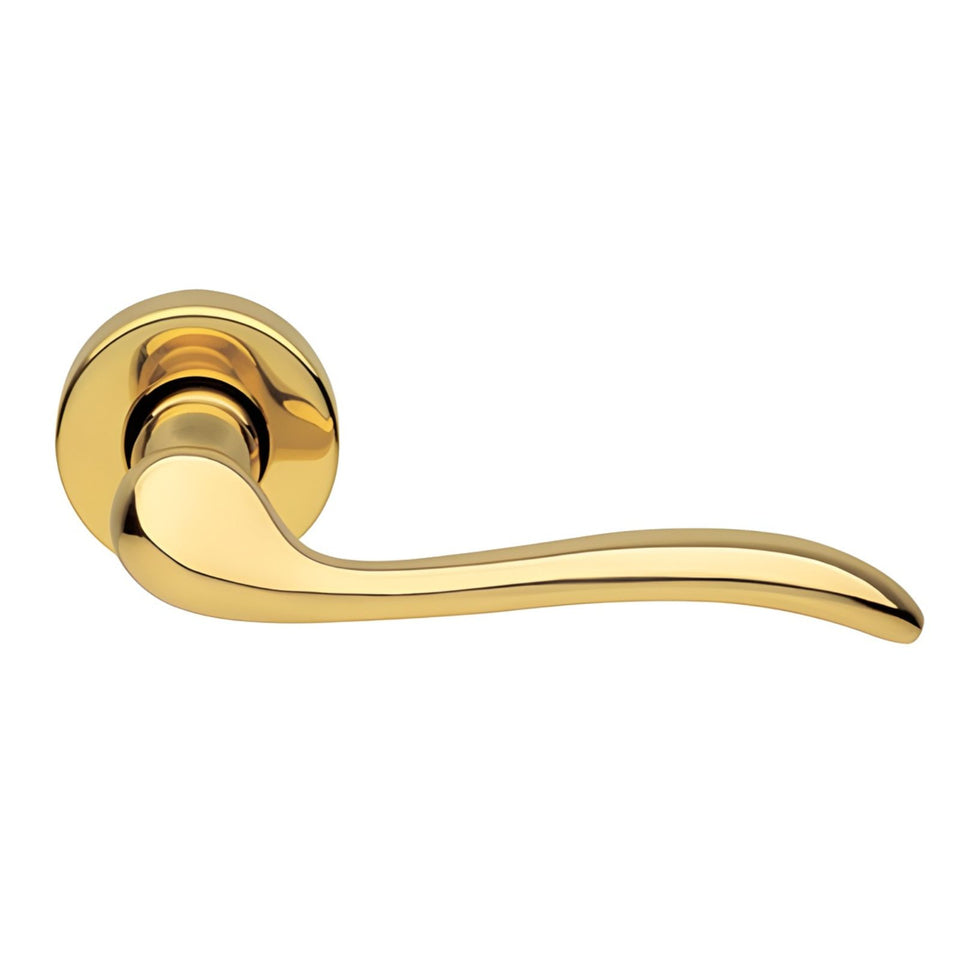
Sold out Manital Tosca Privacy Door Handle Set Polished Brass
Checking delivery...$176 -
$61 Off RRPItalian Made
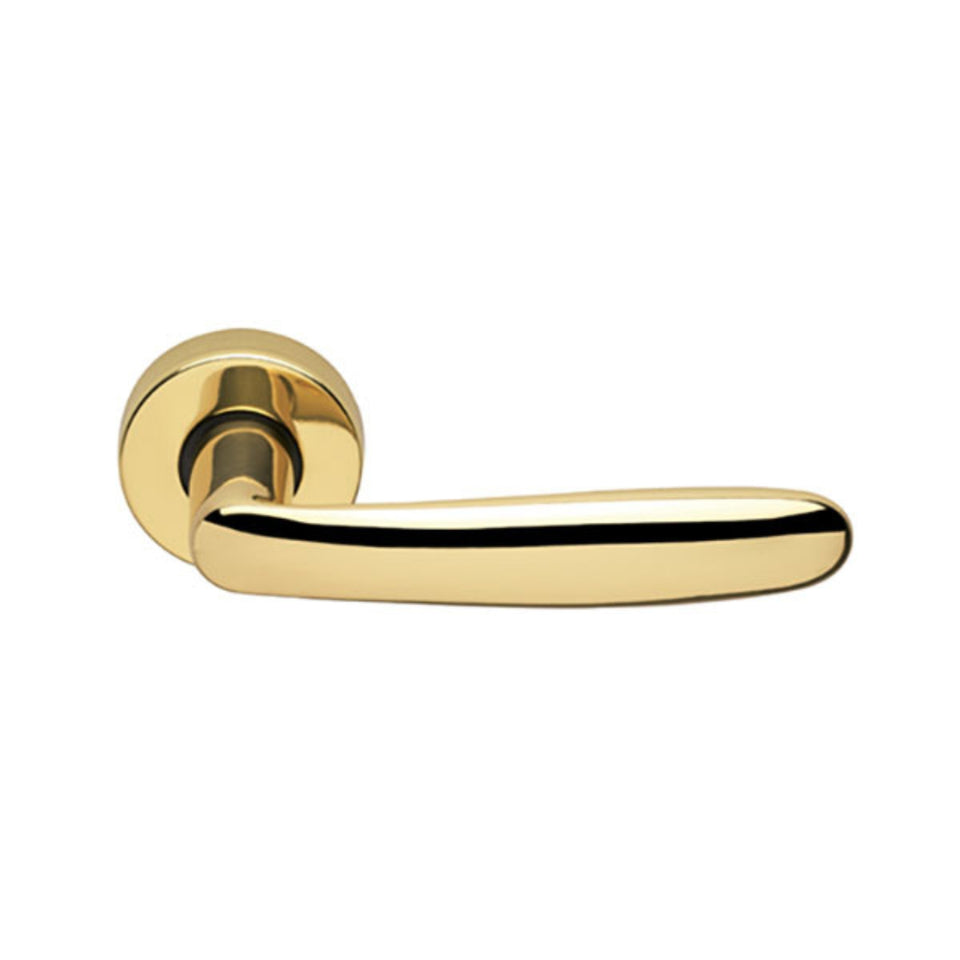
Sold out Manital Imola Privacy Door Handle Set Polished Brass
Checking delivery...$115$61 (-34%) OFFRRP of $176 -
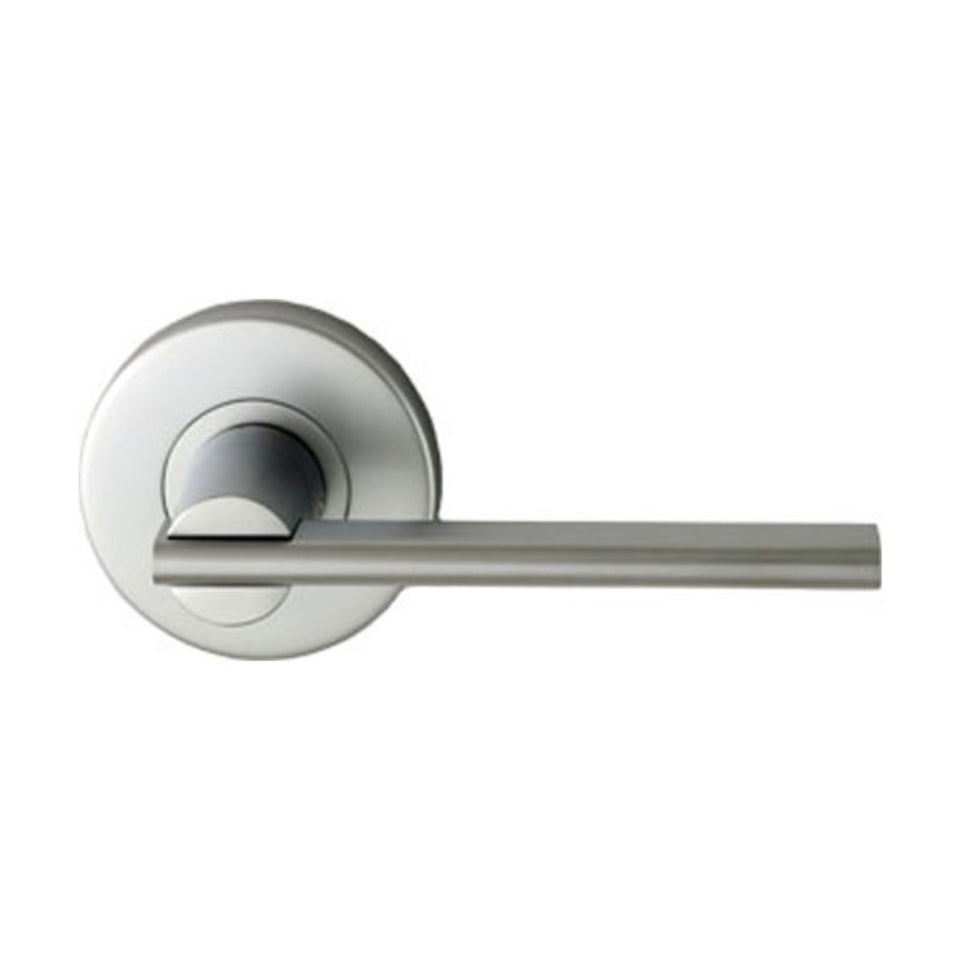
Sold out Nidus Mediterranean Metro Privacy Door Handle Set Satin Chrome
Checking delivery...$111 -

Sale On Now!
Up to 70% off across the store, plus free towels and mirrors up for grabs on orders over $800*
-
Italian Made
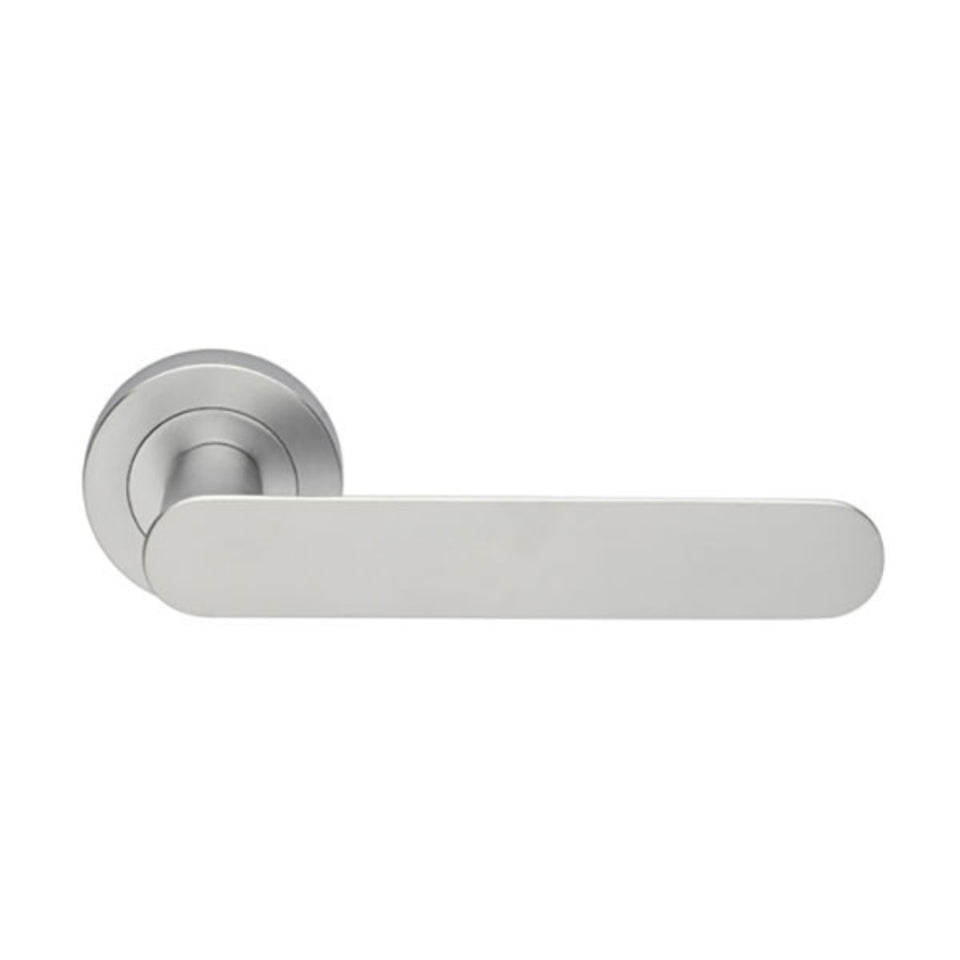
Sold out Manital Ratio Privacy Door Handle Set Satin Chrome
Checking delivery...$283 -

Sold out Nidus Mediterranean Altro Privacy Door Handle Set Matte Black
Checking delivery...$142 -
Italian Made
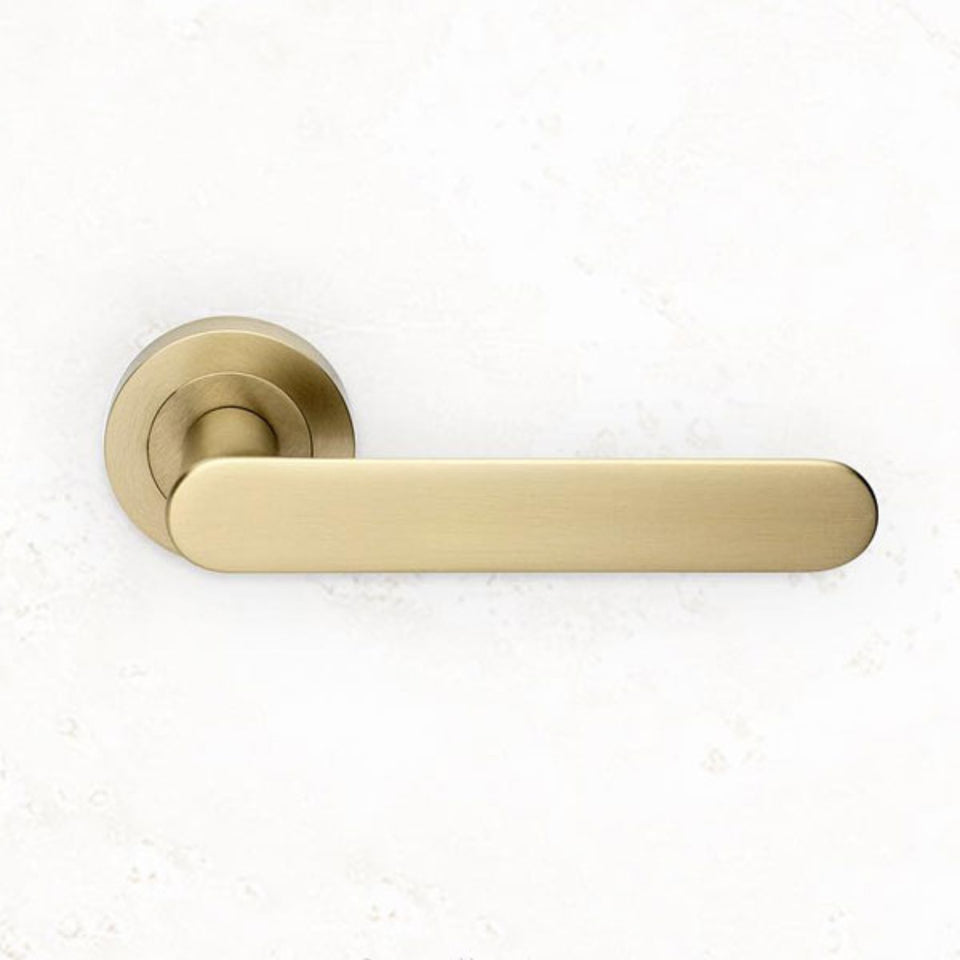
Sold out Manital Ratio Privacy Door Handle Set Satin Brass
Checking delivery...$354 -
Italian Made

Sold out Manital Erica Privacy Door Handle Set Polished Brass
Checking delivery...$213 -

-
Italian Made
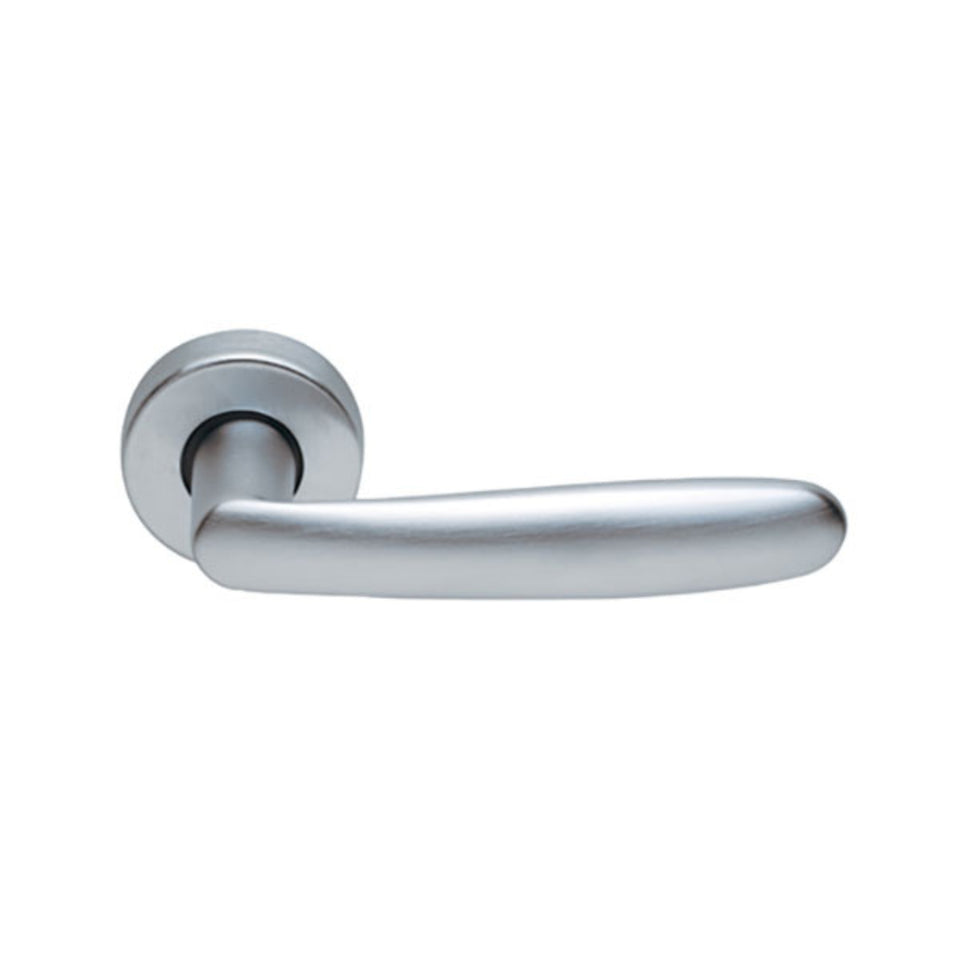
Sold out Manital Imola Privacy Door Handle Set Satin Chrome
Checking delivery...$176 -
Italian Made
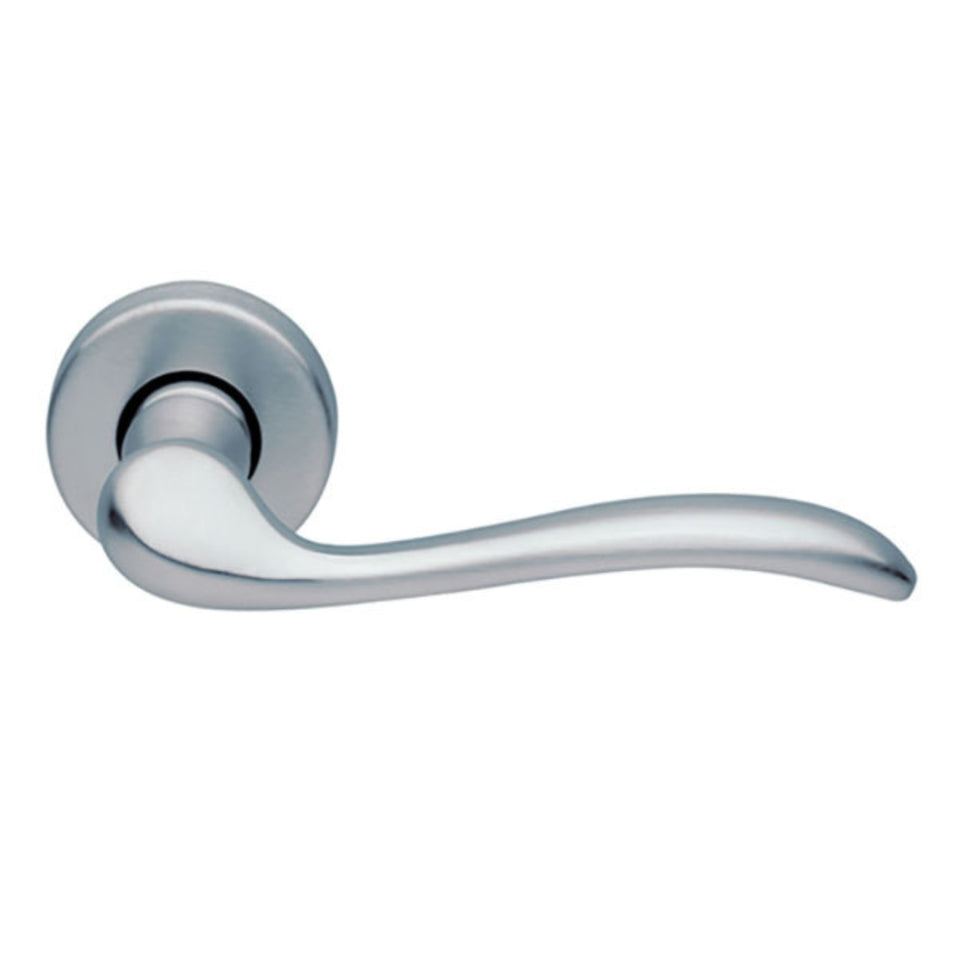
Sold out Manital Tosca Privacy Door Handle Set Satin Chrome
Checking delivery...$176 -
Italian Made
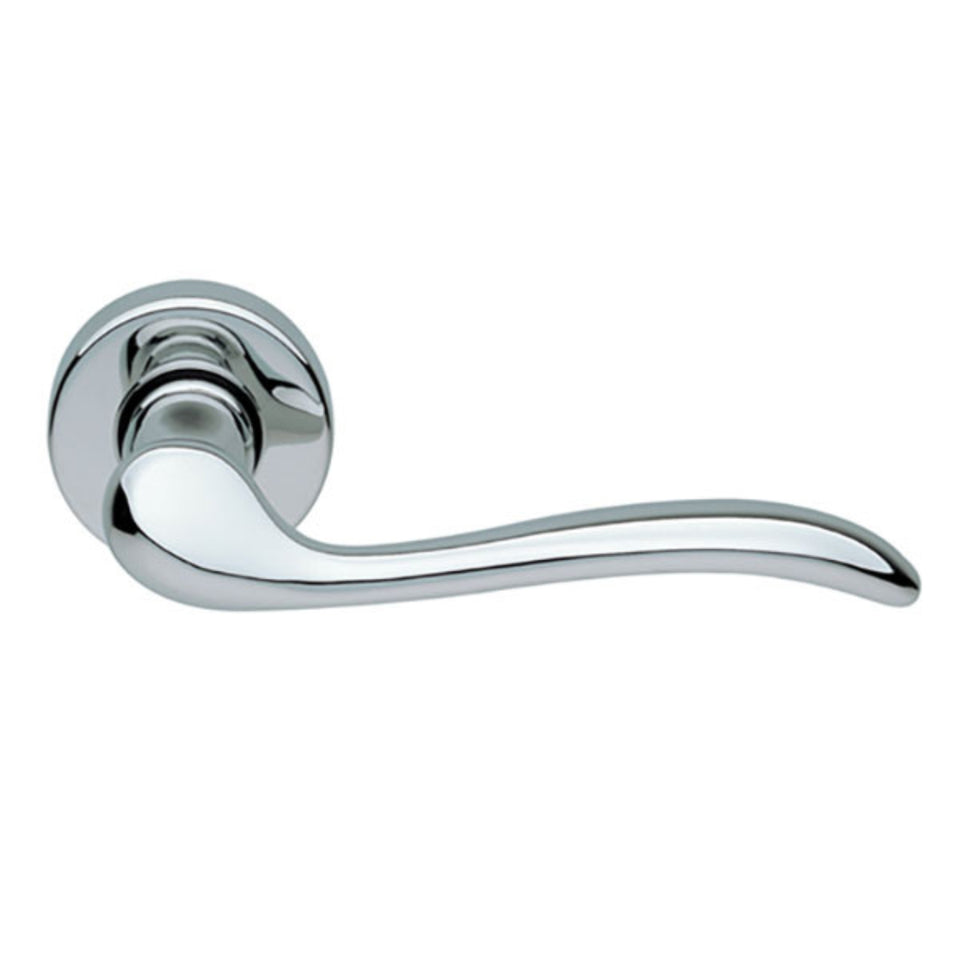
Sold out Manital Tosca Privacy Door Handle Set Polished Chrome
Checking delivery...$176 -

Sold out Nidus Knurled Domici Privacy Door Handle Set Gun Metal Grey
Checking delivery...$142 -

Sold out Nidus Knurled Domici Privacy Door Handle Set Satin Brass
Checking delivery...$142 -
-
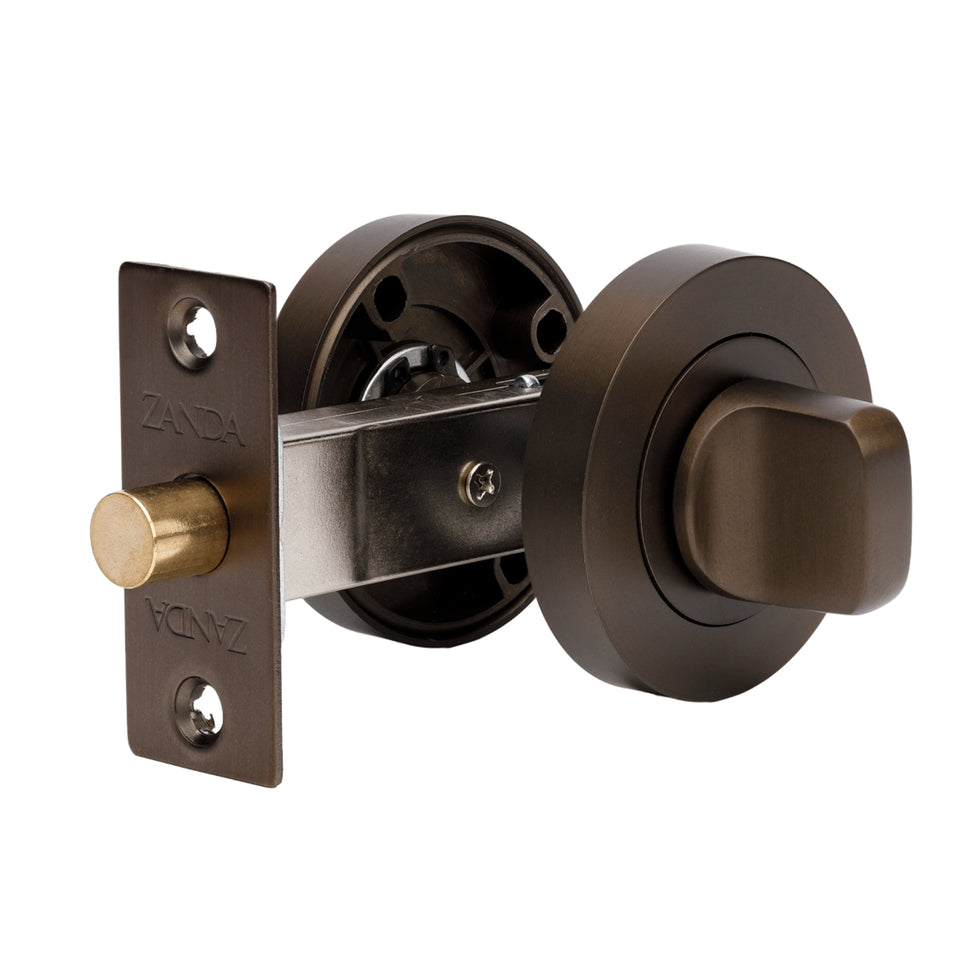
Sold out Zanda Futura Round Separate Privacy Kit Ember Bronze
Checking delivery...$134


Privacy door handles buying guide
A privacy door handle is a handle that latches the door and locks it from inside, with no key. It is the standard choice for a bathroom, ensuite or bedroom door. This collection holds privacy sets in lever, knob and cavity slider forms, from brass and zinc alloy to stainless steel. This guide sets out how a privacy handle works, how it differs from a passage handle, when to choose a knob, what the sliding versions are, and which numbers decide fit. Check the product page for your model, because sizes and boxes differ by set. For levers in depth, see privacy door levers.
How a privacy handle works
A privacy handle is a latch plus a lock that you engage from inside the room. The lock is released from outside in an emergency, usually with a coin or a small pin pushed through the hole in the outside rose. The lock works from the inside only, with no key, and the outside release is a slot or pinhole opened with a screwdriver, a coin or a tool in the box. Privacy hardware is for preventing casual entry, not for security. Use it for any room where someone might need to get in during a problem, which is why bathrooms, ensuites and bedrooms use it.
Privacy or passage
The difference between the two is the inside lock. A passage handle has a latch and no lock. A privacy handle is a passage handle with the lock added. Choose privacy for a door that needs to close against casual entry, and passage for a door that only needs to stay shut. See passage door handles. For a door that must lock against someone outside, you need an entrance set; see exterior door levers.
Lever or knob
A knob is compact and traditional, operated by turning, and a lever is a longer handle pressed down to operate the latch, which makes it easier to use. Knobs suit original panel doors and smaller rooms such as bedrooms, bathrooms and linen cupboards, and a knob should work with a privacy set where one is needed. Knobs are sold in pairs for both sides of one door. For the lever range, see privacy door levers, and for knobs see privacy knob sets and door knobs.
Knobs in this collection
The Lane Bala privacy knob is brass on a round rosette, and it has an adjustable 60 to 70mm latch, with two knobs, the latch, the strike plate and all fixings in the box. The Iver Cambridge knob comes on a round rose, an oval backplate or a rectangular backplate, in brass with a lacquered finish, with a separate privacy turn included. They suit doors 35 to 60mm thick on a 60mm backset. The TradCo Milton and TradCo Bungalow knobs are lacquered brass on long backplates, 200mm and 197mm long, with the same door range and backset. See Lane door knobs and interior door knobs.
Inbuilt privacy or a separate turn
Privacy sets come in two constructions. In an inbuilt design, the push button or turn sits in the rose. In a separate design, the knob or lever sits on a rose or backplate and a distinct privacy turn is fixed to the door. Choose a separate privacy turn for bathrooms and other doors that need locking, because it is much more reliable than an integrated privacy button. Read the listing to see which kind of privacy lock a set uses. The Iver Cambridge knob privacy kits list a separate privacy turn, and the Zanda Kent, Baxter and Oxford sets list an integrated privacy latch.
Privacy sets for sliding doors
A sliding or cavity door needs a privacy set made for sliding doors. The collection lists several. The Lockwood Vivid cavity slider is 63mm across with a 54mm prep hole and a 0.8mm projection off the door, for doors 32 to 45mm thick. The Lockwood Symmetry round cavity set suits doors 32 to 40mm thick with a spacer ring and a 60mm backset. The Zanda Visca privacy kit is solid brass, suits a 35mm sliding door and uses a hook latch with a 30mm backset, and the Zanda round and square cavity kits suit doors 32 to 38mm thick. The Nidus sliding cavity sets suit doors 32 to 47mm and 35 to 55mm thick on a 60mm backset and include an end pull, and the Nidus Mardeco sets suit 34 to 50mm doors with 50mm and 35mm backsets. The Lane cavity slider is a square rosette set in zinc die cast, and the Iver rectangular sliding door pull with a privacy turn is 225 by 45mm on 205mm centres. See sliding door privacy sets and cavity slider hardware.
The numbers that decide fit
Fit comes from door thickness, backset and the hole. 60mm is the standard backset in Australia, with 45mm and 70mm also available, and the sets here use 60mm, with the Lane Bala adjusting between 60 and 70mm. Door thickness differs by maker: the Lane Bala suits 32 to 45mm, the Lockwood sets 32 to 45mm, the Nidus lever sets 34 to 45mm, the Zanda Kent and Baxter sets 35 to 53mm, and the Iver and TradCo sets 35 to 60mm. Check door thickness, backset, bore hole, handing and function before any handle order. Measure your own door, and photograph the old set.
Replacing a privacy handle on an existing door
Most privacy handle orders replace an old set. Measure the backset, which is the distance from the centre of the spindle hole to the centre of the keyhole or latch. Check the diameter of the existing holes and the size of the handle plate so the new plates cover the old cut-outs. Check also that the latch slot on the door edge is smooth and deep enough for the new latch. A larger rose or backplate can cover old marks but does not mean the handle fits an existing hole, and keeping your current latch requires a compatible spindle and mechanism. The Zanda rose adaptor kit for privacy is listed at 65mm by 10mm to cover an existing hole larger than 55mm, and the Zanda Kent and Baxter 65mm backplates can sit over existing 55mm holes. Photograph the old set before you order.
Latches and what is in the box
The latch is part of the set. The Lane Bala, Lane lever and Manital privacy listings include the latch, and the Nidus Knurled Domici, Mediterranean Metro and Altro privacy sets list a privacy latch. The Iver and TradCo privacy sets list a tubular latch. Confirm the latch is in the box, because a handle set without a latch cannot operate the door. Dummy handles are different: several ranges sell them as single handles, so a door that needs one on each face needs two.
Privacy accessories
Some doors take an add-on lock in place of a privacy handle. Privacy hardware comes as privacy turns and releases, privacy bolts, double turn sets, indicator bolts for hinged doors, and privacy turns for sliding doors, plus emergency release options that indicate or do not. These are accessories, sold apart from handle sets, and they suit a door that already has a passage handle. A separate privacy turn is the better choice for bathrooms. If you are adding a lock to an existing passage handle, see door accessories and passage door handles.
Fitting a privacy handle, step by step
Most privacy sets fit with a screwdriver and a tape measure. This is the order installers follow on a hinged door.
- Confirm the door thickness, the backset and the bore hole against the set before you start.
- Fit the latch into the door edge with the angled face pointing the way the door closes, and screw the faceplate flush with the edge.
- Pass the spindle through the latch, and check that it is long enough for the door thickness.
- Fit the outside handle or knob first, then the inside one, and fix the roses or backplates with the screws supplied.
- Fit the privacy turn or button on the inside, if the set has a separate one.
- Fit the strike plate on the frame, level with the latch, and chisel a shallow recess so the plate sits flush.
- Test the latch, the inside lock and the outside release with the door open, then close the door and test again.
Testing with the door open matters. A lock that jams with the door closed can leave someone inside. Keep the release tool where the household can find it, and keep the instructions with the household papers.
Choosing a privacy handle for each room
The right set depends on the room as much as the style of the door.
- Bathrooms and ensuites: a lever or knob with a separate privacy turn, in a finish that follows the taps and accessories.
- Bedrooms: a lever or knob with an integrated privacy button, which is quick to use and simple to release.
- Powder rooms and laundries: a compact privacy set on a slim backplate, so the plate does not crowd a narrow door.
- Cavity sliders: a sliding privacy set with a flush pull and a turn, made for the thickness of the door.
- Home offices and studies: a privacy set gives quiet when needed and opens from outside in an emergency.
For other door hardware to go with the handle, see door hardware, door latches, hinges and bolts and door hardware accessories.
Bathrooms and finishes
Bathroom doors meet steam and cleaning products. Match the finish to the room: in bathrooms, match the taps and accessories, and note that satin and brushed finishes are easier to maintain than polished chrome, which shows fingerprints and fine scratches more easily. A brushed or knurled texture shows marks less than a smooth finish. The listings in this collection include brushed nickel, satin chrome, matte black, brass, bronze and gun metal sets, so the finish can follow the tapware.
The outside release
The release is part of the design and differs by set, so read the instructions for the set you buy and keep the tool where the household can find it. The outside release matters in homes with young children or elderly family members. A sliding door privacy set has its own release, often a twist-turn coin lock. If a household member may need an accessible lock, disabled-compliant privacy turns with an indicator are available in round and square styles as separate accessories; see door accessories.
Mounting height
About 1050mm from the floor to the centre of the handle is common on new residential doors, and an accessible height sits in the 900 to 1100mm range. The requirement for a particular building comes from the standard that applies to it. If you are replacing an existing handle, the bore position is already set, so match the old centre.
Materials and finishes
Material varies by set. The Iver and TradCo privacy sets are brass with lacquered, powder coated or PVD finishes. The Lane Bala knob is brass. The Zanda Duke and Vertex sets are stainless steel, the Kent and Baxter sets are zinc alloy, and the Visca sets are solid brass. The Lockwood Vivid sets are 304 stainless steel with a PVD finish, and the Velocity sets are solid zinc die-cast. For finishes, see matte black, brushed nickel, chrome, brass, gold, bronze, white and gun metal. Clean with a soft cloth and mild soapy water and avoid bleach, abrasives and harsh chemicals.
Ranges by maker
Each maker has its own constructions and numbers, so buy the whole door from one range where you can. Open Iver door hardware and TradCo door hardware for brass sets, Zanda door hardware and Lockwood door levers for stainless and die-cast sets, and Nidus door hardware, Manital Italian made handles, Lane door levers and Momo architectural door hardware for the rest. For period homes, see heritage door hardware, and for the full range see interior door handles and door handles. Keep the hinges and stops in the same finish; see hinges and door stops.
Common mistakes
Five errors come up again and again. The first is ordering a privacy set for a door that must lock against people outside. The second is not knowing how the outside release works until someone is locked in. The third is using a standard knob set on a sliding door. The fourth is ordering by finish before checking thickness and backset. The fifth is ordering a single knob when a door needs a pair. Each is avoided by reading the function line and the box contents.
Our recommendation
Choose a privacy set for every door that needs an inside lock, and choose a knob or lever by the style of the door and the grip you want. Prefer a separate privacy turn where you want a firmer lock, and learn how the release works before you fit the set. Use a sliding privacy set for a cavity door, measure the thickness and the backset, and take the whole door from one range. That order avoids the common mistakes: a lock that cannot be opened in an emergency, a set that does not suit the door, and a knob set on a sliding door.
Questions about privacy door handles
What is a privacy set door handle?
It is a handle with a latch and a lock you engage from inside the room. There is no key, and it is not security hardware. It gives the person inside a locked door for as long as they need it, in a bathroom, ensuite or bedroom, and an emergency release on the outside lets someone in if they have to.
How do privacy door handles work?
You press or turn a button, snib or turn on the inside face, and that holds the latch so the outside handle no longer opens the door. Some sets build the lock into the rose, and others pair the handle with a separate privacy turn.
How do I open a privacy door handle from outside?
Use the emergency release in the outside rose. It is a small hole or slot that takes a coin, a small pin or a screwdriver, and it is worth having for any room where someone might need to get in. The method differs by model, so check the instructions for your set.
What is the main difference between passage and privacy handles?
A privacy handle adds the inside lock. A passage handle has a latch and no lock, so it opens from both sides at all times. Use privacy where someone expects to be left alone, and passage for halls, living rooms and other rooms that never need to lock. Where you are unsure, ask whether anyone would want the door shut and locked from inside.
What the privacy sets in this range include
The boxes differ by set. The Lockwood Velocity privacy sets, such as the Glide L4 and the Saltbush L34, contain two handles, a latch, a strike plate, fixing screws and spindles. They are solid zinc die-cast with a 63mm rose, a 122mm lever, a 47.5mm finger clearance and a projection of 54.5 to 56.5mm, for hinged doors of 32 to 45mm.
The Lane Oxford and Victoria lever sets and the Lane Bala knob sets list two sets, a latch, a striker plate and all fixings in the pack. The Lane Bala knob has an adjustable latch for 60 to 70mm backsets. The Zanda Visca cavity slider set lists a turn escape mortice lock and an edge pull, and the Lane cavity slider set lists two slider sets with a latch and striker. Check the box line before you order: a set with no latch needs one from elsewhere.
The privacy sets on this page include Iver levers (Sarlat, Helsinki, Brunswick, Baltimore, Osaka and Puerto) and the Iver Cambridge knob, Nidus Mardeco cavity and sliding sets, Nidus lockable sliding sets and TradCo Milton levers. Pick the format first, hinged door or sliding door, because the privacy turn for a sliding door is a different part from the turn on a hinged door. Check whether the door slides into the wall or along it before you choose a set, because cavity and surface sliding doors use different hardware.
Knobs and levers for privacy doors
Knobs suit original panel doors and smaller rooms, and levers are pressed down. Check that a knob works with a privacy set before you order, because not every knob style has a privacy version, and knobs are sold as a pair unless noted otherwise. In a bathroom, a lever is easier to use with wet hands than a knob, and the Lockwood Velocity levers, with their finger clearance, are one example.

