


Manital Italian Made Handles
22 Items
-
Italian Made
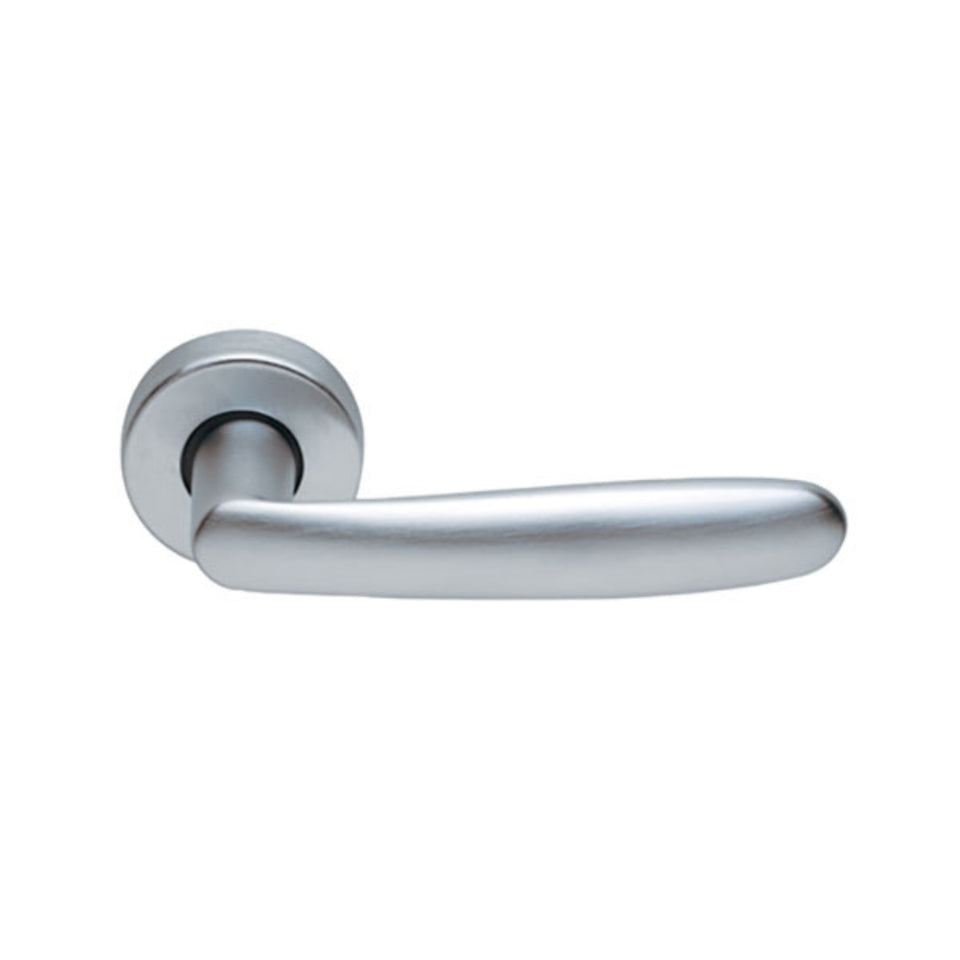
Sold out Manital Imola Passage Door Handle Set Satin Chrome
Checking delivery...$120 -
Italian Made
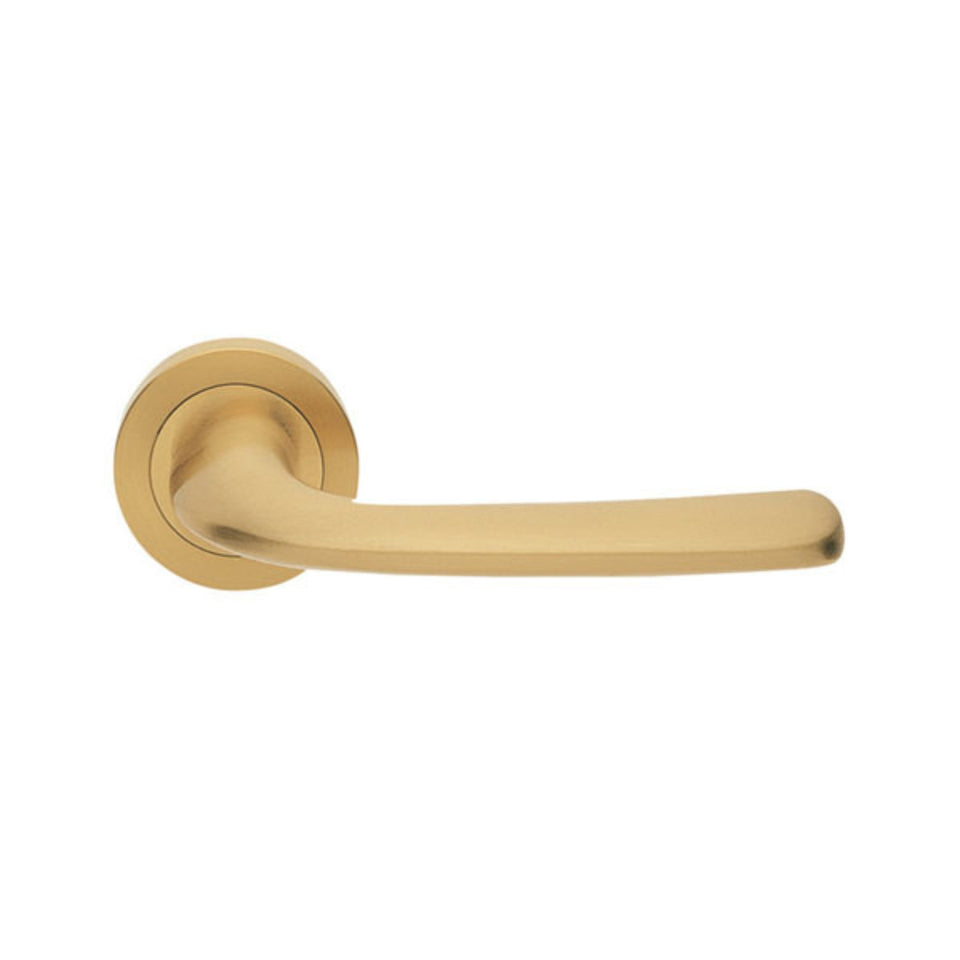
Sold out Manital GoGo Passage Door Handle Set Satin Brass
Checking delivery...$240 -
Italian Made
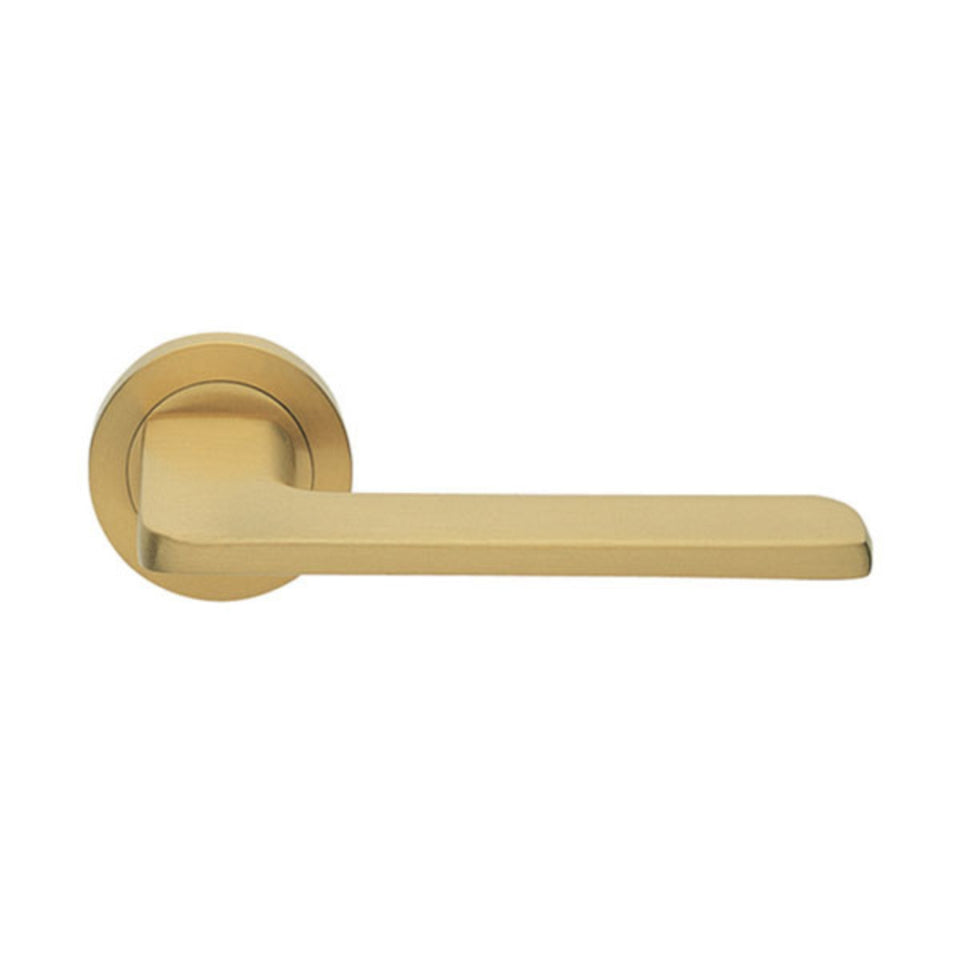
Sold out Manital Blade Passage Door Handle Set Satin Brass
Checking delivery...$309 -
Italian Made
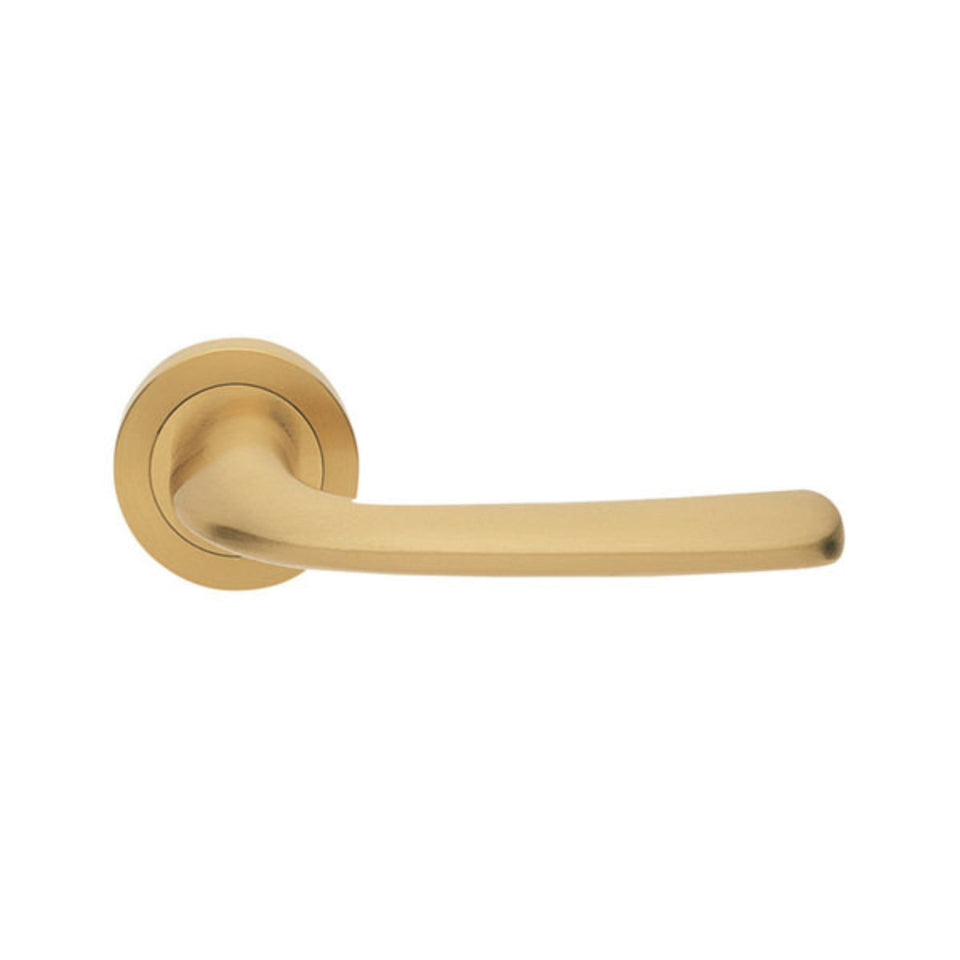
Sold out Manital GoGo Privacy Door Handle Set Satin Brass
Checking delivery...$309 -
Italian Made
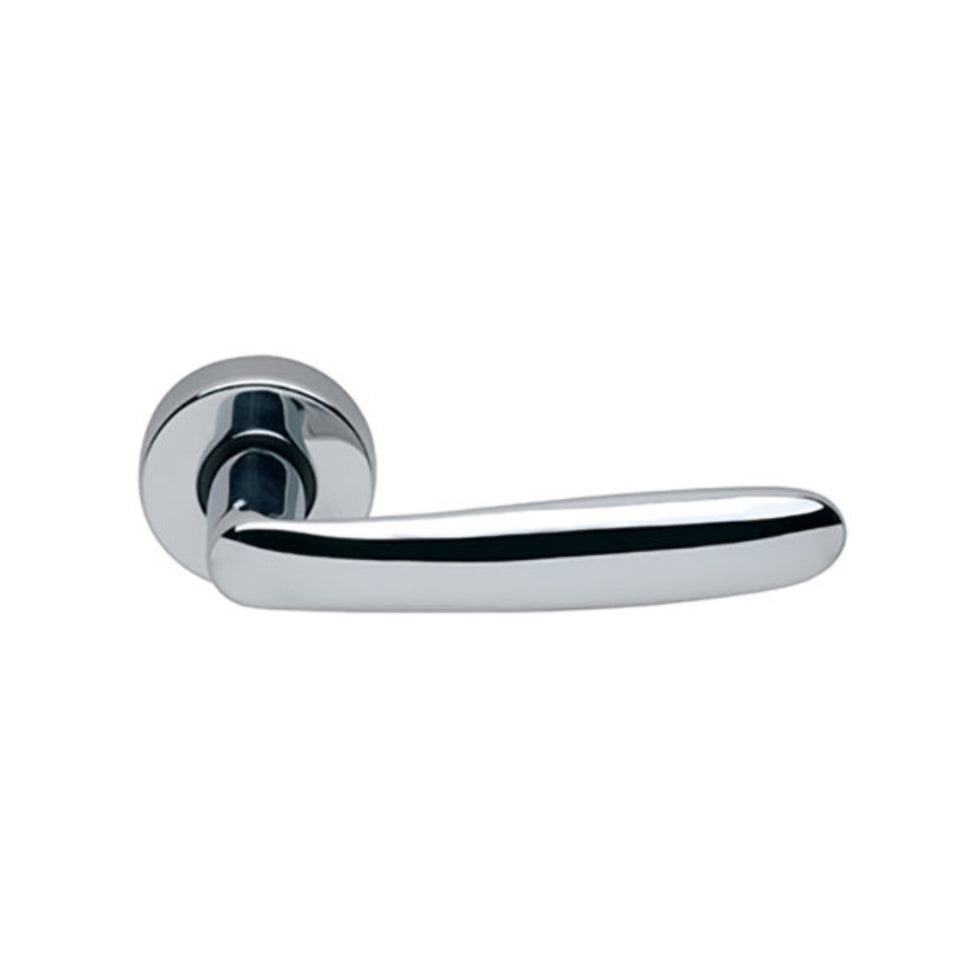
Sold out Manital Imola Privacy Door Handle Set Polished Chrome
Checking delivery...$176 -

Sale On Now!
Up to 70% off across the store, plus free towels and mirrors up for grabs on orders over $800*
-
Italian Made
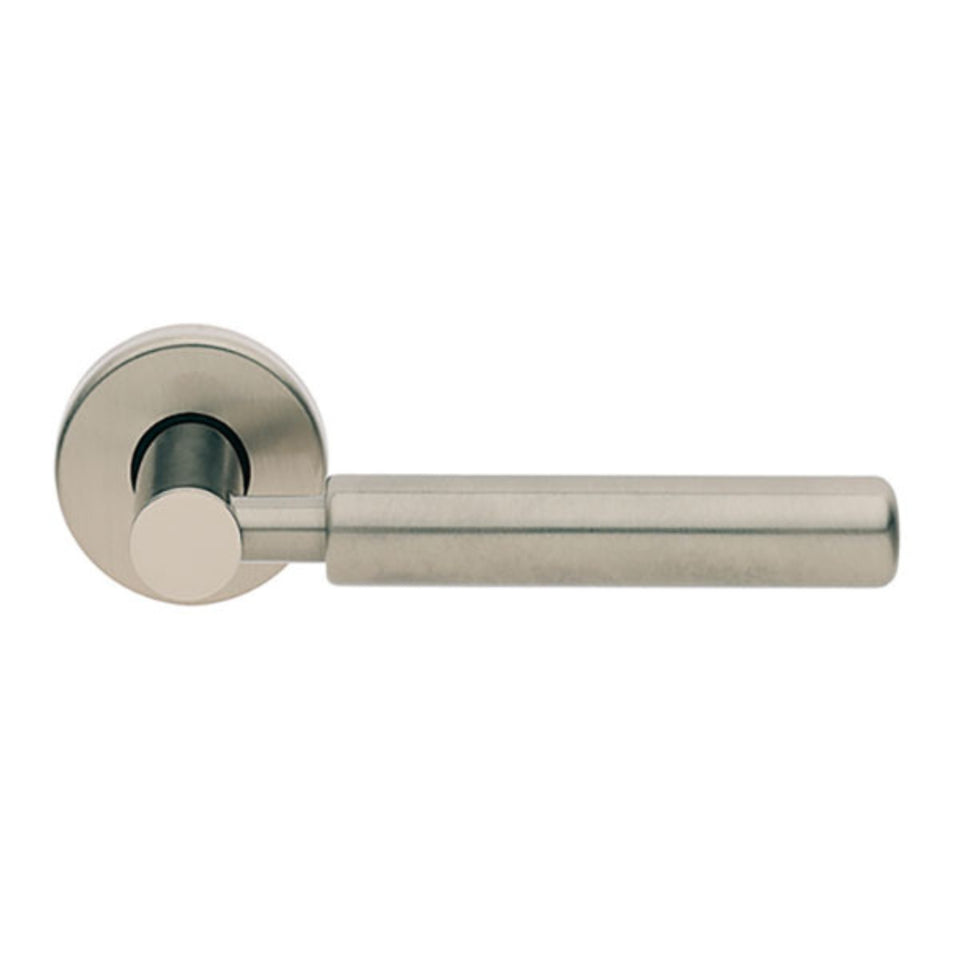
Sold out Manital Amleto Passage Door Handle Set Satin Nickel
Checking delivery...$336 -
Italian Made
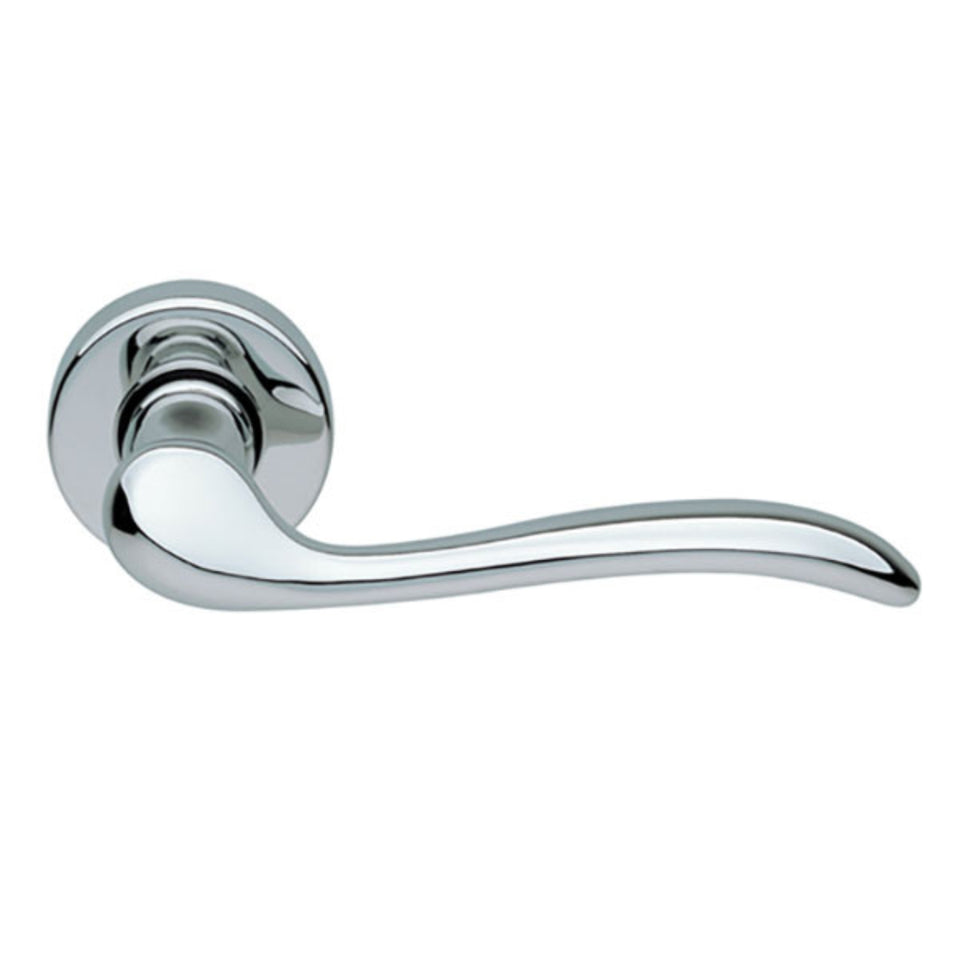
Sold out Manital Tosca Privacy Door Handle Set Polished Chrome
Checking delivery...$176 -
Italian Made
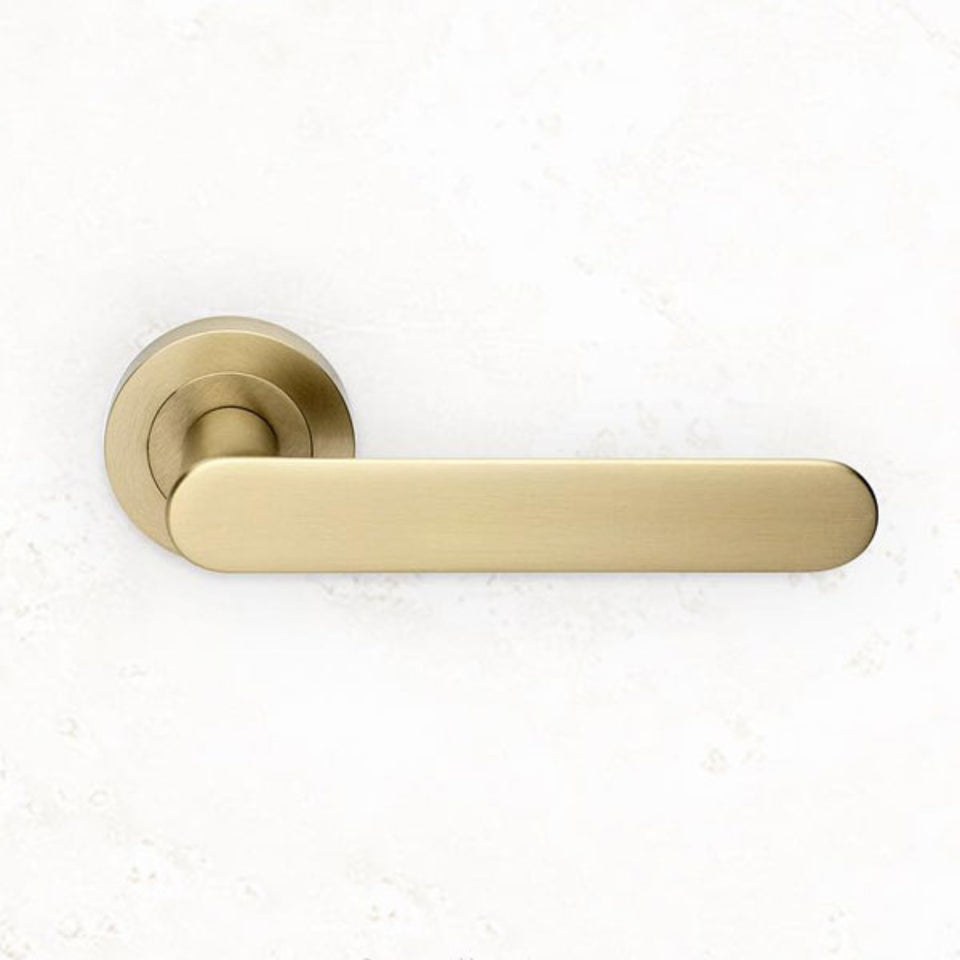
Sold out Manital Ratio Passage Door Handle Set Satin Brass
Checking delivery...$301 -
Italian Made
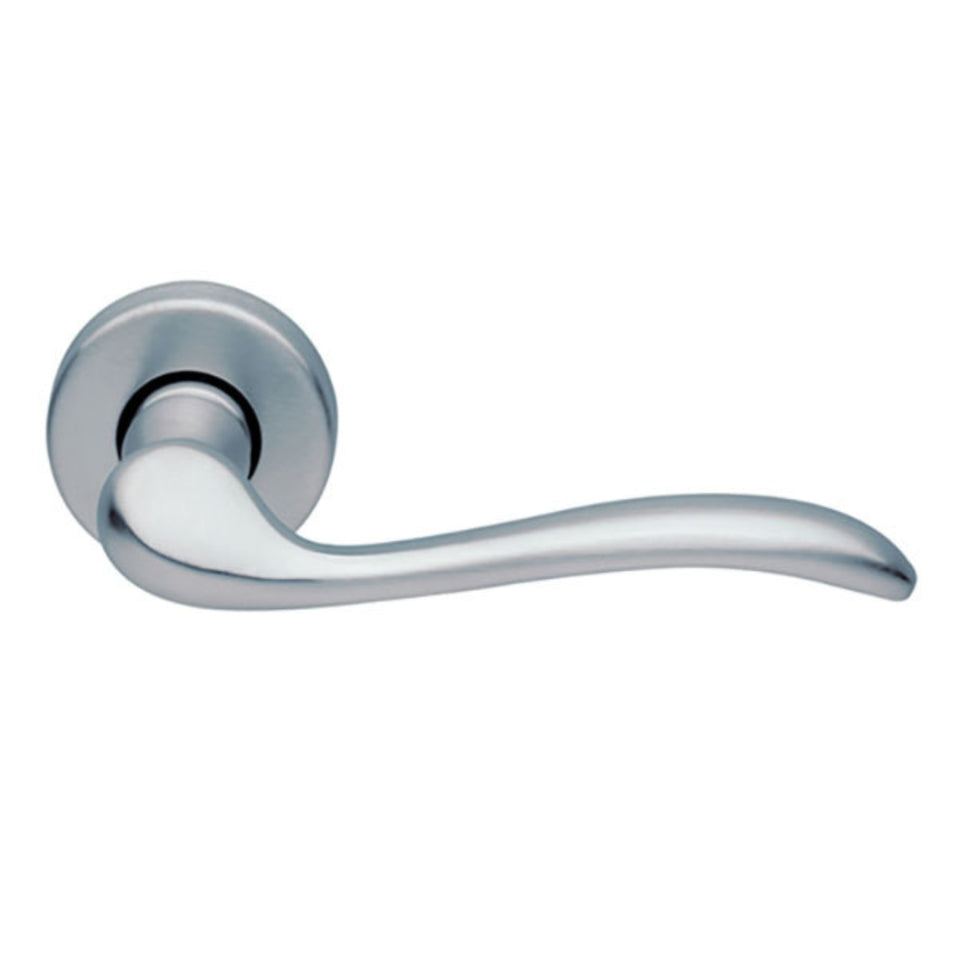
Sold out Manital Tosca Privacy Door Handle Set Satin Chrome
Checking delivery...$176 -
-
Italian Made

Sold out Manital Erica Privacy Door Handle Set Polished Brass
Checking delivery...$214 -
Italian Made

Sold out Manital K410 Knob Flat Top Passage Door Handle Set Polished Brass
Checking delivery...$214 -
Italian Made
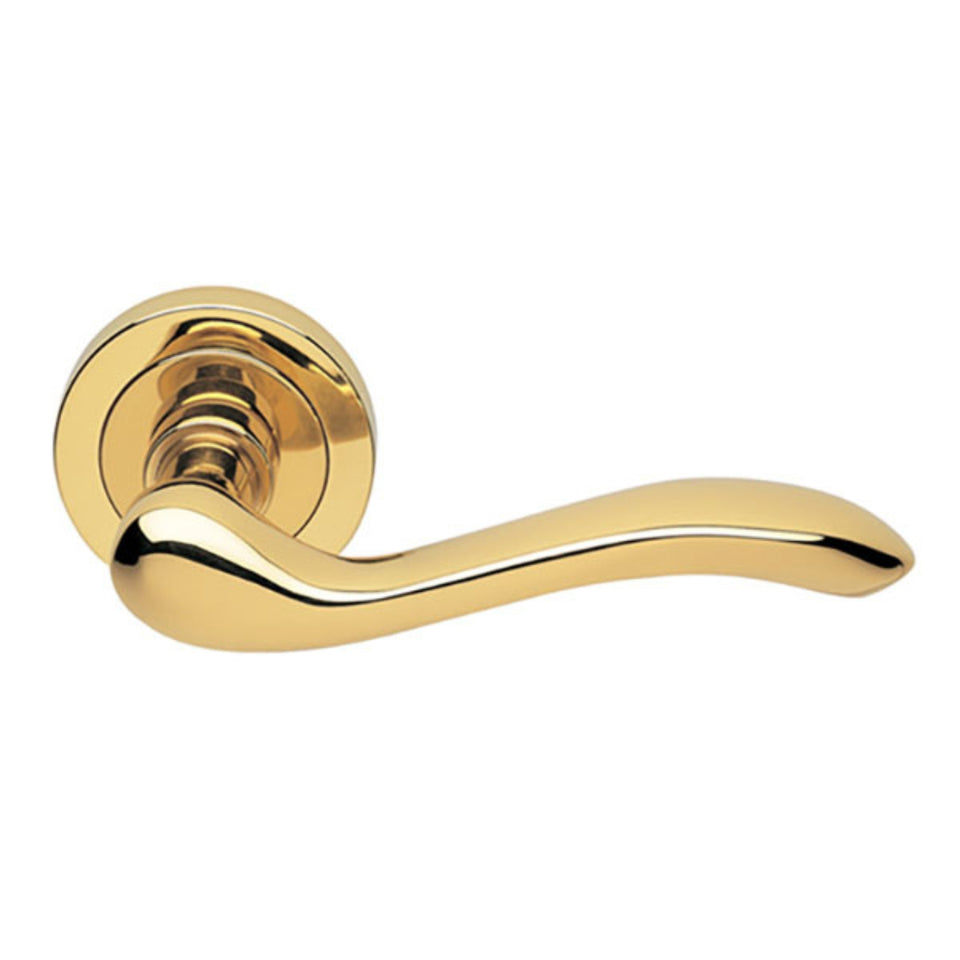
Sold out Manital Erica Passage Door Handle Set Polished Brass
Checking delivery...$156 -
Italian Made
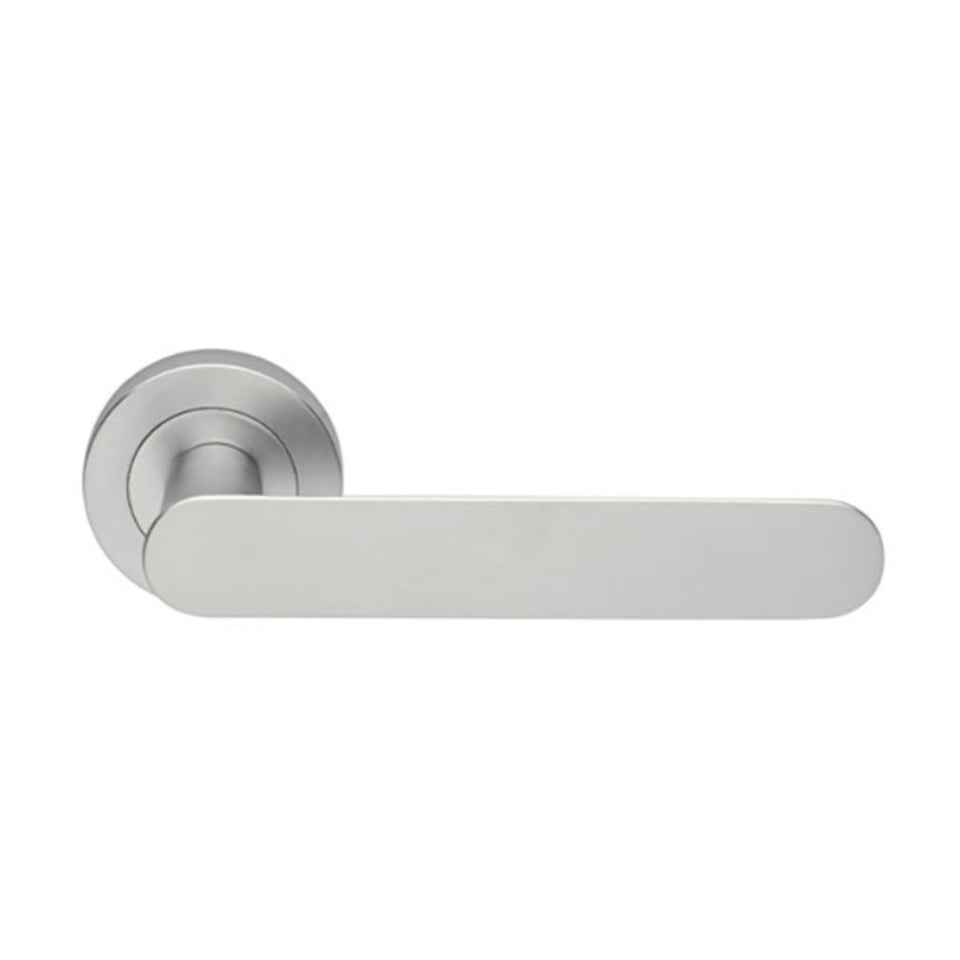
Sold out Manital Ratio Passage Door Handle Set Satin Chrome
Checking delivery...$251 -
Italian Made
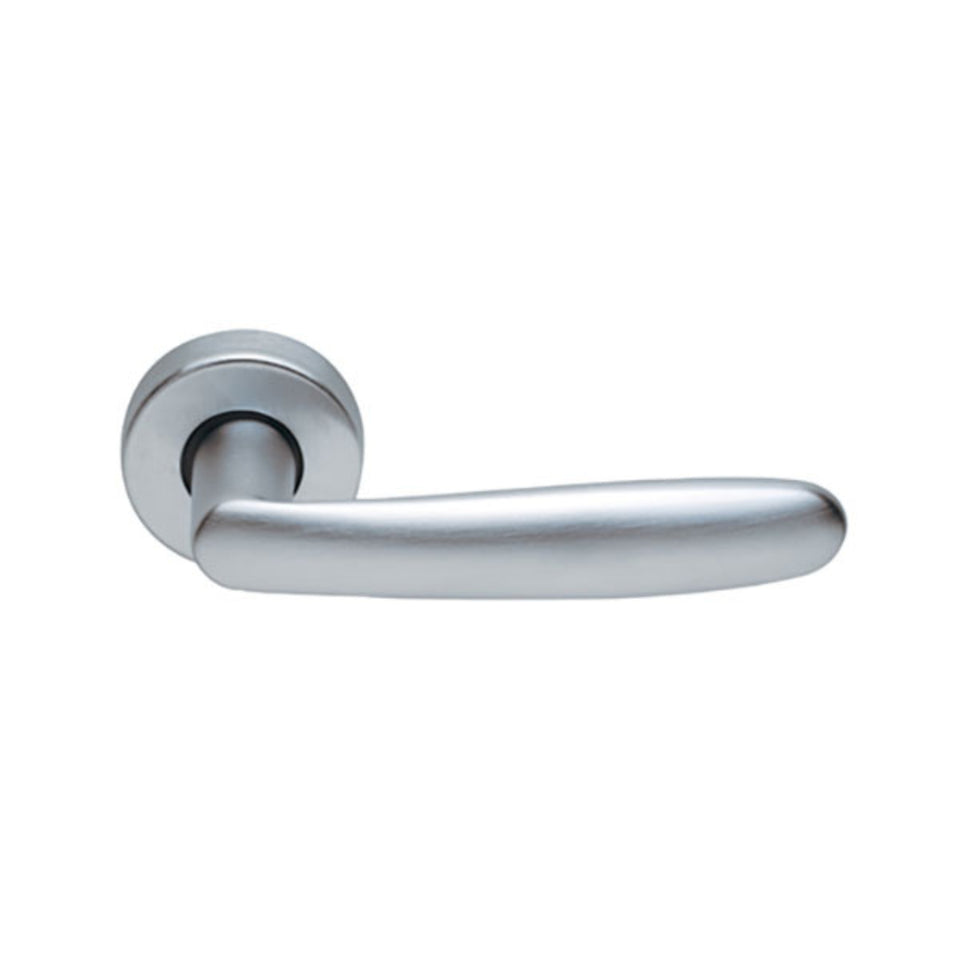
Sold out Manital Imola Privacy Door Handle Set Satin Chrome
Checking delivery...$176 -
-
Italian Made
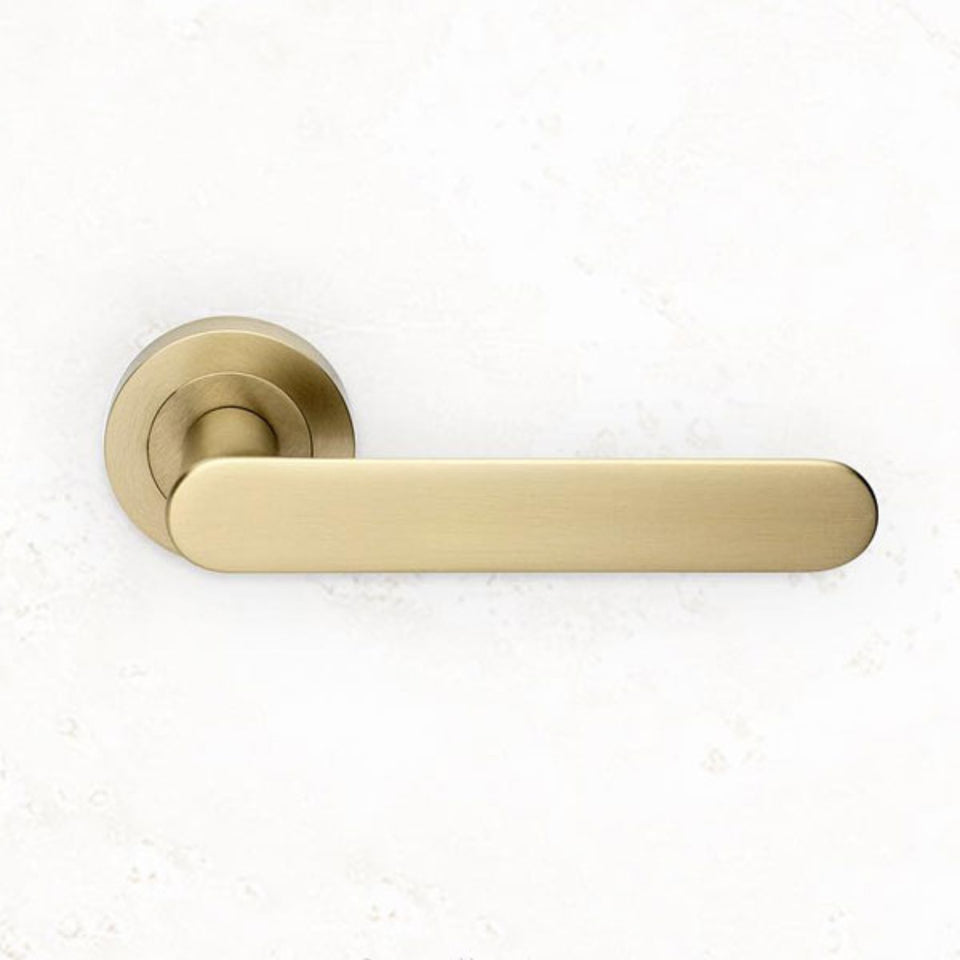
Sold out Manital Ratio Privacy Door Handle Set Satin Brass
Checking delivery...$354 -
Italian Made
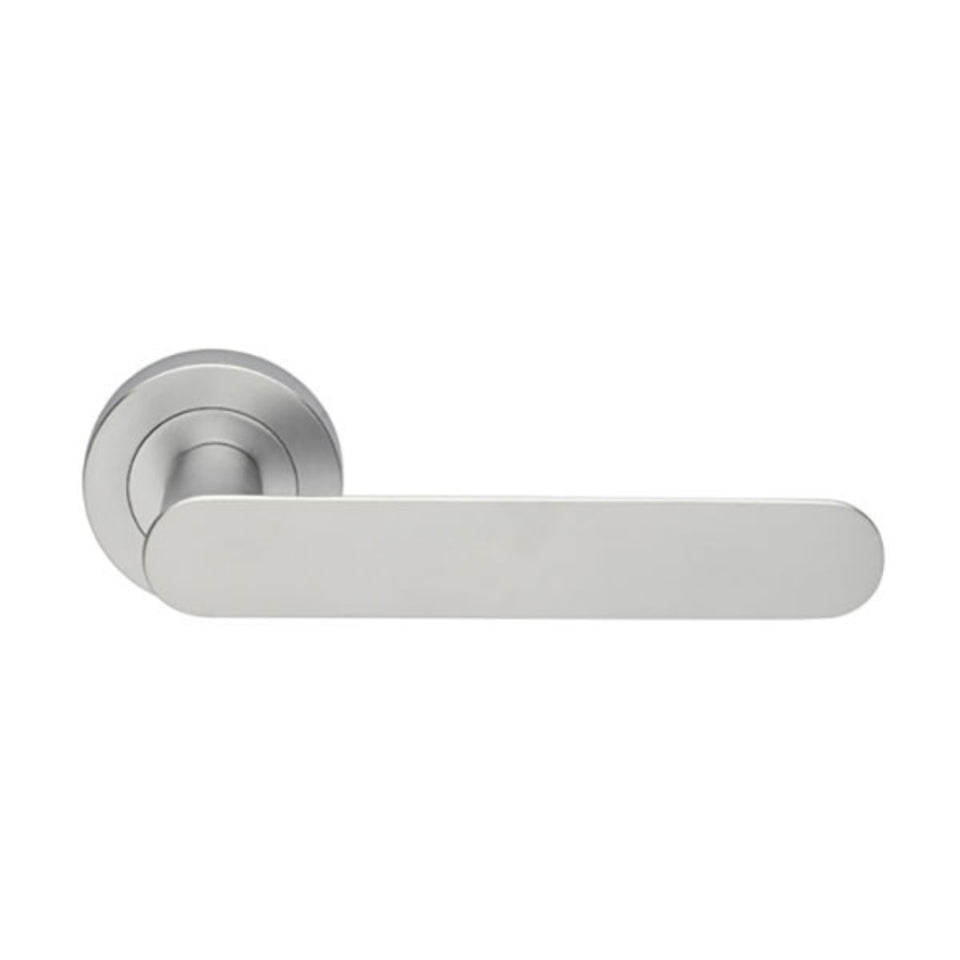
Sold out Manital Ratio Privacy Door Handle Set Satin Chrome
Checking delivery...$283 -
Italian Made
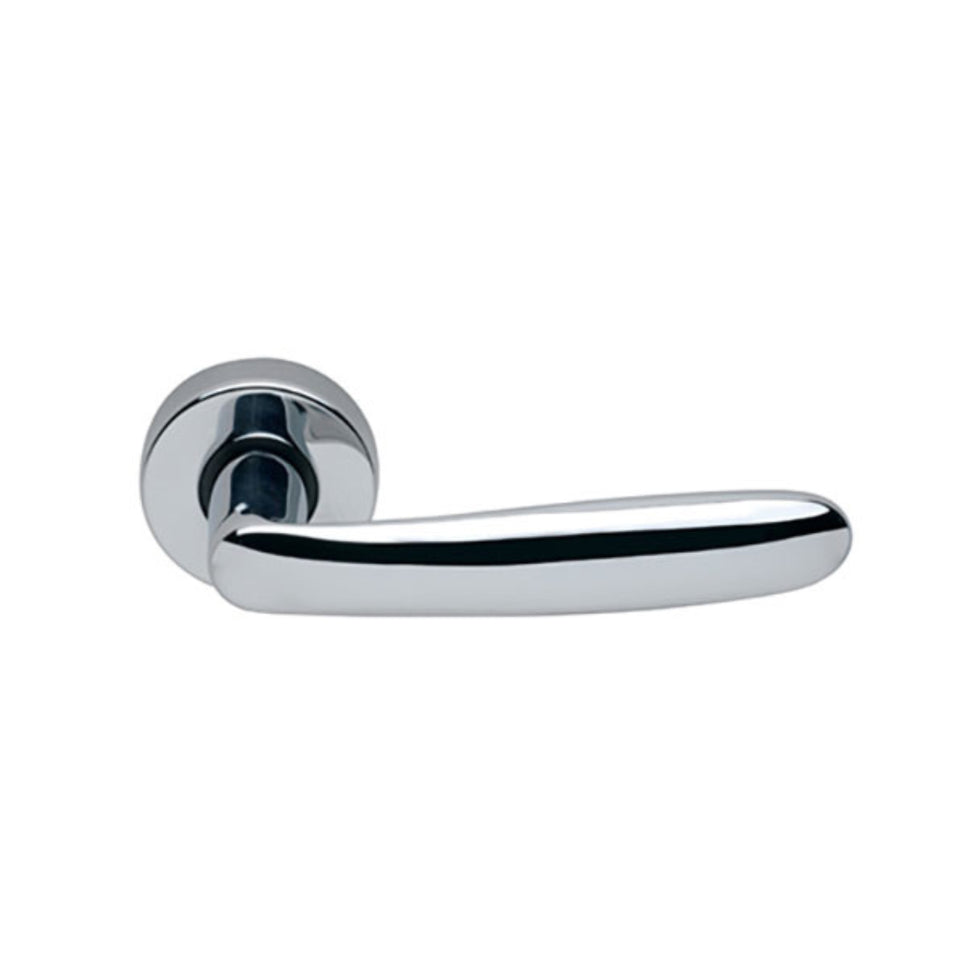
Sold out Manital Imola Passage Door Handle Set Polished Chrome
Checking delivery...$120 -
$61 Off RRPItalian Made
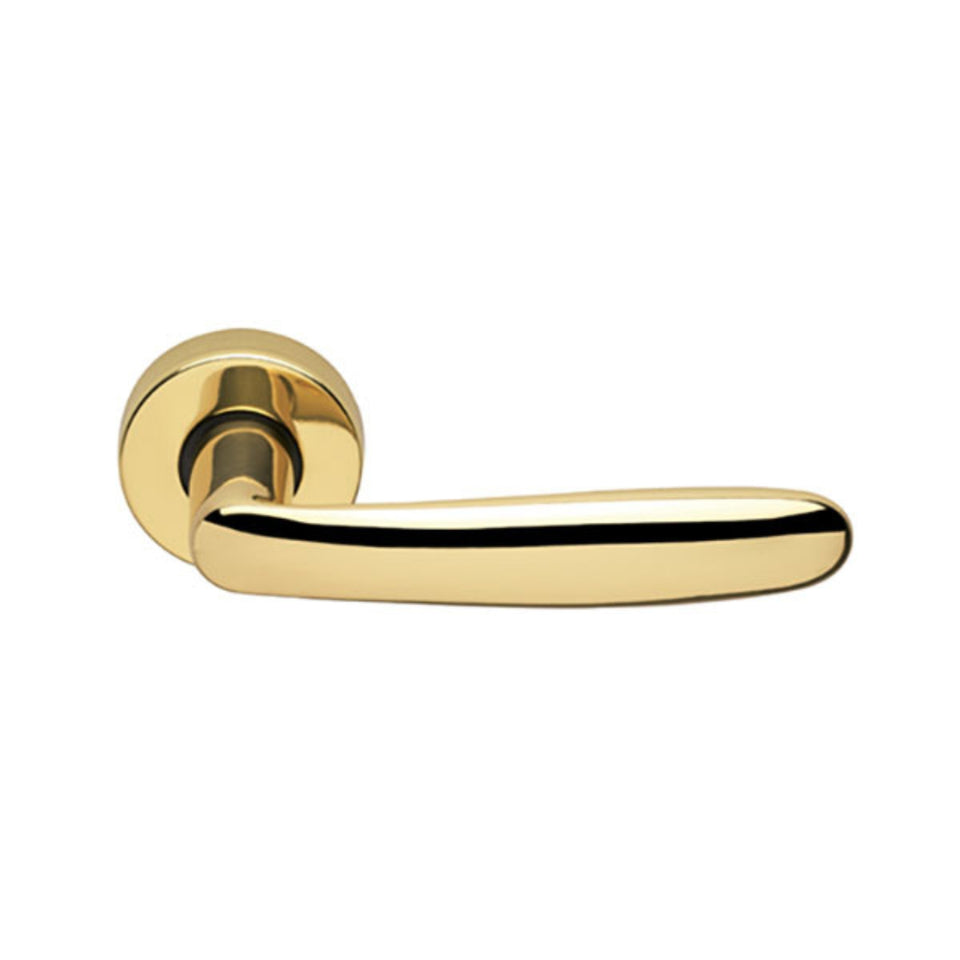
Sold out Manital Imola Privacy Door Handle Set Polished Brass
Checking delivery...$115$61 (-34%) OFFRRP of $176 -
Italian Made
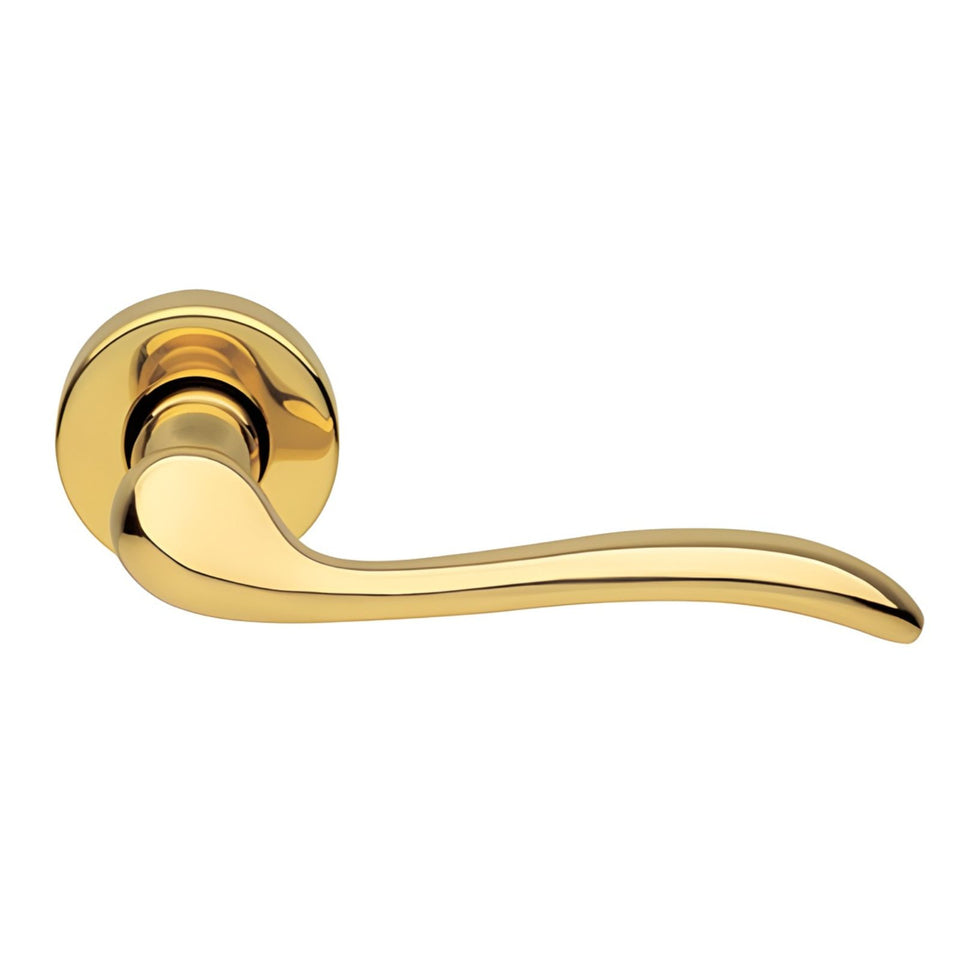
Sold out Manital Tosca Privacy Door Handle Set Polished Brass
Checking delivery...$176 -
Italian Made
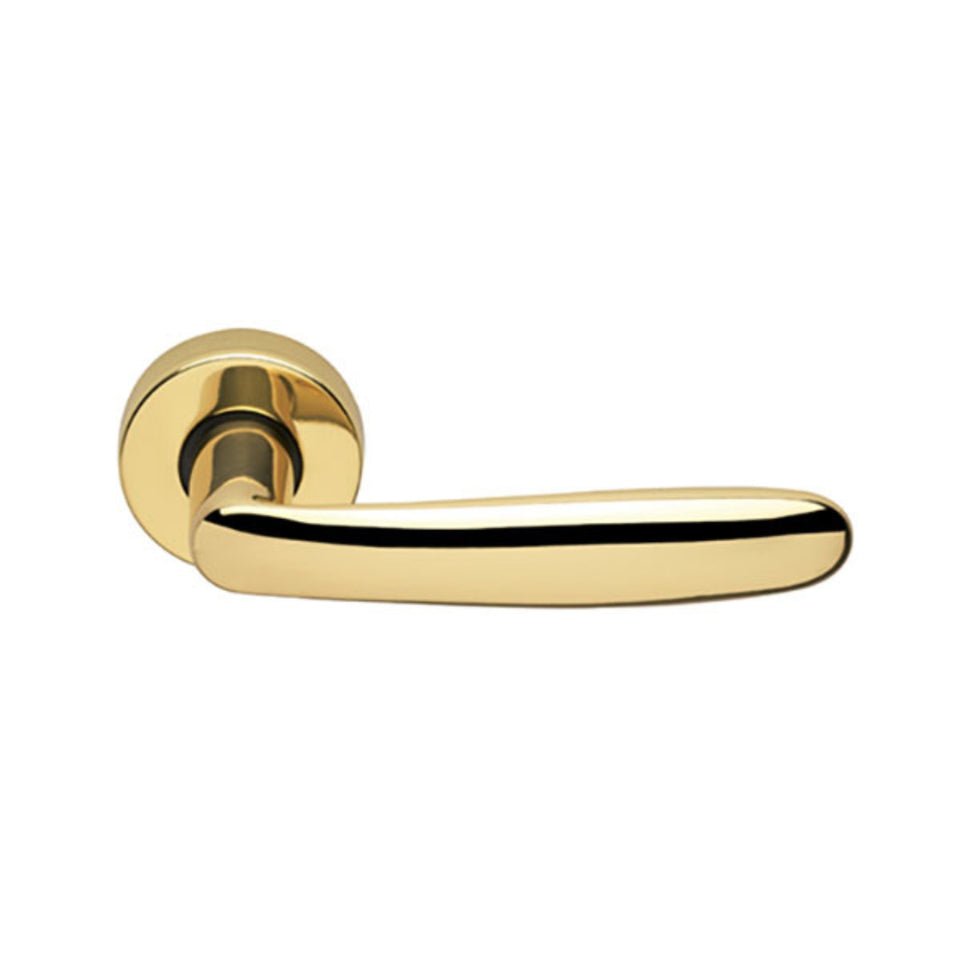
Sold out Manital Imola Passage Door Handle Set Polished Brass
Checking delivery...$120 -
Italian Made
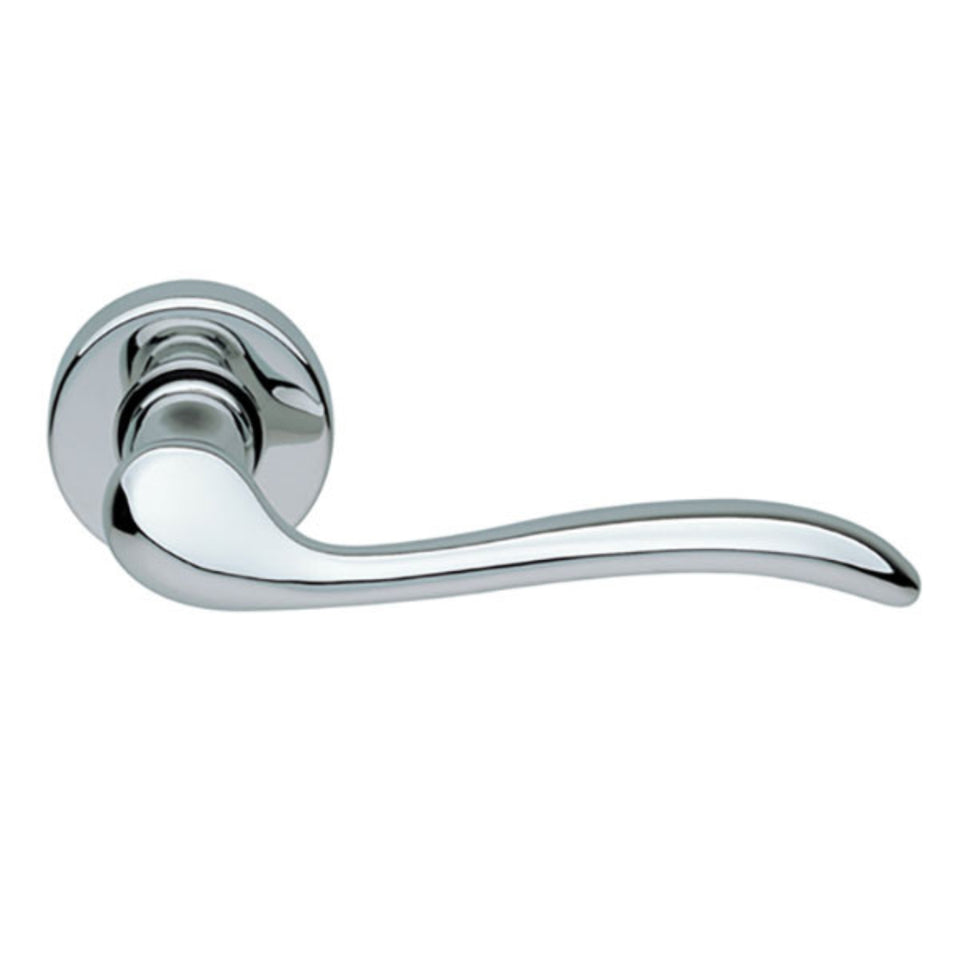
Sold out Manital Tosca Passage Door Handle Set Polished Chrome
Checking delivery...$120 -
Italian Made
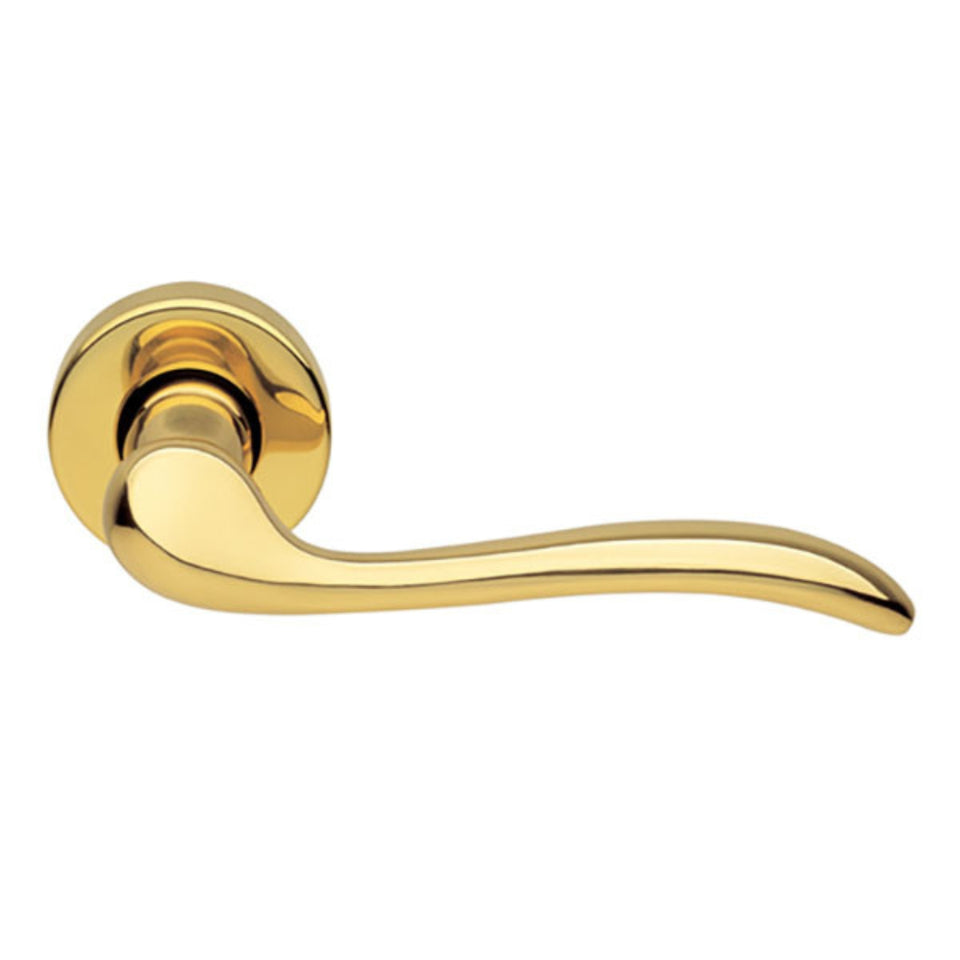
Sold out Manital Tosca Passage Door Handle Set Polished Brass
Checking delivery...$120


Manital door handles buying guide
Manital is an Italian maker of solid brass door handles, founded in 1990 near Brescia in Northern Italy. This collection holds Manital lever and knob sets for interior doors. They come in passage and privacy functions, and the ranges are Imola, GoGo, Blade, Amleto, Tosca, Ratio, Erica and K410. Every set is solid brass on a round 50mm rose, finished in satin chrome, polished chrome, satin brass, polished brass or satin nickel. This guide explains what the maker offers, how the ranges differ, what each set includes, which door preparation they need and how to match them through a house. For the wider range of interior hardware, see Nidus door hardware, door levers and interior door handles.
About Manital and where the handles are made
Manital has made lever handles in Italy for more than 29 years. The business was founded in 1990 near Brescia in Northern Italy by Luigi Bigoloni, and its approach has always put design and detail first. That shows in the sets in this collection. Each lever has a clean, confident shape, a considered rose and a body cast in solid brass. The handles are made in Italy, and so.
For a buyer, the practical meaning is simple. A solid brass lever has weight in the hand, holds a finish well and resists the bending that thinner zinc or hollow handles can show over years of use. If you want a handle that feels like a fixture and not a fitting, Manital is a sound place to start.
Solid brass construction
All of the sets here are made in solid brass. Brass is a dense alloy of copper and zinc, and it is the traditional material for quality door hardware because it machines accurately, takes plating well and does not rust. A solid brass lever is heavier than one made of hollow stainless tube or die-cast zinc, and that weight is part of what gives a door a quiet, positive feel when you press the handle down.
Because the base metal is brass, the finish decides the look. Satin brass and polished brass show the metal itself, in a warm gold tone. Chrome and nickel finishes sit over the brass, which gives a cool silver tone with the same weight and strength underneath. You can choose a warm or a cool colour without giving up the build quality.
The ranges in this collection
Each Manital range has its own lever shape. The notes below describe the shape in plain terms so you can picture it before you open the product page.
Imola is a classic lever with a 130mm overall length, offered in passage and privacy sets. It suits a house where you want a handle that reads as traditional but not fussy. Tosca also has a 130mm overall length and the same 50mm round rose, so it fits the same size of door and gives a similar presence with a different profile. Erica is a 130mm lever as well, available in polished brass in both functions, and it suits a period home or a warm, brassy scheme.
GoGo is a satin brass lever with a simple modern outline, and its privacy set lists a 130mm lever length. Ratio is longer at 140mm, which gives a more generous grip. Amleto sits between them at 136mm and comes in satin nickel, a tone that is less common in solid brass door hardware and suits kitchens and bathrooms where the other metals are nickel. Blade is a passage set in satin brass with a round rose, and the privacy function is not available in this design.
The K410 is a different shape altogether. It is a knob, not a lever, with a flat top. The knob is 55mm across, with a 50mm rosette and a 57mm projection. A knob suits a traditional home, and the flat top gives it a modern, architectural edge. See door knobs for more knob styles.
Passage and privacy sets
A door handle set has a function, and the function is fixed when you buy the set. A passage set latches the door shut but does not lock, so it suits doors that connect rooms and do not need privacy, such as a loungeroom, a laundry or a hallway cupboard. A privacy set adds a locking turn on the inside, so it suits a bathroom, a toilet or a master bedroom, where someone inside needs to lock the door.
The collection has both. The passage sets use a lever or knob on each side that operates the latch. The privacy sets add a locking mechanism. For a closer look at each function, see passage door handles and privacy door levers.
If you are fitting out a whole house, list the doors first and mark each as passage or privacy. Most homes need many more passage sets than privacy sets, and mixing them up is one of the more common ordering mistakes. A bedroom door that only needs to close is a passage door. A bathroom door is a privacy door. An ensuite and a toilet are privacy doors as well.
What is in the box
The box contents differ between the two functions, so check them on each product. A privacy set comes with two levers and one latch, so the set is ready to fit. A passage set comes with two levers, and the latch is sold separately, so you add it from the drop-down on the product page. The matching latch is chosen in the same finish as the lever, so the edge of the door matches the handle.
The reason for the split is that the latch depends on the door. The door thickness and the backset, which is the distance from the edge of the door to the centre of the handle, vary between jobs. Selling the passage latch separately lets you match the latch to your door. Check the latch when you order, because a passage set without a latch will not fit a door until you have one.
The K410 passage set follows the same rule. It comes as two knobs, and the passage latch is sold separately. Add the matching polished brass latch from the drop-down on the product page.
Door preparation and fit
Manital levers need a particular door preparation, and it clearly. The sets suit a 16 to 20mm hole with two through-fixing holes. Manital levers do not suit 50mm or 54mm holes. The second point matters because doors prepared for other handles often have larger holes. If yours has a 50mm or 54mm hole, check the fit before you buy.
The two through-fixing holes hold the two sides of the handle together through the door. They are the reason the rose stays tight and the lever does not loosen with use. The round rose is 50mm in diameter on the listed sets. It is a neat size, large enough to cover the hole and small enough to sit well on a standard door stile.
When you are replacing an existing handle, measure the hole before you order. Measure the diameter of the existing hole, the position of the fixing holes and the thickness of the door. Then compare those numbers with the product page. The few minutes this takes saves a return and a delayed job.
Lever length and how it feels
Lever length changes how the handle sits in the hand. The listed ranges run from 130mm to 140mm. Imola, Tosca and Erica are 130mm, as is the GoGo privacy lever. Amleto is 136mm and Ratio is 140mm. A longer lever gives more leverage and a longer reach, which is easier on a wrist, and a shorter one looks neat on a smaller door or in a tight hallway.
For most interior doors, any of these lengths works. Choose the one whose shape you like. If you are fitting several doors in a row, keep the same range throughout so the lengths and shapes stay consistent.
Finishes: chrome, brass and nickel
The collection offers satin chrome, polished chrome, satin brass, polished brass and satin nickel. Each finish suits a different room.
Satin chrome has a soft, brushed look that hides fingerprints better than a mirror finish. It suits contemporary homes and goes with stainless steel appliances and chrome tapware. Polished chrome is bright and reflective, and it suits a bathroom where the taps and accessories are also polished chrome. Satin brass is a warm gold with a subdued shine, and it is popular in current interiors with black fittings and timber. Polished brass is the brightest and most traditional of the golds, and it suits period homes. Satin nickel is a soft silver with a faint warmth, and it sits between chrome and brass.
When you choose a finish, look at the other hardware in the room. Hinges, door stops and cabinet handles are seen together, so a consistent finish across them makes the door look finished. See hinges and door stops for finishes that match.
Matching a handle to the room
The right handle depends on the room and the style of the house. In a hallway and living area, a passage lever in satin brass or satin chrome gives a clean, calm look. In a bathroom, a privacy set in polished chrome or satin nickel pairs well with chrome tapware. In a master bedroom, a privacy set in satin brass or polished brass gives a warm, quiet tone.
In a traditional or period home, the polished brass Imola, Tosca or Erica fits the era. In a modern home, GoGo and Ratio have the simpler outline. If you want a knob, the K410 flat top suits a classic home with a tidy, modern edge.
Consider the whole run of doors as well. If the front door set is a different make, the interior handles do not need to match it exactly, but they should share a finish. Satin brass interior handles look good with a black or brass front door set, and chrome handles pair with a stainless steel entry set.
Fitting the handle
The through-fixing design means the handle goes together with screws that pass through the door. Fit the latch first, slide the spindle through, place the rose on each side and fix the two sides together. The product page for each product links to the maker's fitting instructions and template, so use those for the exact steps and the right order for your model.
Before you start, check that the door is already drilled for the right hole, that the latch is the right size for the door edge and that the finish is the one you ordered. Tighten the screws evenly so the rose sits flat. If the lever drops or feels loose after fitting, the cause is usually an uneven fixing. Loosen the screws, align the rose and tighten them again.
Looking after solid brass hardware
A soft cloth is all that most finishes need. Wipe with a damp cloth to remove fingerprints and dust, then dry the surface. Avoid abrasive pads and strong chemical cleaners, which can mark a satin finish and strip a plated one. Keep the handle away from harsh bathroom cleaning sprays, and wipe it dry if water splashes on it. Treated gently, a solid brass handle keeps its colour and weight for many years.
Polished finishes show marks more than satin finishes. If a polished handle is in a high traffic spot, expect to wipe it more often. Satin finishes hide fingerprints and are the easier choice for a busy family home.
Why choose Italian made handles
People ask for Italian door handles because the country has a long record of fine metalwork and industrial design. The practical case is that the shapes are considered, the brass is solid and the finish is applied with care, so the handle keeps working after lower-grade handles have loosened.
An Italian made handle also has the advantage of a consistent range. A maker such as Manital offers passage and privacy versions of the same lever in the same finishes, which is what lets you fit a whole house with one design. That consistency is harder to find in a mixed collection of imported handles.
What makes a good quality door handle
A good door handle is made from solid metal, fixed through the door and not with a single surface screw, and finished with an even coat under a rose that covers the hole cleanly. The sets in this collection meet all four. They are solid brass, they use two through-fixing holes, they have a 50mm round rose and they come in plated or satin finishes.
Weight is a simple test. A handle that feels light for its size is usually hollow or made from a lighter alloy. A solid brass lever has a steady, heavy feel. Movement is the second test. The lever should return to its resting position without a wobble, and the rose should sit tight against the door.
Current trends in door handles
Warm metals lead current interiors. Satin brass has moved from a feature finish into a standard choice for interior doors, usually paired with black or white walls and timber. Satin nickel and satin chrome remain the neutral choices for cooler schemes. Slim levers on a round rose suit most new builds, and polished brass keeps its place in period and traditional homes.
Whichever finish you pick, the safe approach is consistency. A single finish on handles, hinges and stops across the house looks deliberate. For more on brass finishes, see brass door handles.
Common mistakes to avoid
The first mistake is ordering a passage set for a door that needs privacy. The two are not interchangeable. The second is forgetting the latch on a passage set, since it is sold separately. The third is ignoring the hole size, since these levers do not suit 50mm or 54mm holes. The fourth is mixing finishes on one door, such as polished brass handles with satin brass hinges, which reads as a mismatch. The fifth is not checking the door thickness and backset before you pick the latch.
All five are easy to avoid with a short checklist. For each door, write down the function, hole size, thickness, backset and finish, then match each line to the product page.
Planning a whole house
For a new build or a renovation, work room by room. List every internal door and its function. Group them by finish and function. Then count the passage and privacy sets you need and add the passage latches. Because the privacy sets include their latch, you only need to buy separate latches for the passage doors.
It helps to choose one range for the whole house. The 130mm Imola and Tosca suit most homes. The longer Ratio suits a home with wide doors and a modern outline. Choose the range, choose the finish and apply both across every door.
Our recommendation
For a home that wants warm, quiet interior hardware, choose a satin brass set from the GoGo, Ratio or Blade ranges. For a bright, traditional look, choose polished brass in Imola, Tosca or Erica. For a cooler scheme, choose satin chrome or polished chrome in Imola, Tosca or Ratio. For a nickel tone, choose the Amleto. For a knob, choose the K410 flat top.
Use a passage set where the door only needs to close and a privacy set where someone needs to lock it. Check the hole size and the latch before you order. Keep the finish the same across hinges, stops and handles and the doors will look finished.
Questions about Manital door handles
Where are Manital door handles made?
Manital handles are made in Italy. The company was founded in 1990 near Brescia in Northern Italy and has produced lever handles for more than 29 years.
Are Manital handles solid brass?
Yes. The sets in this collection list solid brass as the material, with the finish applied over it.
Does a Manital passage set include a latch?
No. The latch is sold separately on passage sets, and you add the matching one from the drop-down on the product page. Privacy sets include a latch.
What door hole do Manital levers need?
A 16 to 20mm hole with two through-fixing holes. The levers do not suit 50mm or 54mm holes.
What is the difference between a passage and a privacy set?
A passage set latches and does not lock, for doors such as a loungeroom or laundry. A privacy set locks from the inside, for a bathroom or master bedroom.

