


Meir Gooseneck Twin Rail Showers
24 Items
-
Lifetime Warranty
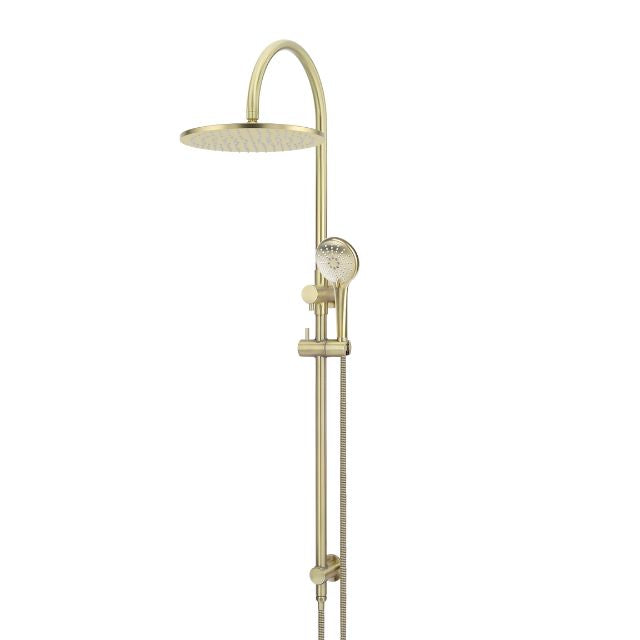
Sold out Meir Gooseneck Shower Set with 300mm rose, Three-Function Hand Shower Tiger B...
Checking delivery...$2,124$0 (-0%) offRRP of $2,124 -
Lifetime Warranty
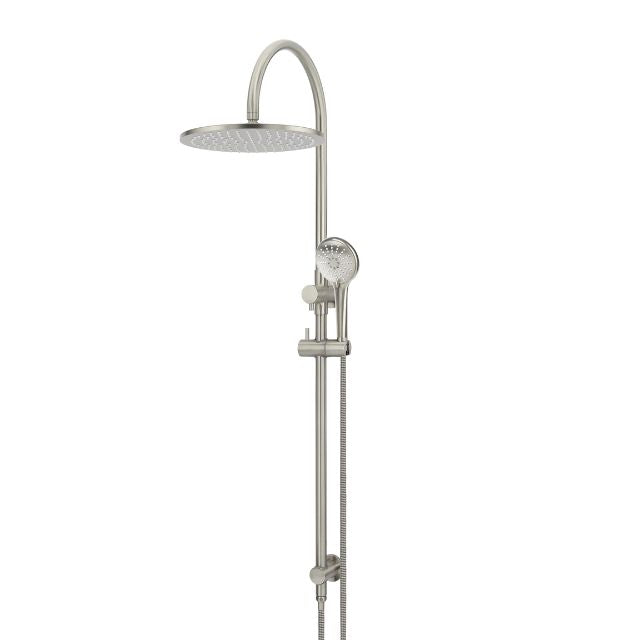
Sold out Meir Gooseneck Shower Set with 300mm rose, Three-Function Hand Shower Brushed...
Checking delivery...$2,124$0 (-0%) offRRP of $2,124 -
Lifetime Warranty
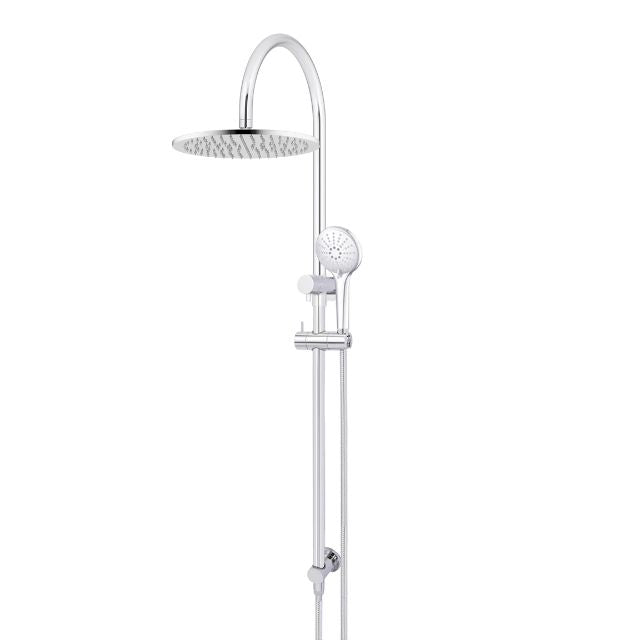
Sold out Meir Gooseneck Shower Set with 300mm rose, Three-Function Hand Shower Chrome
Checking delivery...$1,436$0 (-0%) offRRP of $1,436 -
Lifetime Warranty
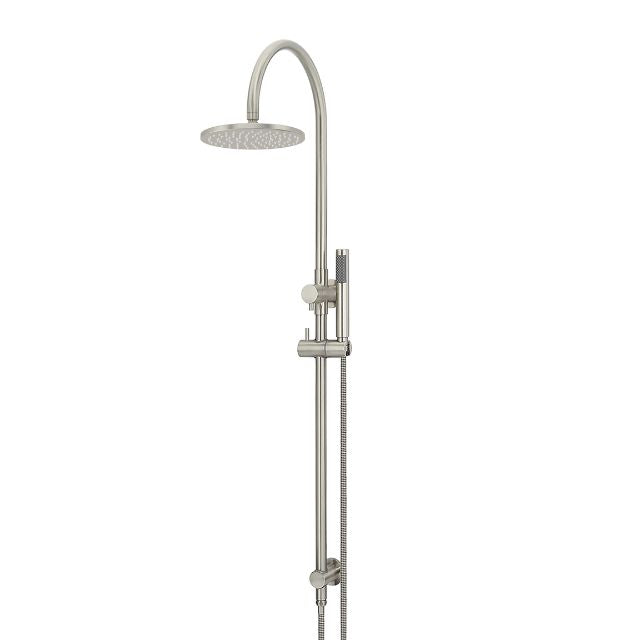
Sold out Meir Gooseneck Shower Set with 200mm rose, Single-Function Hand Shower Brushe...
Checking delivery...$1,874$0 (-0%) offRRP of $1,874 -
Lifetime Warranty
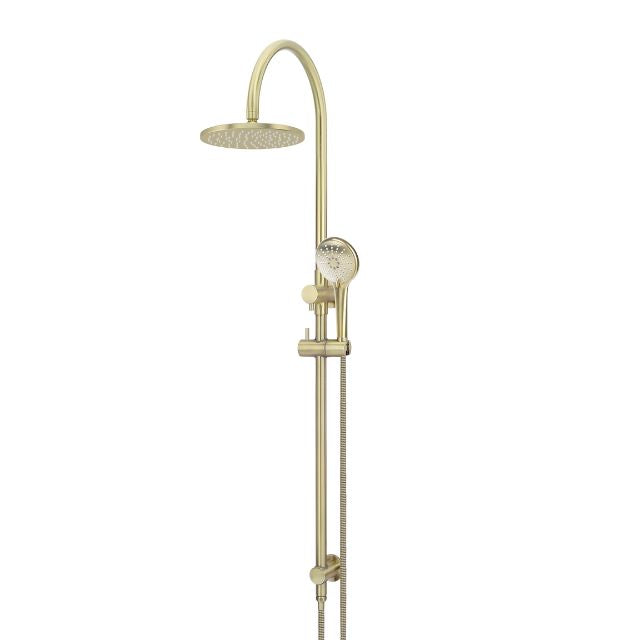
Sold out Meir Gooseneck Shower Set with 200mm Rose, Three-Function Hand Shower Tiger B...
Checking delivery...$1,874$0 (-0%) offRRP of $1,874 -

Sale On Now!
Up to 70% off across the store, plus free towels and mirrors up for grabs on orders over $800*
-
Lifetime Warranty
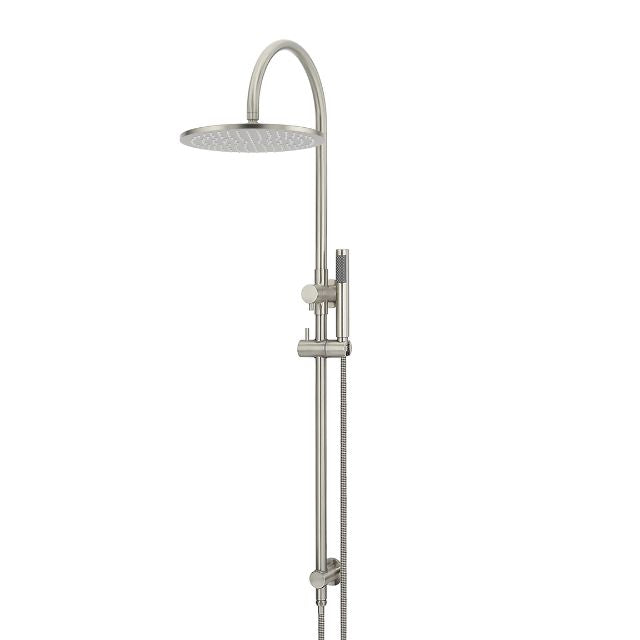
Sold out Meir Round Gooseneck Shower Set with 300mm Rose, Single Hunction Hand Shower ...
Checking delivery...$2,124$0 (-0%) offRRP of $2,124 -
Lifetime Warranty
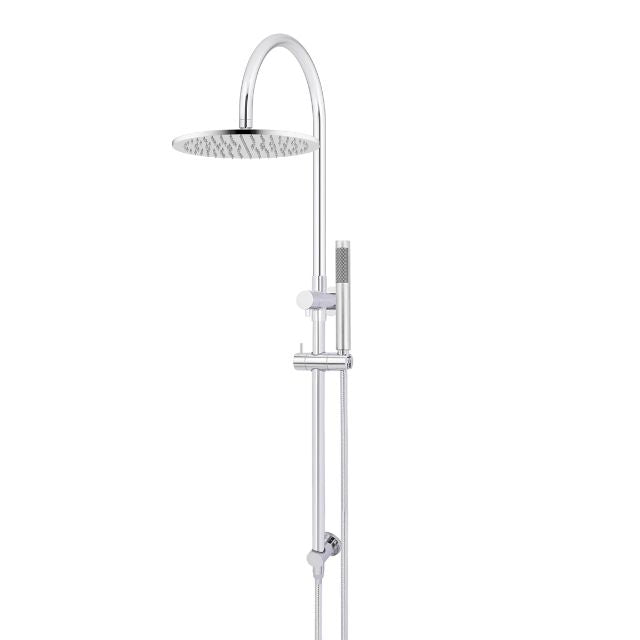
Sold out Meir Gooseneck Shower Set with 300mm rose, Single-Function Hand Shower Chrome
Checking delivery...$1,436$0 (-0%) offRRP of $1,436 -
Lifetime Warranty
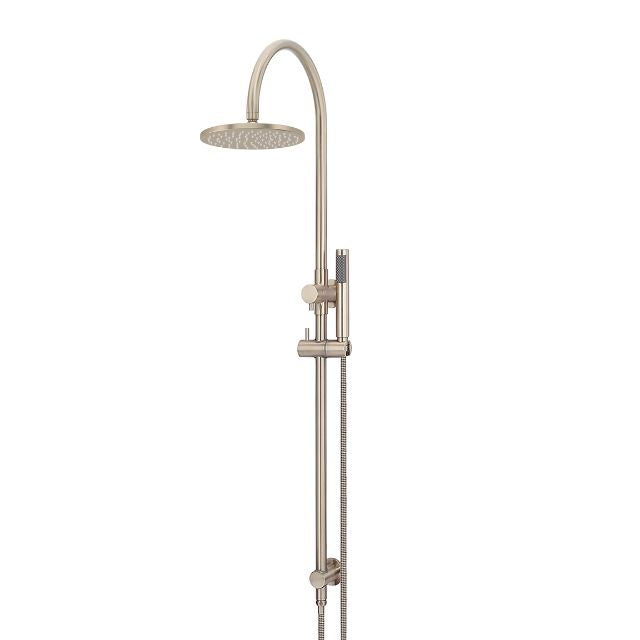
Sold out Meir Gooseneck Shower Set with 200mm rose, Single-Function Hand Shower Champagne
Checking delivery...$1,874$0 (-0%) offRRP of $1,874 -
Lifetime Warranty
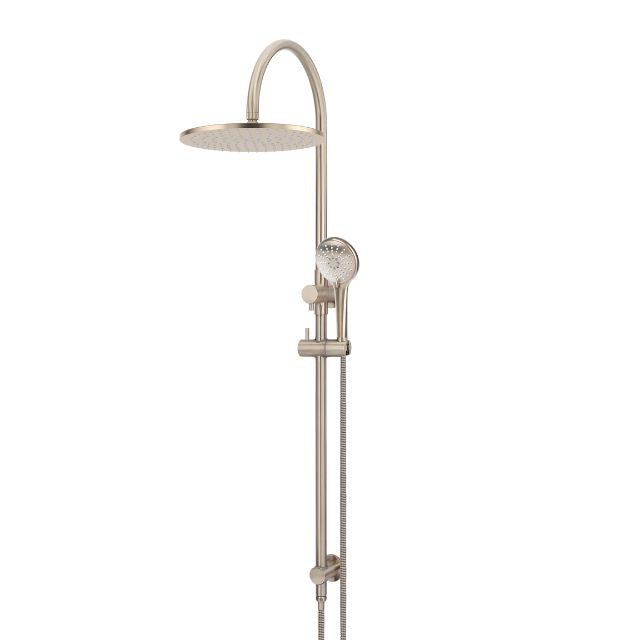
Sold out Meir Gooseneck Shower Set with 300mm rose, Three-Function Hand Shower Champagne
Checking delivery...$2,124$0 (-0%) offRRP of $2,124 -
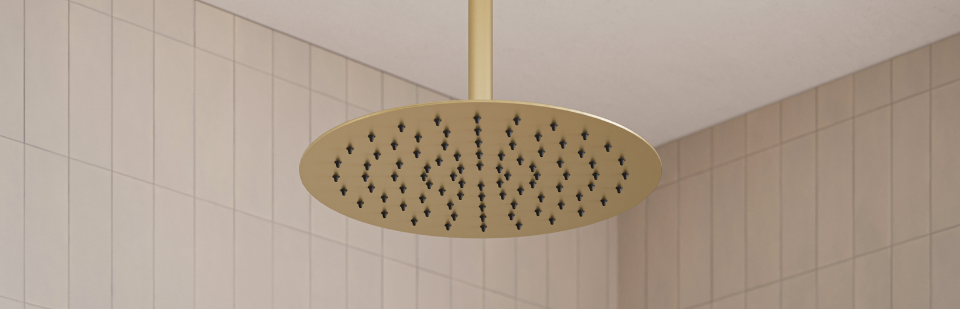
-
Lifetime Warranty
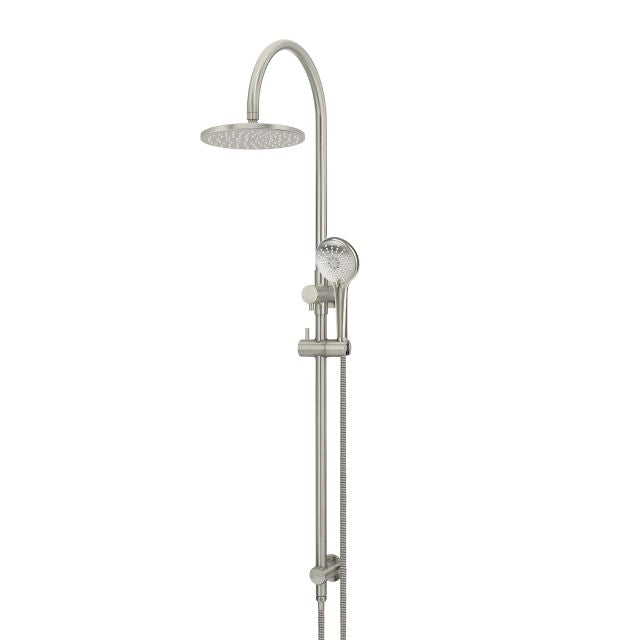
Sold out Meir Gooseneck Shower Set with 200mm Rose, Three-Function Hand Shower Brushed...
Checking delivery...$1,874$0 (-0%) offRRP of $1,874 -
Lifetime Warranty
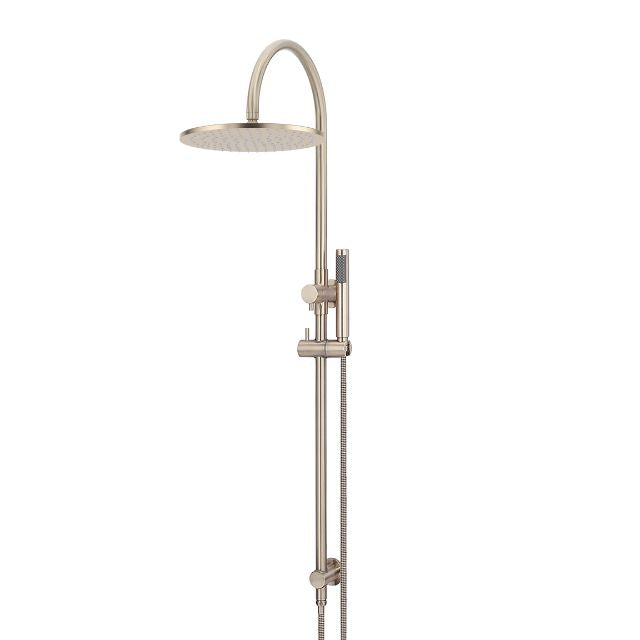
Sold out Meir Gooseneck Shower Set with 300mm rose, Single-Function Hand Shower Champagne
Checking delivery...$2,124$0 (-0%) offRRP of $2,124 -
Lifetime Warranty
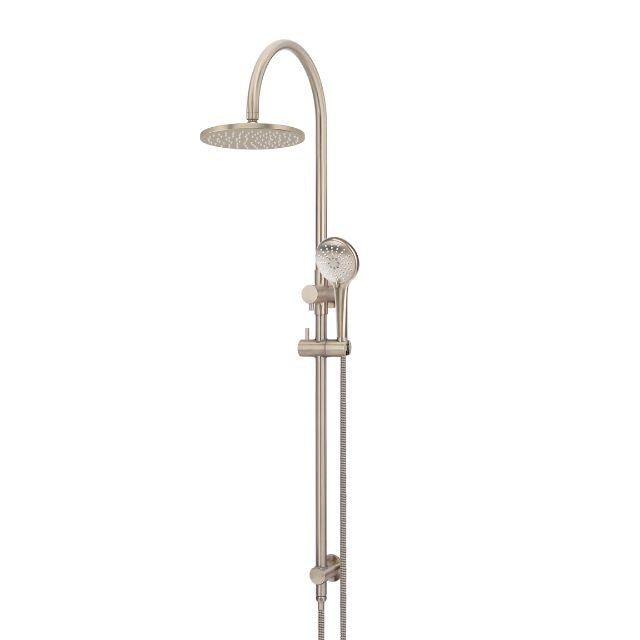
Sold out Meir Gooseneck Shower Set with 200mm Rose, Three-Function Hand Shower Champagne
Checking delivery...$1,874$0 (-0%) offRRP of $1,874 -
Lifetime Warranty
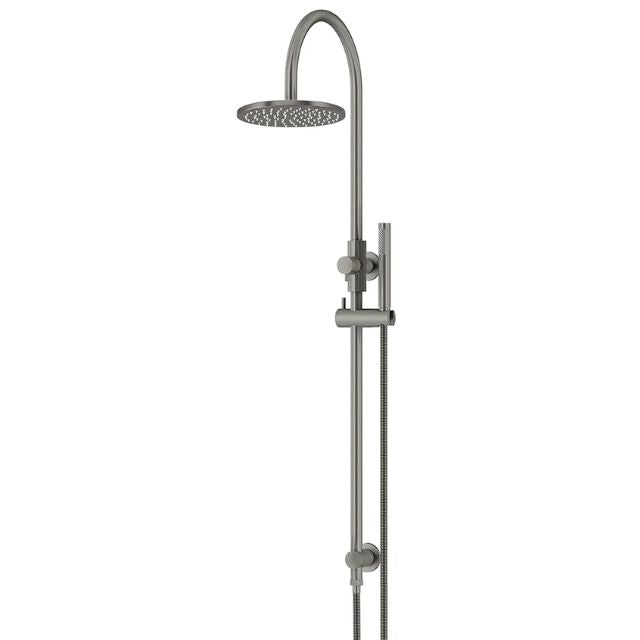
Sold out Meir Gooseneck Shower Set with 200mm rose, Single-Function Hand Shower Shadow
Checking delivery...$1,874$0 (-0%) offRRP of $1,874 -
Lifetime Warranty
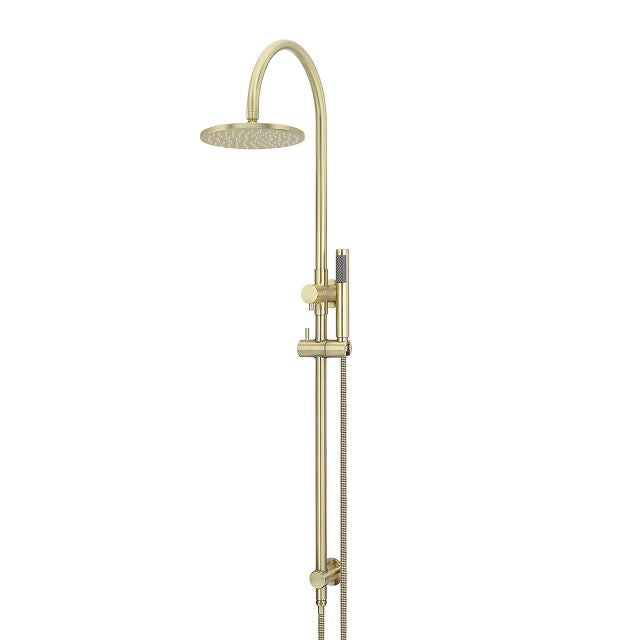
Sold out Meir Gooseneck Shower Set with 200mm rose, Single-Function Hand Shower Tiger ...
Checking delivery...$1,874$0 (-0%) offRRP of $1,874 -
-
Lifetime Warranty
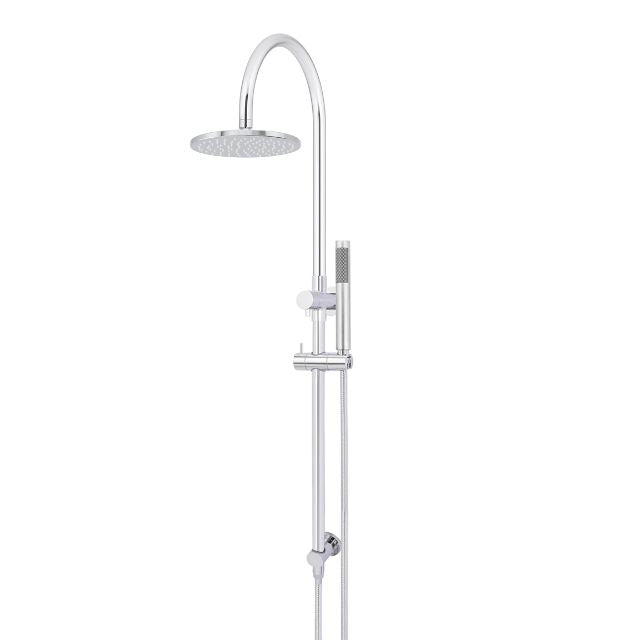
Sold out Meir Gooseneck Shower Set with 200mm rose, Single-Function Hand Shower Chrome
Checking delivery...$1,186$0 (-0%) offRRP of $1,186 -
Lifetime Warranty
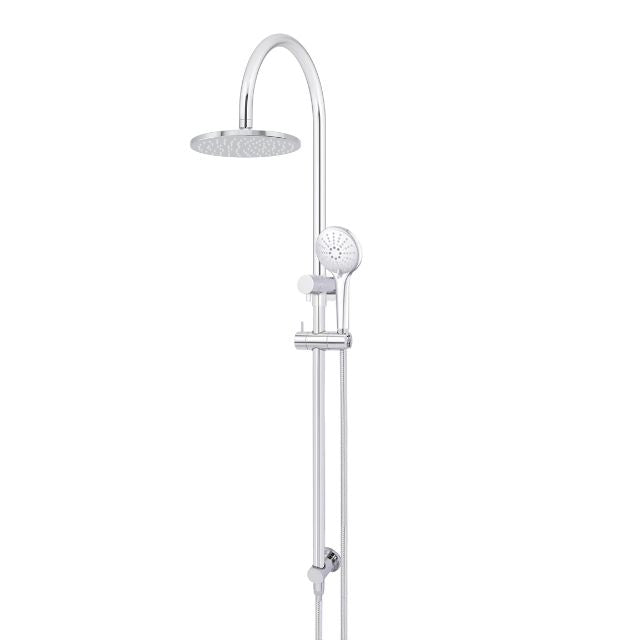
Sold out Meir Gooseneck Shower Set with 200mm Rose, Three-Function Hand Shower Chrome
Checking delivery...$1,186$0 (-0%) offRRP of $1,186 -
Lifetime Warranty
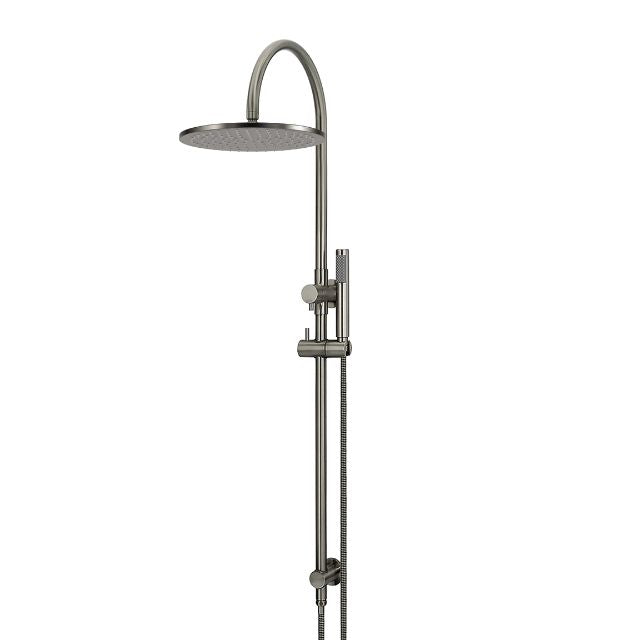
Sold out Meir Gooseneck Shower Set with 300mm rose, Single-Function Hand Shower Shadow
Checking delivery...$2,124$0 (-0%) offRRP of $2,124 -
Lifetime Warranty
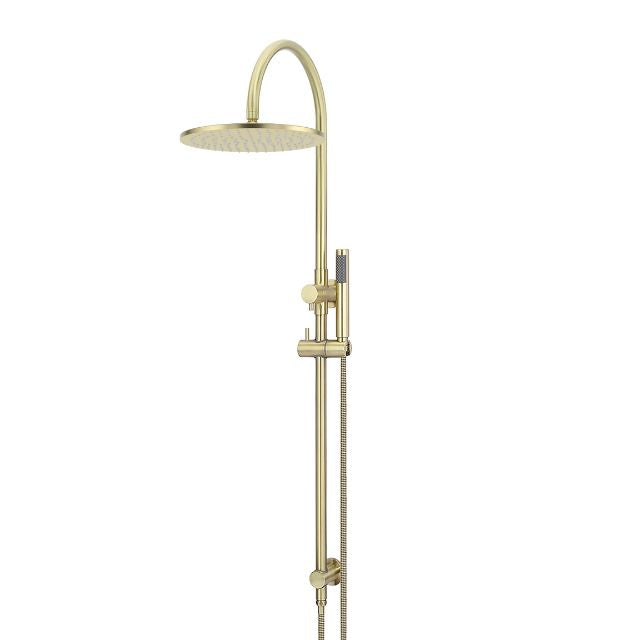
Sold out Meir Gooseneck Shower Set with 300mm rose, Single-Function Hand Shower Tiger ...
Checking delivery...$2,124$0 (-0%) offRRP of $2,124 -
Lifetime Warranty
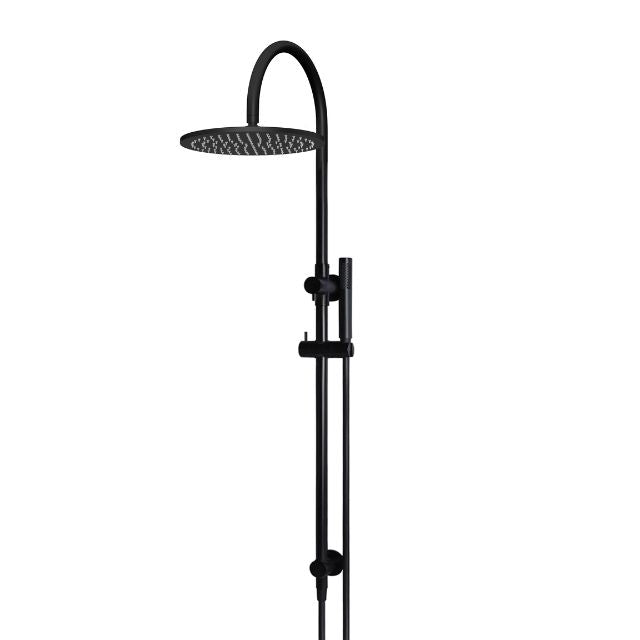
Sold out Meir Gooseneck Shower Set with 300mm rose, Single-Function Hand Shower Matte ...
Checking delivery...$1,874$0 (-0%) offRRP of $1,874 -
Lifetime Warranty
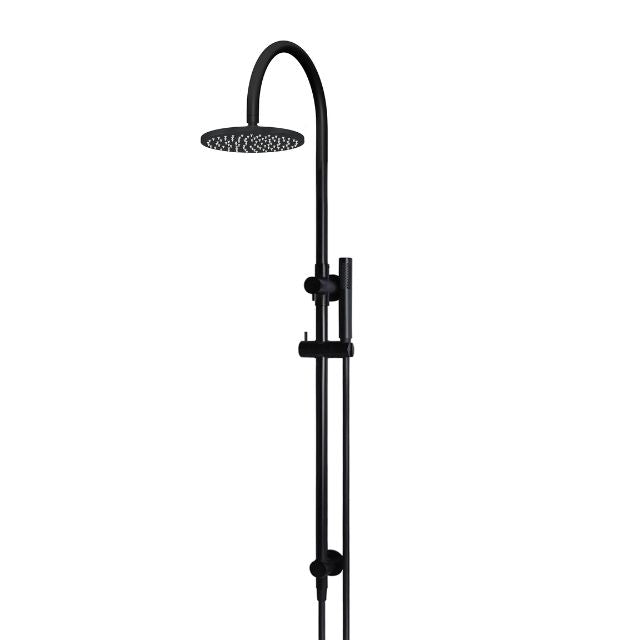
Sold out Meir Gooseneck Shower Set with 200mm rose, Single-Function Hand Shower Matte ...
Checking delivery...$1,624$0 (-0%) offRRP of $1,624 -
Lifetime Warranty
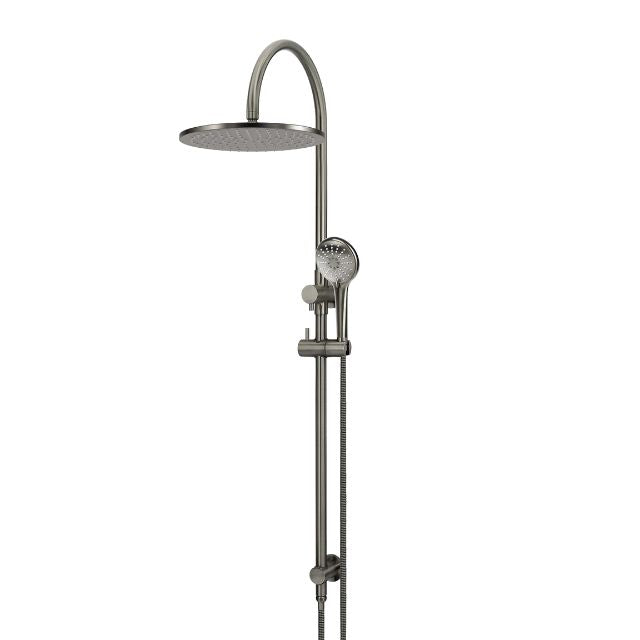
Sold out Meir Gooseneck Shower Set with 300mm rose, Three-Function Hand Shower Shadow
Checking delivery...$2,124$0 (-0%) offRRP of $2,124 -
Lifetime Warranty
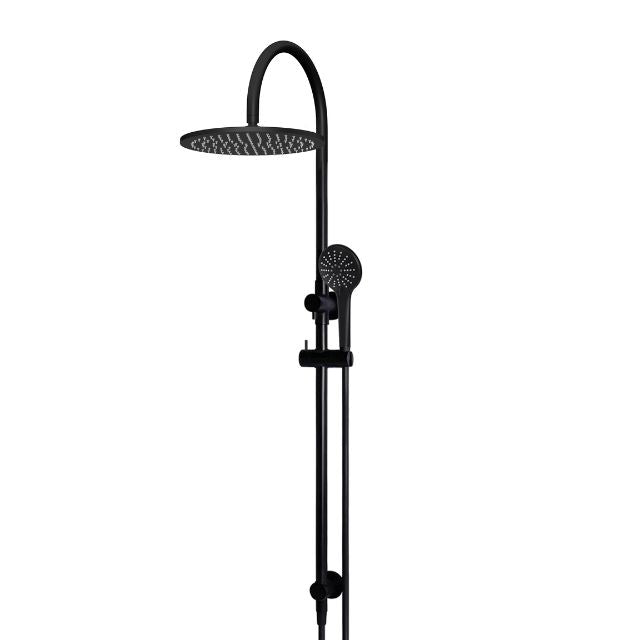
Sold out Meir Gooseneck Shower Set with 300mm rose, Three-Function Hand Shower Matte B...
Checking delivery...$1,874$0 (-0%) offRRP of $1,874 -
Lifetime Warranty
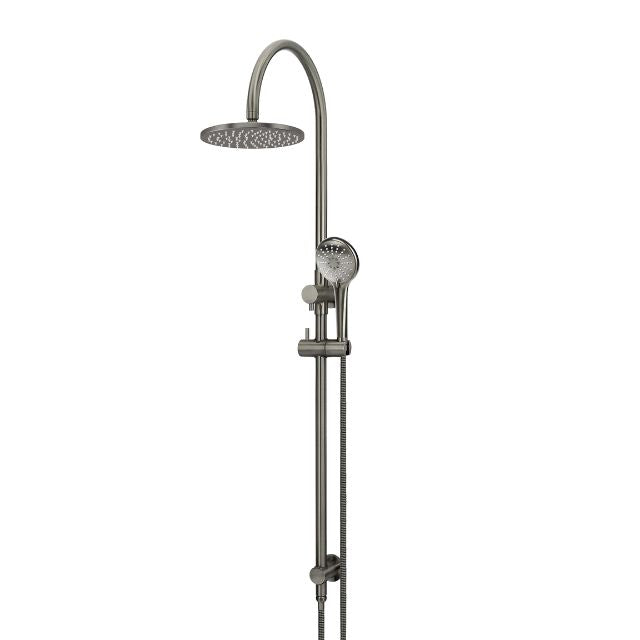
Sold out Meir Gooseneck Shower Set with 200mm Rose, Three-Function Hand Shower Shadow
Checking delivery...$1,874$0 (-0%) offRRP of $1,874 -
-
Lifetime Warranty
Sold out Meir Gooseneck Shower Set with 200mm Rose, Three-Function Hand Shower Matte B...
Checking delivery...$1,624$0 (-0%) offRRP of $1,624
What a Meir gooseneck set is
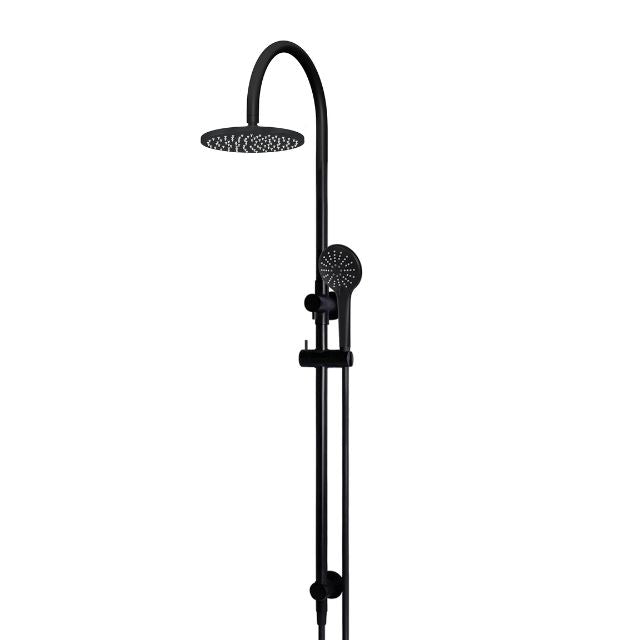
A gooseneck set is a wall rail with a curved neck that carries an overhead rose, plus a hand shower on the same rail, with a diverter that switches the water between the two. This collection holds the Meir version. A gooseneck is a curved, S-shaped arm that holds the head. Here the curve sits at the top of the rail, so the rose reaches out over the shower floor and the hand shower stays at hand height below it.
The range is one design with four choices: a 200 mm or a 300 mm rose, and a single-function or a three-function hand shower, each in six finishes. What matters first is which of those suits your wall. The checks that decide a purchase are the water inlet, the reach, the mixer, the height, the flow and the care. For the whole brand, see Meir showers. For the wider guides, see shower on rails and double shower heads.
How the set is built
- The rail is solid brass, with a gooseneck curve at the top and fixing points 650 mm apart.
- The overhead rose is 200 mm or 300 mm across and 10 mm thick, not counting the nozzles.
- The hand shower sits in an adjustable holder on the rail, with a flexible hose.
- The diverter is built in, so you switch between the overhead rose and the hand shower at the rail.
- A 68 mm threaded adapter is included in the box.
Everything above comes in the one box. The diverter cartridge on the rail switches between the rain head and the handheld sprayer. The hand shower is the part that makes the set useful for a family, because it reaches children, pets and the shower floor.
The water inlet: top or bottom
This is the point to settle first. The Meir sets have a universal water inlet with a half inch female thread, which accepts either a top or a bottom water connection. It suits both new and existing homes. So the same rail fits a wall where the water comes in from above and a wall where it comes in from below, and you do not need to choose a different product for each.
Tell the plumber which connection you want before the rail goes on. A rail that takes water through the top or the bottom leg changes where the supply pipe ends and where the mixer sits. If you are replacing an existing rail, note where the old one connects and reuse that position, since it keeps the plumbing work small.
The rose: 200 mm or 300 mm
The 200 mm rose is the compact choice and the 300 mm rose is the large rain-style head. Both are 10 mm thick, excluding the nozzles, and both are brass. The 200 mm sets project 452 mm from the wall and the 300 mm sets project 502 mm. The arm reach is 352 mm in both. Wall arm projection runs 300 to 400 mm for a normal arm, so a rail set sits a little further out than a plain arm, which is the point of the gooseneck.
Round fixed heads run at 200 to 300 mm, with 150 to 200 mm for low-pressure systems, and heads over 250 mm suit good pressure unless a pump is fitted. So choose the 200 mm rose where pressure is modest or the enclosure is small, and the 300 mm rose where the supply is strong and the enclosure is roomy. More nozzles share the same flow on a larger face, so each stream is gentler rather than stronger. For the large flat heads from every maker, see rain showers.
The hand shower: single or three functions
The single-function hand shower gives one spray pattern. The three-function hand shower gives three spray options, which suits rinsing, targeted cleaning and a gentler wash. The overhead rose is a single function in both versions. Both hand showers are rated 3 star at 9 litres per minute, and the overhead is rated 3 star at 9 litres per minute too.
Choose the single function for simplicity and the three function when the hand shower does more than rinse. A cleaning job in the shower, or a child to wash, is the case for three. For other hand pieces, see hand held shower heads.
The mixer or taps are separate
The box holds the combination rail with the overhead, a fixing kit and the installation instructions. A mixer or taps are not in that list, so treat them as a separate purchase. The compatible options are a single wall mixer, a progressive mixer, cross taps and round taps. The rail needs one of them to control the water, and the diverter then chooses where it goes.
Pick the mixer and the rail together, in the same finish, and settle the outlet height with the plumber at rough-in. For the options, see shower mixers.
Gooseneck arm or gooseneck rail set
The two terms describe different products. A gooseneck arm is a curved wall arm that holds a head. It raises the head and brings it further into the shower space, adds height without structural plumbing changes when the outlet is low, and fits with a thread-on connection. A gooseneck rail set, which is this collection, is the whole rail with the rose and the hand shower, and it has its own water inlet and diverter.
If you want only the arm to lift a head you already own, see shower arms. If you want the overhead rose and the hand shower in one product, this collection is the one. The set also takes more wall, because a rail with fixing points 650 mm apart needs a clear run of wall, and a gooseneck arm needs only an outlet.
The hose
The Meir combination rail has a flexible 1.5 m hose in a matching finish. Check that length against the size of your enclosure before you buy, since the hose has to reach the far corner from the holder position.
Finishes and what they are made of
The collection comes in matte black, chrome, champagne, tiger bronze, brushed nickel and shadow gunmetal, and the process differs by finish. The tiger bronze, brushed nickel and shadow pieces are PVD, and the champagne pieces are electroplated. The chrome and matte black processes vary, so confirm the one you choose. The rail is solid brass. PVD is significantly harder and more durable than traditional plating, and the PVD coating on the brushed nickel version is wear-resistant.
The process decides how you clean it, so check it before you buy. For finish-led browsing, see chrome showers, black showers, brushed nickel showers, champagne showers, bronze showers and gunmetal showers. Match the finish across the parts you can see: the rail, the mixer and the other fittings should share a tone.
How high the rail should be
A fixed wall rose sits 2000 to 2100 mm above the finished floor to the centre of the arm outlet, and 2100 to 2200 mm for a tall household. The top of a rail sits about 1800 to 1900 mm up, and a wall mixer about 1000 to 1100 mm. For a rain head, leave a gap of 20 cm or more above the user's head. Confirm the heights at rough-in, before tiling.
For a gooseneck rail the rose is carried by the rail, so the rail's mounting height sets the rose height. Measure from the finished floor to where the centre of the rose will sit, and make sure the 300 mm face clears the head of the tallest user with room to spare. A diverter system needs two outlets at different heights if the water comes in at two points, so tell the plumber before the linings go up.
Pressure, flow and the star rating
Every set here is rated 3 star at 9 litres per minute on both the overhead and the hand shower, and for an operating pressure of 150 to 500 kPa. To check pressure without a gauge, time a 10 litre bucket under the shower. Under 60 seconds is good, and large overhead heads suit supplies above about 200 kPa.
How to clean a gooseneck set
Clean with a soft cloth and warm soapy water, and keep chemical-based or harsh cleaners and rough scourers away. Clean filters and aerators regularly, and note that quality water softeners and filters help in hard-water areas. As a schedule, clean the rose monthly if your water is hard, and every two to three months if your water is soft, and wipe it after each shower. For a fixed rose, tie a sturdy plastic bag of warm water with a few drops of mild dishwashing liquid over it, soak for 30 to 60 minutes, rinse, scrub the holes with a toothbrush and dry with a soft cloth.
Keep vinegar off modern heads. It is acceptable only on standard chrome or plastic, and acid can cause discolouration or peeling on matte black, brushed nickel, gunmetal and other PVD or electroplated finishes. Signs of scale are weak pressure, uneven or changing flow, spray in odd directions and blocked nozzle holes.
Fitting a gooseneck set
A rail set is a plumber's job, not a swap. The inlet position, the mixer, the fixing points and the height all have to be right. Installation should be done by a licensed plumber to Australian Standards, and the Meir sets give 650 mm between the fixing points and include a fixing kit. Fix into solid backing, since a 300 mm rose and a full hose add weight at the end of the neck.
The rules on what an owner may do themselves differ by state. Replacing a rose on the rail is a head swap. Turn the water off at the shower valve and unscrew the old head anticlockwise. Clean the threads, wrap new thread seal tape clockwise two to three times, hand-tighten, give it one gentle turn with a wrench and check for leaks.

