


Taps
904 Items
-
In StockLifetime Warranty
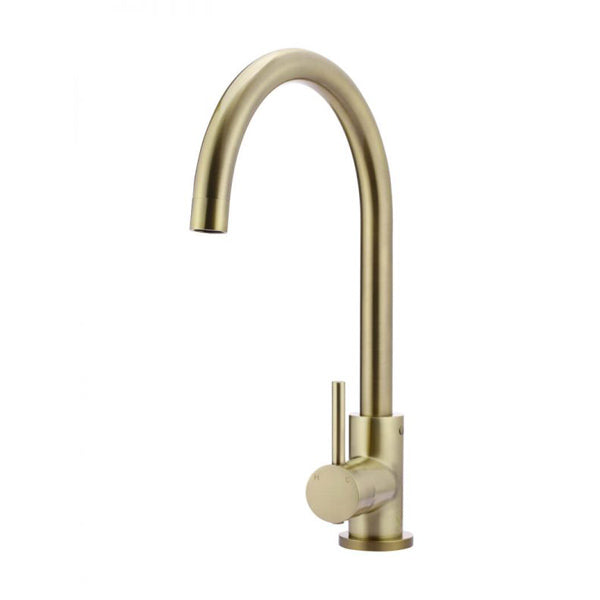
Sold out Meir Round Kitchen Sink Mixer - Tiger Bronze
Checking delivery...$724 -
Lifetime Warranty
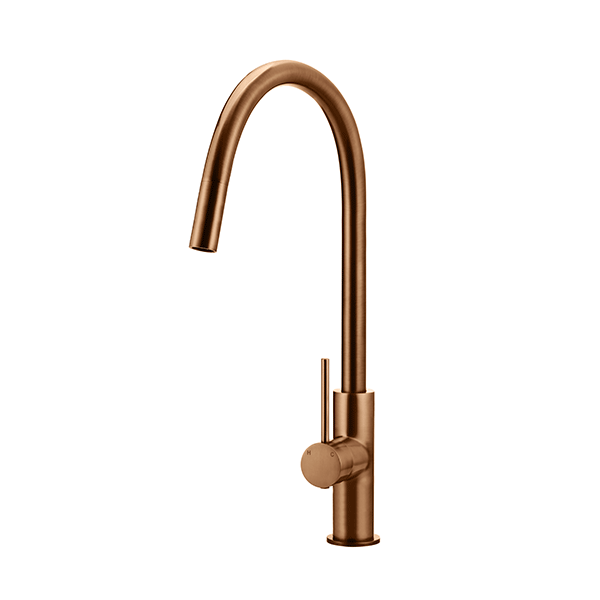
Sold out Meir Round Piccola Pull Out Kitchen Sink Mixer Tap Lustre Bronze
Checking delivery...$1,124 -
In StockLifetime Warranty
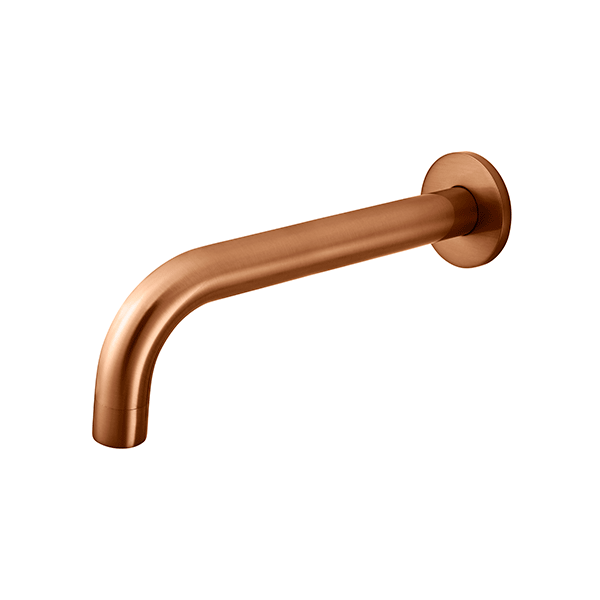
Sold out Meir Round Curved Spout 200mm Lustre Bronze
Checking delivery...$261 -
Lifetime Warranty
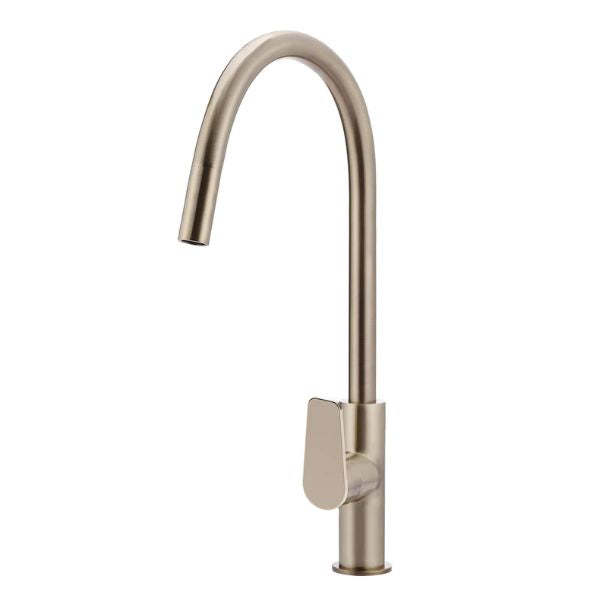
Sold out Meir Paddle Round Pull Out Kitchen Sink Mixer Tap Champagne
Checking delivery...$999 -
In Stock
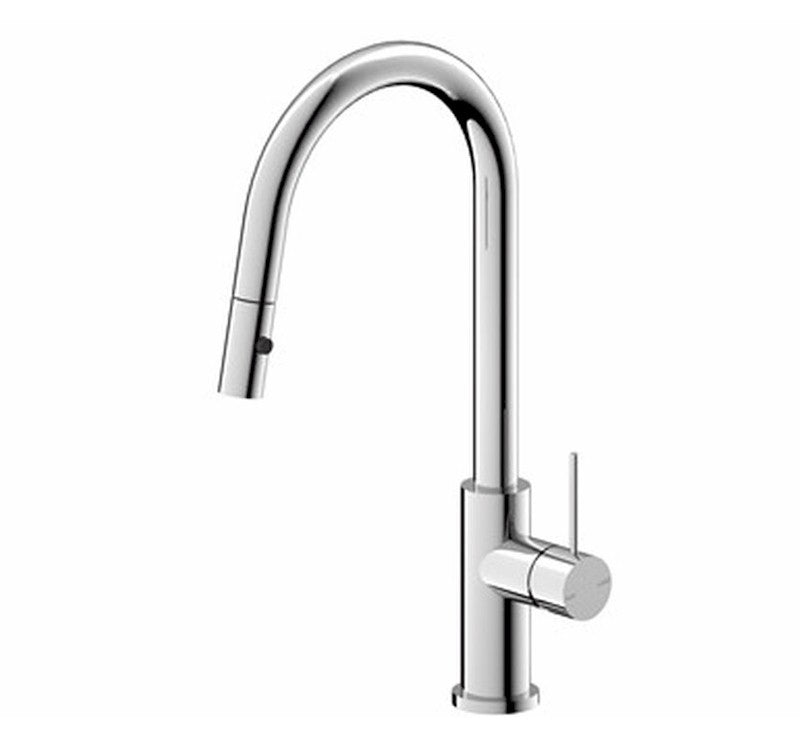
Sold out Nero Mecca Pull Out Sink Mixer With Vegie Spray Chrome
Checking delivery...$525 -

Sale On Now!
Up to 70% off across the store, plus free towels and mirrors up for grabs on orders over $800*
-
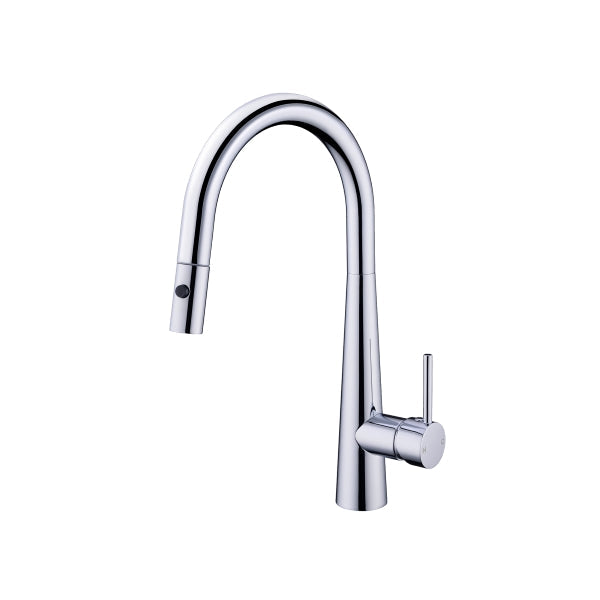
Sold out Nero Dolce Pull Out Sink Mixer With Vegie Spray Function Chrome
Checking delivery...$538 -
In Stock
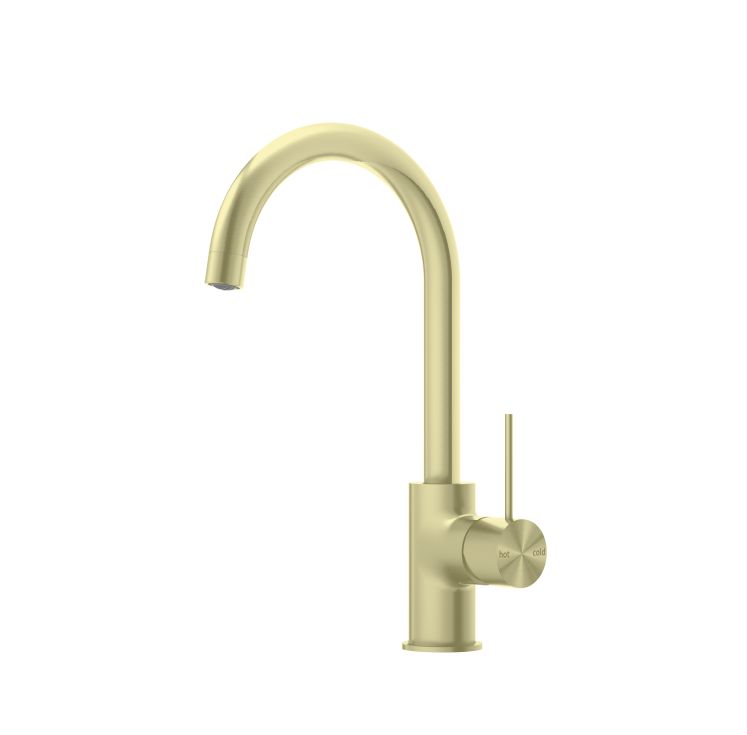
Sold out Nero Mecca Kitchen Mixer Brushed Gold
Checking delivery...$484 -

Sold out Nero Mecca Pull Out Sink Mixer With Vegie Spray - Brushed Bronze
Checking delivery...$875 -

Sold out Nero York Shower Mixer With Metal Lever Aged Brass
Checking delivery...$431 -
-

Sold out Nero York Wall Basin Set With White Porcelain Lever Aged Brass
Checking delivery...$592 -
Lifetime Warranty
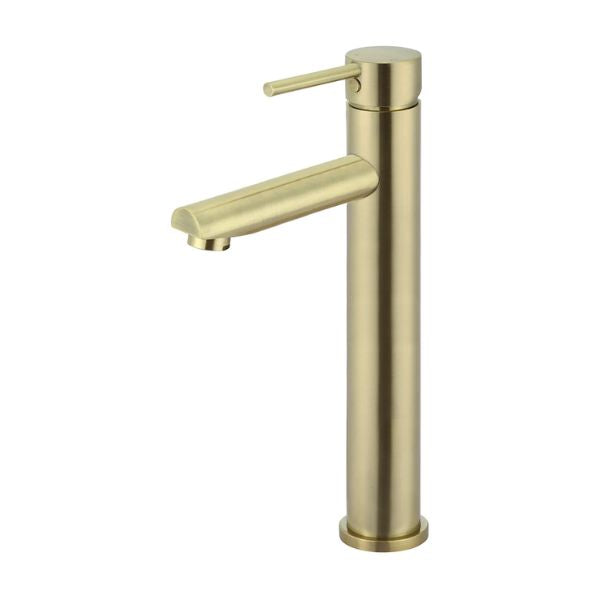
Sold out Meir Round Tall Basin Mixer - Tiger Bronze
Checking delivery...$674 -

Sold out Nero Zen SS316L Freestanding Bath Mixer Brushed Nickel
Checking delivery...$2,422 -

Sold out Nero Mecca Freestanding Bath Spout Only Brushed Bronze
Checking delivery...$1,076 -
In Stock
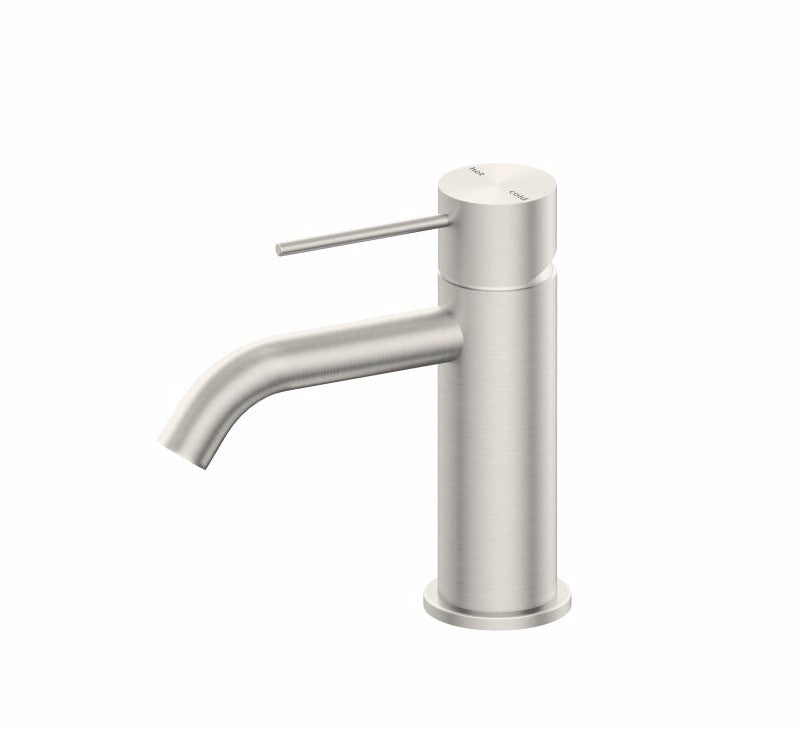
Sold out Nero Mecca Basin Mixer Brushed Nickel
Checking delivery...$350 -
-
Lifetime Warranty
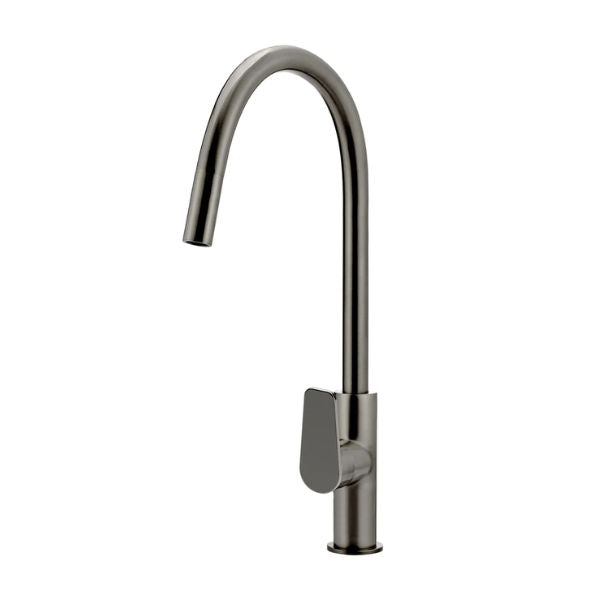
Sold out Meir Paddle Round Pull Out Kitchen Sink Mixer Tap Shadow
Checking delivery...$999 -

Sold out Nero Mecca Sensor Taps Brushed Bronze
Checking delivery...$1,076 -
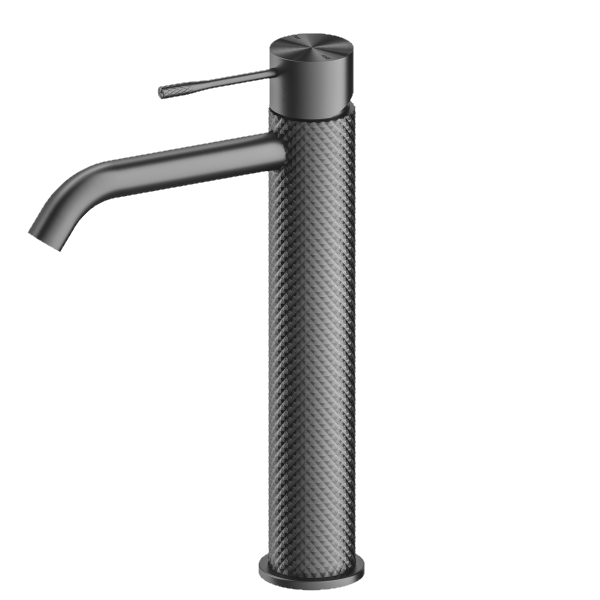
Sold out Opal Tall Basin Mixer Graphite
Checking delivery...$1,076 -
Lifetime Warranty
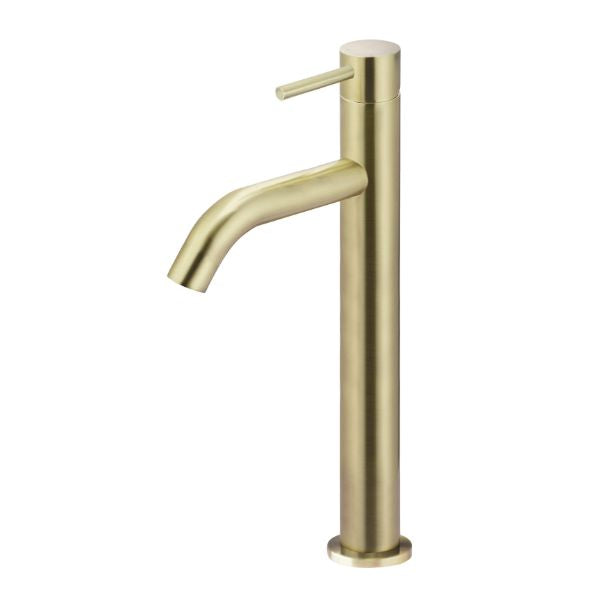
Sold out Meir Piccola Tall Basin Mixer - Tiger Bronze
Checking delivery...$661 -
In StockLifetime Warranty
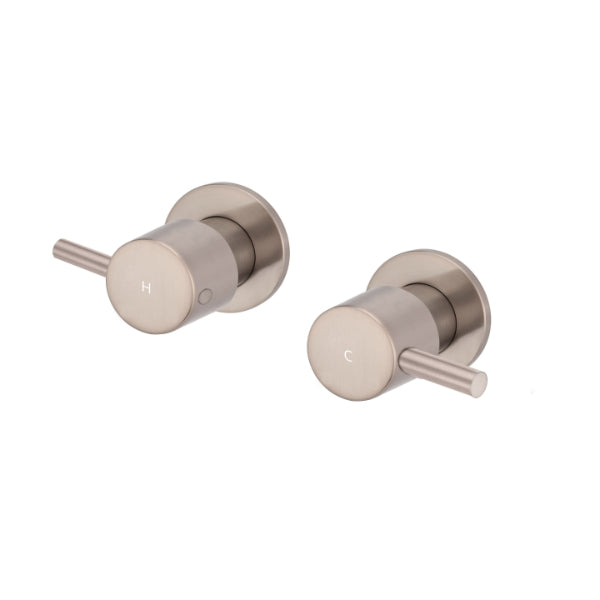
Sold out Meir Round Quarter Turn Wall Top Assemblies Champagne
Checking delivery...$436 -
Lifetime Warranty
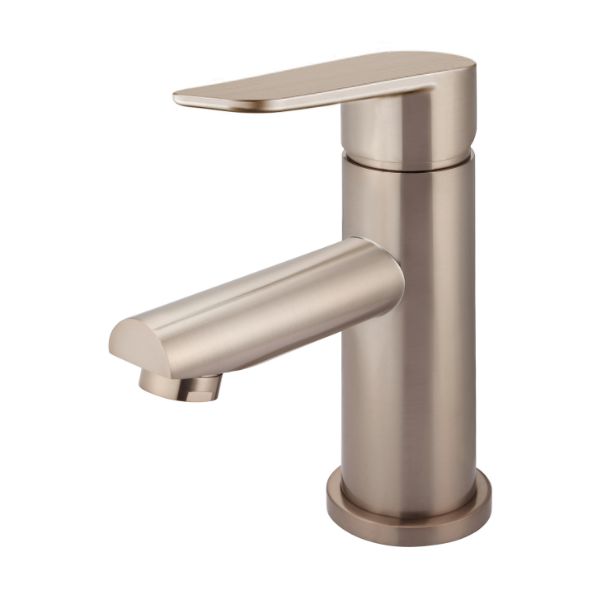
Sold out Meir Paddle Round Basin Mixer - Champagne
Checking delivery...$549 -
In StockLifetime Warranty
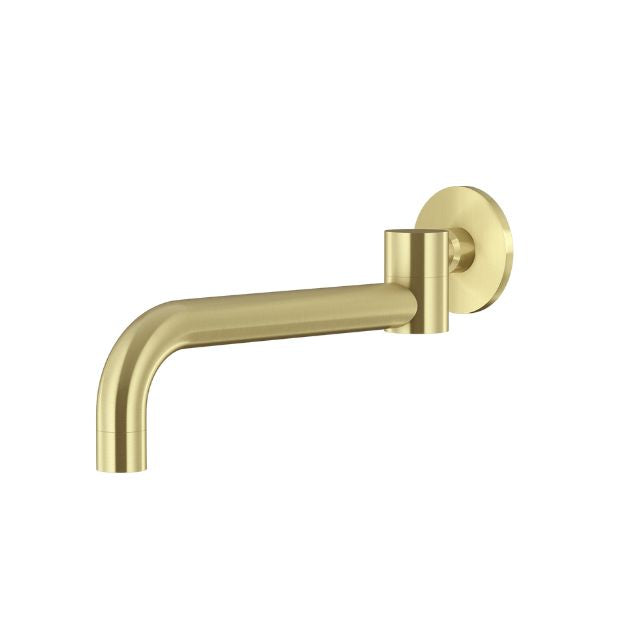
Sold out Meir Wall Swivel Spout Tiger Bronze
Checking delivery...$424 -
Lifetime Warranty
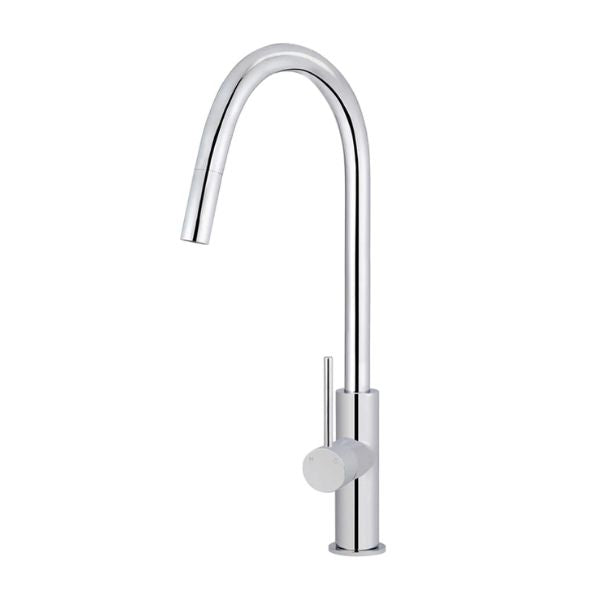
Sold out Meir Round Piccola Pull Out Kitchen Mixer - Chrome
Checking delivery...$724 -
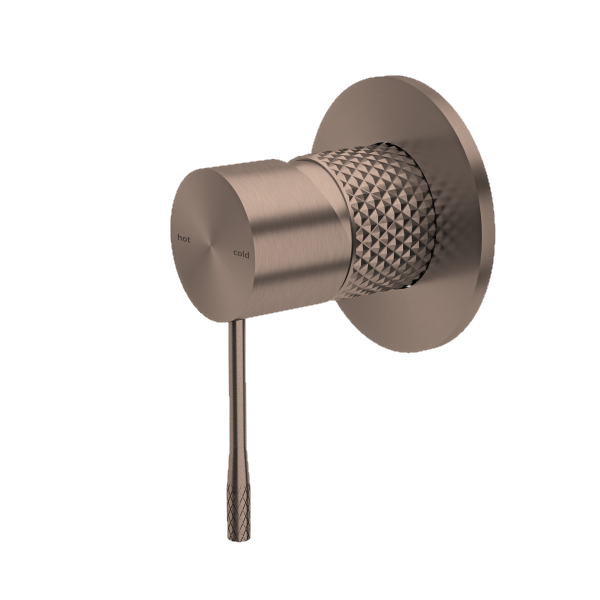
Sold out Opal Shower Mixer Brushed Bronze
Checking delivery...$484 -
-
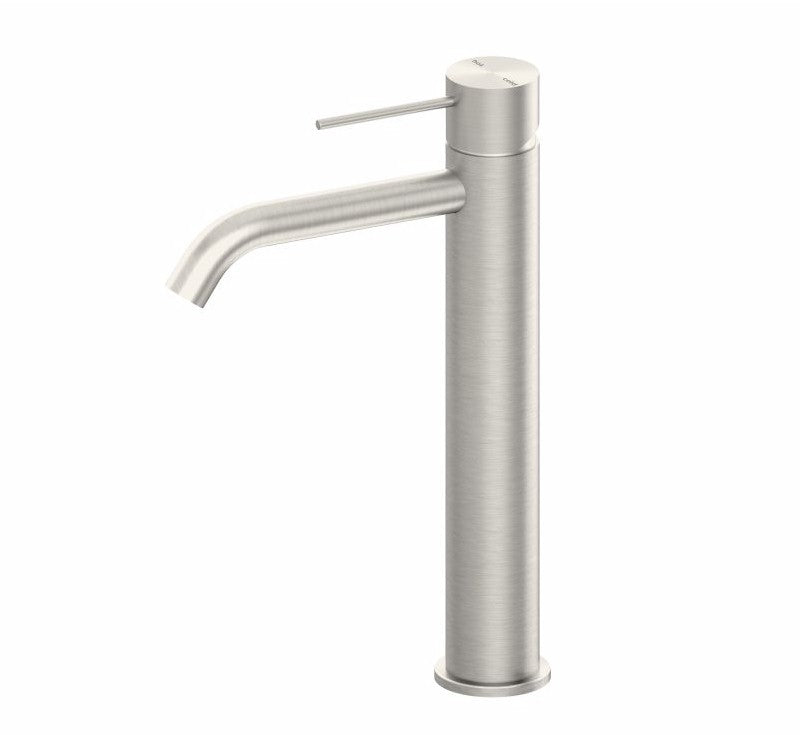
Sold out Nero Mecca Tall Basin Mixer Brushed Nickel
Checking delivery...$491 -
Lifetime Warranty
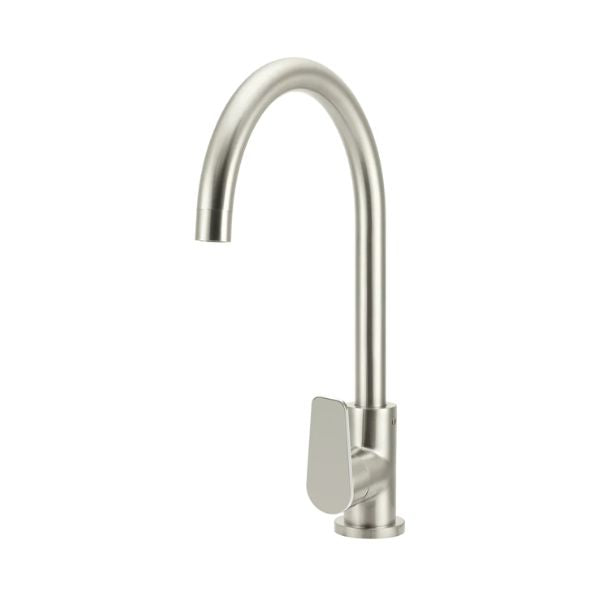
Sold out Meir Paddle Round Gooseneck Kitchen Sink Mixer Tap Brushed Nickel
Checking delivery...$724 -
Lifetime Warranty
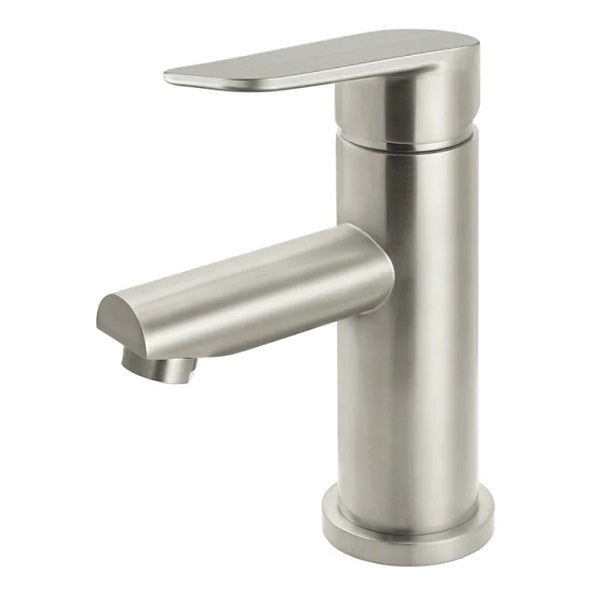
Sold out Meir Paddle Round Basin Mixer - Brushed Nickel
Checking delivery...$549 -
Lifetime Warranty
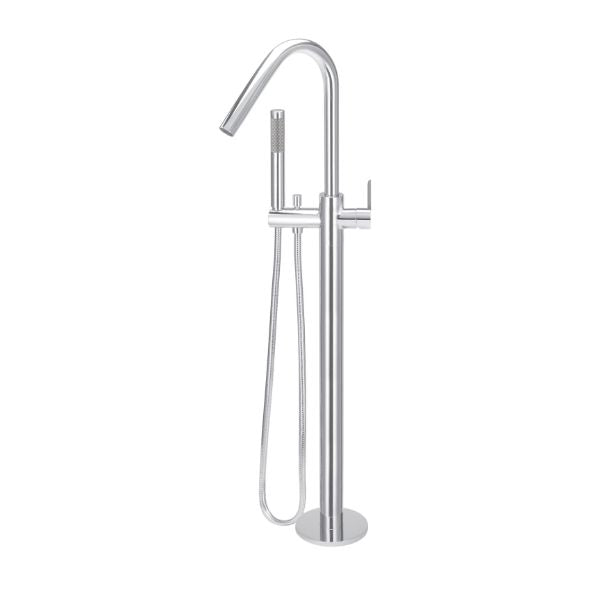
Sold out Meir Paddle Round Freestanding Bath Spout and Hand Shower Chrome
Checking delivery...$1,999 -
Lifetime Warranty
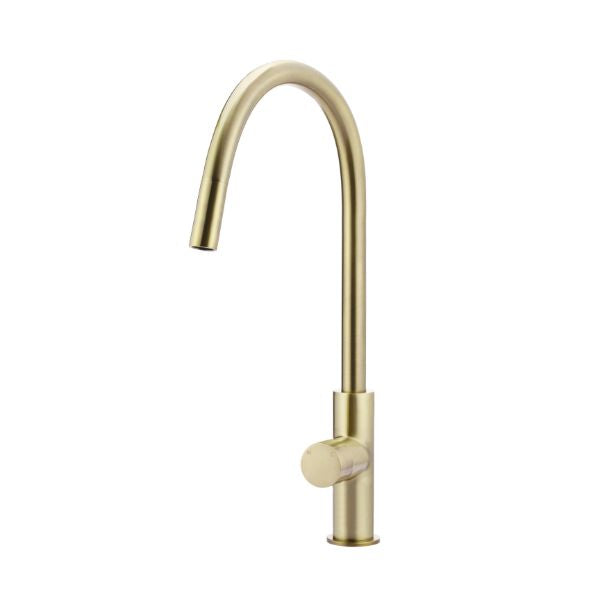
Sold out Meir Pinless Round Pull Out Kitchen Sink Mixer Tap Tiger Bronze
Checking delivery...$999 -

Sold out Nero Mecca Sensor Taps Matte Black
Checking delivery...$848 -
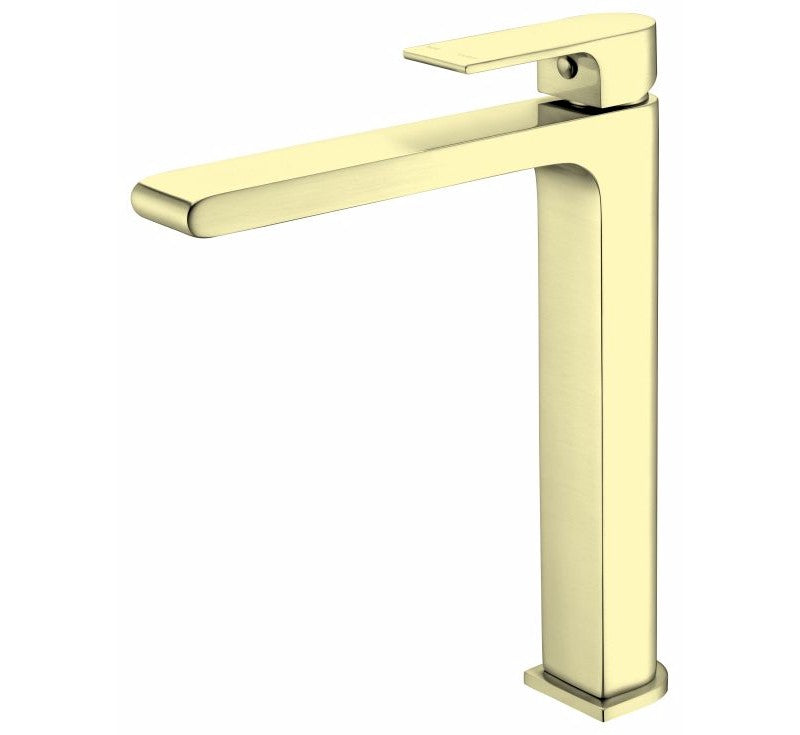
Sold out Nero Bianca Tall Basin Mixer Brushed Gold
Checking delivery...$579 -
In Stock
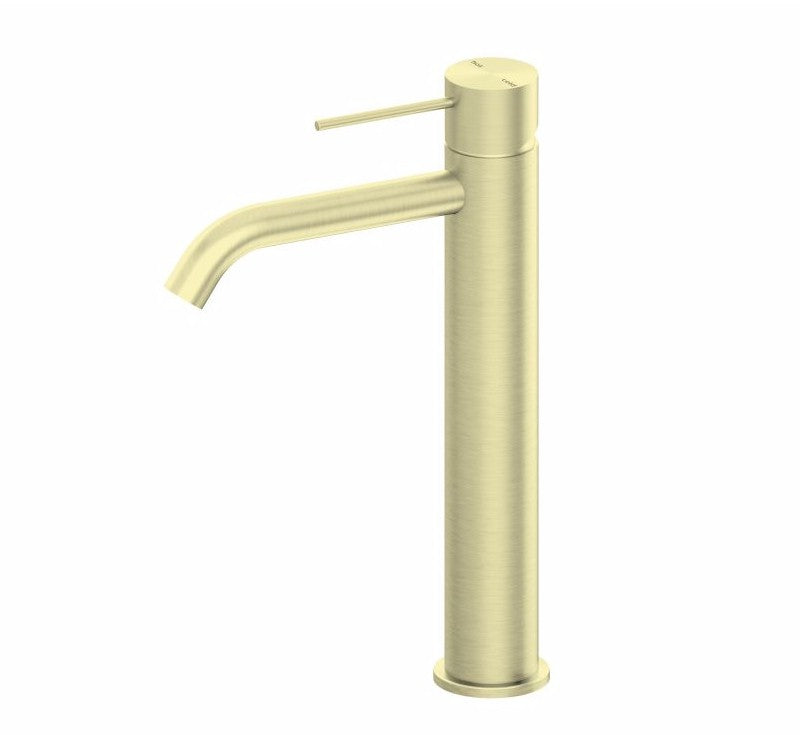
Sold out Nero Mecca Tall Basin Mixer Brushed Gold
Checking delivery...$552 -

Sold out Nero Mecca Hob Basin Mixer Round Swivel Spout Brushed Bronze
Checking delivery...$807 -

Sold out Nero Mecca Tall Basin Mixer Brushed Bronze
Checking delivery...$552 -
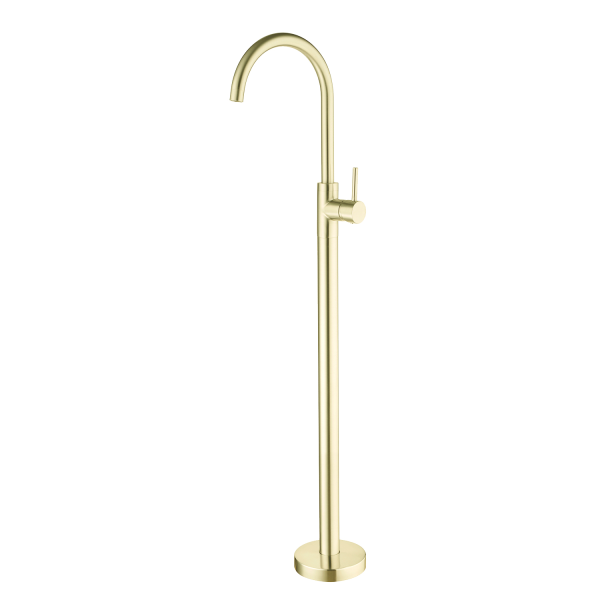
Sold out Nero Mecca Freestanding Bath Mixer Brushed Gold
Checking delivery...$1,346 -
Lifetime Warranty

Sold out Meir Round Curved Spout 200mm - Shadow
Checking delivery...$249 -


Taps buying guide
Taps are the fittings you use most in a bathroom, kitchen or laundry, so the choice is worth making with a plan. This page is the starting point for every tap we sell. It covers the three decisions that sort the range, which are the type of tap, the way it mounts and the finish, and then sends you to the collection that goes deeper on each. If you already know the room, the finish or the brand, use the links below and skip ahead.
Start with the type of tap
There are two basic designs. A mixer has one lever that sets temperature and flow, and it works with one hand. A retailer guide adds that a mixer mixes the water before it leaves the spout, which reduces the risk of scalding, and that setting the temperature in one movement can reduce wasted water. A three piece set uses two separate taps, one hot and one cold, with a spout between them. Another guide says the separate taps allow finer control of temperature and flow, and the look is classic, but the set needs more bench space. Mixers suit most modern bathrooms and kitchens. Three piece sets suit traditional rooms and anyone who prefers the feel of two handles. See three piece bathroom taps and bathroom taps and mixers.
Taps for the basin
For the vanity basin, the main choice is a basin mixer. Bathroom basin taps also include three piece basin sets and wall mounted sets. Tall basin mixers stand higher on the bench and are the usual choice for an above counter or vessel basin, because those basins need the extra clearance. Inset and undermount basins suit standard height mixers or three piece sets, and a lower mixer reduces splashback. Basin spouts without a control are sold separately as spouts, for use with a wall control.
Taps for the bath and shower
For the bath, you choose between a wall mounted spout, a hob mounted spout on the deck of a built-in bath, and a floor mounted freestanding bath mixer that stands beside a freestanding bath. Bath fillers and shower and bath taps cover the combinations, and shower mixers control the shower. A stockist lists swivel wall spouts in 180mm and 220mm lengths, and the length matters: measure the distance from the wall to where the water should fall, because that sets the spout you need. Shower plates come in round and square, in 60mm and 80mm sizes, or with a separate back plate.
Taps for the kitchen and laundry
A standard sink mixer is the simple choice for the kitchen. A gooseneck sink mixer has a tall curved spout that pairs with a deep sink, and a pull out sink mixer draws out of the spout so you can reach the corners of the sink, rinse produce, fill pots and clean large trays. Slimline styles suit small kitchens with tight bench space. A supplier guide advises checking the clearances and the bench thickness, particularly for tall, pull out and filtered models. A pot filler mounts on the wall behind the cooktop, and filtered water taps deliver filtered water at the sink. See all kitchen taps. For the laundry, laundry taps serve the trough and washing machine sets supply the machine. Hob mixers mount on the bench or hob, and outdoor taps are made for outdoor use.
Sensor and accessible taps
A sensor basin mixer starts the water when hands are present, so children do not need to turn the tap, and a buying guide notes that it suits commercial rooms because it reduces cross-contamination. A care mixer has an extended handle for people who need assistance. See electronic sensor taps and accessible taps. Lever handles are generally easier to operate than a round or cross handle.
Choosing the handle
A plumbing supplier's guide separates the handles into two types. A pin lever is minimalist and easy to use. A paddle handle is wider and has a more indulgent look. Cross handles belong with three piece sets and traditional rooms. A knurled handle, which has a textured grip, is one of the details retailer trend guides name for 2026, along with faceted forms and ribbed knobs. Pick the handle by how you want to use it, then match the finish to it.
Mounting: decide this first
A retailer guide says to choose the installation method first, then how easily the tap can be serviced, then the look. Stockists sort tapware into bench mount, wall mount, floor mount, outdoor and kitchen. Wall mounted tapware saves bench space and gives a clean look, but the plumbing is roughed in before tiling, so the decision is locked once the tiles go on. It needs a wall water inlet and exact plumbing measurements, and stockist guides put the typical pipe centres at 150mm for wall sets. Basin mounted taps are more forgiving and suit most standard Australian vanity setups. Wall, hob or floor mounting also changes labour and future servicing. See wall basin and bath mixer sets.
What to measure before you order
- The tap hole on the basin. Most standard Australian basin mixers need a single hole of 35mm.
- The distance between the hot and cold supply lines.
- Basin depth and rim height, so the spout clears the rim.
- Spout reach, so the water reaches the basin without splashing.
- Water pressure. Long reach and high spout taps need more pressure, and compact basin taps suit lower pressure systems better.
- For wall sets, the pipe centres, and whether the listing sells the trim only, a spout only or a complete set.
If you are buying the tap and the basin separately, match the tap to the basin's tap hole position and its minimum depth. See bathroom basins.
Cartridge and body
Retailer guides recommend a solid brass body and a ceramic disc cartridge. A ceramic disc cartridge uses two ceramic plates to control the water, and the guides describe it as smoother, better at shutting off over time and less prone to dripping than older designs. Check that a local plumber can source replacement cartridges, aerators and handle parts before you buy. Stainless steel is the alternative body material, and 316 grade is the one stockists recommend where corrosion resistance matters most, such as outdoors. See stainless steel tapware.
Lead-free tapware
The National Construction Code requires lead-free tapware at the point of installation in Australia from 1 May 2026. Clause A5G4 of the Plumbing Code in NCC 2022 Volume Three sets the limit: copper alloy plumbing products in contact with drinking water must have a weighted average lead content of no more than 0.25 percent. The rule applies to products that contact drinking water, so the kitchen tap and the basin tap are the ones to check. Check the product listing for lead-free status, or ask the supplier. See lead-free taps.
Water efficiency and flow
WELS is the Australian water efficiency label, and more stars means greater efficiency. One stockist guide recommends using the rating as a screening tool, because it does not tell you whether the tap suits your basin, your pressure or your daily use. Aerators mix air into the stream for a softer, fuller flow, and a cold start cartridge keeps hot water from firing for a quick task such as washing hands. Check the WELS information for each individual product, because the finish does not decide the rating. Check WaterMark approval as well: it affects legal installation in Australia.
Which style suits which home
A 2026 retailer guide says traditional homes often suit three piece basin sets, while modern designs with clean lines often suit refined bath spouts. Rounded silhouettes, with rounded spouts, curved levers and slim tapered handles, have become standard in contemporary bathrooms because they soften the visual weight of tiles, screens and cabinetry. Wall mounted mixers and slim profiles open up the space above the vanity, but a wall mounted design needs careful alignment to be comfortable to use. A bridge style, the classic two handle tap with a spout across the top, is returning with cleaner lines and finer proportions, according to another guide. Some assembly style taps, sold as a body with a separate handle, let you change the handles after installation to change the look or the finish.
Mixers for the bath and shower systems
Stockists list bath and shower mixers with diverters, wall mounted bath mixers with spouts, bench mounted bath mixers and floor mounted bath mixers as separate groups. One 2026 guide notes that shower systems can have specific mixer requirements tied to the layout, so check what the shower needs before you choose the control. Mixer height and spout projection also decide how water lands in the basin, so a tap that looks right in a photograph can still be wrong for your vanity.
Choosing a finish
Finish is the last decision, and the guides agree on the practical facts. Chrome is the easiest to care for and the easiest to match later, but it shows fingerprints and water spots. Brushed finishes hide marks better. Matte black is sharp but shows soap residue and scratches more readily. Each finish has its own collection with its own guide:
- Chrome taps suit white tiles and classic and Hamptons rooms.
- Black taps give contrast against white basins, pale tiles and timber vanities.
- Brushed nickel tapware is a soft, warm silver that works with stone, timber and neutral palettes.
- Brushed brass taps and gold taps suit timber, warm whites and marble.
- Bronze taps suit earthy tones, organic materials and dark tiles.
- Gunmetal tapware suits dark cabinetry and concrete-look tiles.
- White tapware suits Scandinavian and minimal rooms, and a retailer trend guide calls matte white a softer alternative to black against grey terrazzo and marble.
- Champagne taps are a softer, rosier alternative to full gold.
Keep one finish through the room. If you mix, limit the space to two finishes: let one lead and use the other as an accent. Mixing warm with cool is harder than mixing two warm finishes or two cool ones. Trend guides for 2026 describe warm metals replacing the era of everything in matte black, and gunmetal as the dark finish that has taken matte black's place. They add that charcoal, graphite and soft noir are gentler alternatives to matte black, that graphite shows fewer fingerprints than standard matte black, and that bronze and muted earthy tones are a richer, understated alternative to brass. When finishes are mixed, the same guide says combinations are more tonal than before, for example brushed nickel with soft brass or graphite with champagne accents. It adds that repeating the accent finish somewhere else in the room, such as a vanity handle, a framed mirror or a feature light, ties it together. Treat trends as options, and choose the finish that fits your tile, your vanity and your light.
How to check a finish before you buy
Supplier guides suggest three practical tests. First, view a sample in daylight and at different times of day, because natural light changes how a finish looks. Second, match the undertone of the tap to your tiles, benchtops and cabinetry: warm, layered interiors suit brushed nickel, champagne or clay tones, while graphite and soft noir suit stronger stone patterns and richer colours. Third, look at construction, not only at the colour. The finish type, the internal cartridge construction and the overall weight of the tap are useful indicators of quality. A stockist lists the coating processes behind its finishes as electroplating, PVD and a lacquer, depending on the finish, and a trend guide describes PVD coatings as durable and widely available, so ask which process the listing names.
Looking after your taps
Wipe taps with a soft cloth and warm water, and add a mild non-abrasive soap if needed. Avoid harsh chemicals, abrasive cleaners and scouring pads, which scratch coatings. A supplier guide says the most effective habit is to stop water drying on the tap, especially in hard water areas. Matte and PVD finishes need gentle wiping, and chrome can be polished now and then. In coastal and humid areas, buying guides point to brushed stainless steel, PVD coated matte black or brass, and well plated chrome. A PVD coating is a hard coating bonded to the surface, which stockists name for gunmetal, brass and nickel finishes.
Can you replace a tap yourself
The rules depend on the state. A guide that sets them out says Western Australia and Victoria do not allow homeowners to replace kitchen or bathroom taps without a licensed plumber. It says New South Wales treats kitchen taps as part of the drinking water system, which also needs a licensed plumber. In Queensland, the unregulated jobs it lists are changing a shower head, a tap washer or jumper valve, or a water filter cartridge. Across the states it describes, homeowners may change a shower head or a tap washer. The same guide says do-it-yourself work can affect your insurance, that some products need professional installation for their conditions to apply, and that local council requirements may apply. Check your state's regulator, or use a licensed plumber. Plumbing suppliers recommend a licensed plumber in any case, so that the installation meets the rules.
Coordinating taps with the rest of the room
A stockist guide says to coordinate the tapware with the shower heads, screens, basins, baths and toilets. Another says to check that your chosen finish is available for each fitting you want, including basin and wall mixers, shower fittings, towel rails, toilet roll holders and robe hooks, before you commit. A common approach is to keep all the plumbing, meaning the taps and the shower, in one finish and to use a second metal for lights or cabinet handles. Finishes vary a little from one maker to the next, so a full suite from one brand matches more closely. One manufacturer's guide says bathrooms are typically renovated about every 15 years, which is a reason to choose a solid body and a durable finish over a trend you may tire of.
If you are replacing a tap on an existing basin, the hole matters more than the style. Check how many holes the basin has and how large they are, because that limits what fits. Measure the hole, the supply spacing and the spout reach before you pick the tap, and keep the old fitting's measurements to compare. The usual single hole for a basin mixer is 35mm.
Shop by brand
If you already know the brand, start with these brand and tap collections.
- Nero taps
- Meir taps
- Fienza taps
- Caroma taps
- Phoenix taps
- Dorf taps
- Greens tapware
- Clark taps
- Seima taps
- Modern National tapware
- Oliveri tapware
Guides from Australian retailers name matching as the reason to stay with one brand: when the basin mixer, shower, bath outlet and accessories share a finish and a maker, the finish matches more closely than across brands.
Complete the room
Choose the taps with the basin, the shower and the accessories in mind. A stockist guide says to coordinate tapware with the shower heads, screens, basins, baths and toilets, so see bathroom accessories in the same finish once the taps are chosen.

