


Brushed Brass Showers
91 Items
-

Sold out Caroma Luna Fixed Overhead Shower Brushed Brass
Checking delivery...$380$0 (-0%) offRRP of $380 -
In Stock

Sold out Caroma Luna Multifunctional Rail Shower Brushed Brass
Checking delivery...$357$0 (-0%) offRRP of $357 -
In Stock

Sold out Caroma Contura II Rail Shower - Brushed Brass
Checking delivery...$760$0 (-0%) offRRP of $760 -

Sold out Caroma Contura II Compact Twin Shower - Brushed Brass
Checking delivery...$1,301$0 (-0%) offRRP of $1,301 -
In Stock

Sold out Caroma Urbane II Rail Shower Brushed Brass
Checking delivery...$721$0 (-0%) offRRP of $721 -

Sale On Now!
Up to 70% off across the store, plus free towels and mirrors up for grabs on orders over $800*
-
In Stock

Sold out Caroma 300mm Square Rain Shower - Brushed Brass
Checking delivery...$696$0 (-0%) offRRP of $696 -

Sold out Caroma 200mm Square Rain Shower - Brushed Brass
Checking delivery...$633$0 (-0%) offRRP of $633 -

Sold out Caroma 415mm Right Angled Shower Arm - Brushed Brass
Checking delivery...$229$0 (-0%) offRRP of $229 -
In Stock

Sold out Caroma 460mm Upswept Shower Arm - Brushed Brass
Checking delivery...$212$0 (-0%) offRRP of $212 -
-
In Stock

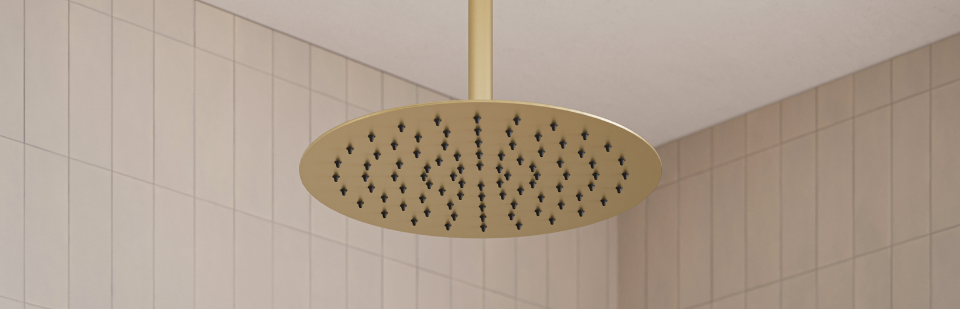
Sold out Caroma 200mm Round Rain Shower - Brushed Brass
Checking delivery...$633$0 (-0%) offRRP of $633 -
In Stock

Sold out Caroma Urbane II Hand Shower Brushed Brass
Checking delivery...$640$0 (-0%) offRRP of $640 -
In Stock

Sold out Caroma Contura II 300mm Rain Shower - Brushed Brass
Checking delivery...$628$0 (-0%) offRRP of $628 -
In Stock

Sold out Caroma Upswept Shower Arm - Brushed Brass
Checking delivery...$285$0 (-0%) offRRP of $285 -
In Stock

Sold out Caroma 300mm Ceiling Shower Arm - Brushed Brass
Checking delivery...$196$0 (-0%) offRRP of $196 -
-
In Stock

Sold out Caroma Luna Multifunctional Hand Shower Brushed Brass
Checking delivery...$244$0 (-0%) offRRP of $244 -
In Stock

Sold out Caroma Contura II Hand Shower - Brushed Brass
Checking delivery...$776$0 (-0%) offRRP of $776 -
In Stock

Sold out Caroma Luna Straight Arm 210mm Brushed Brass
Checking delivery...$166$0 (-0%) offRRP of $166 -
In Stock

Sold out Caroma Luna Right Angle Shower Arm Brushed Brass
Checking delivery...$166$0 (-0%) offRRP of $166 -

Sold out Caroma Luna Straight Arm 410mm Brushed Brass
Checking delivery...$273$0 (-0%) offRRP of $273 -

Sold out Caroma Urbane II Universal Rail Shower - Brushed Brass
Checking delivery...$929$0 (-0%) offRRP of $929 -

Sold out Caroma Contura II Handset - Brushed Brass
Checking delivery...$312$0 (-0%) offRRP of $312


What a brushed brass shower head is
A brushed brass shower head is a head with a brass body and a brushed finish: a fine, directional grain in a warm golden tone, sealed under a coating so the colour holds. Brass itself is an alloy, typically of copper and zinc, and its colour runs from yellow to reddish depending on the copper content. In this collection the finish is mostly PVD. The range covers brass and brushed brass shower heads, roses, rails, hand showers, arms and sets, and it also covers antique and aged brass as a finish.
The head is only one part of a brass shower. For the fixed head on its own, see shower roses. For a sliding hand shower, see shower rails. For a hand shower alone, see hand held shower heads. The full range sits in showers.
Is brass good for a shower head?
Yes, and the reasons come from the metal and the finish together. Brass does not rust the way steel does, and solid brass and stainless steel both rank ahead of ABS plastic for corrosion resistance, which matters most in humid bathrooms. What changes the look over the years is the finish on top and whatever sits on the surface. Water spots, mineral deposits and harsh cleaners are the usual culprits. A brass head with a good coating and a simple care routine is a durable choice, and a brass head left to hard water with no wiping is not.
Two questions come up often: will brass rust in the shower, and what is the best metal for a shower head? Brass does not rust, although a coating can wear or a surface can spot. No single metal wins. Stainless steel and solid brass are the ones that resist corrosion, and the finish and the care decide the rest. For outdoor or coastal use, 316 marine grade stainless steel is the safer base; see outdoor showers.
Brushed brass, antique brass and raw brass: three different finishes
The word brass covers finishes that look and age differently, and three matter here.
- Brushed brass is solid brass with a bright golden warmth and smooth, fine directional lines, protected by a durable PVD coating that keeps maintenance low. It suits coastal, modern, Hamptons and Mediterranean interiors and pairs with marble, travertine, terrazzo and neutral cabinetry.
- Antique aurum is a deep vintage gold with a subtle organic texture from vibratory tumbling, sealed with PVD so it does not develop a patina. It suits traditional, farmhouse and heritage settings and high-traffic bathrooms.
- Tumbled aged brass is raw, uncoated solid brass. It develops a natural patina: frequently touched areas lighten, untouched areas deepen and oxidise, and green flecks can appear as the brass reacts with moisture and air. It suits heritage, rustic and character-driven spaces.
That distinction answers the most common worry. If a piece is brushed brass with a PVD finish, the colour is sealed and you are not signing up for a patina. If a piece is raw or aged brass, the change over time is the point. A lacquered brass piece is a different construction again. A clear lacquer protects it by keeping air, skin oils and moisture off the metal, and harsh cleaning or abrasives can remove that lacquer, after which uncoated brass gradually darkens into a patina. Know which of these you are buying before you decide.
Brushed brass or gold: how the tones differ
Brass and gold finishes sit next to each other on the shelf and do not match. Brushed brass is warm, a golden yellow with an almost reddish hue and a traditional or vintage feel. Brushed gold is brighter, with a vivid gold tone and a more polished look suited to modern, lighter schemes. Brushed gold is typically a finish applied to gold-plated or gold-coloured metal on a brass or stainless steel base, which is why the two can differ even when the base metal is the same. For the gold range, see gold showers, and for the darkest warm option, bronze showers.
PVD, electroplating and what the coating does
The coating decides how a brass finish wears. PVD, physical vapour deposition, applies a very thin, dense layer in a vacuum chamber. The layer bonds with the base metal instead of sitting on top, so it resists chipping, peeling and flaking. PVD rates very high for durability and scratch resistance and excellent for colour longevity. Electroplating deposits a metal layer through an electrochemical process. The layer sits on the surface, rates moderate, and can fade or wear over time. Paint is the weakest, vulnerable to chipping, fading and wear in wet areas, and powder coating sits between, with a more limited range of looks in tapware.
Cleaning a brushed brass shower head
The routine is short. Wipe the head with a soft cloth, dry it after each shower, and do not leave water to evaporate on the surface. Use warm soapy water for marks and limescale, then rinse well and dry carefully, because drying prevents water marks and keeps the shine. A soft lint-free cloth is the right tool, and it helps to keep one near the shower so the habit sticks.
What to avoid matters just as much. Do not use abrasive pads, scouring brushes or abrasive cloths. Do not use harsh or acidic chemicals, and do not leave cleaner sitting on the surface. Bleach, vinegar and nail polish remover all affect the finish. Plain chrome or plastic heads can take a vinegar soak, but a brass or PVD finish cannot, so the safe default is warm soapy water. Acetic acid, hydrochloric acid and chlorine bleach are the agents to avoid, and a mild citric-acid cleaner is the safer choice. Rub silicone nozzles with your finger to lift scale, and use a wooden toothpick rather than a metal needle for a single blocked hole.
Coated, lacquered or raw: how each brass finish ages
Brass finishes age in three different ways, and the care that suits one damages another.
- PVD brushed brass is designed not to tarnish or develop a patina if properly cared for, and it outlasts conventional electroplating. Clean it weekly with warm, soapy water on a microfibre cloth, wipe in the direction of the brushed grain, and dry it after each use to reduce watermarking.
- Lacquered brass, polished or brushed, is forged brass finished on a wheel and sealed with a clear lacquer to protect the surface. That finish will tarnish eventually and take on an aged look, so keep it dry and clean it with a soft, damp cloth only.
- Raw, unlacquered brass is polished to a mirror finish and develops a patina if left alone. Use metal polish and a soft cloth, with a light coat of beeswax afterwards to slow tarnishing. That routine is for raw brass only and does not belong on a PVD finish.
For the coated finishes, keep away from bleach, highly acidic cleaners, alcohol, mineral-based solvents, scourers and rough brushes. If a cleaner touches the surface, rinse it off right away with warm soapy water. For hard-to-reach areas, diluted toothpaste and water can help restore the finish, which is a milder approach than any solvent. Brushed finishes also resist fingerprints and water spots better than high-gloss alternatives.
Choosing a brass tone for your room
The tone matters more than the name. Lighter brass or gold suits contemporary bathrooms, darker brass leans traditional or heritage, and a muted champagne gives a softer modern look. Surroundings change how the metal reads. It looks strongly golden against white porcelain and more subtle against travertine and timber. Match undertones to materials, because a very yellow gold beside muted beige stone can feel disconnected, while a softer brass or champagne integrates better. Light oak pairs with pale brushed brass for a clean contemporary look, and deeper timber with richer brass creates a more dramatic effect.
Matching brass across the bathroom
Brass reads best when the choice is deliberate. Keep the main plumbing fixtures in one finish and bring a second metal in only through items such as cabinet handles, lighting or accessories. Mixing two warm finishes is possible but not always easy to make look intentional, because their undertones differ. Either match perfectly or contrast boldly: clearly different finishes look deliberate, and close-but-not-quite finishes look like mistakes.
Match the shower to the tapware, not only to the head. Keep the mixer, the rail, the hand shower and the arm in the same range so the finish is consistent. See shower mixers for the controls, and for other finishes in the same shower range, brushed nickel showers, chrome showers and black showers.
What comes in brass in this collection
By use: for a rain-style face see rain showers, for a head from the ceiling see ceiling showers, for two heads see twin shower heads, and for replacement arms see shower arms. The Nero Mecca Care rails are 32 mm and meet the AS 1428.1 requirements for DDA bathrooms.
Pressure, flow and fitting
Most brass models are rated for an operating pressure of 150 to 500 kPa, with WELS ratings from 3 to 5 star. A 10 litre bucket that fills from the shower outlet in under 60 seconds indicates good pressure, and a large face wants good pressure to feel right. Most heads and arms use a 1/2 inch BSP connection, so a like-for-like swap is a small job. Put thread seal tape on the arm thread, seat the washer, hand-tighten and check for drips. If you use a wrench, wrap a cloth around the fitting so the finish is not marked. Changing the arm, the mixer or the pipework needs a licensed plumber. Fixed heads sit at 2000 to 2100 mm to the centre of the arm outlet, or 2100 to 2200 mm for a tall household, and the height should be settled at rough-in before tiling.
Brushed brass by brand
If your tapware is from one range, start from that brand's showers: Nero showers, Caroma showers, Phoenix showers, Meir showers, Fienza showers and Modern National showers. Keeping to one range keeps the brass tone consistent across the head, the rail, the mixer and the accessories.

