


Caroma Contura II Showers
31 Items
-
In Stock
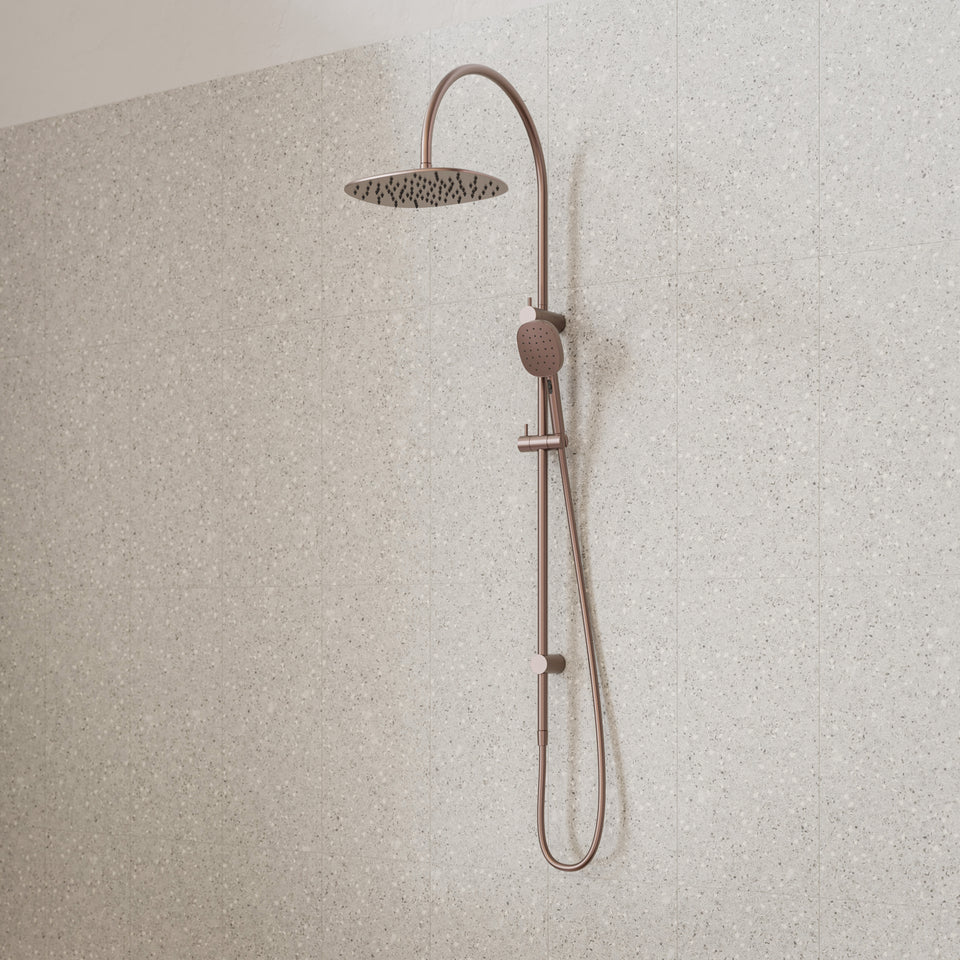
Sold out Caroma Contura II Rail Shower with Overhead - Brushed Bronze
Checking delivery...$1,391$0 (-0%) offRRP of $1,391 -
In Stock
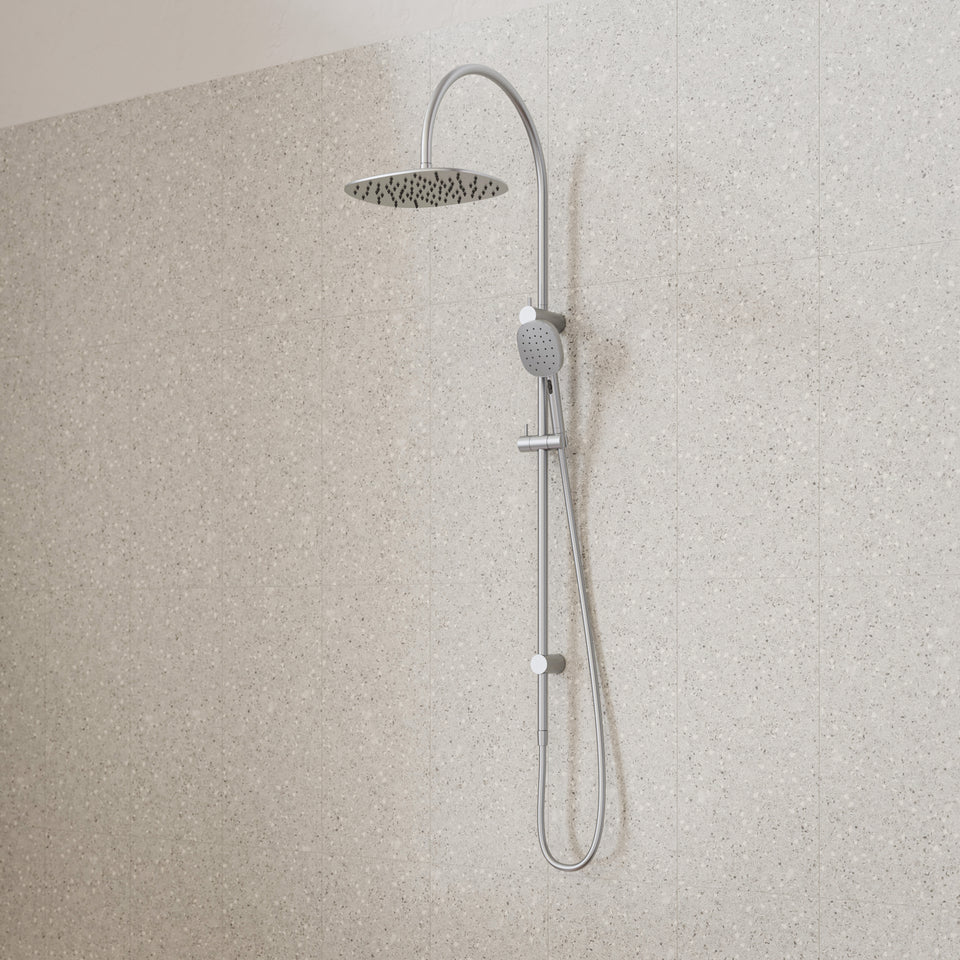
Sold out Caroma Contura II Rail Shower with Overhead - Brushed Nickel
Checking delivery...$1,391$0 (-0%) offRRP of $1,391 -
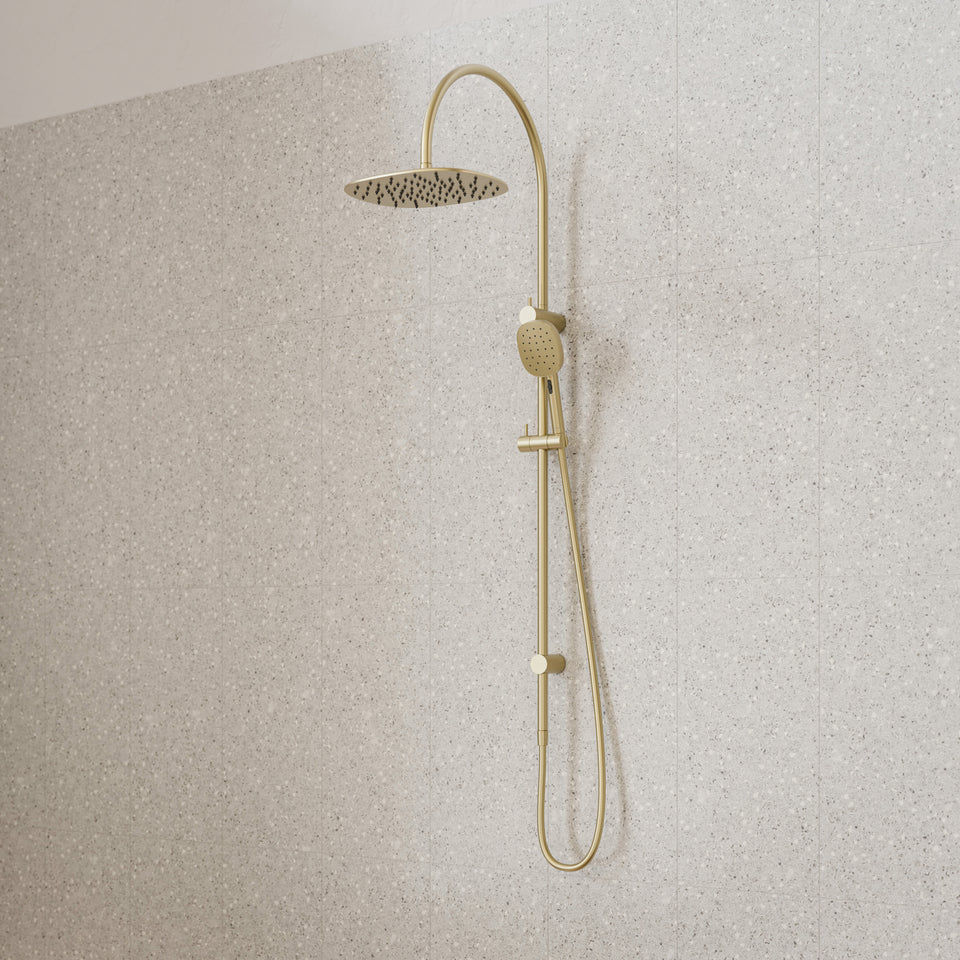
Sold out Caroma Contura II Rail Shower with Overhead - Brushed Brass
Checking delivery...$1,391$0 (-0%) offRRP of $1,391 -
In Stock

Sold out Caroma Contura II 300mm Rain Shower - Brushed Nickel
Checking delivery...$628$0 (-0%) offRRP of $628 -
In Stock

Sold out Caroma Contura II Rail Shower - Brushed Nickel
Checking delivery...$760$0 (-0%) offRRP of $760 -

Sale On Now!
Up to 70% off across the store, plus free towels and mirrors up for grabs on orders over $800*
-

Sold out Caroma Contura II 300mm Rain Shower - Brushed Bronze
Checking delivery...$628$0 (-0%) offRRP of $628 -
In Stock

Sold out Caroma Contura II 300mm Rain Shower - Brushed Brass
Checking delivery...$628$0 (-0%) offRRP of $628 -
In Stock

Sold out Caroma Contura II Hand Shower - Brushed Brass
Checking delivery...$776$0 (-0%) offRRP of $776 -
In Stock

Sold out Caroma Contura II Hand Shower - Brushed Nickel
Checking delivery...$776$0 (-0%) offRRP of $776 -
-

Sold out Caroma Contura II Rail Shower - Brushed Bronze
Checking delivery...$760$0 (-0%) offRRP of $760 -
In Stock
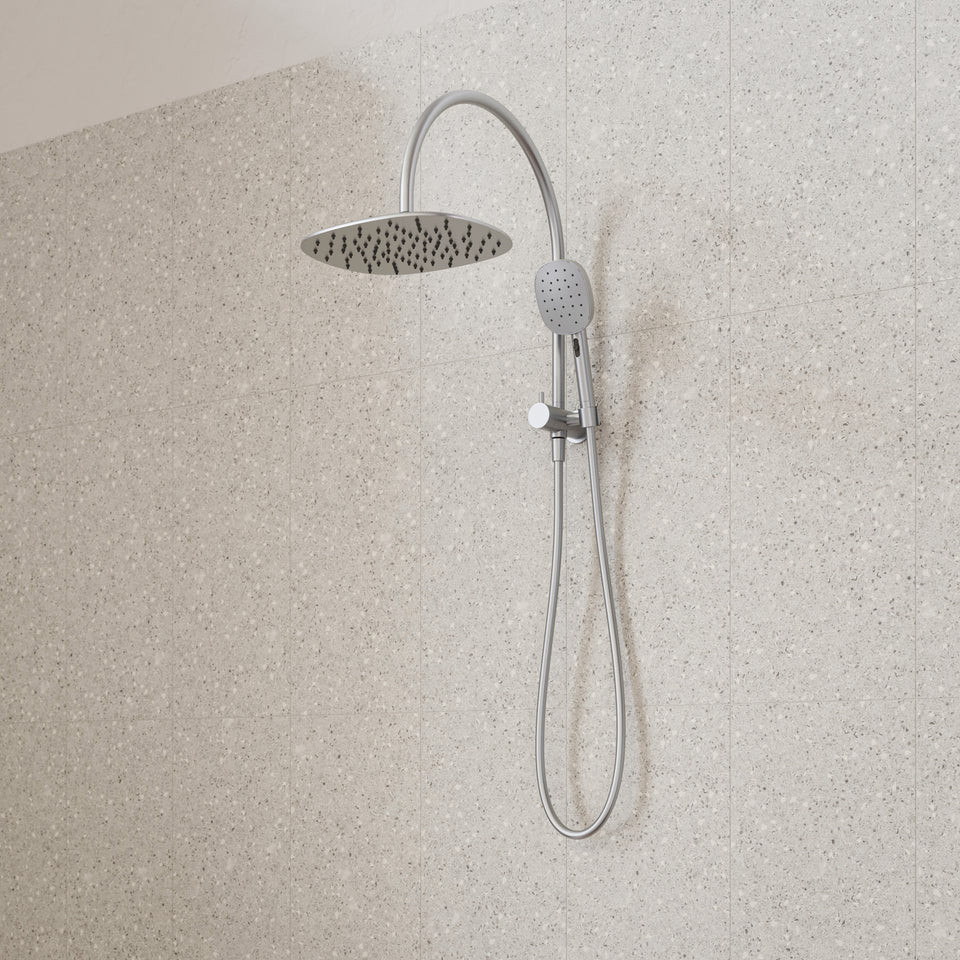
Sold out Caroma Contura II Compact Twin Shower - Brushed Nickel
Checking delivery...$1,301$0 (-0%) offRRP of $1,301 -

Sold out Caroma Contura II Hand Shower - Brushed Bronze
Checking delivery...$776$0 (-0%) offRRP of $776 -
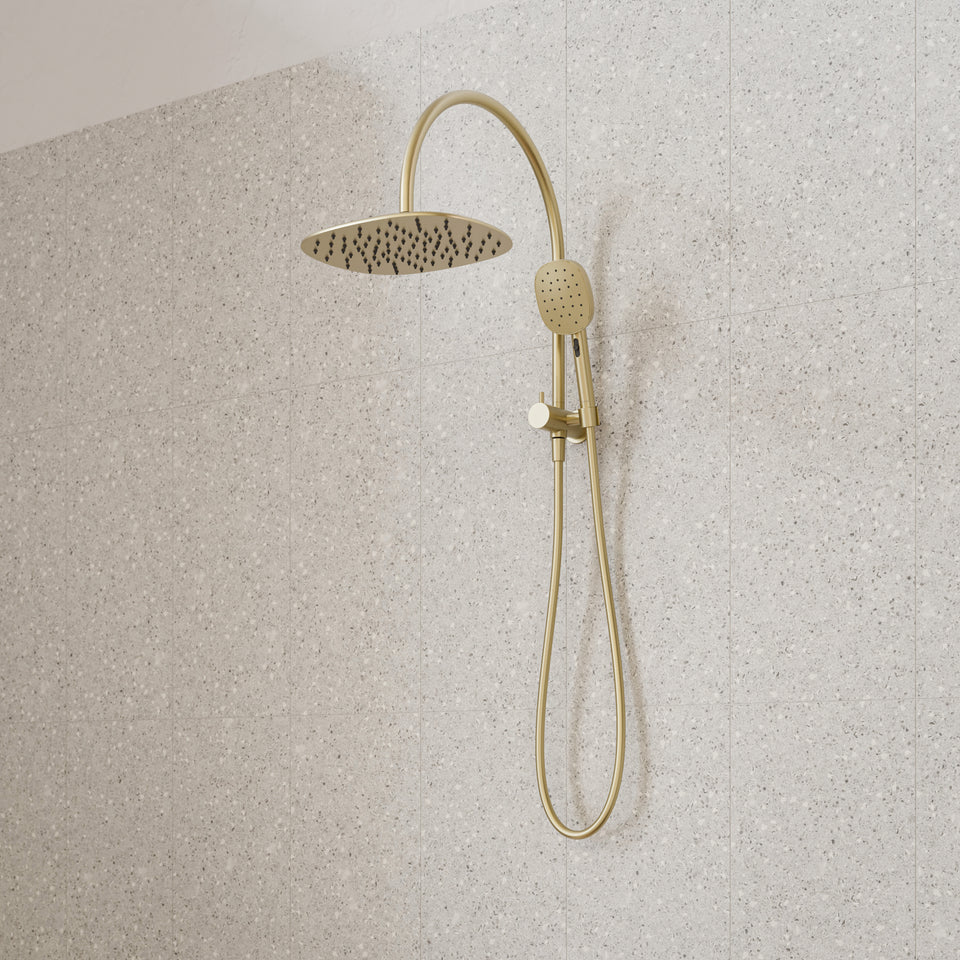
Sold out Caroma Contura II Compact Twin Shower - Brushed Brass
Checking delivery...$1,301$0 (-0%) offRRP of $1,301 -
In Stock

Sold out Caroma Contura II Rail Shower - Chrome
Checking delivery...$584$0 (-0%) offRRP of $584 -
-
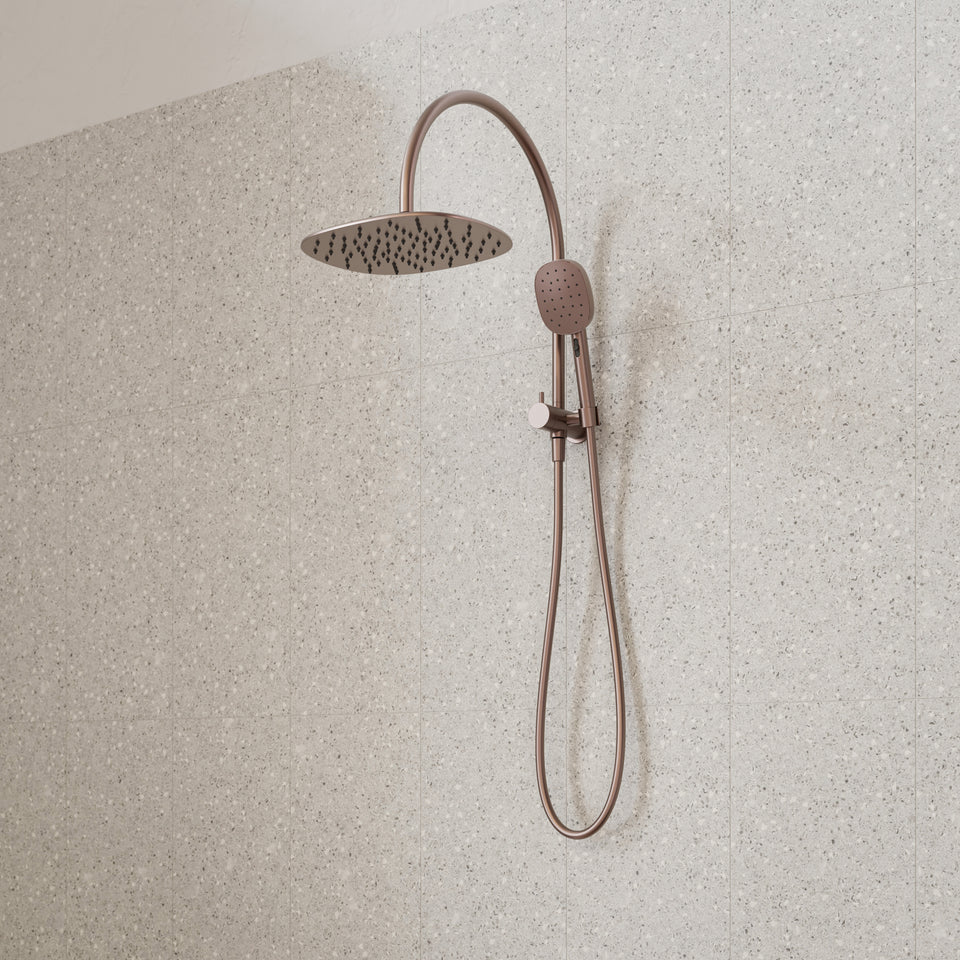
Sold out Caroma Contura II Compact Twin Shower - Brushed Bronze
Checking delivery...$1,301$0 (-0%) offRRP of $1,301 -
In Stock
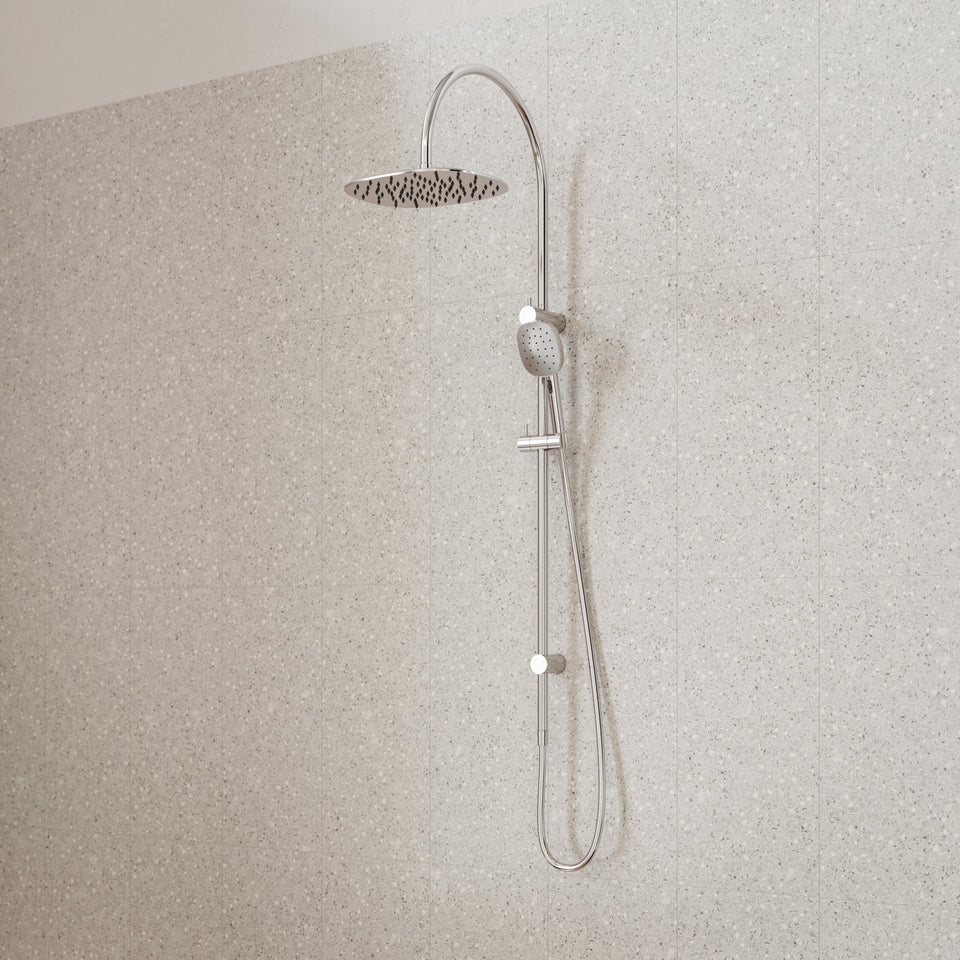
Sold out Caroma Contura II Rail Shower with Overhead - Chrome
Checking delivery...$1,068$0 (-0%) offRRP of $1,068 -

Sold out Caroma Contura II Handset - Chrome
Checking delivery...$240$0 (-0%) offRRP of $240 -
In Stock
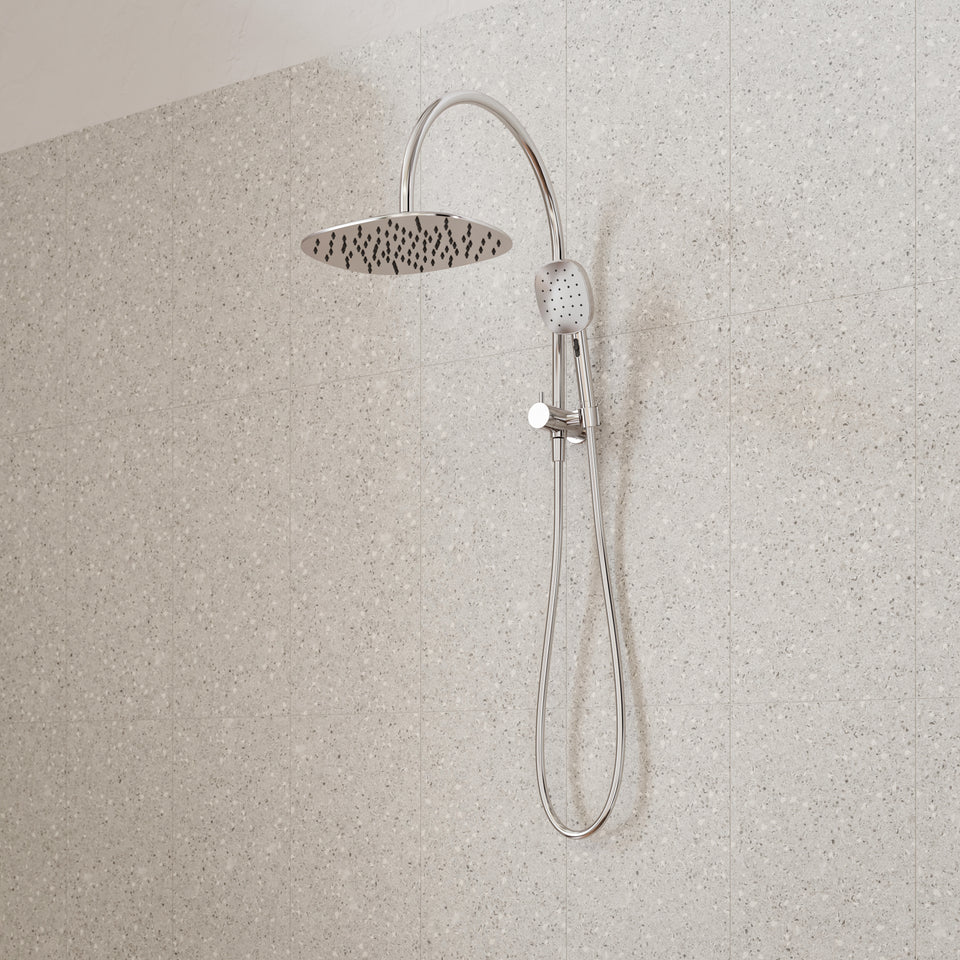
Sold out Caroma Contura II Compact Twin Shower - Chrome
Checking delivery...$1,004$0 (-0%) offRRP of $1,004 -
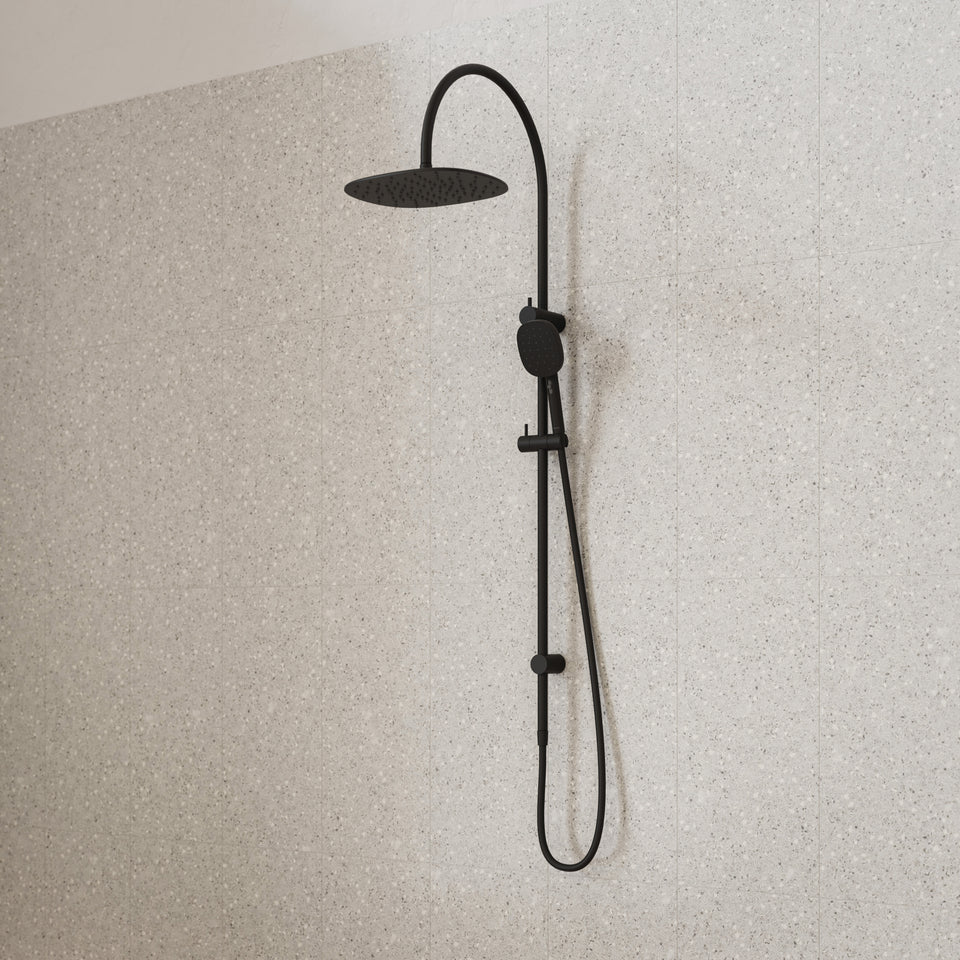
Sold out Caroma Contura II Rail Shower with Overhead - Black
Checking delivery...$1,171$0 (-0%) offRRP of $1,171 -

Sold out Caroma Contura II 300mm Rain Shower - Black
Checking delivery...$532$0 (-0%) offRRP of $532 -
In Stock

Sold out Caroma Contura II Rail Shower - Brushed Brass
Checking delivery...$760$0 (-0%) offRRP of $760 -

Sold out Caroma Contura II Rail Shower - Black
Checking delivery...$643$0 (-0%) offRRP of $643 -

Sold out Caroma Contura II 300mm Rain Shower - Chrome
Checking delivery...$469$0 (-0%) offRRP of $469 -
-

Sold out Caroma Contura II Hand Shower - Chrome
Checking delivery...$607$0 (-0%) offRRP of $607 -

Sold out Caroma Contura II Handset - Brushed Nickel
Checking delivery...$312$0 (-0%) offRRP of $312 -

Sold out Caroma Contura II Handset - Brushed Brass
Checking delivery...$312$0 (-0%) offRRP of $312 -
$74 Off RRP

Sold out Caroma Contura II Gooseneck Shower Arm - Gunmetal
Checking delivery...$293$74 (-20%) OFFRRP of $367$74 (-20%) offRRP of $367 -

Sold out Caroma Contura II Handset - Brushed Bronze
Checking delivery...$312$0 (-0%) offRRP of $312 -

Sold out Caroma Contura II Handset - Black
Checking delivery...$264$0 (-0%) offRRP of $264 -

Sold out Caroma Contura II Hand Shower - Black
Checking delivery...$667$0 (-0%) offRRP of $667 -
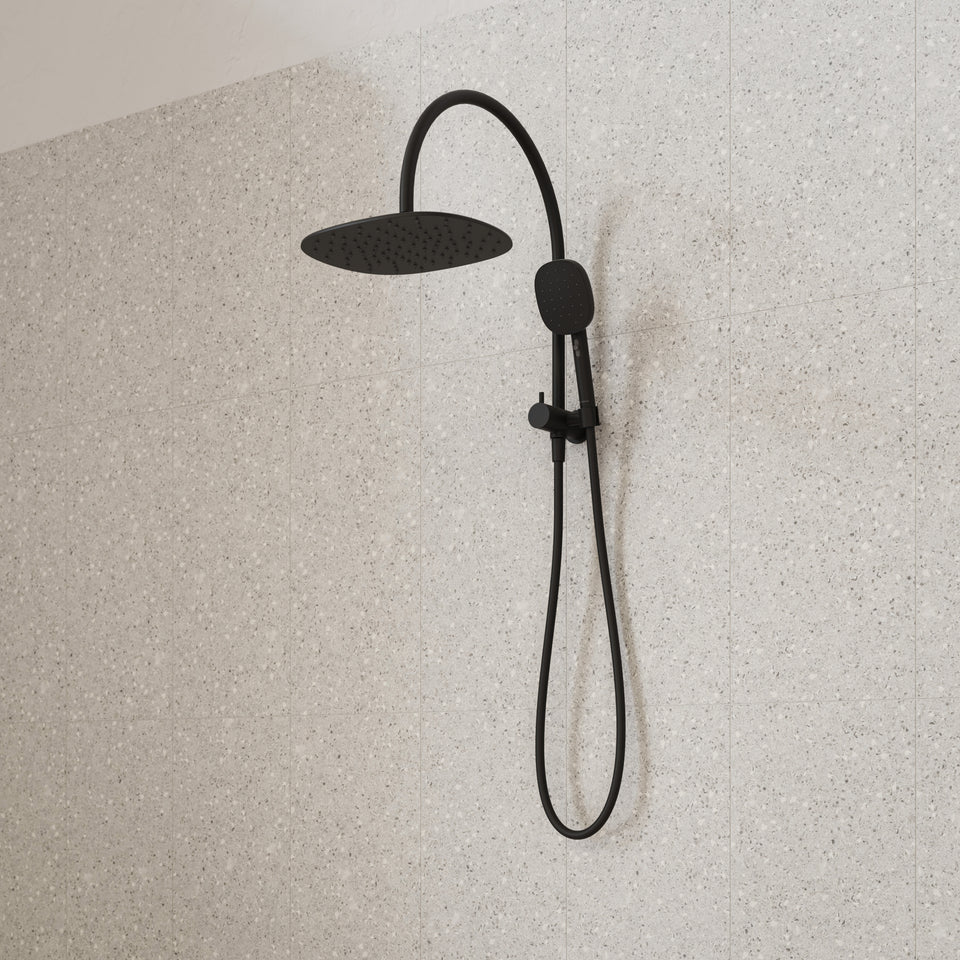
Sold out Caroma Contura II Compact Twin Shower - Black
Checking delivery...$1,105$0 (-0%) offRRP of $1,105


What the Caroma Contura II shower range is
Contura II is a Caroma range with a sculptural, organic design. It comes in chrome, matte black, brushed bronze, brushed brass, brushed nickel and gunmetal, with PVD finishes across the range. In this collection it covers the shower side: rails with a large overhead, rails with a handset only, compact twins, hand showers, handsets, 300 mm rain heads and a gooseneck arm. The parts share one design, so the finish and the shape match across them.
The useful question is which format suits your wall. What decides a purchase is the water inlet, the arm, the height, the pressure, the material, the finish and the care. For the whole range, see the Caroma Contura II range. For the wider Caroma line, see Caroma showers. For the rest of the bathroom, see Caroma Contura II basins and Caroma Contura II toilet suites.
The rail with overhead
The rail with overhead has a hand shower and a 250 mm overhead on one slide rail, with VJet technology in the hand shower. VJet is a spray that the user varies. The overhead and the hand shower are each rated 4 star at 7.5 litres per minute, registration S17870, with three spray options and an operating pressure of 150 to 1000 kPa. The arm reach is 400 mm, the head diameter is 250 mm and the distance between fixing points is 600 to 800 mm, with a top water inlet. The rail is brass and the handset and the overhead are stainless steel, in a PVD finish. The box holds the hand piece, the rose, the rail, the slider, the hose and the instructions.
The rail with a handset only
This rail has no overhead. It is a brass rail with a stainless steel handset, a PVD finish, 4 star at 7.5 litres per minute, registration S17875, 150 to 1000 kPa and 600 to 800 mm between the fixing points. The box holds the hand piece, the rail, the slider, the hose and the instructions. Choose it to add a hand shower to a wall that already has a fixed head, or as the only shower where the water comes from a separate outlet. For other rails, see shower on rails.
The compact twin
The compact twin puts a 250 mm overhead and a handset on a short body. It has a projection of 60 mm and an arm reach of 400 mm, a top water inlet, an easy slide rail, and three spray options. Both outlets are rated 4 star at 7.5 litres per minute, registration S17873. The box holds the rose, the hand piece, the hose, the rail and the instructions. See compact twin showers for the wider choice.
Pick the compact twin for a wall where the outlet is already in the right place and you want a second head without moving anything. The brushed bronze version has an operating pressure of 150 to 500 kPa, and the others 150 to 1000 kPa, so match the pressure range to your supply when you choose the finish.
The hand shower and the handset
The hand shower comes with a fixing kit and the instructions, and the handset comes with the instructions only. Both are rated 4 star at 7.5 litres per minute, with registrations S17872 and S17871, in stainless steel with a PVD finish and an operating pressure of 150 to 1000 kPa. Both have VJet technology and dual check valves. The difference is in the box: the hand shower includes a fixing kit, and the handset does not. Treat the handset as the hand piece alone, and buy a bracket and a hose with it if you need them. See hand held shower heads for more.
The 300 mm rain shower
The 300 mm rain shower is a large flat head, 300 mm across, 250 mm long and 45 mm high. It is rated 4 star at 7.5 litres per minute, registration S17874, with an operating pressure of 150 to 1000 kPa. The box holds the head, a fixing kit and the instructions. The shower arm is not included, so the arm is a separate purchase, and you should confirm the arm takes a half inch connection.
Select the rain shower for a strong supply and a roomy enclosure. Round fixed heads run at 200 to 300 mm, with 150 to 200 mm for low-pressure systems, and heads over 250 mm suit good pressure unless a pump is fitted. A larger face spreads the same flow across more nozzles, so the streams are gentler, not stronger. For other large heads, see rain showers.
The gooseneck arm
The gooseneck arm is a curved wall arm that lifts the head and sets it out from the wall. It has a projection of 460 mm and an overall height of 464 mm, in brass with a PVD finish, and the box holds the arm, a fixing kit and the installation instructions. A gooseneck is the arm that raises the head, and if the outlet is too low a gooseneck arm suits. Wall arm projection runs 300 to 400 mm for a normal arm, so a 460 mm projection puts the head well out from the wall.
Confirm the finish before you order. For the arms from every maker, see shower arms.
Stainless steel or brass?
The Contura II rails are brass, and the heads, hand showers and handsets are stainless steel. A brass rail with a stainless steel head is a sound pairing for an indoor bathroom, because both are corrosion resistant and the PVD finish sits over both. The difference matters for care and for coastal homes. 316 is the grade of stainless steel for coastal and marine settings. If the shower is outdoors or by the sea, ask for the grade of the steel before ordering.
Pressure up to 1000 kPa
Most Contura II pieces are rated for an operating pressure of 150 to 1000 kPa, which is wider than the 150 to 500 kPa on many showers. The static inlet pressure range for the rain shower, the hand shower, the handset and the arm is 150 to 1000 kPa, and the building rule is a maximum of 500 kPa static pressure at any outlet. So 1000 kPa is a range of mains pressure the product accepts, not a promise of how the spray will feel. Pressure is easy to test with a 10 litre bucket and a timer. A fill in under 60 seconds is a good sign, and large overhead heads suit supplies above about 200 kPa. A high-pressure style head changes the nozzle design to feel stronger and cannot increase mains pressure.
The star rating
Every flow rated Contura II product here is 4 star at 7.5 litres per minute. A head of 7.5 litres per minute or less earns 4 stars if it passes the spray force and coverage tests. Going from 9 to 7.5 litres per minute saves thousands of litres a year. The lower flow rate may not suit some gravity fed water heaters, low pressure supply networks, instantaneous water heaters, tempering valves, solar water heaters and thermostatic mixing valves, so check with the maker of those products. If you have one of them, check before choosing the range.
How high a Contura II shower should be
A fixed wall head sits 2000 to 2100 mm above the finished floor to the centre of the arm outlet, and 2100 to 2200 mm for a tall household. The top of a rail sits about 1800 to 1900 mm up, and a wall mixer about 1000 to 1100 mm. Leave at least 20 cm between a rain head and the user's head. Settle the height at rough-in, before tiling. Two outlets on a diverter means two heights, so say so to the plumber before the linings are fixed.
Finishes and what they are made of
The finishes are chrome, matte black, brushed bronze, brushed brass, brushed nickel and gunmetal, and the process is PVD. PVD is significantly harder and more durable than traditional plating. For finish-led browsing, see chrome showers, black showers, brushed nickel showers, brushed brass showers, bronze showers and gunmetal showers.
Match the finish to the rest of the room, so the shower goes with the basin mixers, bath taps and accessories. The Contura II basins and toilet suites sit in the same range.
How to clean a Contura II shower
Dry the fitting after use, since drying prevents mineral deposits and water marks. Regular cleaning with warm water or mild soap on a soft or microfibre cloth, followed by a rinse and an immediate dry, is enough. For chrome, a soft-bristled toothbrush works on a limescale spot. On matte black, keep abrasive cleaners, scouring pads, bleach, vinegar and lemon juice away, because acid can damage the coating over time and dull the finish. As a schedule for the head, clean it monthly if your water is hard, and every two to three months if your water is soft, and wipe it after each shower.
Vinegar is acceptable only on standard chrome or plastic. For a PVD finish, use warm soapy water.
Fitting a Contura II shower
A rail with a top inlet is a retrofit, which means it joins an existing outlet. A rail set is plumber work in practice, since the inlet, the fixings and the height all have to be right. A licensed plumber is the better choice for rail and ceiling rain installations, because they can ensure correct fitting, good pressure and compliance. Fix into solid backing, since a 250 mm overhead and a full hose add weight at the end of the arm.
The rules on what an owner may do themselves differ by state. A like-for-like head swap on an existing half inch arm is a simple job. Turn the water off at the shower valve and unscrew the old head anticlockwise. Clean the threads, wrap new thread seal tape clockwise two to three times, hand-tighten, give it one gentle turn with a wrench and check for leaks.

