


Caroma Shower Arms
37 Items
-

Sold out Caroma 415mm Right Angled Shower Arm - Brushed Brass
Checking delivery...$229$0 (-0%) offRRP of $229 -
In Stock

Sold out Caroma 415mm Right Angled Shower Arm - Brushed Nickel
Checking delivery...$229$0 (-0%) offRRP of $229 -
In Stock

Sold out Caroma 300mm Ceiling Shower Arm - Brushed Brass
Checking delivery...$196$0 (-0%) offRRP of $196 -
In Stock

Sold out Caroma 460mm Upswept Shower Arm - Chrome
Checking delivery...$163$0 (-0%) offRRP of $163 -
In Stock

Sold out Caroma 460mm Upswept Shower Arm - Brushed Brass
Checking delivery...$212$0 (-0%) offRRP of $212 -

Sale On Now!
Up to 70% off across the store, plus free towels and mirrors up for grabs on orders over $800*
-
In Stock

Sold out Caroma 415mm Right Angled Shower Arm - Matte Black
Checking delivery...$194$0 (-0%) offRRP of $194 -
In Stock
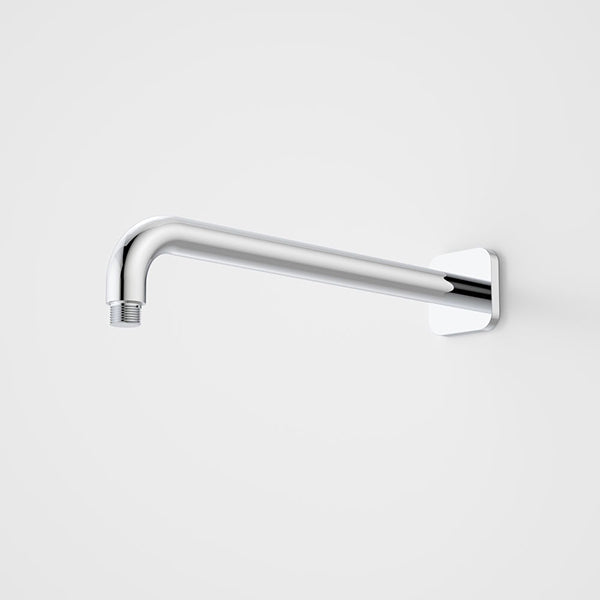
Sold out Caroma Luna Right Angle Shower Arm 320mm
Checking delivery...$156$0 (-0%) offRRP of $156 -
In Stock

Sold out Caroma 415mm Right Angled Shower Arm - Chrome
Checking delivery...$176$0 (-0%) offRRP of $176 -
In Stock

Sold out Caroma Luna Right Angle Shower Arm Brushed Nickel
Checking delivery...$166$0 (-0%) offRRP of $166 -
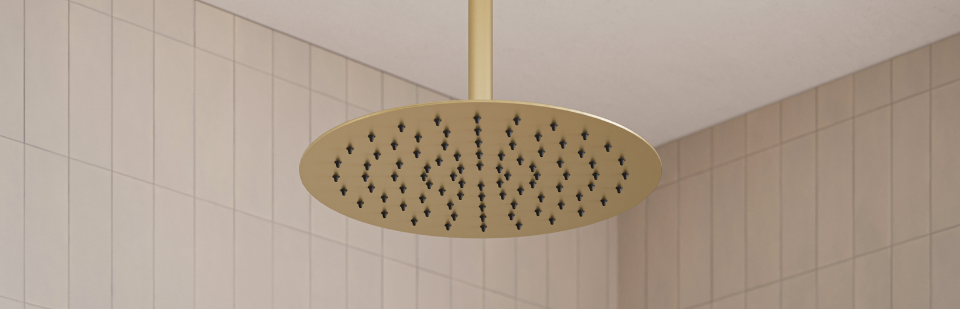
-
In Stock

Sold out Caroma 300mm Ceiling Shower Arm - Matte Black
Checking delivery...$166$0 (-0%) offRRP of $166 -
In Stock

Sold out Caroma 460mm Upswept Shower Arm - Matte Black
Checking delivery...$180$0 (-0%) offRRP of $180 -

Sold out Caroma 415mm Right Angled Shower Arm - Gunmetal
Checking delivery...$229$0 (-0%) offRRP of $229 -
In Stock

Sold out Caroma Luna Right Angle Shower Arm Brushed Brass
Checking delivery...$166$0 (-0%) offRRP of $166 -
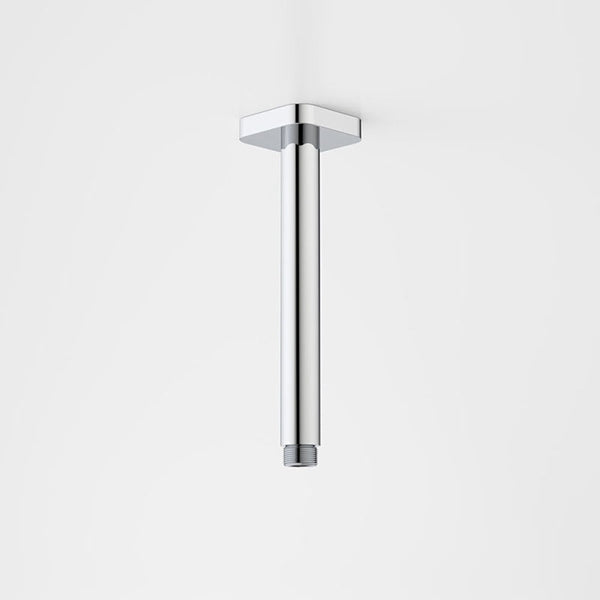
Sold out Caroma Luna Straight Arm 210mm Chrome
Checking delivery...$156$0 (-0%) offRRP of $156 -
-

Sold out Caroma 460mm Upswept Shower Arm - Brushed Nickel
Checking delivery...$212$0 (-0%) offRRP of $212 -

Sold out Caroma 300mm Ceiling Shower Arm - Brushed Nickel
Checking delivery...$196$0 (-0%) offRRP of $196 -
In Stock

Sold out Caroma 300mm Ceiling Shower Arm - Gunmetal
Checking delivery...$196$0 (-0%) offRRP of $196 -
In Stock

Sold out Caroma 300mm Ceiling Shower Arm - Chrome
Checking delivery...$151$0 (-0%) offRRP of $151 -
In Stock

Sold out Caroma Luna Straight Arm 210mm Brushed Brass
Checking delivery...$166$0 (-0%) offRRP of $166 -
In Stock

Sold out Caroma Luna Straight Arm 210mm Brushed Nickel
Checking delivery...$166$0 (-0%) offRRP of $166 -
In Stock

Sold out Caroma Luna Straight Arm 210mm Black
Checking delivery...$166$0 (-0%) offRRP of $166 -

Sold out Caroma 460mm Upswept Shower Arm - Gunmetal
Checking delivery...$212$0 (-0%) offRRP of $212 -

Sold out Caroma Titan Stainless Steel Wall Shower Arm
Checking delivery...$133$0 (-0%) offRRP of $133 -
-

Sold out Caroma Luna Right Angle Shower Arm Satin Black
Checking delivery...$166$0 (-0%) offRRP of $166 -
In Stock

Sold out Caroma Upswept Shower Arm - Brushed Brass
Checking delivery...$285$0 (-0%) offRRP of $285 -

Sold out Caroma Luna Straight Arm 410mm Brushed Brass
Checking delivery...$273$0 (-0%) offRRP of $273 -

Sold out Caroma Upswept Shower Arm - Brushed Nickel
Checking delivery...$285$0 (-0%) offRRP of $285 -

Sold out Caroma Upswept Shower Arm - Brushed Bronze
Checking delivery...$285$0 (-0%) offRRP of $285 -

Sold out Caroma Titan Stainless Steel Ceiling Arm - 200mm
Checking delivery...$135$0 (-0%) offRRP of $135 -

Sold out Caroma Luna Straight Arm 410mm Black
Checking delivery...$273$0 (-0%) offRRP of $273 -
In Stock

Sold out Caroma Luna Straight Arm 410mm Brushed Nickel
Checking delivery...$273$0 (-0%) offRRP of $273 -
In Stock

Sold out Caroma Upswept Shower Arm - Chrome
Checking delivery...$218$0 (-0%) offRRP of $218 -
In Stock
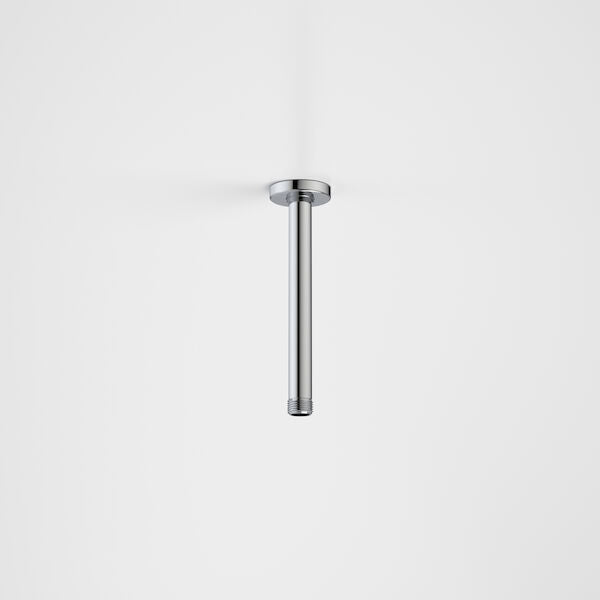
Sold out Caroma 200mm Ceiling Shower Arm - Chrome
Checking delivery...$137$0 (-0%) offRRP of $137 -

Sold out Caroma 200mm Ceiling Shower Arm - Matte Black
Checking delivery...$151$0 (-0%) offRRP of $151 -

Sold out Caroma 200mm Ceiling Shower Arm – Brushed Bronze
Checking delivery...$172$0 (-0%) offRRP of $172 -


What the Caroma shower arm range covers
A shower arm connects a shower head to the water supply in the wall or ceiling and sets how far out and how high the head sits. This collection holds the Caroma arms: wall arms in right angle, upswept and gooseneck shapes, ceiling arms with drops from 200 to 500 mm, and a stainless steel pair from the Titan range. They come from the Urbane II, Luna, Contura II and Titan ranges, in chrome, matte black, brushed nickel, brushed brass, brushed bronze and gunmetal.
Almost every arm here is sold as the arm only, so the head is a separate purchase. Wall arms are commonly used with overhead showers, and ceiling arms give a minimalist look and put the head directly overhead. The right arm depends on the layout, the head type and the experience you want, and compatibility depends on the head's size, weight and connection type. For arms from every maker, see shower arms. For the matching heads, see Caroma showers.
Wall arms: right angle, upswept and gooseneck
The wall arms differ in how they leave the wall and how much height they add.
- The Urbane II right angled arm is 415 mm long, a brass wall arm with a soft square back-plate and a rounded body, designed to suit a range of Caroma rain heads.
- The Urbane II upswept arm is 460 mm long, a brass wall arm in the same slim style. Pair it with any of the Urbane II heads; the shower head is not included.
- The Luna right angle arm is 320 mm long, with the same soft square back-plate and rounded body, in chrome and several finishes.
- The Contura II gooseneck arm has a projection of 460 mm and an overall height of 464 mm, in brass with a PVD finish. The gooseneck design allows a wider range of motion.
- The Titan stainless steel wall arm is 304 grade stainless steel with a polished finish, made to coordinate with the Titan rain showers.
The right angle arm leaves the wall straight and turns at the end, so it is a clean, low profile. The upswept and gooseneck arms add height, which matters when the wall outlet is low. Check the height of the outlet first: if it is too high, choose a straight arm, and if it is too low, choose a gooseneck or upswept shape. Wall arms keep the head close to the wall, which saves space, and they are generally better for compact showers.
Ceiling arms, and how long they should be
The ceiling arms drop from the ceiling and put the head directly overhead. The Urbane II ceiling arms come in 200, 300 and 500 mm drops, and the Luna straight ceiling arms in 210 and 410 mm drops, with a soft square plate and a rounded arm. The 300 mm Urbane II arm is for higher ceilings, and the 210 mm Luna arm is a short drop from the ceiling.
The arithmetic is simple: the ceiling height minus the drop. The outlet of a ceiling-arm rain head sits at 2100 to 2200 mm above the finished floor, depending on the ceiling. On a 2,400 mm ceiling, a 200 or 210 mm drop puts the connection near 2,190 to 2,200 mm and a 300 mm drop near 2,100 mm, both within that band. On a 2,700 mm ceiling, a 500 mm drop puts the connection near 2,200 mm and a 410 mm drop near 2,290 mm. The face of the rose sits a little lower, by its thickness. Check these sums against your own finished ceiling height, and fix the figure at rough-in, before the ceiling is lined.
Leave at least 20 cm between a rain head and the user's head, and expect ceiling arms to add installation complexity. For the ceiling-mounted options, see ceiling showers.
Fitting the arm to your head
Three checks cover almost every case. The first is the thread. These arms have a half inch thread, with a G 1/2 thread size on the Urbane II ceiling arm, and most Australian heads and arms share the half inch BSP thread. The second is the weight of the head against the arm. A heavy rain head on a long arm puts load on the wall fitting, which can loosen it, and a support bracket moves the load to the finished wall. The Urbane II arms pair with the Urbane II heads, including the 300 mm round rain shower, and the arm is designed to suit a range of Caroma rain heads. The third is projection. The edge of a rain head should clear the wall so that water does not run onto the tile, so a 300 mm head wants one of the longer arms.
Do shower arms fit all shower heads?
Mostly. The thread is standard, so most heads screw onto most arms. The finish, the plate and the look are not standard, so a Caroma arm with a head from another maker will fit but may not match. The shapes also pair by range: the Urbane II arms are slim and square-backed, the Luna arms have a soft square plate, and the Contura II gooseneck is rounder. Pair the arm with a head from the same range and the lines continue through.
What is in the box
- The Urbane II right angle, upswept and ceiling arms: the arm only. The upswept arm does not include the head.
- The Luna straight ceiling arms: the arm and a fixing kit.
- The Luna right angle arms: the arm.
- The Contura II gooseneck arm: the arm, a fixing kit and installation instructions.
- The Titan wall and ceiling arms: the arm.
If a flange, a plate or a fixing kit is not in the box, treat it as not included, and ask before you order. The head, the mixer and the rest are separate purchases; see shower roses and shower mixers.
Finishes and materials
The arms are brass with a chrome plate or a PVD finish, except the Titan pair, which is 304 stainless steel. PVD finishes are available for striking design and durability, and PVD is significantly harder and more durable than traditional plating. The finishes run through chrome, matte black, brushed nickel, brushed brass, brushed bronze and gunmetal. Match the arm to the head so the two read as one piece. For finish-led browsing, see chrome showers, black showers, brushed nickel showers, brushed brass showers, bronze showers and gunmetal showers.
The Titan arms are 304 grade stainless steel, which suits an indoor or covered bathroom. For a beachfront bathroom or a coastal outdoor shower, take a 316 marine grade piece instead; see stainless steel showers.
Pairing the arm with a Caroma head
Arms and heads pair by range. The Urbane II range includes a 300 mm round rain shower with flow regulators that deliver a consistent flow across pressures and easy-clean silicone nozzles, and the matching shower arms come from the Urbane II range. The Luna fixed overhead is a 200 mm rain shower with softly rounded edges, rated 4 star at 7.5 litres per minute, on a brass arm that connects through the wall. The Contura II heads are 250 mm and the Liano II heads are 300 mm on a gooseneck arm. If you are replacing an arm and keeping the head, match the plate and the finish to the head you have. If you are changing both, choose the pair from the same range so the lines continue.
Upswept arms and taller households
An upswept or gooseneck arm is the fix for a head that sits too low. The outlet of a fixed head sits at 2000 to 2100 mm above the finished floor, and 2100 to 2200 mm for a tall household, with 15 to 20 cm above the tallest user's head. A low wall outlet can leave a standard arm short of that, and the 460 mm upswept arm and the Contura II gooseneck, with an overall height of 464 mm, add rise as they leave the wall. If you are replacing an old arm because the head was too low, choose the upswept shape and check the rise against the height you need.
Replacing an old arm
A like-for-like swap starts with removal. Unscrew the old arm by hand if you can. If it is stuck, wrap a cloth around the joint and use a wrench gently, and a little penetrating oil for ten to fifteen minutes helps if it will not move. Then clean the threads of old tape and scale with a brush, wipe them dry, wrap new thread seal tape clockwise two to three times and tighten without overtightening. Turn the water back on slowly and check the joint for leaks. If the old arm is damaged, cracked or rusted, or the thread at the wall is worn, stop and call a plumber, because the fitting inside the wall is the part that fails.
Care for Caroma arms
The finish decides the care. For a chrome or PVD arm, use warm water, mild soap and a soft cloth, then rinse and dry. Keep cream cleaners, bleach and abrasive pads away from the finish. In hard water areas, wipe the arm and dry it after use. Keep vinegar and lemon off a coated finish unless the care line allows them, because acidic products do not suit every coating. Drying the arm after use prevents mineral deposits and water marks, and for matte black, avoid abrasive cleaners, scouring pads, bleach, vinegar and lemon juice, because acid can damage the coating over time. The Titan stainless steel arms can be wiped the same way, and steel wool, bleach and hydrochloric acid cleaners are the things to avoid on stainless steel.
Do you need a plumber to fit an arm?
A like-for-like swap is a simple job: unscrew the old arm, clean the threads, tape the new one clockwise and tighten without overtightening. Arms are removable, but a licensed, registered tradesperson should install them, and anything beyond a like-for-like swap should involve a licensed plumber. The rules on what an owner may do themselves differ by state, so ask a plumber if you are unsure. A ceiling arm, or any arm that changes the outlet position, is a plumber's job.

