


Door Hardware & Accessories
129 Items
-
Italian Made
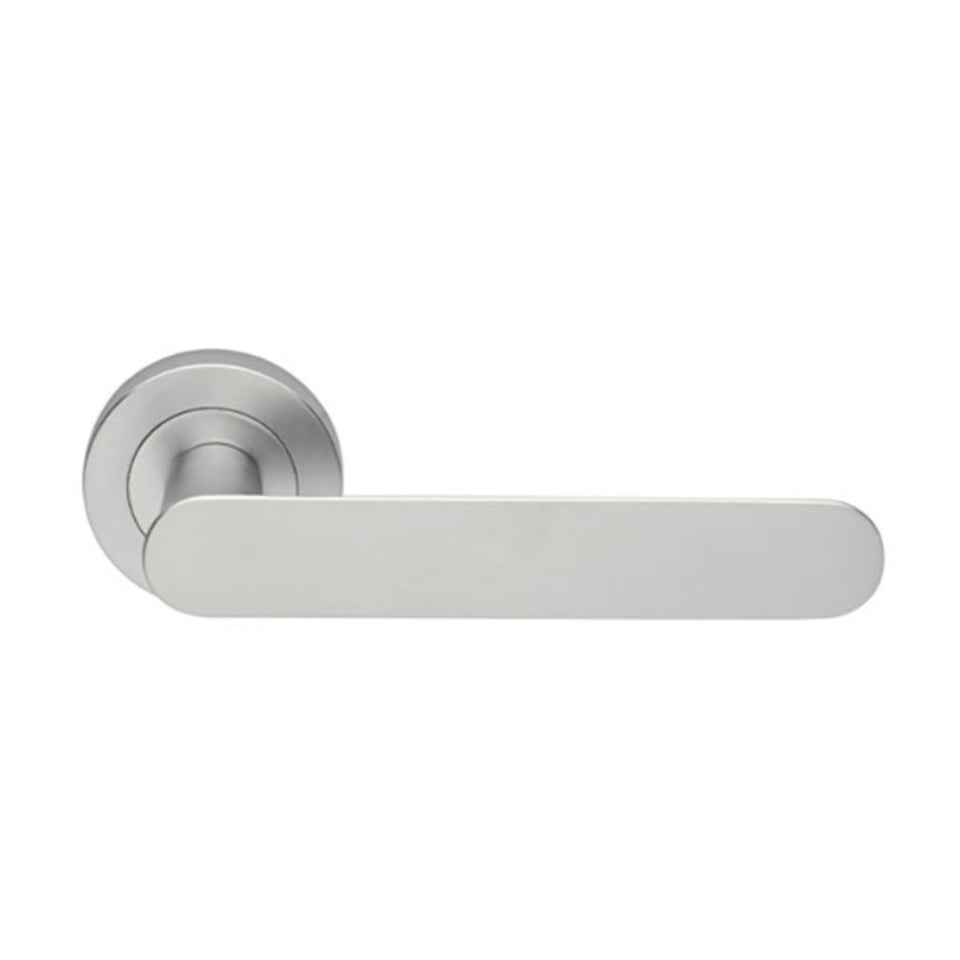
Sold out Manital Ratio Passage Door Handle Set Satin Chrome
Checking delivery...$244$0 (-0%) offRRP of $244 -
Italian Made

Sold out Manital Erica Privacy Door Handle Set Polished Brass
Checking delivery...$208$0 (-0%) offRRP of $208 -

Sold out Nidus Tubular Latch Gun Metal Grey
Checking delivery...$17$0 (-0%) offRRP of $17 -

Sold out Nidus Mediterranean Altro Privacy Door Handle Set Matte Black
Checking delivery...$139$0 (-0%) offRRP of $139 -
$2 Off RRP

Sold out Nidus Wall Mounted Door Stop Matte Black
Checking delivery...$15$2 (-11%) OFFRRP of $17$2 (-12%) offRRP of $17 -

Sale On Now!
Up to 70% off storewide, free metro shipping over $500, and free gifts from $800. Spend more to unlock luxury towels and mirrors.*
-
Italian Made
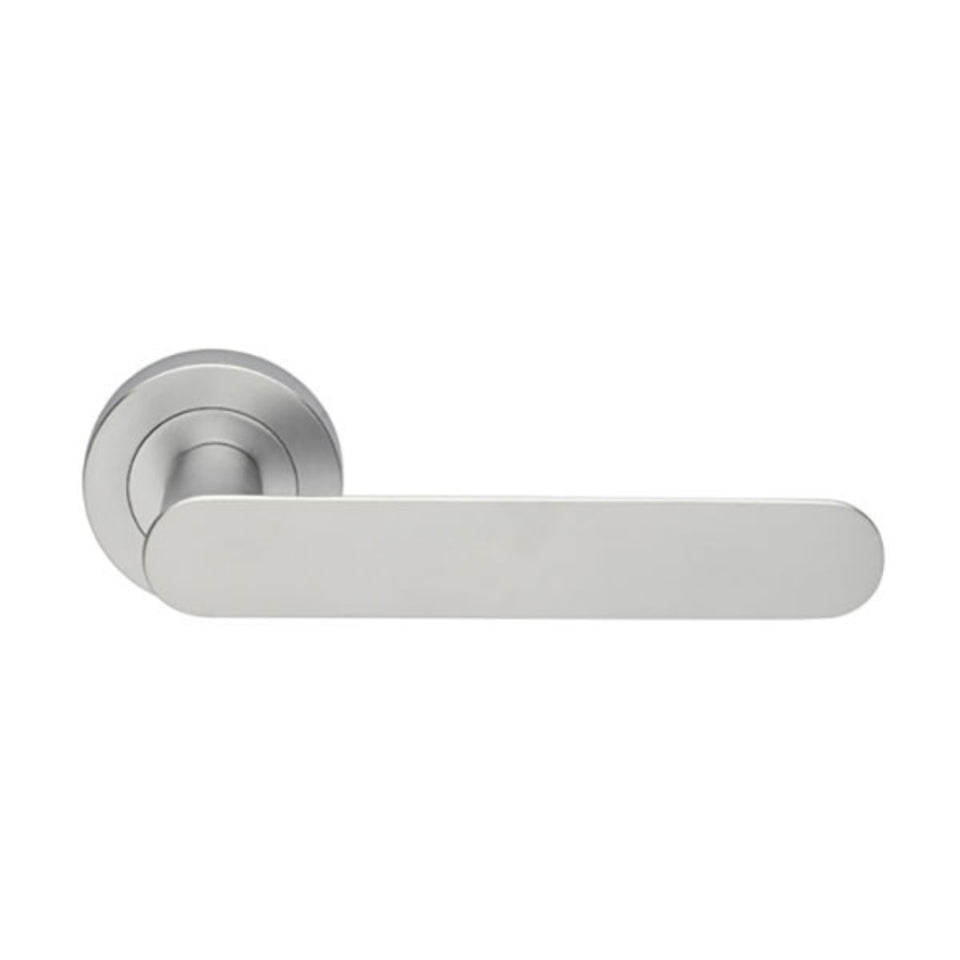
Sold out Manital Ratio Privacy Door Handle Set Satin Chrome
Checking delivery...$276$0 (-0%) offRRP of $276 -
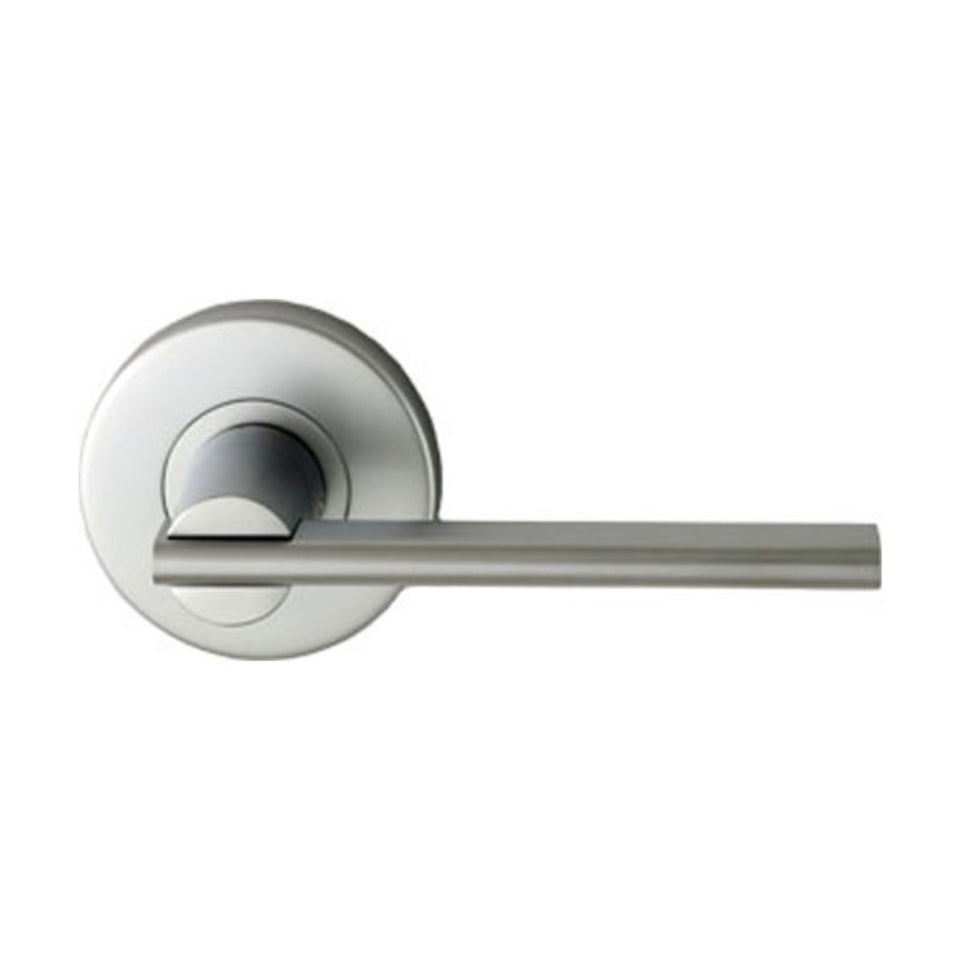
Sold out Nidus Mediterranean Metro Privacy Door Handle Set Satin Chrome
Checking delivery...$108$0 (-0%) offRRP of $108 -
$59 Off RRPItalian Made
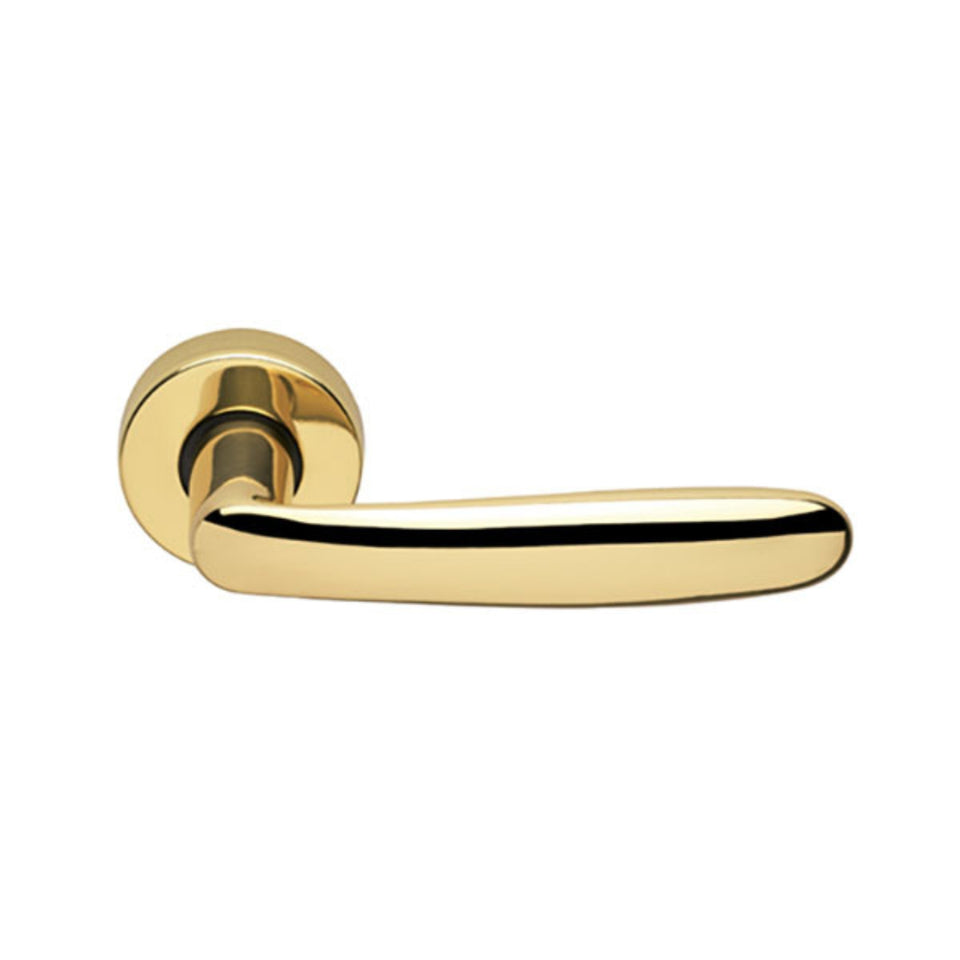
Sold out Manital Imola Privacy Door Handle Set Polished Brass
Checking delivery...$112$59 (-34%) OFFRRP of $171$59 (-35%) offRRP of $171 -

Sold out Nidus Tubular Latch Polished Brass
Checking delivery...$14$0 (-0%) offRRP of $14 -

-
Italian Made
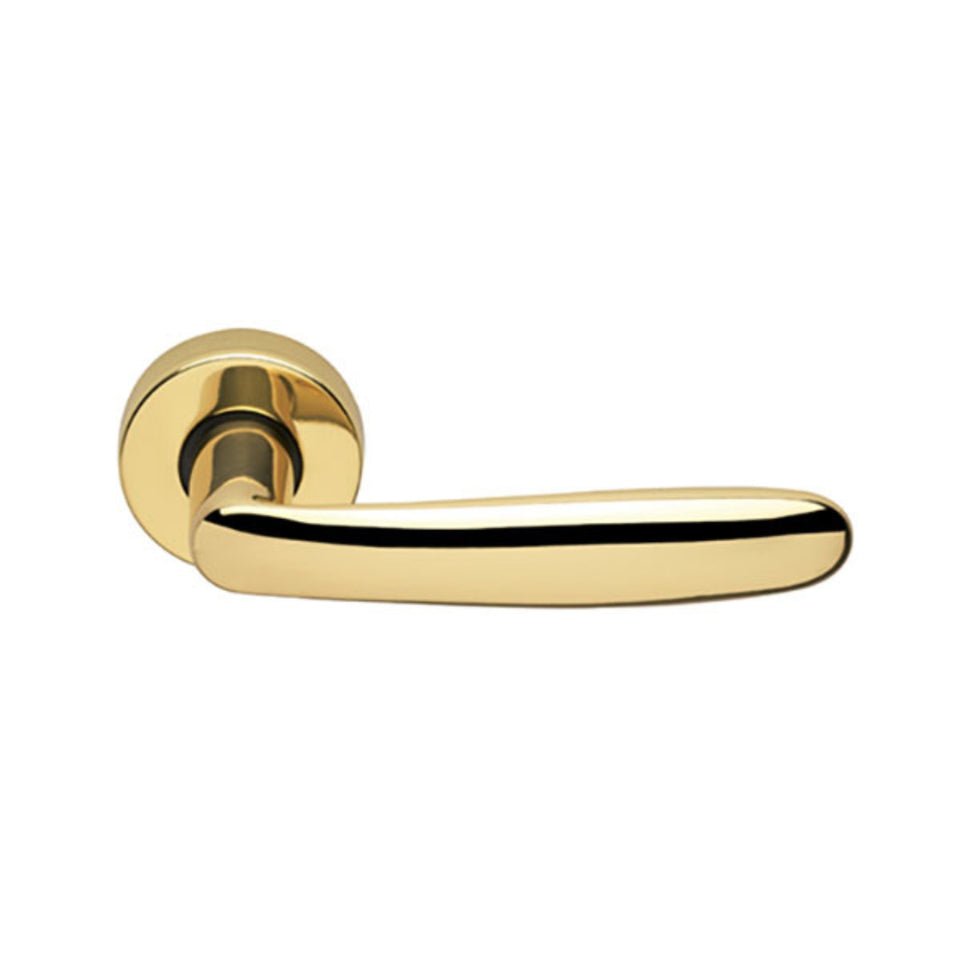
Sold out Manital Imola Passage Door Handle Set Polished Brass
Checking delivery...$117$0 (-0%) offRRP of $117 -
Italian Made
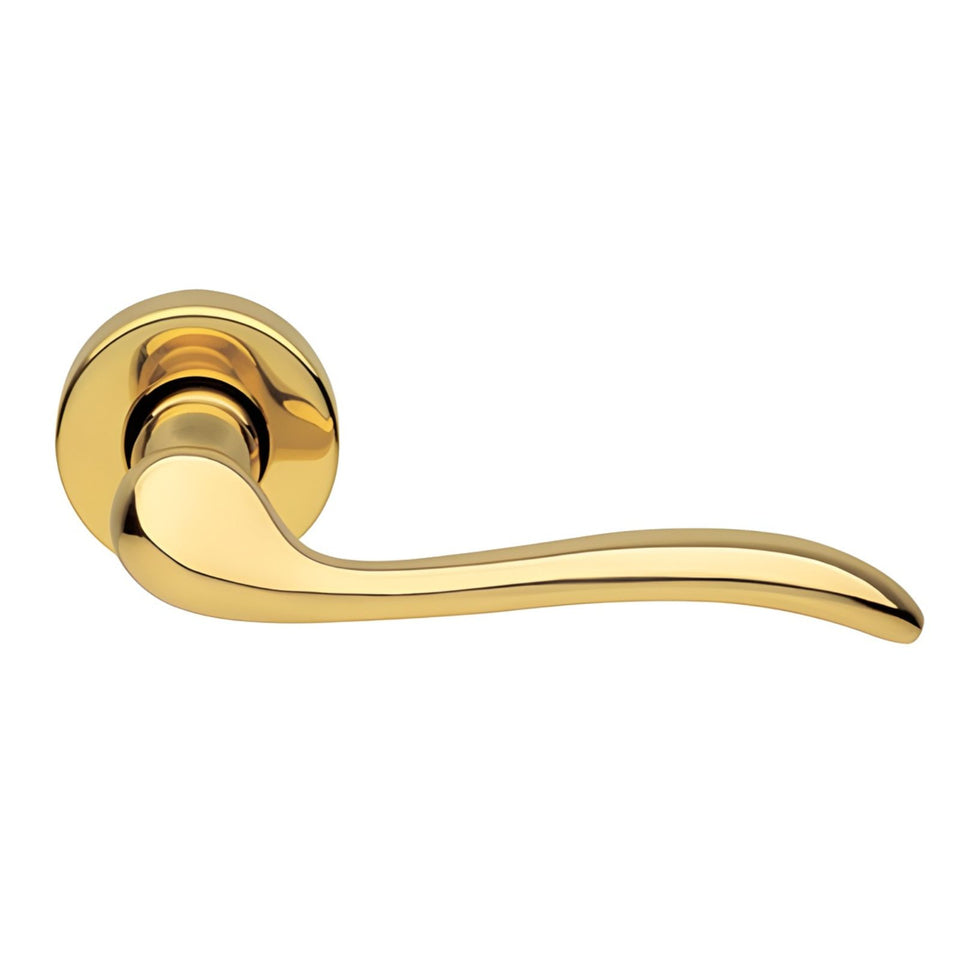
Sold out Manital Tosca Privacy Door Handle Set Polished Brass
Checking delivery...$171$0 (-0%) offRRP of $171 -
Italian Made
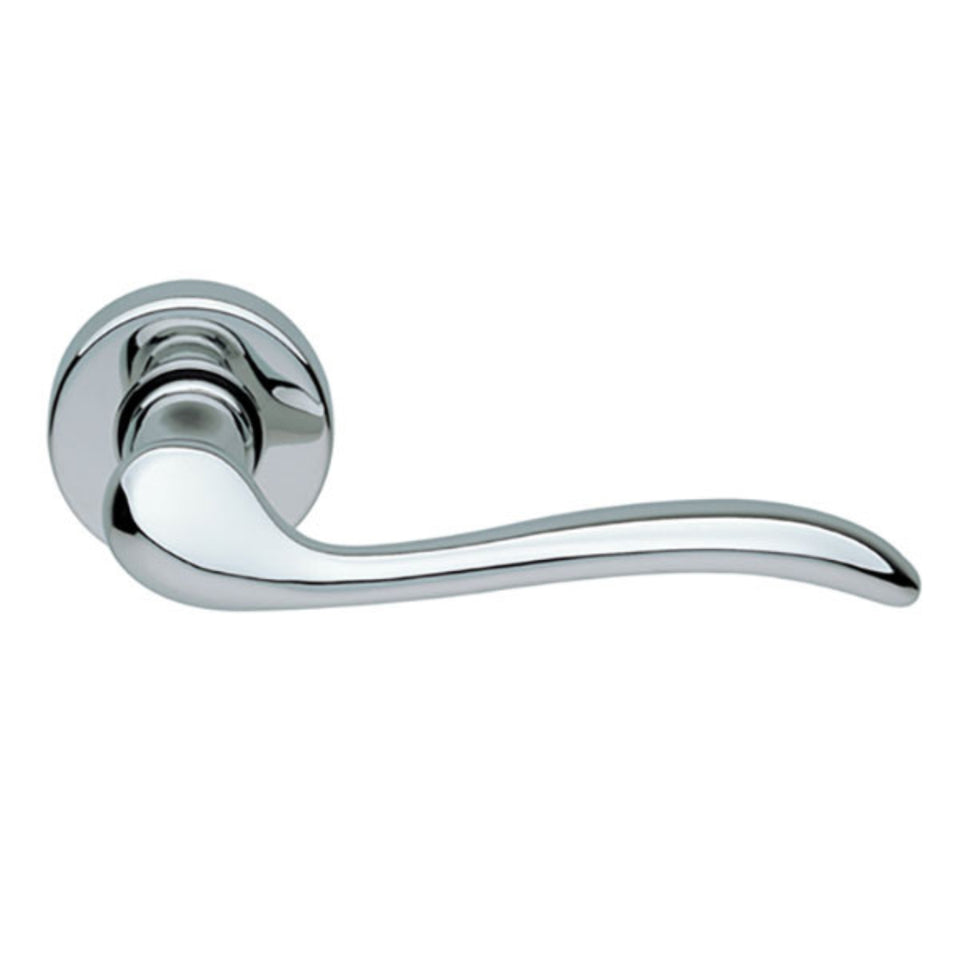
Sold out Manital Tosca Passage Door Handle Set Polished Chrome
Checking delivery...$117$0 (-0%) offRRP of $117 -
Italian Made
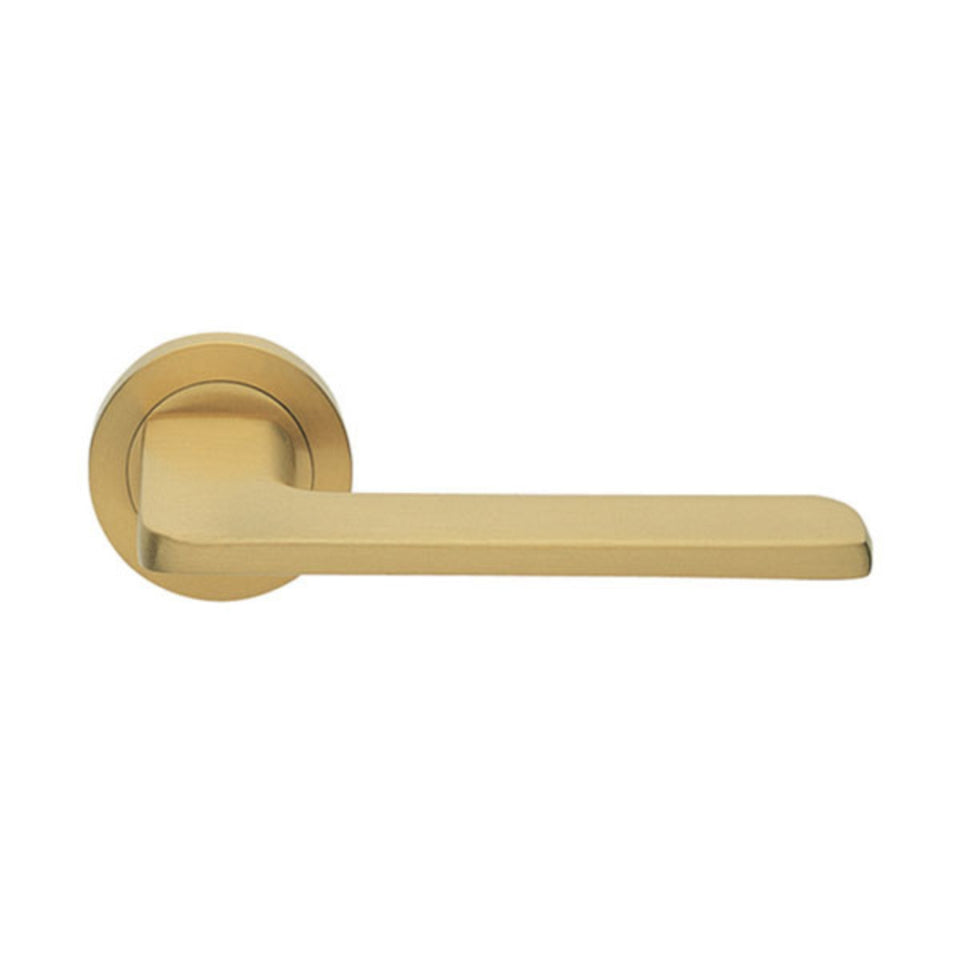
Sold out Manital Blade Passage Door Handle Set Satin Brass
Checking delivery...$301$0 (-0%) offRRP of $301 -
Italian Made
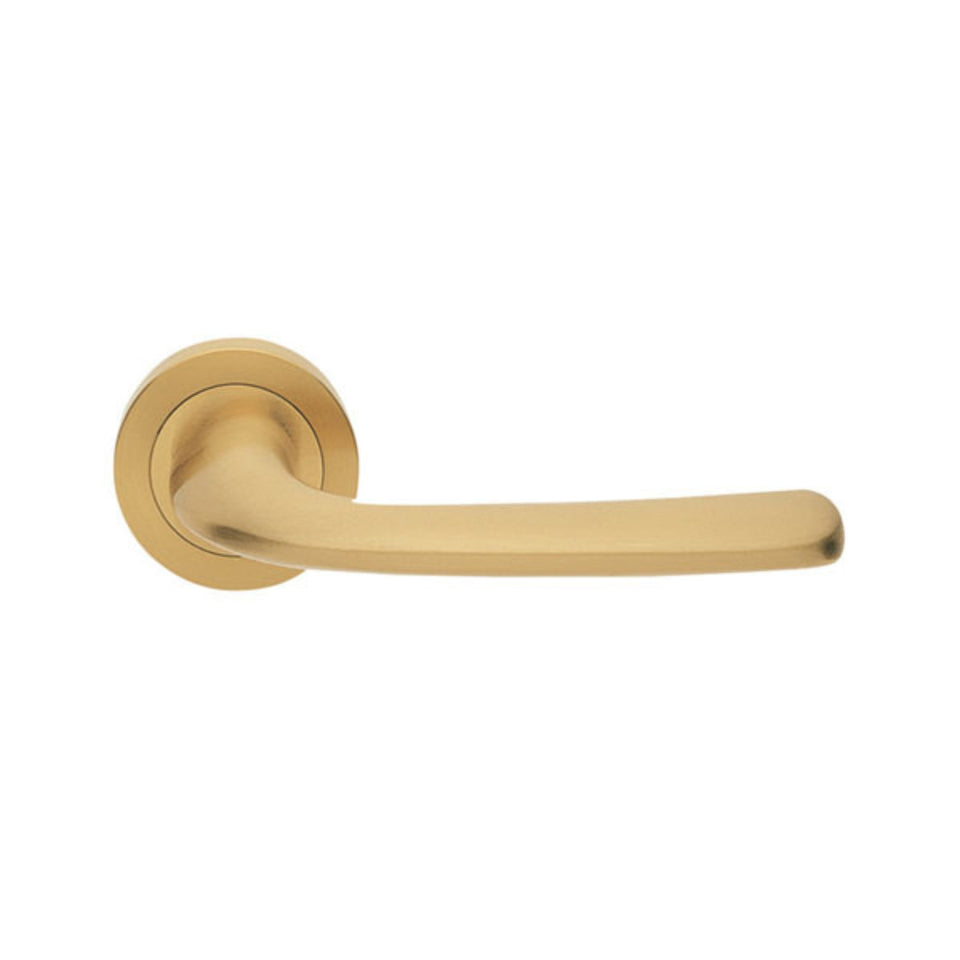
Sold out Manital GoGo Passage Door Handle Set Satin Brass
Checking delivery...$233$0 (-0%) offRRP of $233 -
-
Italian Made
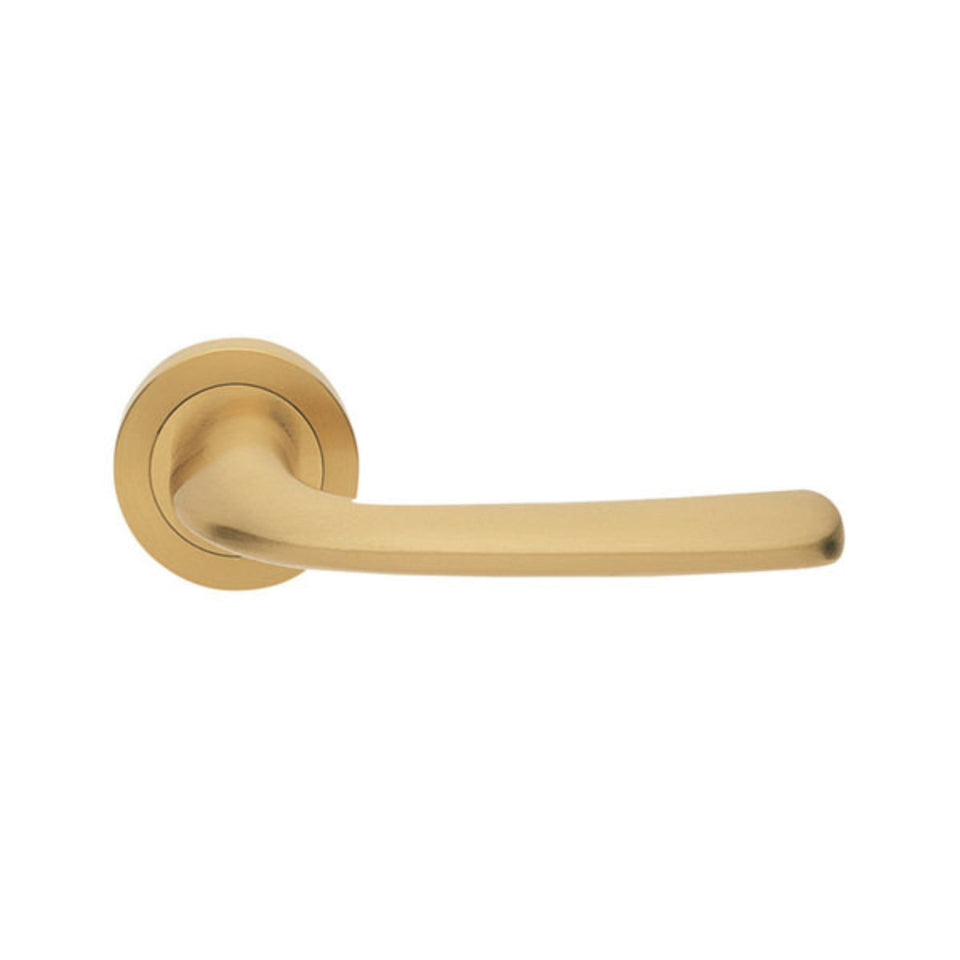
Sold out Manital GoGo Privacy Door Handle Set Satin Brass
Checking delivery...$301$0 (-0%) offRRP of $301 -
Italian Made
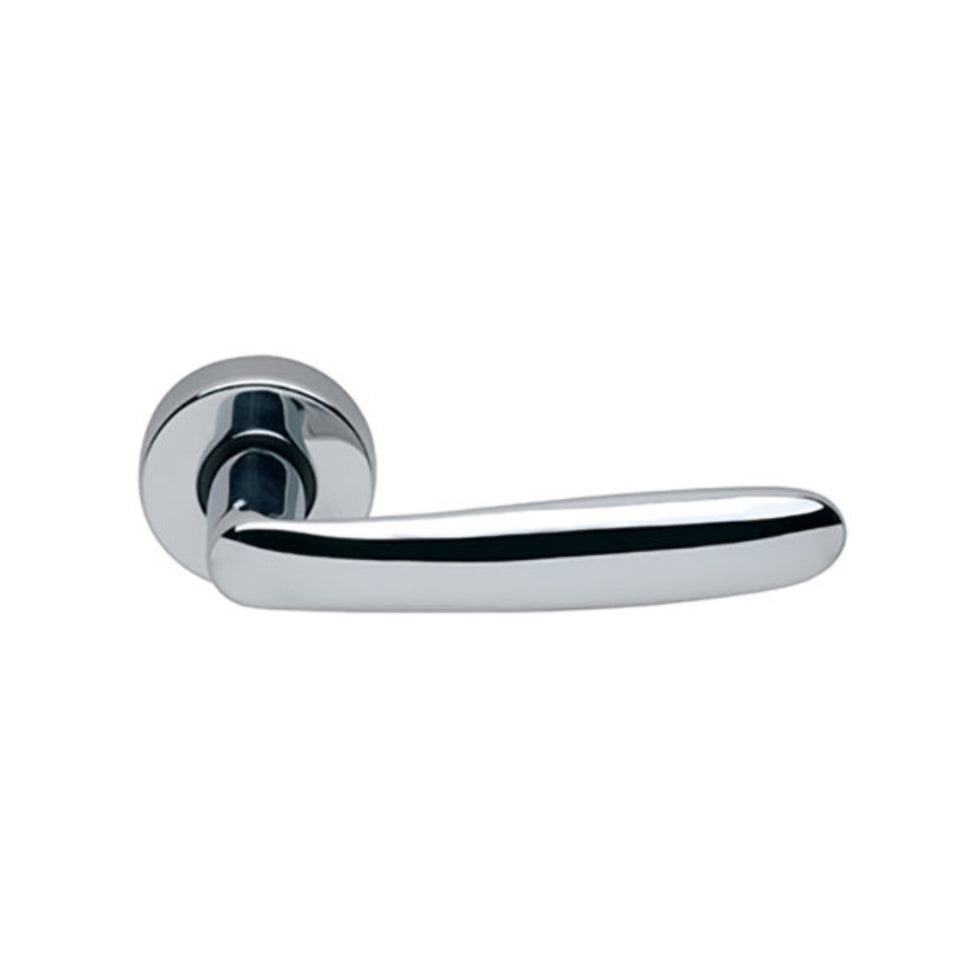
Sold out Manital Imola Privacy Door Handle Set Polished Chrome
Checking delivery...$171$0 (-0%) offRRP of $171 -
Italian Made
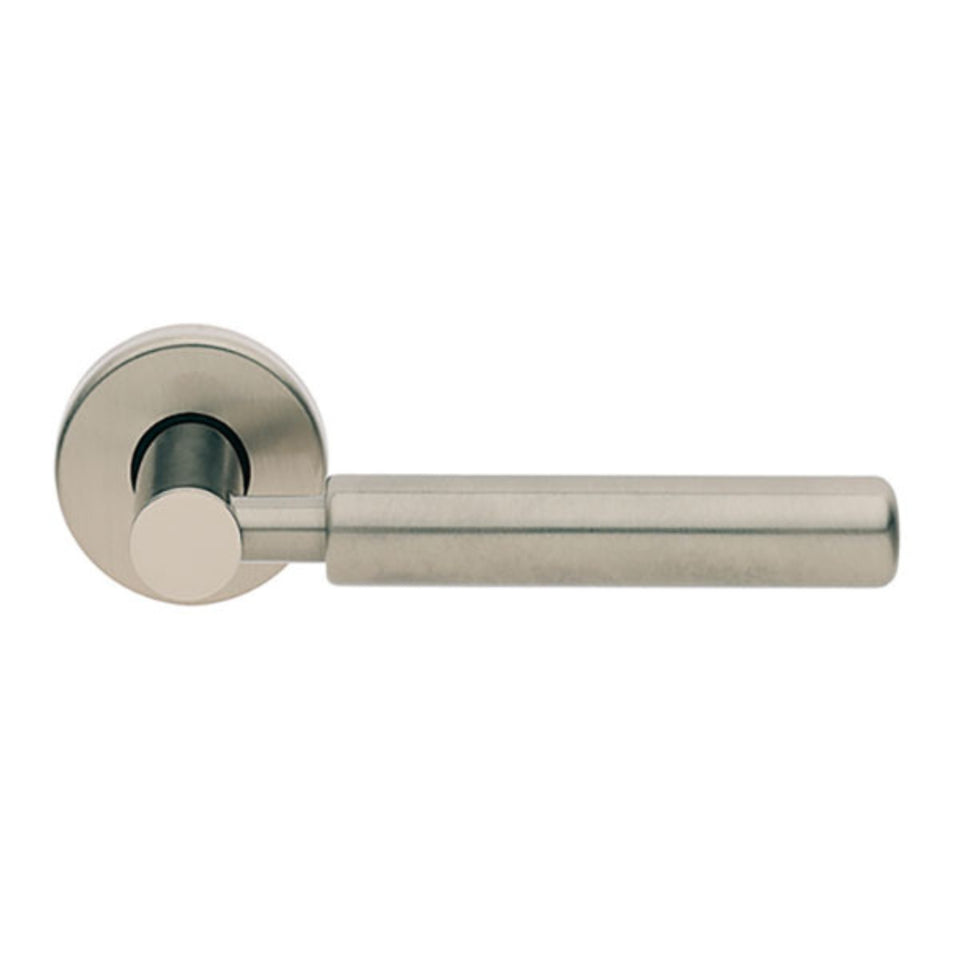
Sold out Manital Amleto Passage Door Handle Set Satin Nickel
Checking delivery...$326$0 (-0%) offRRP of $326 -

Sold out Nidus Tubular Latch Satin Chrome
Checking delivery...$14$0 (-0%) offRRP of $14 -
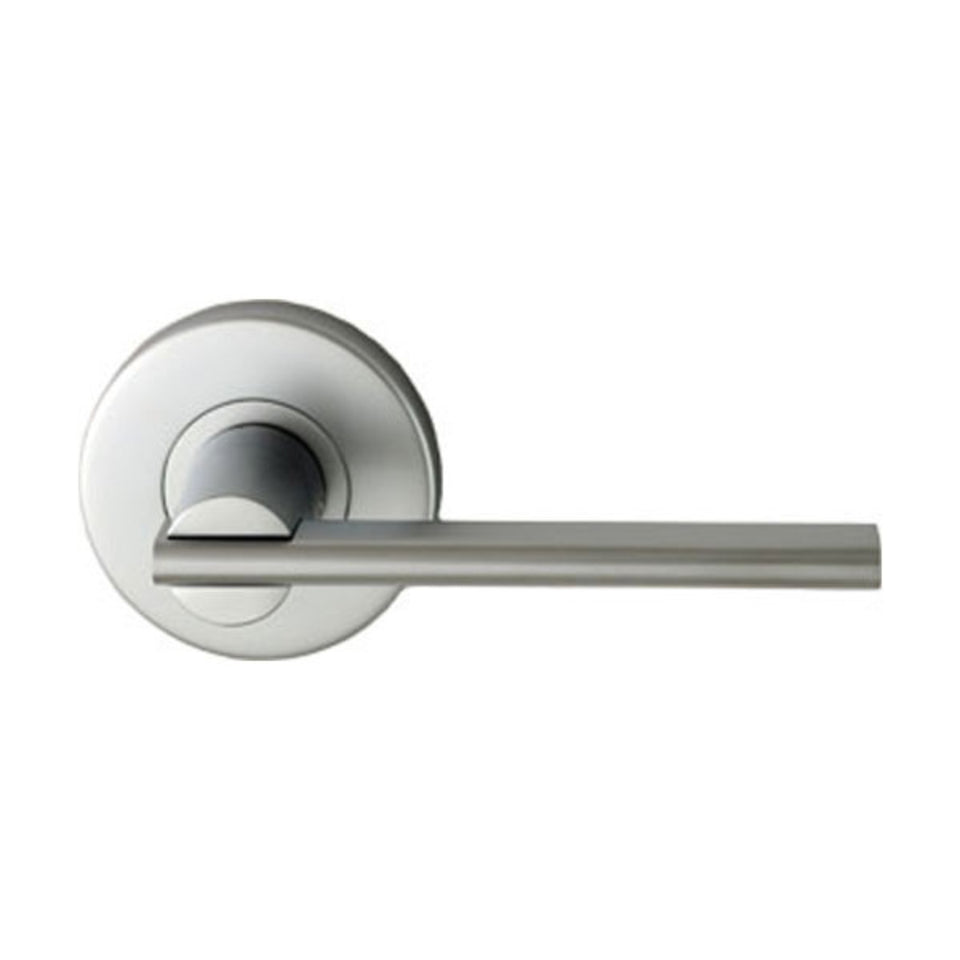
Sold out Nidus Mediterranean Metro Passage Door Handle Set Satin Chrome
Checking delivery...$90$0 (-0%) offRRP of $90 -
Italian Made
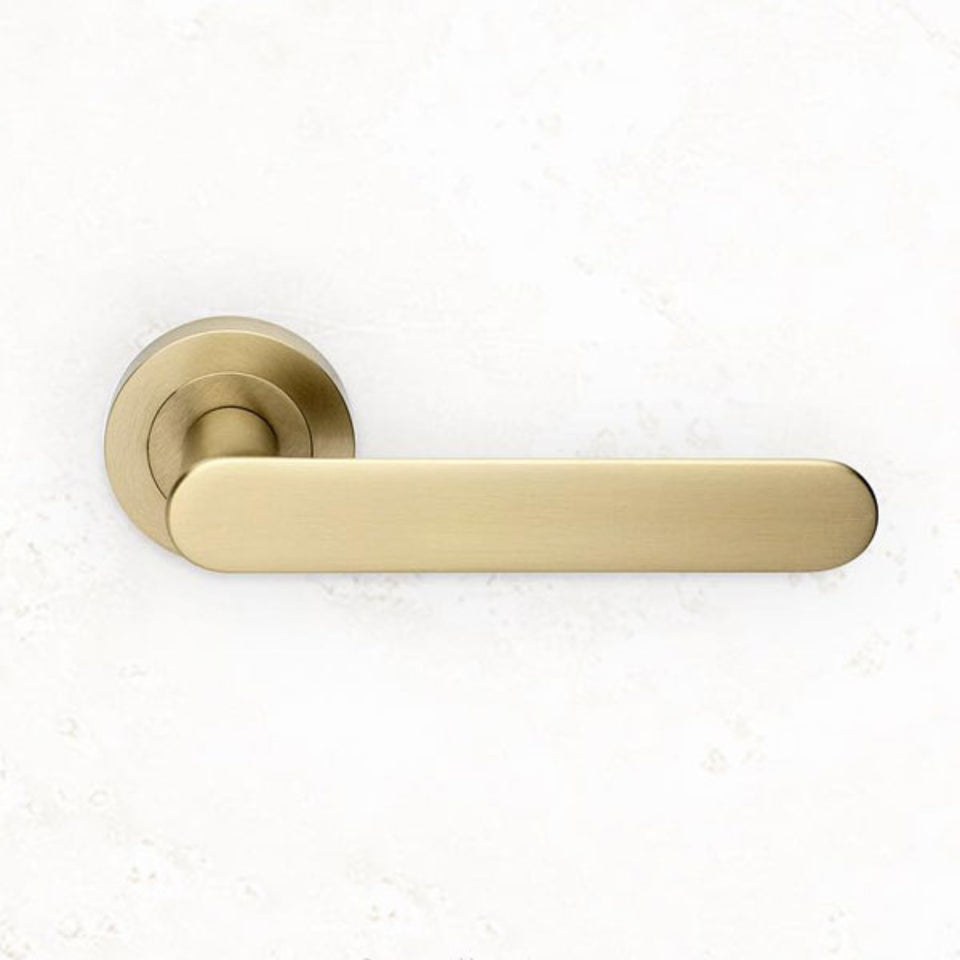
Sold out Manital Ratio Passage Door Handle Set Satin Brass
Checking delivery...$293$0 (-0%) offRRP of $293 -
Italian Made
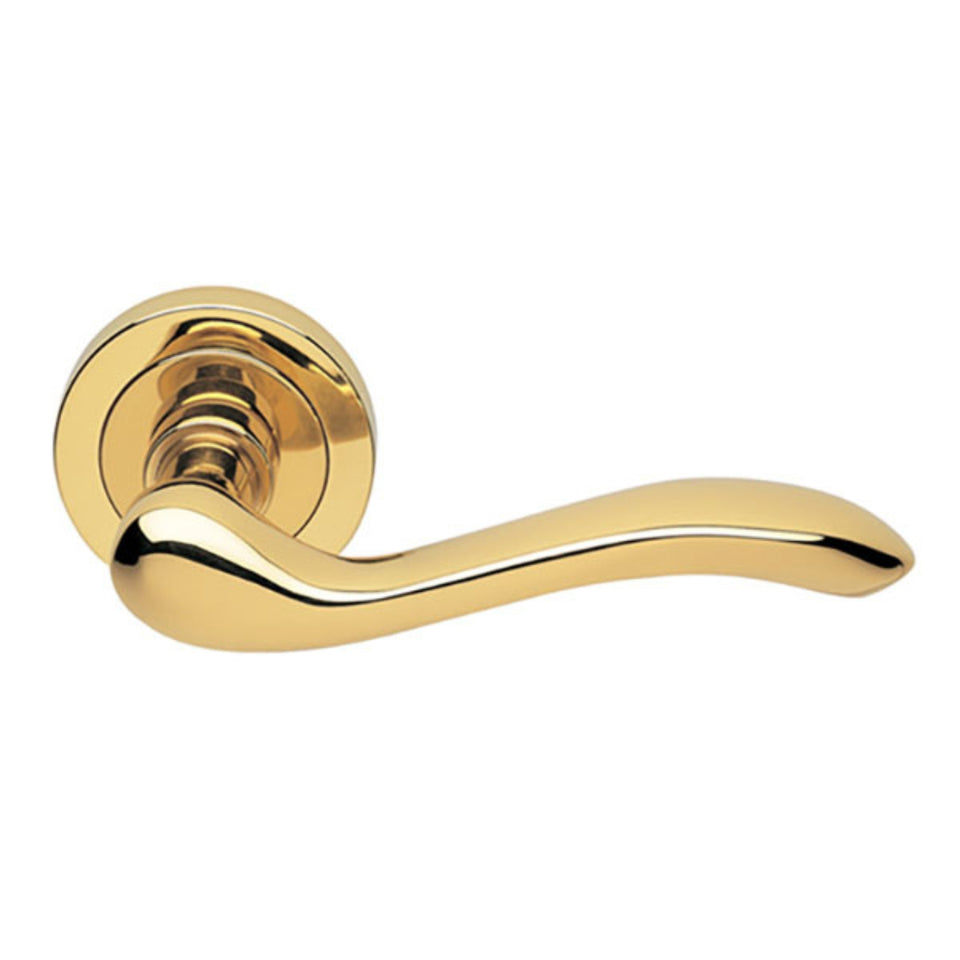
Sold out Manital Erica Passage Door Handle Set Polished Brass
Checking delivery...$152$0 (-0%) offRRP of $152 -
Italian Made

Sold out Manital K410 Knob Flat Top Passage Door Handle Set Polished Brass
Checking delivery...$208$0 (-0%) offRRP of $208 -

Sold out Nidus Pull Door Handle 600mm Stainless Steel Pair
Checking delivery...$239$0 (-0%) offRRP of $239 -
Italian Made
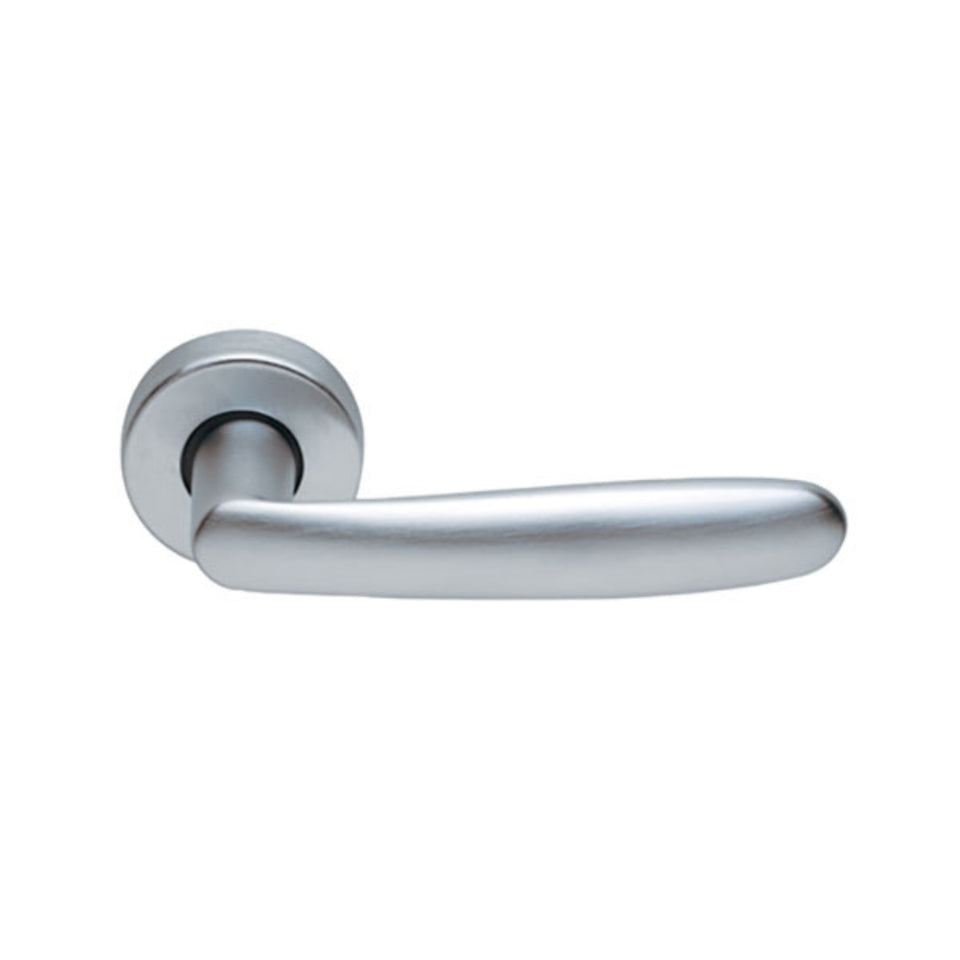
Sold out Manital Imola Passage Door Handle Set Satin Chrome
Checking delivery...$117$0 (-0%) offRRP of $117


Door hardware accessories buying guide
Most doors are held, stopped, latched and locked by small parts that nobody looks at until one of them fails. A hinge pin wears, a latch tongue stops springing back, a rose cracks around the screw, or a door swings into a wall and leaves a dent the size of a doorknob. This collection is where those parts live: hinges, door stops, bolts, latches, escutcheons and roses, flush pulls, lock kits and a few fittings for sliding and shower doors. This guide explains what each part does, which measurements decide the fit, and how to choose a replacement that matches the hardware already on the door. The wider range of handles and levers is on door hardware, and this page covers the parts around them.
Hinges
The hinge decides how the door hangs, so it is the part to get right first. The hinges here are butt hinges, which sit in a shallow recess cut into the door edge and the frame so the two leaves close flat against each other. Because the recess is cut to a specific size, a replacement hinge should match the old one in length, width and leaf thickness. A larger hinge will not seat in the recess, and a smaller one leaves the old screw holes exposed.
The common sizes in the range are 100 x 75mm and 100 x 70mm, with 85mm and 90 x 60mm options for lighter or narrower doors. Leaf thickness varies too, with 1.6mm and 2.5mm leaves available. Thicker leaves carry more weight and resist twisting on a solid door, and the thinner pattern suits a hollow core or a light internal door.
The pin is the next choice. A fixed pin hinge cannot be separated, which is a modest security advantage on an outward opening or exterior door because the pin cannot be tapped out. A loose pin hinge lets the door lift off the frame once the pin is drawn, which helps when a door has to be removed for painting, carpet or a tight delivery path. A lift off hinge is built for the same purpose and is usually handed, so you choose a left or right set. The Lane lift off hinges are made in left and right hand sets, and they suit internal doors.
The fast fix bearing hinge has a bearing between the knuckles, so the door swings with less friction. It is a 100 x 70 x 2.5mm stainless steel hinge with a fixed pin, and trade names for the pattern include hirline and quick fix hinges. If you see either name in a plan or an old invoice, this is the type.
Finish matters more than it seems. A hinge is visible every time the door is open, and a bare steel hinge beside a matte black handle reads as an oversight. Hinges here come in brushed nickel, satin brass, matte black, matte white, satin chrome, stainless steel and ember bronze, so they can follow the handle. Sets are usually sold as a pair, which suits an ordinary door, and a heavy or tall door takes a third hinge at the midpoint to stop the leaf bowing. A full list of the Zanda patterns is on Zanda hinges, and the general range is on hinges.
Door stops
A door stop does two things: it catches the door before the handle reaches the wall, and in some patterns it holds the door open. Door stops come in four mounting styles, and the right one depends on what is behind the door.
A skirting fix stop mounts to the skirting board and takes the door at about knee height. The Zanda skirting fix stop is solid brass with a rubber bumper and projects 85mm from the mounting point. A wall mounted stop screws to the wall at handle height, which is the right position when the door opens against plasterboard. The Nidus wall mounted pattern is 80mm high on a 44mm diameter base, with a rubber bumper. A half moon stop sits on the floor and stops the door at its lower edge, and the Lockwood A290 in the range is zinc alloy and rubber with a 43mm diameter. A concealed fix stop hides its screws behind the body, which gives a clean look once fitted.
A magnetic stop holds the door against a magnet, so the door stays open without slamming in a draught. The Zanda magnetic stop in the range is 75mm and can be mounted on the floor, the wall or the skirting, and when it is wall mounted it leaves 73mm of clearance from the mounting point. That gives some flexibility when a skirting board is deep or a wall is awkward.
Before you buy, work out where the handle lands when the door opens fully. A stop that sits too far from the swing leaves the handle free to hit the wall, and a stop that sits too close may stop the door before it clears the opening. The usual position is a few millimetres short of the handle touching the wall. Choose the stop so its bumper meets the door at the point it would otherwise strike. The full range of stops is on door stops, and the Lockwood patterns are on Lockwood door stops.
Bolts and latches
Bolts are the simplest security device on a door, and the pattern you choose depends on the door type. A barrel bolt slides across and into a keeper on the frame. The heavy duty Zanda barrel bolt is solid brass, 150 x 31mm, with a 30mm throw. Throw means the distance the bolt travels, so a longer throw holds the door more firmly in the keeper. A reverse barrel bolt turns the mechanism so it sits flatter on the door, and the radiused Zanda pattern is 200 x 36mm with a 40mm throw, a one piece brass extrusion with a sprung ball bearing that holds the bolt in position. It suits bi-fold, sliding, hinged and rebated doors.
A flush bolt is built into the edge of a door instead of sitting on its face, and it is made for the inactive leaf of a pair of doors. The Zanda flush bolt is 152mm long and 19mm wide in solid brass. You fit it into a mortise cut into the door edge, and the other leaf closes against it, so the second door stays fixed until you need to open both. The range also includes a Lockwood roller bolt, which is non handed, has an adjustable projection secured with a locknut, and is rated against the neutral salt spray test in AS 2331.3.1 for corrosion resistance. More patterns are on flush bolts and barrel bolts.
A latch is the part that holds the door closed without locking it. The latch bolt, often called the tongue, springs out of the door edge into the strike plate on the frame, and the handle retracts it. The Nidus tubular latch in the range has a 60mm backset, is double sprung, and closes softly. Backset is the distance from the door edge to the centre of the spindle hole, and the common sizes are 60mm and 70mm. If the old latch is fitted, measure its backset before buying a new one, because the spindle hole is already drilled and the new latch must line up with it. Latches and related parts are gathered on door locks and latches.
A deadlatch is a latch that locks its own bolt when the door closes, so it cannot be pushed back with a card or a screwdriver. The Lockwood 001 deadlatch in the range uses a cut resistant stainless steel bolt with concealed anchorage points and a frame strengthener, and it conforms to AS 4145.2 2008. Deadbolts, which are locked by a key or a thumb turn, are on deadbolts, and complete entrance sets are on entry door lock sets.
Flush pulls and sliding door fittings
A sliding door that moves into a cavity cannot carry a projecting handle, because the handle would stop it going into the wall. A flush pull sits inside the door face and gives you a finger recess to grip. The Zanda Duke flush pull kit is an oval pull, 250 x 40mm, and the Duke range is sold as separate components, so a lost or damaged part can be replaced without buying the whole kit again. The Duke sliding door euro lock kit combines the flush pull and the escutcheon into one assembly. It includes two flush pulls with euro key holes, a sliding mortice lock, a double cylinder and an edge pull, and it sits flat with the door surface, which makes it suitable for stacker doors or doors that slide fully into a cavity.
The edge pull is the small fitting you grip when the door has slid mostly into the wall, and it is easy to forget. A cavity slider with a flush pull and no edge pull is hard to open from the open position. Other cavity fittings are on cavity slider hardware and sliding door edge pulls, and flush pulls are on flush pulls.
Matching finishes across a door
A door carries several metal parts at once: handle, hinges, latch plate, stop and sometimes a bolt. The cleanest result comes from choosing one finish and applying it to every visible part. The finishes in this range include matte black, brushed nickel, satin brass, satin chrome, stainless steel, graphite nickel, ember bronze, antique brass and white. Matte black is common on the hinges and stops, because it hides marks and sits against painted doors without dominating them.
There are two limits to be aware of. First, finishes from different ranges differ in tone even when they have the same name. A satin brass from one range can be warmer than a satin brass from another, so it is best to buy matching parts from one range. Second, brass and antique brass finishes are lacquered on some patterns, and a lacquered finish should not be scoured, because abrasive cleaners wear the coating and the bare metal underneath marks. Finish pages are on matte black, brushed nickel and brass.
Where to look next
This collection covers the parts that support a door. For the handles and levers themselves, see door handles and door knobs, and for hallway and bedroom sets see passage lever sets and privacy knob sets. Door closers for self closing doors are on door closers, and other fittings are gathered on door accessories. If you are not sure which part a door needs, measure the door thickness, the backset and the hinge recess before you choose.

