


Door Hardware
122 Items
-

Sold out Nero Square Shower Knob Handle Matte Black
Checking delivery...$242 -
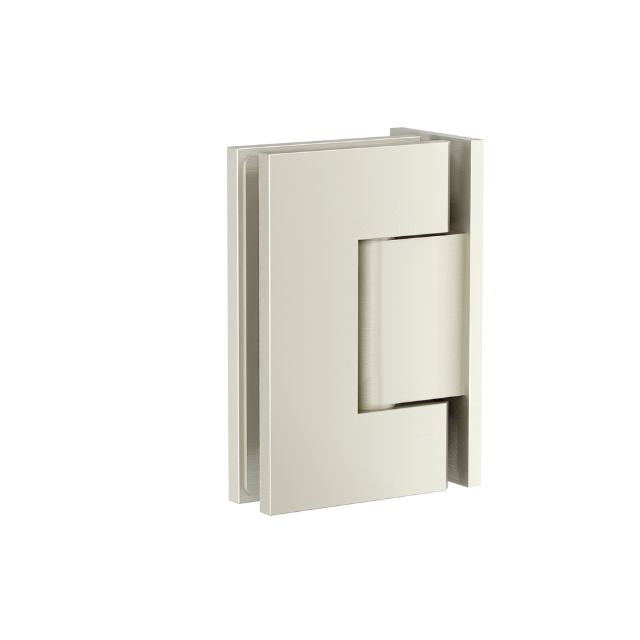
Sold out Meir Glass to Wall Shower Door Hinge Brushed Nickel
Checking delivery...$224 -

Sold out Nero Shower U-Shaped Bracket 10mm Glass Brushed Nickel
Checking delivery...$54 -

Sold out Nero 90 Degree Glass to Wall Bracket Brushed Bronze
Checking delivery...$121 -
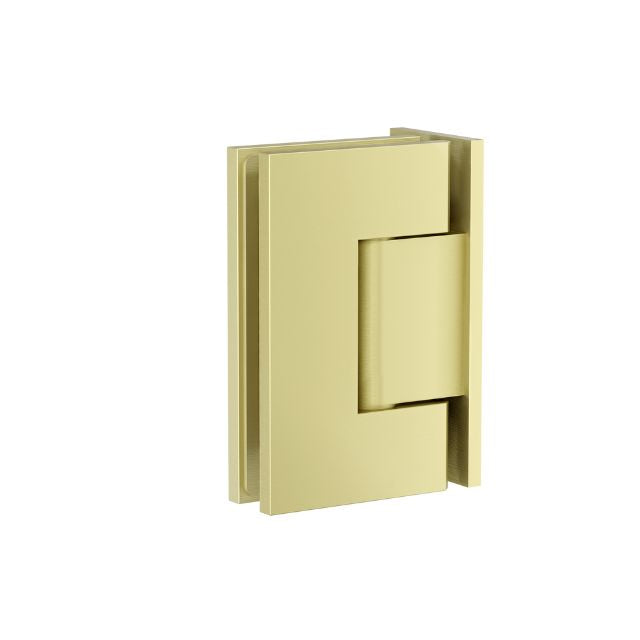
Sold out Meir Glass to Wall Shower Door Hinge Tiger Bronze
Checking delivery...$224 -

Sale On Now!
Up to 70% off across the store, plus free towels and mirrors up for grabs on orders over $800*
-

Sold out Nero Shower Towel Bar 500mm Brushed Gold
Checking delivery...$309 -

Sold out Nero 90 Degree Glass to Wall Bracket 10mm Glass Chrome
Checking delivery...$94 -

Sold out Nero Shower U-Shaped Bracket 10mm Glass Matte Black
Checking delivery...$40 -
In Stock

Sold out Nero 90 Degree Glass to Wall Shower Hinge Brushed Bronze
Checking delivery...$209 -

-

Sold out Nero Round Shower Knob Brushed Nickel
Checking delivery...$87 -

Sold out Nero Shower F-Shaped Bracket 10mm Glass Brushed Bronze
Checking delivery...$81 -

Sold out Nero Over Panel Glass to Glass Fitting 10mm Brushed Nickel
Checking delivery...$54 -

Sold out Nero Shower Towel Bar 500mm Gun Metal
Checking delivery...$309 -

Sold out Nero 90 Degree Glass to Wall Bracket 10mm Glass Gun Metal
Checking delivery...$121 -
-

Sold out Nero Square Shower Knob Handle Brushed Bronze
Checking delivery...$283 -

Sold out Nero 180 Degree Glass to Glass Shower Hinge 10mm Glass Chrome
Checking delivery...$242 -

Sold out Nero Shower F-Shaped Bracket 10mm Glass Matte Black
Checking delivery...$67 -

Sold out Nero 90 Degree Glass to Wall Bracket 10mm Glass Brushed Nickel
Checking delivery...$121 -
In Stock

Sold out Nero 90 Degree Glass to Wall Shower Hinge 10mm Glass Chrome
Checking delivery...$161 -
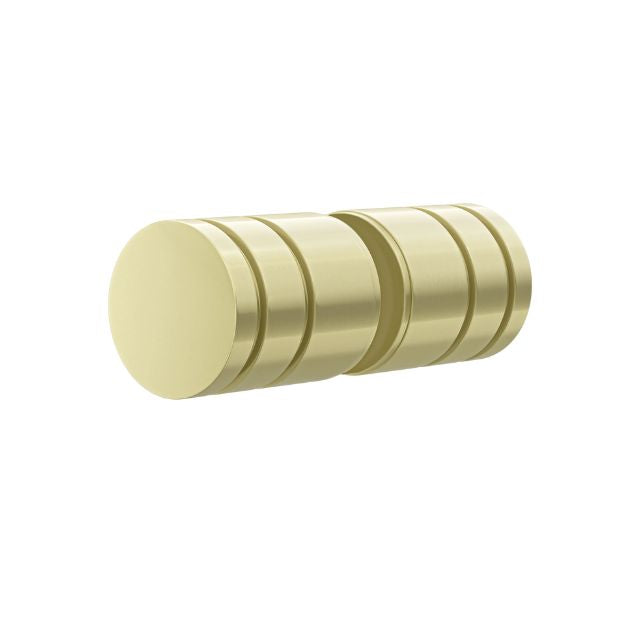
Sold out Meir Shower Door Round Handle Tiger Bronze
Checking delivery...$74 -

Sold out Nero 90 Degree Glass to Wall Shower Hinge 10mm Glass Matte Black
Checking delivery...$175 -

Sold out Nero 180 Degree Glass to Glass Shower Hinge 10mm Glass Matte Black
Checking delivery...$269 -

Sold out Nero Round Shower Knob Chrome
Checking delivery...$81 -

Sold out Nero 180 Degree Glass to Glass Shower Hinge 10mm Glass Gun Metal
Checking delivery...$296 -
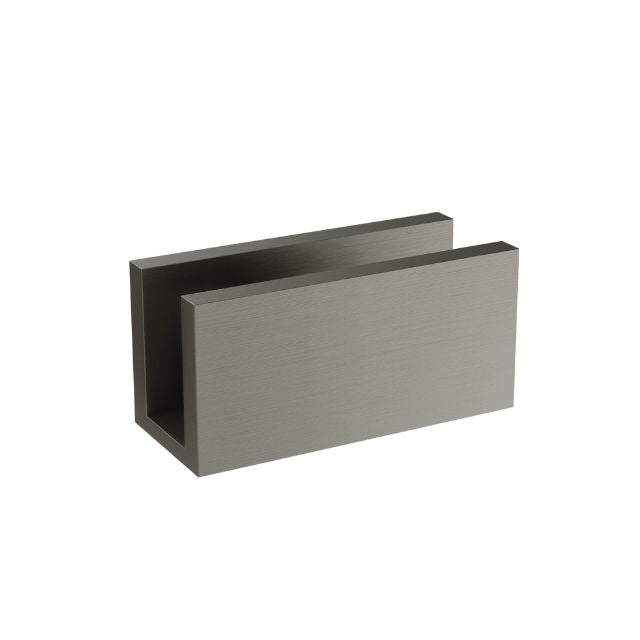
Sold out Meir Glass Fixing U Bracket Shadow
Checking delivery...$49 -

Sold out Nero Shower Towel Bar 500mm Chrome
Checking delivery...$215 -
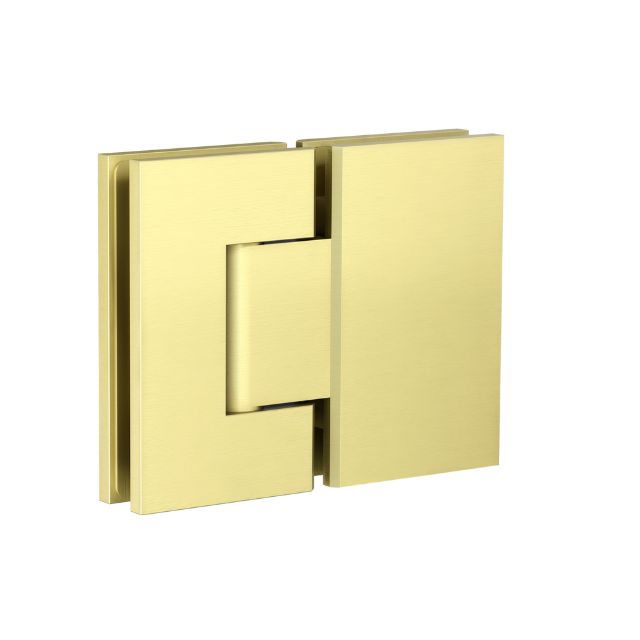
Sold out Meir Glass To Glass Shower Door Hinge Tiger Bronze
Checking delivery...$274 -

Sold out Nero Shower F-Shaped Bracket 10mm Glass Gun Metal
Checking delivery...$81 -

Sold out Nero 180 Degree Glass to Glass Shower Hinge 10mm Glass Brushed Nickel
Checking delivery...$296 -

Sold out Nero Shower F-Shaped Bracket 10mm Glass Chrome
Checking delivery...$61 -
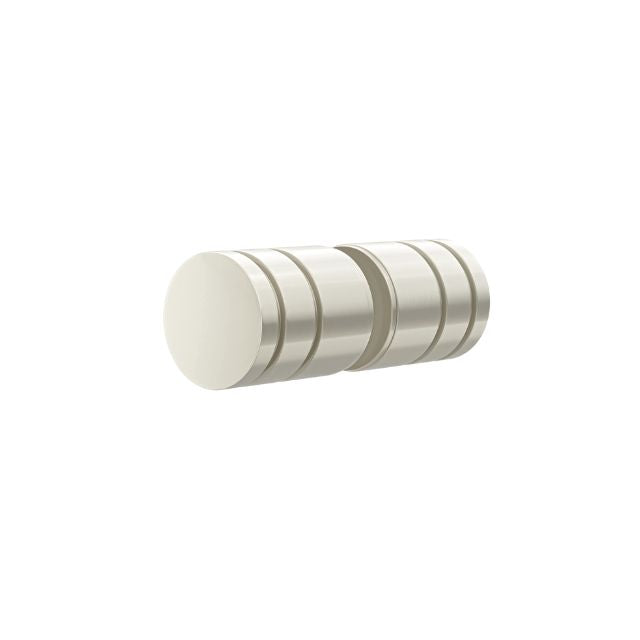
Sold out Meir Shower Door Round Handle Brushed Nickel
Checking delivery...$74 -

Sold out Nero Shower U-Shaped Bracket 10mm Glass Gun Metal
Checking delivery...$54 -

Sold out Nero Square Shower Knob Handle Brushed Gold
Checking delivery...$283 -

Sold out Nero Round Shower Knob Matte Black
Checking delivery...$87 -

Sold out Nero Square Shower Knob Handle Chrome
Checking delivery...$202


Door hardware buying guide
Door hardware is everything that mounts on a door and its frame to hang it, move it, latch it and lock it. That covers handles, knobs and pull handles, locks and deadbolts, hinges, bolts, stops, closers and the plates and fittings that finish them. This page maps the whole category so you can find the right part quickly. Each section below names a job, explains what the part does, and links to the collection that goes deeper.
The parts of a handle set
Searchers often arrive asking what the parts of a door handle are called, so it helps to name them. The handle or lever is the part you grip. The rose, or rosette, is the round plate on the door face that the handle sits on, and it comes in sizes such as 54mm. A backplate does the same job as a rose but is a long plate. The latch sits in the door edge, holds the door shut and retracts when the handle turns, and the strike plate is the metal plate in the frame that the latch engages. The spindle is the square rod that connects the two handles through the door and works the latch. An escutcheon is a plate around a keyhole or cylinder that protects the door from key marks.
Three measurements decide whether a set fits. The backset is the distance from the door edge to the centre of the handle, and 60mm and 70mm are the usual values. The door thickness is a range on each product page. The cross bore is the large hole through the face of the door that the rose covers, and each rose suits a range such as 50 to 54mm. A mortice is a pocket cut in the door edge so a lock body sits flush. Read these on the product page before you order, and see interior door handles for the full fitting checklist.
The four functions
Every handle set has a function. A passage set latches the door but does not lock it, and suits hallways and living areas. A privacy set adds a lock that is set from inside, for bathrooms and bedrooms, and it can be released from outside in an emergency. A dummy handle is fixed, with no latch, and suits cupboards and the fixed leaf of a pair of doors. An entrance set includes a keyed lock for an external door. Settle the function for each door before you choose a style. See passage door handles, privacy door levers, dummy door handles and entry door lock sets.
Handles, levers, knobs and pulls
The handle is the part people notice and touch, and the collection splits it by style. Door handles is the full range of lever and knob sets. Door levers are the lever styles on their own, which give more grip and are easier to use with full hands. Door knobs are round, traditional in look and harder for small children to open. Pull handles are fixed bars for entrance doors and glass, used with a separate lock. Interior door handles gathers the sets made for internal doors, and exterior door handles and hardware gathers the sets for entries.
Locks and security
A keyed lock set pairs a handle with a lock. A deadbolt is a separate bolt that extends into the frame and is the type most used on exterior doors. A smart lock opens by code, fingerprint or phone and should keep a mechanical backup. A security screen door has its own lock. See entry door lock sets, deadbolts, smart door locks and screen door hardware. A lock is only as strong as the door and the frame around it, so choose a solid door and have a mortice lock fitted by a locksmith.
Hinges, stops, bolts and closers
These are the supporting parts. Hinges carry the door and come in loose pin, fixed pin, bearing, lift-off and concealed types. Door stops protect the wall behind the handle. Flush bolts and barrel bolts hold one leaf of a double door, and on external double doors flush bolts pair well with long plate handles. Door closers pull a door shut by themselves. Door escutcheons and roses cover the holes around handles and cylinders. Match their finish to the handles so the set reads as one scheme.
Sliding and cavity doors
A sliding door needs hardware made for it, because the door has to travel past the frame. Sliding door handles includes flush pulls, edge pulls and lock kits. Flush pulls sit within the door surface, and cavity slider hardware covers doors that slide into the wall. Choose hardware by door type, whether hinged, sliding, pivot or patio, before choosing a style.
Accessible hardware
Many searchers ask what accessible door hardware is. The Australian standard AS 1428.1 calls for a lever that can be operated with one hand without tight grasping, pinching or twisting of the wrist, so a round knob does not qualify. They give a grip clearance of 35 to 45mm between a lever and the door, a handle centre height of 900 to 1100mm above the floor, and a maximum opening force of 20 newtons. A pull handle follows the same 35 to 45mm clearance. The standard applies to commercial and multi-residential buildings under the building code, so check the standard itself and confirm compliance on the product data sheet. Appearance alone does not prove a handle complies. For a household that needs more grip, door levers are the place to start.
Closers, stops and hinges on accessible routes
The supporting parts matter too. A door closer on an accessible route should open with a maximum force of 20 newtons from closed to 30 degrees, and cam-action closers are giving more consistent opening resistance than rack-and-pinion closers. Fire and smoke doors are exempt from the 20 newton limit and commonly need a stronger closer, so where a fire door is on a route, provide a non-fire-rated alternative door. Hinges on an accessible door should give a clear opening of at least 90 degrees, typically 850mm of clear width, and door stops on a route should be low profile. Sliding doors need an 850mm clear opening and 60mm between a pull handle and the adjacent wall or frame. Check these against the standard and the product data sheet before you specify.
Door sizes and thickness
A standard Australian internal door is 2,040 by 820 by 35mm, and most hollow-core interior doors are 35 to 45mm thick. Wider ranges for the sets that take thicker doors: 32 to 45mm on many lever sets, 35 to 53mm on Euro mortice entrance sets, and 35 to 60mm on the heritage knob sets. A thicker door needs longer fixings, and some sets sell extended bolts separately. Measure the thickness of your own door, because a handle that suits a standard door can still be wrong for an older, thicker or solid-core door.
Replacing hardware in an older house
When you replace a part, measure what is already on the door. For a hinge, record the height, the open width, the leaf width, the thickness, the number and spacing of the screw holes, and the door thickness. For a handle, record the backset, the size of the hole the old rose covered, and the door thickness. Screw patterns vary between makers and versions, so an exact match is not certain, and a replacement may need the recess patched or re-drilled. Take a clear photo of the old part before you compare it with a product page.
Handing and door swing
Most lever sets are reversible, so one product fits a left-hand and a right-hand door. To find a door's hand, stand on the side it opens toward you. If the hinges are on your left it is a left-hand door, and if they are on your right it is a right-hand door. Some products are handed, especially entrance sets with specific lock mechanisms, and lift-off hinges are always handed. If a product is not marked non-handed or reversible, check its specification before ordering.
Looking after hardware
Care depends on the finish. A weekly dry dust keeps an interior handle clear, with a damp wipe where fingerprints show. For coated and PVD finishes, use warm water with a few drops of mild soap and a soft microfibre cloth, rinse and buff dry, and avoid scouring pads, metal polishes and cleaners with bleach, acid or ammonia. Stainless steel is wiped along the grain without steel wool. Brass darkens with time, faster when waxed than when lacquered. In a bathroom, wipe off moisture after a shower. For finish-specific advice, see the finish collections above.
Who installs door hardware
Carpenters routinely hang doors and fit hardware. Many carpenters struggle with unfamiliar hardware such as mortice locks, handles, invisible hinges and concealed bolts, which then get installed roughly and cause rattly doors, so use someone who knows the part. Hardware goes in near the end of a build, after the doors are hung, so order it early enough to be on site. For mortice locks and concealed fittings, use an installer who has fitted them before.
Materials
The products in this collection are mostly brass, zinc alloy and stainless steel. Stainless steel is strong and corrosion-resistant, brass is durable with a finish that ages well, and zinc alloy is cost-effective and available in many finishes. Powder-coated finishes add scratch and fade protection and suit coastal or humid areas. The material and the coating, such as electroplated, powder coated or PVD, so read the specification when the door is exposed to damp or salt air. For hinges in particular, see hinges, where the pin type and the metal decide how the hinge ages.
Planning a whole-house set
Start with a list of every door: its function, its type and its thickness. A typical house has passage sets for hallways and living areas, privacy sets for bathrooms and bedrooms, dummy handles for cupboards and wardrobes, an entrance set or lock for each external door, and sliding or cavity hardware where a door slides. Add the supporting parts, which are hinges, stops and bolts. Match finishes and styles to the existing decor and to existing door parts, and choose by door type before choosing a look. Doing this once, before you order, avoids mixed finishes and missing parts.
Match the finish
Choose one finish direction and carry it through the handles, hinges, stops and locks. The collection runs through black, brass, gold, brushed nickel, chrome, bronze, white and gunmetal. See matte black door handles, brushed nickel door handles, brass door handles, gold door handles, chrome door handles, bronze door handles, white door handles and gunmetal door handles. For period homes, see heritage door hardware, and for glass screens see shower screen hardware.
Ranges by maker
Each brand has its own sizes and fixings. Browse Zanda door hardware, Lockwood door levers, Lane door levers, Nidus door hardware, Iver door hardware, TradCo door hardware, Momo architectural door hardware and Yale door handles.
Our recommendation
Choose in this order: the function for each door, the fit against the door you have, the finish across the house, and who will install it. Start from the collection that matches the job, check the backset, thickness and hole against the product page, and keep one finish across handles, hinges and stops. That order avoids the usual problems: a set with the wrong function, a latch that does not fit, a finish that does not match, and a mortice lock fitted by someone who has not fitted one before.
Questions about door hardware
What are the parts of a door handle set called?
A handle set has a lever or knob on each face, and a rose or rosette, the round plate behind the handle that covers the hole. The latch sits in the edge of the door and the strike plate on the frame receives it. The spindle is the square rod that passes through the latch and joins the two handles. An escutcheon is the plate around a keyhole. The backset is the distance from the door edge to the centre of the hole, and the cross bore is the hole through the face of the door.
Who installs door hardware?
Carpenters install standard hardware. Mortice locks, invisible hinges and concealed bolts need more experience, and the hardware goes in near the end of a build, after the doors are hung. Order it early so it is on site when the carpenter is ready, and keep the product's fit numbers with the order so the doors are prepared to match.
What is accessible door hardware?
It is hardware designed to be used without a tight grip. The accessible standard describes a lever that can be operated one-handed, a lever end that returns toward the door face, and a graspable length of at least 100mm. Read the data sheet of the product you want, and check the standard itself if compliance matters for the project.
Checking the fit before you order
The fit numbers repeat across the range, and a few of them cover most orders. Door thickness is 35 to 60mm on the Iver and TradCo ranges, 35 to 53mm on many Zanda sets, 35 to 50mm on others and 32 to 45mm on the Lockwood and Lane ranges. Backset is 60mm on most sets, with 57mm on some and 70mm on others.
Measure your own door against those figures. Take the thickness across the edge, and measure the backset from the door edge to the centre of the hole, not across the hole, since holes are often cut larger than they need to be. Most modern hardware needs a 54mm hole. If the backset is wrong, the latch may not reach the strike plate and the door will not close properly.
Choosing hardware by door type
The type of door narrows the range quickly, so start there. Hinged, sliding, pivot and patio doors need different hardware, and interior and exterior doors do as well. Hinged interior doors take levers or knobs with a latch, sliding and cavity doors take flush pulls and sliding locks, and an exterior door adds a lock and often a separate deadbolt.
Exterior doors also bring extras. Pull handles, flush bolts for double doors, weather seals, peep holes and door stops are the usual additions. Of those, this site stocks pull handles, flush bolts and door stops, and the sliding and cavity pages carry the pulls and locks for sliding doors. Choose the finish last, and keep it consistent across handles, hinges, stops and locks, using samples where a match matters.
Whichever part you are buying, measure the old one before you order and keep it until the new one is fitted. A photograph of the old part from both sides, with a tape beside it, answers most fitting questions later. Write down the door thickness, the handing, the backset and the finish, and keep the note with the receipt. When a door is part of a set, such as a pair of double doors or a run of matching bedroom doors, order every part for the set in one go so that the finish and the batch match from the first door to the last.

