


Black Shower Range
91 Items
-
In Stock

Sold out Caroma Urbane II Rail Shower 300mm Overhead Matte Black
Checking delivery...$1,306$0 (-0%) offRRP of $1,306 -

Sold out Caroma Luna Multifunction Rail Shower with Overhead Black
Checking delivery...$939$0 (-0%) offRRP of $939 -
In Stock

Sold out Caroma Luna Fixed Overhead Shower Black
Checking delivery...$380$0 (-0%) offRRP of $380 -
In Stock

Sold out Caroma Urbane II Compact Twin Shower Matte Black
Checking delivery...$834$0 (-0%) offRRP of $834 -
In Stock

Sold out Caroma Luna Multifunctional Rail Shower Black
Checking delivery...$357$0 (-0%) offRRP of $357 -

Sale On Now!
Up to 70% off storewide, free metro shipping over $500, and free gifts from $800. Spend more to unlock luxury towels and mirrors.*
-
In Stock
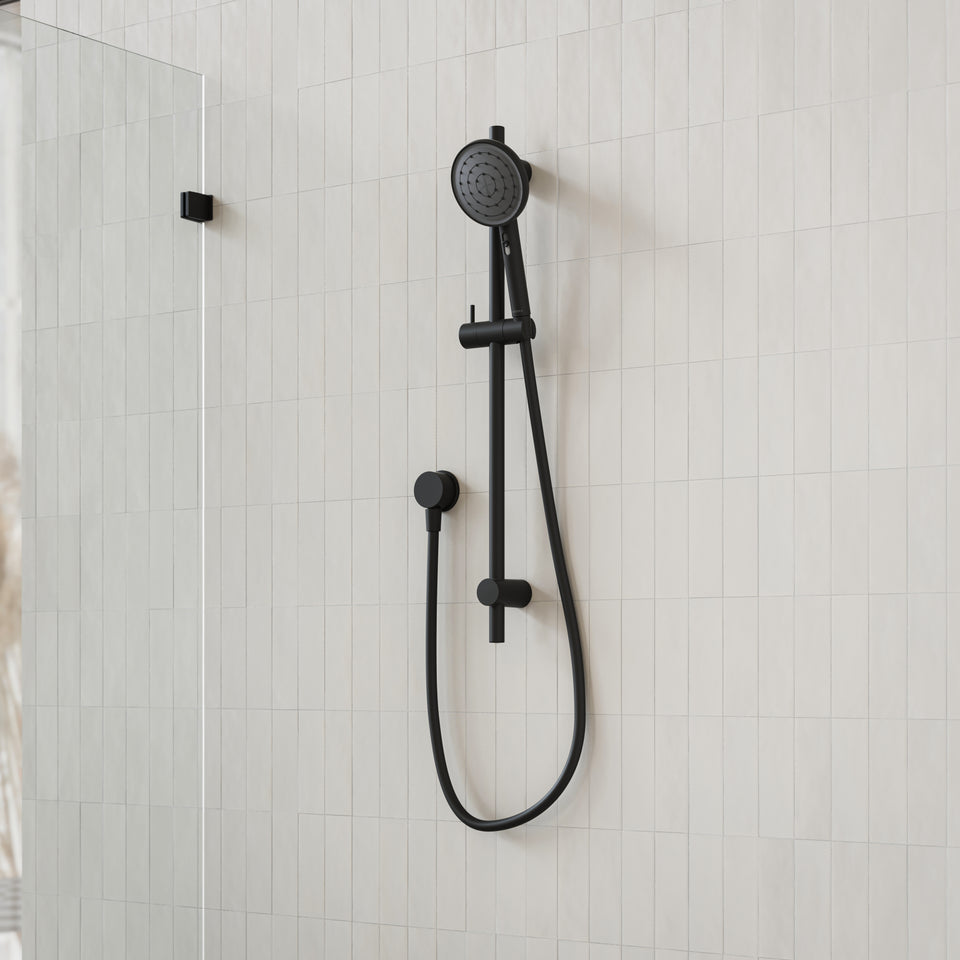
Sold out Caroma Urbane II Rail Shower Matte Black
Checking delivery...$610$0 (-0%) offRRP of $610 -
In Stock

Sold out Caroma 300mm Round Rain Shower - Matte Black
Checking delivery...$590$0 (-0%) offRRP of $590 -
In Stock

Sold out Caroma 415mm Right Angled Shower Arm - Matte Black
Checking delivery...$194$0 (-0%) offRRP of $194 -
In Stock

Sold out Caroma 300mm Square Rain Shower - Matte Black
Checking delivery...$589$0 (-0%) offRRP of $589 -
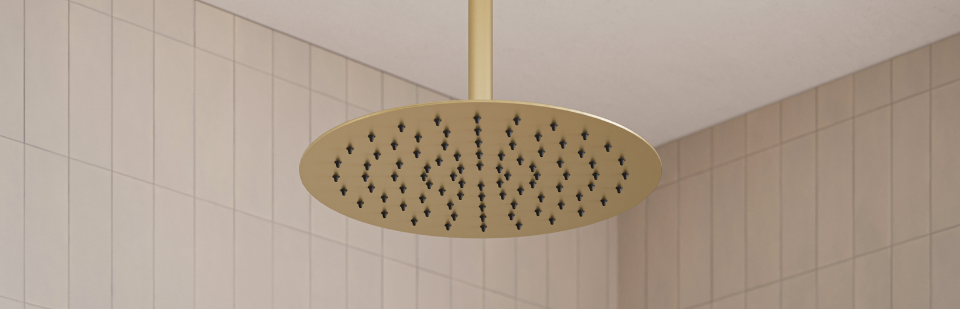
-
In Stock

Sold out Caroma Luna Overhead Shower Head Black
Checking delivery...$215$0 (-0%) offRRP of $215 -
In Stock

Sold out Caroma 300mm Ceiling Shower Arm - Matte Black
Checking delivery...$166$0 (-0%) offRRP of $166 -
In Stock

Sold out Caroma 460mm Upswept Shower Arm - Matte Black
Checking delivery...$180$0 (-0%) offRRP of $180 -
In Stock

Sold out Nero X Plus All Direction Shower Head - Matte Black
Checking delivery...$161$0 (-0%) offRRP of $161 -
In Stock

Sold out Caroma Urbane II Hand Shower Matte Black
Checking delivery...$542$0 (-0%) offRRP of $542 -
-
In Stock

Sold out Caroma Luna Multifunctional Hand Shower Black
Checking delivery...$244$0 (-0%) offRRP of $244 -
Lifetime Warranty
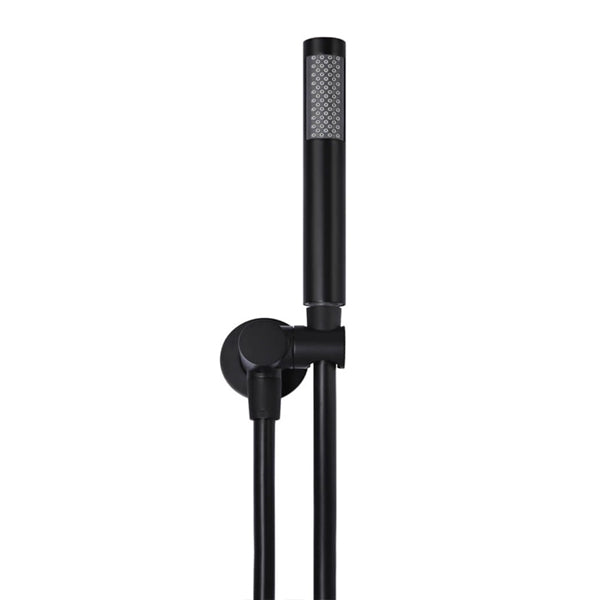
Sold out Meir Round Hand Shower on Swivel Bracket - Matte Black
Checking delivery...$399$0 (-0%) offRRP of $399 -

Sold out Caroma 200mm Round Rain Shower - Matte Black
Checking delivery...$535$0 (-0%) offRRP of $535 -
In Stock

Sold out Caroma Luna Straight Arm 210mm Black
Checking delivery...$166$0 (-0%) offRRP of $166 -
Lifetime Warranty
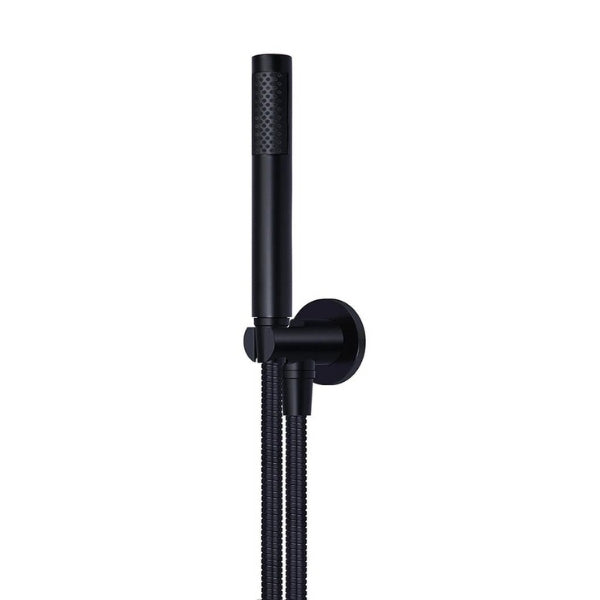
Sold out Meir Round Hand Shower on Bracket - Matte Black
Checking delivery...$374$0 (-0%) offRRP of $374 -

Sold out Caroma Luna Right Angle Shower Arm Satin Black
Checking delivery...$166$0 (-0%) offRRP of $166 -
Lifetime Warranty
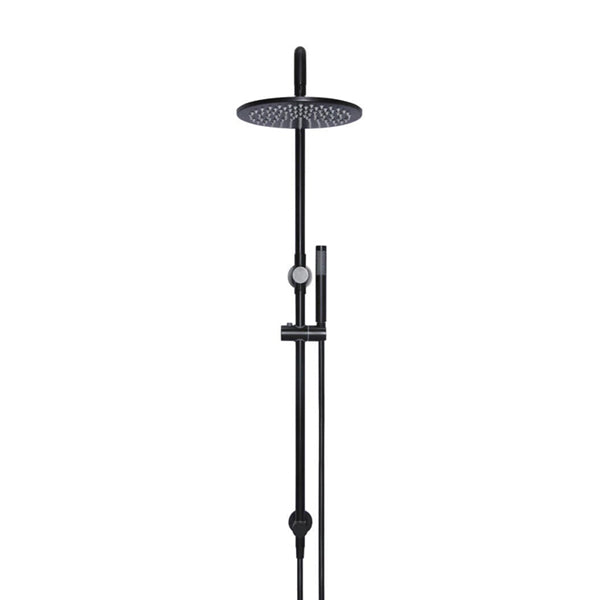
Sold out Meir Round Combination Shower Rail 300mm Rose & Hand Shower - Matte Black
Checking delivery...$1,749$0 (-0%) offRRP of $1,749 -
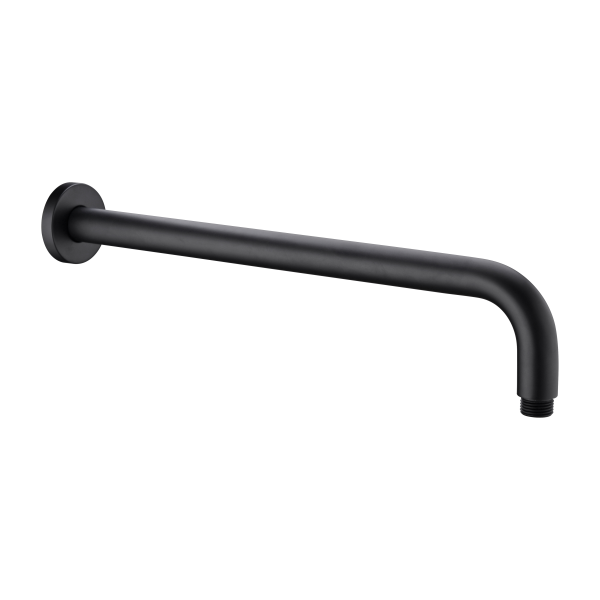
Sold out Nero Round Shower Arm 330m Length Matte Black
Checking delivery...$121$0 (-0%) offRRP of $121 -
Lifetime Warranty
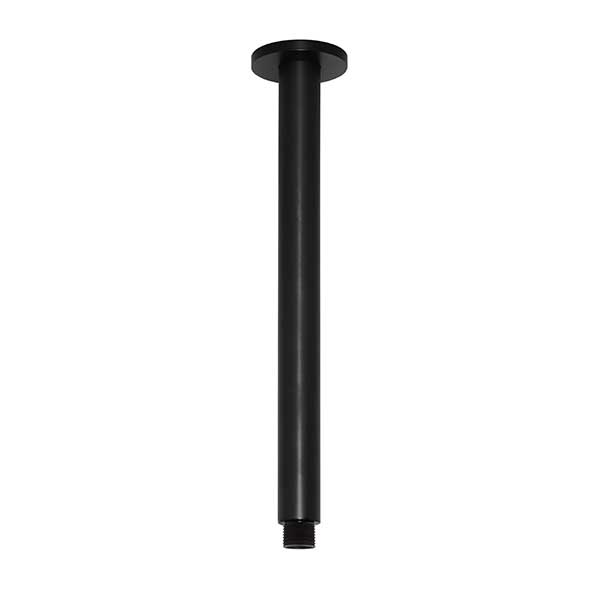
Sold out Meir Round Ceiling Shower Arm 300mm Matte Black
Checking delivery...$161$0 (-0%) offRRP of $161 -
-

Sold out Caroma Luna Straight Arm 410mm Black
Checking delivery...$273$0 (-0%) offRRP of $273 -
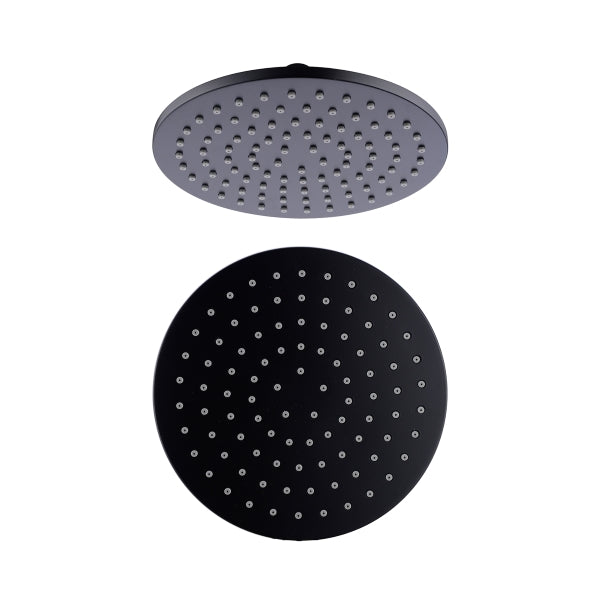
Sold out Nero 200mm Round Shower Head Matte Black
Checking delivery...$215$0 (-0%) offRRP of $215 -
Lifetime Warranty
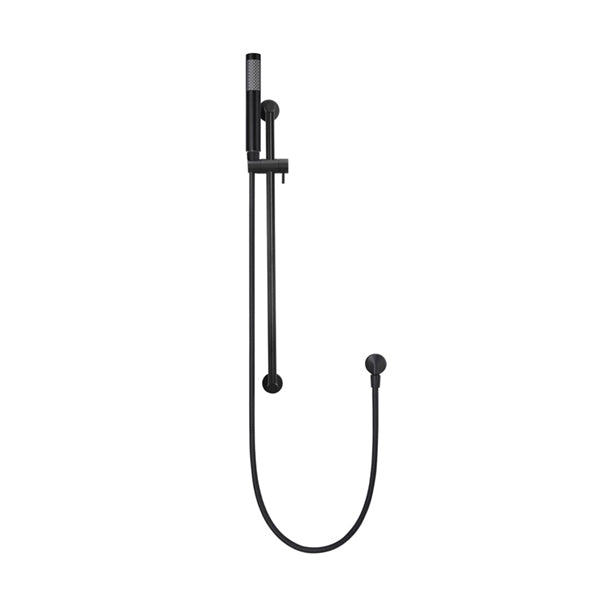
Sold out Meir Round Shower on Rail - Matte Black
Checking delivery...$649$0 (-0%) offRRP of $649 -
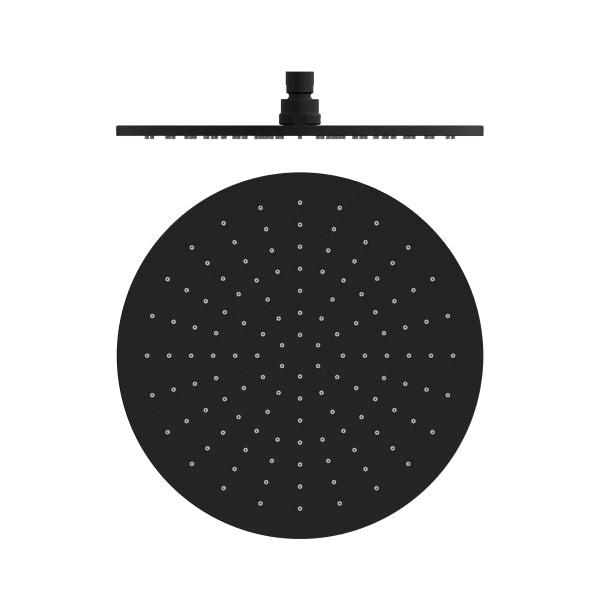
Sold out Nero 300mm Round Shower Head Matte Black
Checking delivery...$511$0 (-0%) offRRP of $511 -

Sold out Caroma 200mm Square Rain Shower - Matte Black
Checking delivery...$535$0 (-0%) offRRP of $535 -

Sold out Nero Round Project Twin Shower 4 Star Rating Matte Black
Checking delivery...$834$0 (-0%) offRRP of $834 -
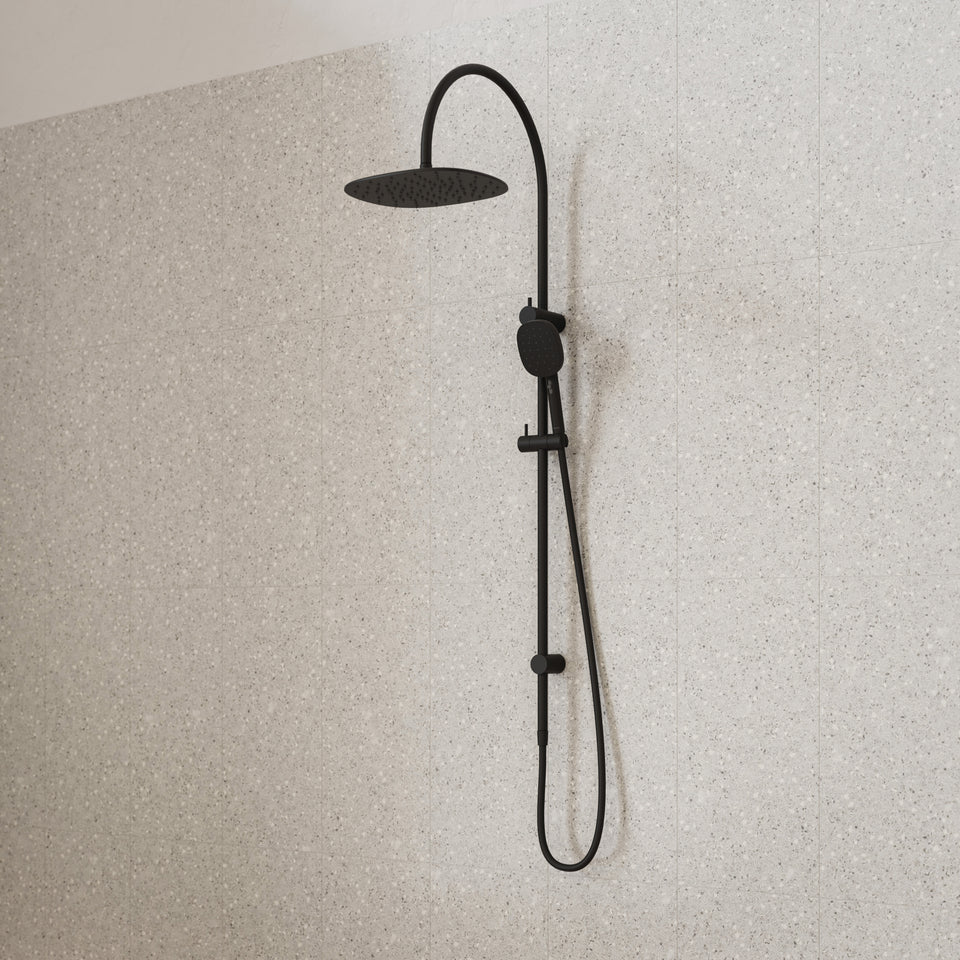
Sold out Caroma Contura II Rail Shower with Overhead - Black
Checking delivery...$1,171$0 (-0%) offRRP of $1,171 -

Sold out Caroma Contura II 300mm Rain Shower - Black
Checking delivery...$532$0 (-0%) offRRP of $532 -

Sold out Caroma Contura II Rail Shower - Black
Checking delivery...$643$0 (-0%) offRRP of $643 -
Lifetime Warranty
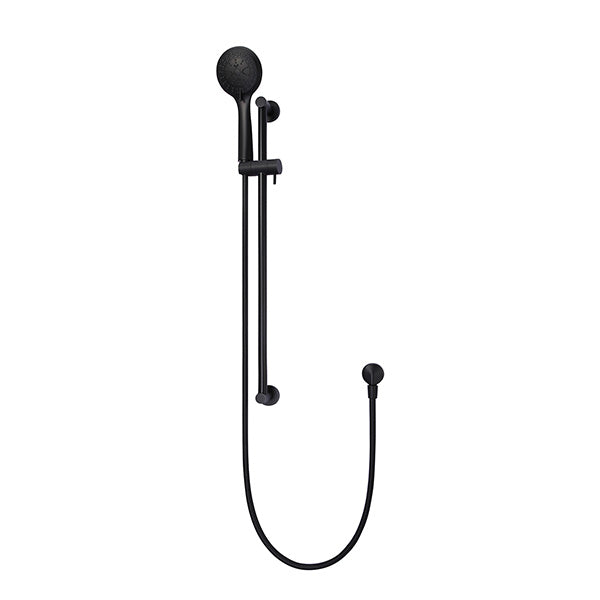
Sold out Meir Round 3 Function Rail Shower Matte Black
Checking delivery...$649$0 (-0%) offRRP of $649 -
Lifetime Warranty
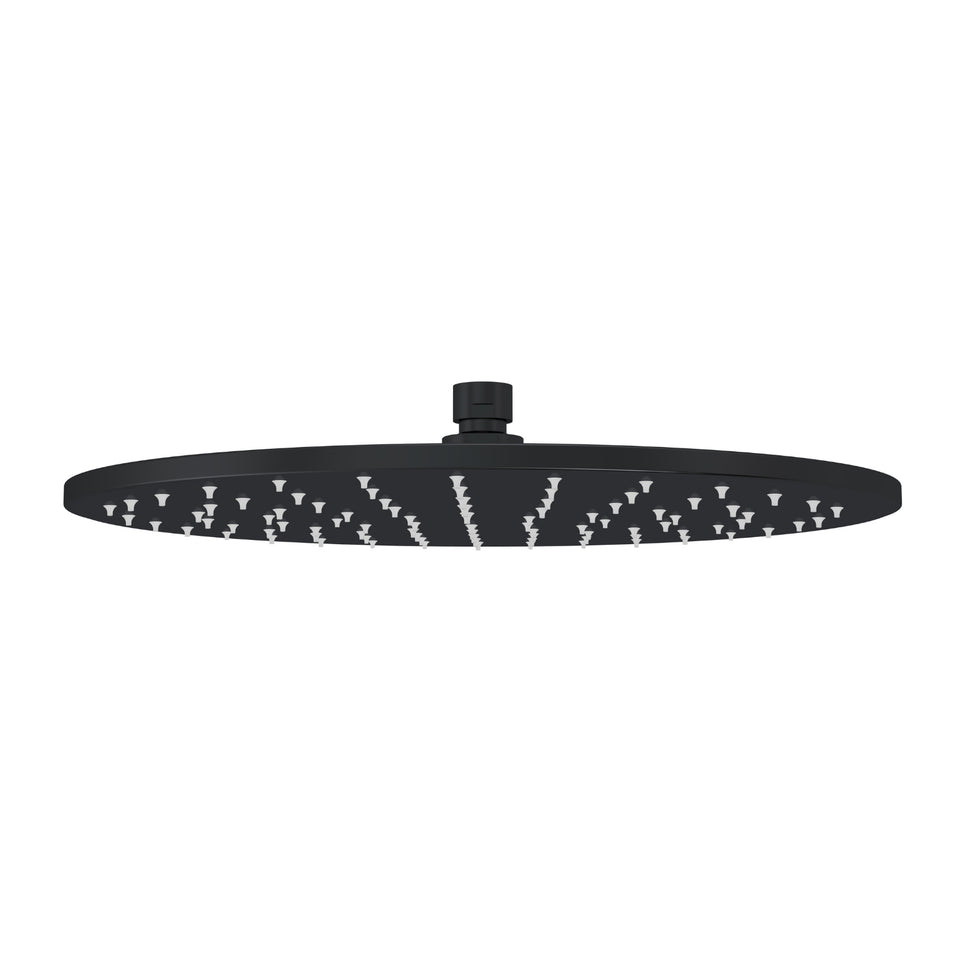
Sold out Meir Round Shower Rose 300mm Matte Black
Checking delivery...$474$0 (-0%) offRRP of $474 -
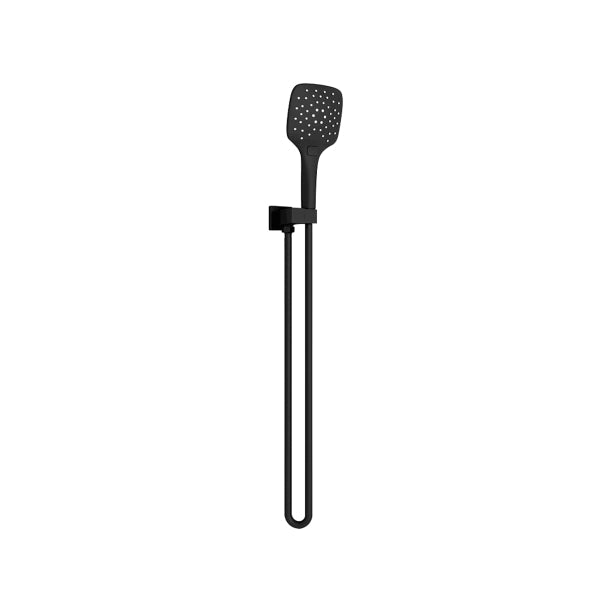
Sold out Nero Rain Square 3 Function Rail Shower Bracket Matte Black
Checking delivery...$269$0 (-0%) offRRP of $269 -


Are black shower heads worth it?
Yes, if you accept a little upkeep and buy one with a durable finish. Two things count in its favour. A matte black head hides fingerprints and water spots better than polished chrome, so it needs less wiping. It also gives a bathroom a clear accent, and black pairs well with marble, concrete, timber and matte tiles. Two things call for care. Hard water leaves mineral deposits that show more on a dark finish, and matte finishes scratch more easily than polished metal.
What decides how a black head ages is the finish. Lower-quality black coatings can wear and expose the metal underneath. Choose a stainless steel or brass head with a PVD or electroplated finish, which bonds to the metal and resists peeling and fading better than paint. Make that check on any black head, whatever its shape.
The range covers black shower heads, roses, rails, hand showers, arms and sets, and each section below links to the page for that type.
What the finish on a black shower head is made of
Three coating methods produce the black on a fixture: electroplating, powder coating and PVD. In this collection the common finishes are electroplated matte black and PVD, and some products are simply named matte black. PVD is a very hard, thin, well-bonded finish, and it is the choice where resistance to scratches, corrosion and fading matters most. Electroplated and powder-coated finishes bond to the metal and resist peeling better than basic paint, although powder coating is more prone to chipping at the edges if knocked.
The base matters as much as the coating. Solid brass and stainless steel resist corrosion better than plastic or zinc alloy, and brass suits humid and coastal conditions. Solid brass construction, ceramic disc cartridges and a corrosion-resistant coating are the quality markers to look for, and lower-quality products may fade, chip or corrode in humid bathrooms. Salt-laden air is harder on lower-grade finishes. In this collection the construction is brass, stainless steel or ABS depending on the model, and the specification says which. The Nero Serenity shower head is a large ABS plate with an electroplated matte black finish, which keeps the weight on the arm low, and it carries easy-clean silicone nozzles. For the longest service in a wet room or a coastal home, choose a brass or stainless head.
How to choose a black shower head
Start with the type of shower, then check the supply, then the finish.
- A fixed head on a wall arm. See shower roses for wall arm and rose sets, and shower arms if you are replacing only the arm.
- A larger overhead head for a rainfall spray. See rain showers, and note that rain heads need adequate pressure.
- A head from the ceiling: ceiling showers.
- A hand shower on a bracket or slider: hand held shower heads, or shower rails if you want the height adjustable.
- An overhead head plus a hand shower together: twin shower heads, or compact twin showers for a smaller recess. Dual systems may need more plumbing work, and the plumbing must run both outlets at once.
Head sizes in the collection run from small hand shower faces up to 300 mm overheads, and 200 mm, 250 mm and 300 mm are the sizes that appear most in product names. Round fixed heads run at 200 to 300 mm. A face of 150 to 200 mm is better on low-pressure supplies, and heads over 250 mm are best avoided on low pressure unless a pump is fitted. Many models here are rated for an operating pressure of 150 to 500 kPa, so if your home sits at the low end of that range, choose the smaller face.
A black head cannot change your pressure. High-pressure style heads do not boost mains pressure. They only change the nozzle design to make a weak shower feel stronger. For a low-pressure house, choose a handheld or rail head with a smaller face instead of a very large rain plate.
Most shower heads and arms use a 1/2 inch BSP connection, so a like-for-like swap is usually simple. Check the WELS label for the star rating and the tested flow rate before you buy. The roses and heads here are rated 3 and 4 star, at about 6.5 to 9 litres a minute. Changing the arm, the mixer or the pipework needs a licensed plumber.
Black against chrome: what you give up and what you gain
The trade between the two finishes is plain. Chrome shows water marks readily on hard water, and abrasive pads leave fine scratches in the plating that catch the light permanently. Matte black shows water marks much less, and it hides water spotting better than any other finish. Smooth matte surfaces can show dust and finger oils, particularly in strong side light, and a damaged matte black surface cannot be polished back.
The pairing depends on the room. Matte black suits strong contrast, dark grout lines and a warm neutral palette. Chrome suits almost any setting, and in a small bathroom it recedes and lets the room feel more open. On dark tiles chrome usually works better, because matte black loses its outline against a dark wall. Warm stone such as travertine tends to pair better with matte black, because chrome has a slightly blue cast. As a rule, use black against a light, warm or contrasting background and chrome where the wall is already dark. If you want the lower-maintenance option, chrome showers is the comparison page.
Cleaning a black shower head without damaging it
Wipe the head with a damp microfibre cloth after use. This stops soap residue and water spots before they set. A squeegee on the glass and a quick wipe of the rail and tapware help too, and running the exhaust fan after a shower reduces lingering dampness. A clean surface that is left wet can still develop spots once the water evaporates, so drying matters more than any product.
Once a month in hard water, give the nozzles a deeper clean. Mix a few drops of mild dish soap into warm water, clean gently with a soft sponge or cloth, rinse and dry. Spray any cleaner onto the cloth, not directly onto the fixture. Use a soft toothbrush on the nozzles, and rub silicone nozzles with your finger to lift softened scale. If the water flow becomes uneven, check the nozzles for mineral build-up first.
Avoid bleach, ammonia and steel wool, and keep abrasive pads, powders and pastes away from it. They wear the coating down, so the head scratches or fades. Do not soak it for long.
Hard water changes the picture. The main problem in hard-water areas is chalky mineral residue and nozzle build-up, which shows more on dark finishes, and descaling helps prevent clogged nozzles and reduced flow. A water softener or filtration system reduces the mineral build-up at the source, and it helps every fitting in the house, not only the shower head. In coastal homes, salt-laden air is harder on lower-grade finishes, so rinse the hardware occasionally to reduce salt build-up.
Keeping black looking new
Whichever finish is on a black fixture, wiping it with a cloth after every use keeps the colour true for longer. Use mild soapy water on black tapware and dry it well so water does not leave stains. Dust and make-up powder can leave cloudy marks, so keep a microfibre cloth within reach. When you fit or adjust a black fitting, wrap a cloth around it before a tool grips it so the teeth do not scratch the surface. Black rewards a simple, regular routine.
Blacks are not all the same
Mismatched blacks are the most common styling mistake. Finishes range from powder coat to anodised to electroplated, and makers differ in how warm or cool the black reads. Test samples together in natural and artificial light before you buy, because the difference only becomes obvious once everything is installed. A warm black suits natural materials such as timber and warm stone, and a cooler, bluer black suits grey stone and concrete. Stark cool whites can feel harsh next to a warm black, while warm neutrals and soft greys sit well with it.
Matching black across the bathroom
Black reads best when it repeats. Keep everything you touch on the same finish: the basin mixer, the shower mixer, the shower rail and the flush plate. A second finish works best on supporting items, such as a mirror frame or a towel rail. Limit black to about three touchpoints, such as the shower, the basin mixer and one accessory, and keep to one range so the blacks match across brands, because blacks differ slightly between makers.
If black feels too sharp against cool grey tile or a blue-based white, brushed nickel or gunmetal are softer options. See brushed nickel showers and gunmetal showers.
Matching the controls matters as much as matching the head. See shower mixers for the wall controls, and black taps for tapware in the same finish.
Installing and fitting a black shower head
Fitting a head takes a few steps. Loosen the old head by hand, turning it counterclockwise, and use a wrench or pliers only if it is stuck. Wrap a cloth around the fitting first, because tools mark a black finish. Peel off the old tape and clean the arm threads. Wrap fresh thread seal tape three or four times around the thread, starting at the bottom and wrapping clockwise so it does not unwind. Check the rubber washer is seated, hand-tighten the head, and turn the water on to check for leaks. Plastic fittings are hand-tightened only. For metal-to-metal connections a snug fit with tape is enough, since brute force marks the finish.
Black shower heads by brand
If you already have tapware from one range, start from that brand's showers: Phoenix showers, Nero showers, Caroma showers, Fienza showers, Meir showers, Clark showers and Modern National showers. Keeping to one range gives a consistent black across the bathroom. The full range of finishes sits in showers.

